
 PigmentNihonga
 19th Century
 37.0 x 66.0 cm
 National Museums Liverpool




























작품의 원본 비율을 유지하는 미리 설정된 크기 중에서 선택하세요.

특정 프레임이나 공간에 맞도록 직접 크기를 입력할 수 있습니다. 선택하신 크기가 원본 이미지의 비율과 일치하지 않는 경우, 작품을 자르거나 추가적인 손으로 그린 요소를 사용하여 그림을 확장합니다. 제작 시작 전 승인을 위해 디지털 목업을 보내드립니다.
화면 미리 보기는 실제 자르기 또는 확장을 반영하지 않습니다. 최종 구성은 목업을 통해서만 정확하게 확인하실 수 있습니다.
맞춤 크기 제작도 가능하지만, 원본 비율을 유지하기 위해 사전 정의된 목록에서 크기를 선택하시는 것을 권장합니다.

Design for a screen
복제본 크기
In the delicate dance of light and shadow captured within Design for a screen, we are invited into a world of profound tranquility. This exquisite work by the Japanese master Taki Katei serves as a window into a hidden, pastoral sanctuary where the boundaries between the wild and the domestic dissolve. The composition unfolds with a gentle rhythm, presenting a lush landscape populated by waterfowl—ducks gliding effortlessly across reflective waters and geese standing poised near the mossy edges of rocks and ancient trees. A subtle, unexpected companion, a dog rests at the periphery, adding a layer of warmth and companionship to the scene. This is not merely a depiction of animals; it is an invitation to pause, breathe, and reconnect with the quiet pulse of the natural world.
The emotional resonance of this piece lies in its ability to evoke serenity. For the collector or interior designer, this artwork offers more than just visual beauty; it provides a focal point of meditative calm. The way the birds interact with their environment—some swimming, some standing in quiet contemplation—creates a narrative of coexistence and peace. It is an ideal selection for spaces designed for reflection, such as a study, a library, or a sophisticated living area where one seeks to cultivate an atmosphere of grace and stillness.
To understand the technical brilliance of this work, one must look toward the Nihonga tradition, a style that Taki Katei helped navigate during a period of immense cultural transition in Japan. The painting is a testament to the meticulous use of mineral pigments and organic materials applied with precision onto silk or paper. This technique allows for a luminous quality that modern oils often struggle to replicate; the colors possess an inherent depth and a soft, matte elegance that feels both ancient and timeless. Each stroke of the brush is deliberate, capturing the texture of feathers, the smoothness of water, and the ruggedness of stone with a sophisticated economy of line.
Katei’s artistry represents a fascinating bridge between the late Tokugawa period and the dawn of modern Japan. While his roots are firmly planted in traditional Japanese aesthetics—emphasizing harmony, seasonal symbolism, and the beauty of the natural order—there is an underlying sensitivity to light and space that hints at the evolving artistic landscape of the Meiji era. For those seeking a high-quality reproduction, this piece offers a rare opportunity to possess a fragment of history, embodying the delicate balance between the preservation of heritage and the subtle infusion of new perspectives.
Integrating a work like Design for a screen into a contemporary interior design scheme allows for a stunning dialogue between historical elegance and modern minimalism. The organic subject matter and the soft, natural palette of the painting complement a wide variety of decor styles, from Japandi-inspired rooms to classic, opulent settings. Because the artwork focuses on the intrinsic beauty of nature, it transcends fleeting trends, offering a permanent sense of sophistication.
When choosing a hand-painted reproduction of this masterpiece, one is not simply acquiring a decoration, but an emotional experience. The subtle interplay of the birds' forms against the landscape creates a visual depth that draws the eye inward, making it a captivating conversation piece for any discerning art lover. It stands as a tribute to the enduring power of nature and the skilled hands of an artist who captured the very essence of peace.

1830 - 1901 , 일본

Find peace with 10 serene masterpieces! Explore calming landscapes by Monet & Van Gogh, tranquil Japanese art like Hokusai’s Great Wave, and more. Discover the stories behind these iconic paintings & bring museum-quality art to your home with . Explore the full collection online.
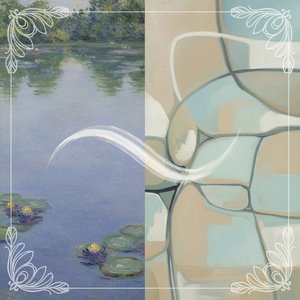
Explore the history of serene landscape art & discover artists who evoke tranquility. Find the perfect calming artwork for your home with expert guidance from TopImpressionists.
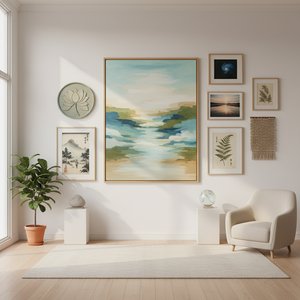
Find serenity with our Top 10 tranquil artworks! Explore masterpieces by Monet, Van Gogh & more. Discover the stories behind calming Impressionist landscapes and peaceful Japanese art. Museum-quality reproductions at .
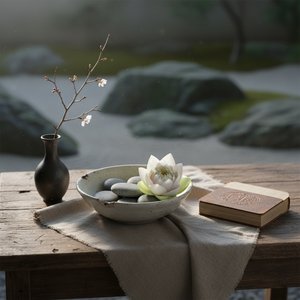
Explore the profound beauty of serenity in art history & contemporary works. Discover how artists evoke calm through color, composition & minimalism. Find artwork to cultivate peace and wellbeing.

Explore the history of serene art & discover how landscape paintings evoke tranquility across movements. Find inspiration for calming home decor & museum-quality reproductions at TopImpressionists.


최신 미술 뉴스, 특별 혜택 및 인테리어 아이디어를 가장 먼저 만나보세요.
프로젝트에 대해 알려주시면 저희 미술 전문가들이 맞춤형 아트 제안 3가지를 전달해 드립니다.
당신만을 위한 맞춤형 옵션 3가지를 무료로 추천해 드립니다!


 미리보기
미리보기
 프린트 구매
 공유하기
공유하기 공유하기
공유하기
 상세 정보
상세 정보

 다운로드
다운로드
 유사 작품
유사 작품 X-레이
X-레이 슬라이드 쇼
 더 보기
더 보기









 유리 옵션은 110cm 미만 크기에서만 선택 가능합니다.


