

![Self Portrait With Pipe [sketch] — 테오 반 라이스베르헤](/media/artworks/images-full/9e/7b/9e7bce3a3cf712911704726cb84ae06e.jpg)
 미리보기
미리보기
 공유하기
공유하기 공유하기
공유하기
 상세 정보
상세 정보 가이드 보기

 다운로드
다운로드
 유사 작품
유사 작품 X-레이
X-레이 슬라이드 쇼
 통계 정보
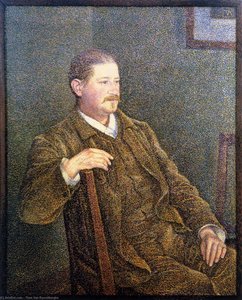
통계 정보Self Portrait with Pipe [sketch]


Explore Théo van Rysselberghe's evocative Self Portrait with Pipe (1880), a seminal Neo-Impressionist masterpiece capturing light and introspection—a cornerstone of Belgian art history.
 더 보기
더 보기
벨기에 인상주의와 신인상주의를 잇는 선구자 테오 반 라이스베르헤의 생동감 넘치는 작품들을 만나보세요! '레 XX' 그룹의 주요 멤버로서 빛과 색채의 조화를 탐구한 풍경화, 초상화, 모로코 풍경을 감상하세요.
수제 유화 복제품
원하는 크기와 액자로 주문 제작되는, 작가들이 직접 캔버스에 손으로 그린 유화 작품입니다. ( 프린트 판매로 전환 디지털 이미지로 전환)




P118B $10

P118H $10

P118W $10

P438Z $10

P508JH $12

P508YH $12

P805H $10

P805Z $10

P919BZ $10

P919G $10

P919XJ $10

P959ZH $10

P968JZ $12

W106C $8

W218G $10

W218JH $8

W218Y $10

W307PJ $10

W316G $10

W316PJ $8

W316Y $10

W398PJ $8

W4111J $10

W500HY $15

W500JH $15

W692G $12

W849H $8

W940BG $15

W953PJ $8




표준 규격
맞춤형
CM
INCH
작품의 원본 비율을 유지하는 미리 설정된 크기 중에서 선택하세요.
Loading sizes...

가로 너비
세로 길이
특정 프레임이나 공간에 맞도록 직접 크기를 입력할 수 있습니다. 선택하신 크기가 원본 이미지의 비율과 일치하지 않는 경우, 작품을 자르거나 추가적인 손으로 그린 요소를 사용하여 그림을 확장합니다. 제작 시작 전 승인을 위해 디지털 목업을 보내드립니다.
화면 미리 보기는 실제 자르기 또는 확장을 반영하지 않습니다. 최종 구성은 목업을 통해서만 정확하게 확인하실 수 있습니다.
맞춤 크기 제작도 가능하지만, 원본 비율을 유지하기 위해 사전 정의된 목록에서 크기를 선택하시는 것을 권장합니다.
변경 가능한 예시: 얼굴을 고객의 사진으로 교체, 반려동물 추가(예: 고양이를 강아지로 변경), 배경에 숨겨진 메시지 삽입, 배경 풍경 또는 요소 변경 등
주문 후 TopImpressionists.com 팀에서 상세 안내를 위해 고객님께 이메일을 보내드리며, 미리보기 시안을 제공해 드립니다.
주문 후 TopImpressionists.com 팀에서 상세 안내를 위해 고객님께 이메일을 보내드리며, 미리보기 시안을 제공해 드립니다.


 유리 옵션은 110cm 미만 크기에서만 선택 가능합니다.

Self Portrait with Pipe [sketch]
재현 기법
복제본 크기
-


최종 결제 금액
$ 269
A Quiet Contemplation Captured in Light
In the intimate stillness of 1880, Theo van Rysselberghe captured more than just his own likeness; he captured a moment of profound psychological depth. In his Self Portrait with Pipe [sketch], the artist presents us with an earnest, unblinking gaze that bridges the gap between the canvas and the observer. Seated indoors, the subject is enveloped in an atmosphere of quiet introspection, where every detail—from the subtle texture of his attire to the steady presence of his pipe—serves to deepen the narrative of a man lost in thought. This is not merely a study of a face, but an invitation into the artist's inner sanctum, offering a window into the contemplative soul that would later define much of the Neo-Impressionist movement.
The technical mastery displayed in this early work hints at the revolutionary path van Rysselberghe was destined to tread. While his later fame rests upon the scientific precision of pointillism, this piece showcases a remarkable command of oil on canvas and a burgeoning sensitivity to light. The artist utilizes a meticulous approach reminiscent of the cloisonné technique, applying layers that create a rich, textural landscape of shadow and luminosity. Through a subdued palette, he achieves a sense of serene melancholy, using harmonious tones to build a composition that feels both physically grounded and spiritually ethereal. For the discerning collector or interior designer, this painting offers a sophisticated anchor for any space, providing a focal point that commands attention through subtlety rather than spectacle.
Symbolism and the Spirit of an Era
Beyond the visual surface, the artwork is steeped in the intellectual currents of late 19th-century Belgium. The inclusion of the pipe is far from incidental; it acts as a potent symbol of philosophical engagement, solitude, and the slow, deliberate passage of time. It represents the intellectual pursuit that characterized the era's burgeoning interest in psychology and self-awareness. As the viewer meets the artist's direct gaze, the pipe becomes a companion in thought, suggesting that the act of looking is itself an act of deep reflection.
Historically, this work emerges from a period of intense artistic experimentation. As van Rysselberghe moved away from the fleeting impressions of his predecessors toward a more structured exploration of color theory, this sketch stands as a vital precursor to his mature style. It embodies the tension between traditional realism and the scientific advancements in optical research that were beginning to reshape the art world. To possess a reproduction of this piece is to hold a fragment of art history—a moment where the weight of tradition meets the dawn of modern perception, making it an exquisite addition to any curated collection seeking both historical gravity and timeless emotional resonance.
유사한 작품들



작가 약력
빛의 선구자: 테오 반 리셀베르헤의 삶과 예술
테오필 “테오” 반 리셀베르헤는 1862년 벨기에 겐트에서 태어나 인상주의와 신인상주의 사이를 연결하는 중요한 역할을 한 화가였다. 그의 여정은 즉각적인 스타일 확신이 아닌 여행, 지적 교류, 그리고 빛의 본질을 포착하려는 끊임없는 추구를 통해 진화했다. 부유한 프랑스어 사용 가정 출신의 반 리셀베르헤는 겐트 아카데미에서 테오 카넬에게 초기 미술 교육을 받았고, 권위 있는 브뤼셀 왕립 예술 아카데미에서 공부했다. 이러한 형성기 동안 그는 엄격한 사실주의에 뿌리를 둔 기반을 확립했는데, 이는 *파이프를 든 자화상* (1880)과 같은 초기 작품에서 분명히 드러났다. 이 작품은 당시 벨기에 미술 기후를 반영하여 차분한 색조와 세심한 디테일로 특징지어졌다. 그러나 이러한 초기 작품에서도 빛과 색에 대한 감수성의 싹이 나타나기 시작했고, 이는 그의 미래 궤적을 예고했다. 이 시기의 중요한 작품인 *숲 속의 아이* (1880)는 더 밝은 팔레트와 느슨한 브러시 스트로크를 암시하며 나중에 정의될 스타일의 변화를 보여주었다.모로코 인상과 Les XX의 탄생
반 리셀베르헤의 예술적 여정에서 전환점은 1882년에서 1888년 사이 모로코로의 여행이었다. 이 장기간의 체류는 강렬한 색, 강렬한 햇빛, 그리고 이국적인 풍경으로 가득 찬 세계에 그를 몰입시켰다. 이는 이전 작품의 차분한 색조와 극명한 대조를 이루었다. *아랍 거리 구두 수선공* (1882), *아랍 소년* (1882), 그리고 *휴식하는 경비병* (1883)과 같은 그림은 형태에 대한 빛의 효과를 포착하려는 그의 증가하는 매력을 보여주며 엄격한 사실주의에서 더 인상주의적인 감각으로 이동했다. 모로코에서의 경험은 단순한 시각적 관찰이 아니었다. 그것은 다른 문화에 대한 몰입이었고, 이는 그의 예술적 지평을 넓히고 평생 동안 지속될 여행에 대한 사랑을 심어주었다. 브뤼셀로 돌아온 반 리셀베르헤는 벨기에 미술계에서 중요한 역할을 수행하며 1883년 옥타브 마우스와 에밀 베르하렌과 함께 영향력 있는 그룹 *Les XX* (The Twenty)를 공동 설립했다. 이 단체는 아방가르드 예술을 선보이는 플랫폼 역할을 했으며, 벨기에 관객에게 인상주의 및 상징주의와 같은 새로운 운동을 소개했다. *아랍 판타지아* (1884)는 이 시기의 그의 가장 유명한 작품이 되었고, 빛과 구성을 마스터하는 능력을 보여주었다.신인상주의 수용: 색에 대한 과학적 접근
반 리셀베르헤의 예술적 발전에서 진정한 전환점은 1886년 파리에서 열린 여덟 번째 인상주의 전시회에서 조르주 소라의 *그랑드 자트 섬에서의 일요일 오후*를 접한 것이었다. 처음에는 소라의 세심한 “포인틸리즘” 기술, 즉 순수한 색상의 작은 점을 체계적으로 적용하는 것에 대해 회의적이었던 반 리셀베르헤는 점차 그 과학적 기반과 빛나는 효과를 달성할 수 있는 잠재력을 인식하게 되었다. 그는 분할주의, 즉 신인상주의 방법론으로 색상을 구성 요소로 나누고 시청자의 눈이 광학적으로 혼합하도록 하는 실험을 시작했다. 이것은 단순한 기술적인 변화가 아니었다. 그것은 빛과 색의 보다 분석적이고 객관적인 표현으로 이동하는 그의 접근 방식에서 근본적인 변화를 나타냈다. 그는 폴 시냑과 같은 다른 신인상주의 화가들과 긴밀한 우정을 쌓았고, 그와 함께 프랑스 리비에라를 여행하며 기술 및 이론에 대한 아이디어를 교환했다. 반 리셀베르헤는 풍경뿐만 아니라 초상화에도 포인틸리즘을 적용하여 가족과 친구의 생생하고 심리적으로 통찰력 있는 모습을 만들어 자신만의 개성을 드러냈다. *샤를 마우스 부인* (1890)은 그의 대표적인 작품 중 하나이다.포인틸리즘 너머: 지속적인 유산
반 리셀베르헤는 상당 기간 신인상주의에 헌신했지만, 1890년대 후반에는 그 엄격한 원칙을 넘어섰다. 그는 브러시 스트로크와 구성을 통해 더 큰 자유를 추구하고 감정과 분위기를 표현하는 새로운 방법을 탐구했다. 그는 가구 디자인, 책 삽화 및 장식 예술을 포함한 다양한 매체에서 다작의 아티스트로 활동했다. 그의 영향력은 벨기에를 넘어 피에트 몬드리안과 얀 토오롭과 같은 화가들에게 영향을 미쳤으며, 그들은 그의 혁신적인 색상 사용법과 빛에 영감을 받았다. 반 리셀베르헤의 유산은 아름다운 그림뿐만 아니라 예술적 변화의 촉매제로서의 역할, 즉 벨기에 미술계에 새로운 아이디어와 기술을 도입하는 데 기여한 그의 역할에 있다. 그의 작품은 현재 파리 룩셈부르크 박물관과 겐트 미술관을 포함하여 전 세계 유명한 박물관 컬렉션에 소장되어 있으며, 그가 예술 역사에 미친 공헌이 계속 기념되고 감상되도록 보장한다. 빛, 색상 및 형태의 상호 작용을 탐구하려는 그의 헌신은 그를 진정한 현대 회화의 선구자로 확립했다.
테오 반 라이스베르헤
1862 - 1926 , 벨기에
주요 정보
- Artistic Movement Or Style: 신인상주의
- Artists Or Movements Influenced By This Artist:
- 신인상주의
- 피에트 몬드리안
- 얀 토롭
- Artists Who Influenced This Artist:
- 장-프랑수아 포르텔
- 조르주 쇠라
- 폴 시냑
- Date Of Birth: 1862년 11월 23일
- Date Of Death: 1926년 12월 13일
- Full Name: 테오 반 라이스베르헤
- Nationality: 벨기에 국적
- Notable Artworks (List Of Titles):
- 아라비안 판타지아
- 스페인 여인
- 세비야의 여인
- Place Of Birth (City And Country): 벨기에 겐트
관련 기사 더 보기

Timeless Impressionism: Bringing the Soul of Monet and Van Gogh into Your Cultural Space
Discover the soul of Impressionism. Explore how the luminous light of Monet and the emotional depth of Van Gogh can transform your home with premium, hand-painted oil reproductions designed for the discerning art lover.

Capturing the Light: A Journey Through the Ethereal Magic of Impressionism and Post-Impressionism
Embark on a cultural journey through the luminous world of Impressionism. Discover the profound beauty of Monet, Van Gogh, and Cézanne through expert art history insights and explore how to bring these timeless masterpieces into your home with museum-quality hand-painted reproductions.

