


 Contemporary Realism
 1989
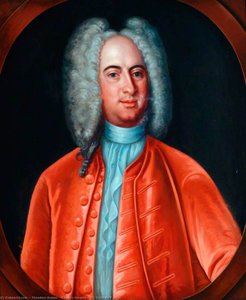
1989 100.0 x 75.0 cm
 University of Surrey
작품의 원본 비율을 유지하는 미리 설정된 크기 중에서 선택하세요.

특정 프레임이나 공간에 맞춰 직접 치수를 입력하실 수 있습니다. 선택하신 사이즈가 원본 이미지의 비율과 일치하지 않을 경우, 작품을 크롭(자르기)하거나 이미지를 대칭 또는 단색 채우기로 확장하여 제작합니다. 제작 시작 전, 최종 확인을 위해 디지털 목업이 전송됩니다.
화면상의 미리보기는 실제 크롭이나 확장 상태를 반영하지 않으므로, 최종 구도는 오직 목업을 통해서만 정확하게 확인하실 수 있습니다.
맞춤 사이즈 제작도 가능하지만, 원본 비율을 유지하기 위해서는 사전 정의된 목록에서 치수를 선택하시는 것을 권장합니다.

Lord Robens
복제본 크기
Theodore Sanchez de Pina Ramos, known simply as Theodore Ramos, was more than just a portrait painter; he was a meticulous observer of human character and a skilled craftsman who captured the essence of his subjects with remarkable precision. Born in Oporto, Portugal, in 1928, Ramos’s journey led him to England, where he ultimately established himself as one of the most respected figures in British portraiture during the latter half of the 20th century. His work, characterized by a deep understanding of light, texture, and historical context, continues to resonate with collectors and art enthusiasts alike.
Ramos’s early life was steeped in artistic tradition. His father, a Spanish diplomat, instilled in him a love for art and culture, exposing him to diverse influences from across Europe. This early exposure proved pivotal, shaping his aesthetic sensibilities and fostering a lifelong fascination with the techniques of Old Masters like Velázquez. He began his formal training in Spain, honing his skills before relocating to England, where he embraced the English style while retaining his own distinctive approach. His decision to become a naturalized British subject further cemented his place within the country’s artistic landscape.
Ramos's career truly ascended with commissions from some of the most prominent figures in British society. He became renowned for his ability to portray individuals not merely as likenesses, but as embodiments of their roles and personalities. Perhaps most famously, he painted Queen Elizabeth the Queen Mother, a portrait that captured her regal bearing and shrewd intelligence. This work, along with portraits of Queen Elizabeth II and the Duke of Edinburgh, solidified his reputation as an artist capable of capturing the dignity and gravitas expected of such subjects. Beyond the Royal Family, Ramos’s clientele included members of the aristocracy, politicians, and cultural figures – a testament to his versatility and appeal.
His approach was deeply rooted in traditional portraiture techniques, yet infused with a modern sensibility. He meticulously studied the nuances of light and shadow, employing layering and glazing methods to achieve remarkable depth and realism. Details such as lace, braids, and elaborate costumes were rendered with astonishing accuracy, demonstrating his dedication to capturing every subtle element of his subjects’ appearance. He wasn't simply copying; he was interpreting, distilling a subject’s character into a visual representation.
Ramos’s artistic influences are readily apparent in his work, most notably the profound impact of Diego Velázquez. Like the Spanish master, Ramos sought to capture not just outward appearances but also the inner lives of his subjects. He admired Velázquez's ability to convey emotion and psychological depth through subtle gestures and expressions. This influence is particularly evident in his use of light – a key element in both Velázquez’s and Ramos’s portraits. Both artists utilized chiaroscuro, the dramatic contrast between light and dark, to create a sense of volume and drama.
However, Ramos wasn't merely imitating Velázquez; he developed his own distinct style, characterized by a meticulous attention to detail and a masterful command of color. He was particularly adept at rendering textures – from the velvet of a nobleman’s robe to the sheen of polished silver – with breathtaking realism. His portraits are not simply beautiful images; they are meticulously constructed studies in light, form, and texture.
While best known for his portraiture, Ramos was also a versatile artist who explored other genres throughout his career. He produced stunning landscapes, often depicting the rolling hills of England and Wales, characterized by a luminous quality and an appreciation for atmospheric effects. His landscape paintings demonstrate a keen eye for composition and color, reflecting his deep connection to the natural world.
Furthermore, Ramos engaged in architectural studies, meticulously documenting historic buildings and structures. These drawings and watercolors reveal his fascination with design, proportion, and the interplay of light and shadow within architectural spaces. This interest in architecture likely informed his approach to portraiture, as he sought to create images that were not only visually appealing but also imbued with a sense of place and history.
Theodore Ramos passed away in 2018 at the age of 90, leaving behind a remarkable body of work. His portraits are treasured for their dignity, realism, and technical mastery. His ability to capture the essence of his subjects – whether royalty or commoners – is a testament to his artistic skill and profound understanding of human nature. Ramos’s legacy extends beyond individual paintings; he represents a bridge between traditional portraiture techniques and modern sensibilities, ensuring that his work will continue to captivate and inspire for generations to come.
1928 - 2018

전통 유화 기법과 현대 디지털 시각화의 완벽한 조화! TopImpressionists.com에서 전문가의 손길로 나만을 위한 특별한 맞춤형 유화를 제작해보세요. 고품질, 예술적 가치, 그리고 잊지 못할 경험을 선사합니다.

Commission breathtaking bespoke fantasy art with skilled oil painters. Explore techniques, artist selection & preservation tips. Invest in a unique masterpiece today!

Transform your cherished photos into timeless oil paintings with TopImpressionists's expert artists. Museum-quality reproductions & custom portraits, crafted to last a lifetime. Discover the art of personal legacy.

소중한 결혼의 순간을 영원히 간직하세요! TopImpressionists.com에서 맞춤 웨딩 아트, 유화 초상화, 디지털 페인팅 등 특별한 기념품을 제작해 드립니다. 전문가의 손길로 완성되는 고품질 작품과 합리적인 가격으로 감동을 선물하세요.

Create a timeless family legacy with custom portraits! TopImpressionists connects you with skilled artists for heirloom-quality paintings & prints. Explore styles, commission your unique artwork today.


최신 미술 뉴스, 특별 혜택 및 인테리어 아이디어를 가장 먼저 만나보세요.
프로젝트에 대해 알려주시면 저희 미술 전문가들이 맞춤형 아트 제안 3가지를 전달해 드립니다.
당신만을 위한 맞춤형 옵션 3가지를 무료로 추천해 드립니다!
 Preview
 작품 구매하기
 공유하기
공유하기 공유하기
공유하기
 상세 정보
상세 정보

 다운로드
다운로드
 유사 작품
유사 작품 X-레이
X-레이 슬라이드 쇼
 더 보기
더 보기






































 유리 옵션은 110cm 미만 크기에서만 선택 가능합니다.


