

 미리보기
미리보기
 공유하기
공유하기 공유하기
공유하기
 상세 정보
상세 정보 가이드 보기

 다운로드
다운로드
 유사 작품 더 보기
 X-레이
X-레이 슬라이드 쇼 보기
 질의응답
질의응답 통계 정보
통계 정보Portrait of Walt Whitman


Admire Thomas Eakins' masterful portrait of Walt Whitman—a seminal work of Realism showcasing meticulous detail and contemplative expression at the Philadelphia Museum of Art.
 더 보기
더 보기
토마스 이킨스(1844-1916)는 냉철한 사실주의 화풍으로 유명한 미국 거장입니다. '맥스 슈미트 외로운 스컬', '그로스의 클리닉' 등 인상적인 작품들을 통해 19세기 미술에 큰 영향을 미쳤습니다. 해부학적 정확성과 인간 본성에 대한 깊은 이해를 담은 그의 작품 세계를 만나보세요.
지클레 / 아트 프린트
빠른 제작과 다양한 마감 옵션을 제공하는 박물관 수준의 지클레이 및 캔버스 프린트. ( 수작업 채색 복제본 주문하기 디지털 이미지로 전환)




P118B ₩10

P118H ₩10

P118W ₩10

P438Z ₩10

P508JH ₩12

P508YH ₩12

P805H ₩10

P805Z ₩10

P919BZ ₩10

P919G ₩10

P919XJ ₩10

P959ZH ₩10

P968JZ ₩12

W106C ₩8

W218G ₩10

W218JH ₩8

W218Y ₩10

W307PJ ₩10

W316G ₩10

W316PJ ₩8

W316Y ₩10

W398PJ ₩8

W4111J ₩10

W500HY ₩15

W500JH ₩15

W692G ₩12

W849H ₩8

W940BG ₩15

W953PJ ₩8




표준 규격
맞춤형
CM
INCH
작품의 원본 비율을 그대로 유지하는 프리셋 사이즈 중에서 선택해 보세요.
Loading sizes...

가로 너비
세로 길이
액자나 벽면 크기에 맞춰 필요한 가로와 세로 길이를 입력해 주세요. 프린트는 원본 이미지보다 크게 제작할 수 없으며 오직 자르는 것만 가능하므로, 비율이 다른 사이즈를 선택할 경우 이미지의 일부가 잘려 나갈 수 있습니다. 인쇄 작업에 들어가기 전, 최종 확인을 위해 디지털 목업을 보내드립니다. 이 페이지에 표시된 이미지는 실제 잘리는 영역을 나타내지 않으며, 오직 목업을 통해서만 정확한 확인이 가능합니다.


 유리 옵션은 110cm 미만 크기에서만 선택 가능합니다.

Portrait of Walt Whitman
지클레 / 아트 프린트
복제본 크기
-


최종 결제 금액
₩ 93734
A Meeting of Titans: The Soul of American Realism
In the quiet, profound depths of Thomas Eakins’ Portrait of Walt Whitman, we encounter more than just a likeness; we witness a monumental collision of two American icons. Painted in 1887, this masterpiece serves as a bridge between the unflinching precision of the painter and the expansive, transcendental spirit of the poet. Eakins, a master of the Philadelphia realist tradition, did not merely seek to replicate the physical form of Whitman; he sought to dissect the very essence of the man’s character. The portrait captures the legendary author of Leaves of Grass in a moment of quiet contemplation, his weathered face and prominent beard acting as topographical maps of a life lived with intense passion and intellectual rigor.
The historical context of this encounter is as compelling as the canvas itself. Their friendship, which blossomed in the late 1880s, was rooted in a shared devotion to truth—Eakins through his scientific anatomical precision and Whitman through his raw, unvarnished poetry. When Eakins sat before his subject, he brought with him an almost clinical eye for detail, yet he infused the work with a reverence that transcends mere documentation. For collectors and lovers of fine art, this piece represents a pinnacle of 19th-century American identity, capturing a moment where the grit of reality meets the heights of literary genius.
Technique and the Mastery of Light
To gaze upon this work is to appreciate the meticulous discipline of Eakins’ technique. Utilizing oil on canvas, the artist employed a muted, somber palette that directs all focus toward the psychological weight of the subject. There is an incredible tactile quality to the brushwork; one can almost feel the coarse texture of Whitman's hair and the ruggedness of his skin. Eakins’ ability to manipulate light and shadow—a technique deeply rooted in his study of anatomy and light—creates a sense of three-dimensional presence that makes the subject appear to breathe within the frame.
The artist’s use of tonal variations is particularly masterful, as he navigates the subtle transitions from the bright highlights on the forehead to the deep, introspective shadows that shroud the background. This controlled use of light does not just illuminate the face; it sculpts the very concept of wisdom. For an interior designer or a curator of fine reproductions, this painting offers a profound sense of gravity and permanence. The composition is understated yet commanding, making it an ideal centerpiece for spaces that demand intellectual depth and a sophisticated, classical atmosphere.
Symbolism and Emotional Resonance
Beyond the physical attributes, every element of the portrait vibrates with symbolic meaning. Whitman’s gaze, directed slightly off-camera, suggests a mind wandering through the vast landscapes of his own poetic imagination. He is not looking at the viewer, but rather through the veil of the present moment into something eternal. This creates an intimate yet distant emotional impact, inviting the observer to participate in his silent meditation. The simplicity of the setting—the suggestion of a chair or a quiet corner—strips away the distractions of the material world, leaving only the raw human spirit.
For those seeking to bring a piece of history into their homes, this portrait offers an unparalleled emotional resonance. It is a study in dignity, age, and the enduring power of the human intellect. Owning a high-quality reproduction of this work allows one to inhabit a space defined by such profound stillness and strength. It is not merely a decoration; it is an invitation to reflect on the legacies of those who shaped the American consciousness, rendered with a level of honesty that remains as provocative and moving today as it was in 1887.
질의응답
"Portrait of Walt Whitman"의 색감은 얼마나 선명한가요?
토마스 이킨스의 "Portrait of Walt Whitman"의 색채는 Muted의 채도와 Monochromatic의 강도를 보여줍니다.
"Portrait of Walt Whitman"의 색감은 얼마나 채도가 높나요?
"Portrait of Walt Whitman"의 색채 구성은 채도가 Muted입니다.
"Portrait of Walt Whitman"은(는) 어떤 색조를 띠고 있나요?
"Portrait of Walt Whitman"은(는) Amber to Saffron 톤이 주를 이룹니다.
작가 정보
현실에 대한 헌신: 토마스 이킨스의 삶과 예술
1844년 필라델피아에서 태어난 토마스 코퍼웨이트 이킨스는 미국 미술사에 기념비적인 인물로 자리매김했습니다. 그는 인간 경험의 본질을 포착하기 위해 평생을 헌신한 냉철한 사실주의 화가였습니다. 그는 단순히 세계를 *재현*하는 데 관심이 없었습니다. 그는 그것을 해부하고, 신체적 및 심리적 해부학을 이해하고, 정직성이 종종 도발에 가까울 정도로 진실된 방식으로 캔버스 위에 재구성하려고 노력했습니다. 이킨스의 길은 즉각적인 찬사의 길이 아니었지만, 헌신과 논란, 그리고 궁극적으로 19세기와 20세기 초 미국 미술에서 가장 심오한 사실주의자로서의 지속적인 인정을 얻는 느린 과정이었습니다. 그의 필라델피아는 웅장한 풍경이나 낭만적인 이상이 있는 도시가 아니었습니다. 의사, 조정 선수, 사냥꾼, 그리고 평범한 사람들이 있었고, 이것들은 과학적 정밀함으로 표현된 그의 주제였습니다.초기 영향과 예술적 형성
이킨스의 양육은 지적인 호기심과 예술적 성향을 모두 키웠습니다. 그의 아버지 벤자민 이킨스는 필기 및 서예가였으며, 그에게 규율과 세심한 관찰에 대한 사랑을 심어주었습니다. 이러한 기반은 Central High School과 Pennsylvania Academy of the Fine Arts에서 그림과 해부학에 뛰어난 재능을 보이며 더욱 강화되었습니다. 그의 작품 전체를 스며들게 될 매혹인 해부학 말입니다. 그러나 파리에서 장 레옹 제롬의 지도 아래 보낸 시간이 진정으로 그의 예술적 접근 방식을 형성했습니다. 제롬의 정확한 초안 기술과 역사적 정확성에 대한 강조는 이킨스의 성향에 공감했지만, 그는 곧 단순한 모방을 넘어섰습니다. 스페인에서의 체류는 빛, 그림자, 직접 관찰의 힘에 대한 그의 이해를 더욱 발전시켰습니다. 그는 단순히 옛 거장들을 복사하는 데 만족하지 않았습니다. 그는 그들이 효과를 달성한 *방법*을 이해하고 싶었고, 그런 다음 그 지식을 자신의 독특한 비전에 적용했습니다. 이 시기는 삶에서 직접 그림을 그리는 것에 대한 그의 헌신을 확고히 하는 데 결정적인 역할을 했습니다.진실 추구: 주제와 기법
이킨스의 작품은 흔들리지 않는 사실주의에 대한 헌신—이상화하거나 자신의 주제를 로맨틱하게 만들기를 거부하는 것으로 특징지어집니다. 수백 점에 달하는 그의 초상화는 앉은 사람을 기쁘게 하기 위해 고안된 아첨하는 표현이 아닙니다. 그들은 강점과 취약성을 모두 드러내는 캐릭터에 대한 관통적인 연구입니다. 그는 의사가 *그로스 클리닉*에서 작업하고, 조정 선수가 *맥스 슈미트 인 어 싱글 스컬*에서 흐름에 맞서 싸우는 것과 같이 자신의 직업에 종사하는 개인들을 그렸고, 신체적 외모뿐만 아니라 집중의 강도와 기술의 요구 사항을 포착했습니다. 이러한 진실에 대한 헌신은 그의 기법으로 확장되었습니다. 이킨스는 움직임에 매료되었으며, 정확하게 포착하기 위해 혁신적인 방법을 사용했습니다. 그는 해부학을 세심하게 연구하고, 종종 인체 구조를 이해하기 위해 시체를 해부했습니다. 그는 심지어 사진을 실험하여 운동을 분석하고 그림의 정확성을 높이는 도구로 사용했습니다. 그의 키아로스쿠로—빛과 어둠 사이의 극명한 대비—는 작품에서 사실주의와 심리적 깊이를 더욱 향상시켰습니다.논란과 유산
예술적 천재에도 불구하고 이킨스의 경력은 논란으로 가득했습니다. 종종 누드 모델을 포함하여 삶에서 직접 그림을 그리는 것에 대한 그의 고집은 빅토리아 시대 필라델피아의 보수적인 감각과 충돌했습니다. Pennsylvania Academy에서의 그의 교육 방법도 마찬가지로 관습적이었으며, 그는 인간 형태를 삶에서 연구하는 것의 중요성을 강조하고 학생들이 전통적인 예술적 규범에 도전하도록 장려했습니다. 이것은 동료들과의 마찰로 이어졌고 결국 1886년에 강제 사임으로 이어졌습니다. 개인적인 스캔들은 그의 생애 동안 그의 명성을 더욱 손상시켰고, 그를 미술계에서 대부분 소외시켰습니다. 그러나 이킨스는 낙담하지 않고 건강이 악화될 때까지 사적으로 그림을 그리고 가르치는 것을 계속했습니다. 1916년 사망 후 그의 작품은 점차 인정을 받았고, 이제 그는 미국 미술사에서 중요한 인물로 찬사를 받고 있습니다. 그의 냉철한 사실주의, 해부학적 정확성에 대한 헌신, 인간 조건에 대한 심오한 이해는 오늘날에도 예술가들에게 영감을 주고 관객을 사로잡고 있습니다. 그는 그림뿐만 아니라 예술적 무결성의 유산과 끊임없는 진실 추구를 남겼습니다—관찰의 힘과 인체 형태의 지속적인 아름다움에 대한 증거입니다.주요 작품 및 지속적인 영향
몇 가지 작품이 이킨스의 천재성을 나타내는 상징으로 자리 잡았습니다. 움직임과 빛을 능숙하게 묘사한 그의 가장 상징적인 그림인 *맥스 슈미트 인 어 싱글 스컬* (1871)은 논란의 여지가 있었지만 수술의 냉철한 묘사에도 불구하고 의료 전문가의 헌신과 기술에 대한 강력한 증거로 남아 있습니다. *윌리엄 러시와 그의 모델* (1908)은 초상화와 상징적 요소를 결합한 그의 후기 스타일을 보여줍니다. 이러한 특정 그림 외에도 이킨스의 영향력은 그를 따르는 수많은 예술가들의 작품에서 볼 수 있습니다—주변 세계를 정직하고 정확하며 인간 정신에 대한 깊은 이해로 포착하려고 노력한 사람들입니다. 사실주의에 대한 그의 헌신은 애쉬캔 학교와 같은 후기 운동의 길을 열었고 오늘날에도 현대 예술가들에게 공감을 불러일으키고 있습니다. 그는 미국 미술에서 중요한 힘으로 남아 있으며, 진정한 예술성은 모방이나 꾸밈이 아니라 용감한 진실 추구에 있다는 것을 상기시켜 줍니다.
토마스 이킨스
1844 - 1916 , 미국
작가 정보 요약
- 국적: 미국
- 사망일: 1916년 6월 25일
- 영향을 받은 예술가/사조: ['아메리카 사실주의']
- 영향을 준 예술가: ['장 레옹 제롬']
- 예술 사조: 사실주의
- 이름: 토마스 이킨스
- 주요 작품:
- 맥 슈미트 외로운 스컬
- 그로스 클리닉
- 수영 구멍
- 애그뉴 클리닉
- 출생일: 1844년 7월 25일
- 출생지: 미국 필라델피아
관련 콘텐츠

The Unvarnished Truth: A Cultural Journey Through the Soul of American Realism
Explore the profound beauty of American Realism. From the Ashcan School's urban grit to intimate portraits, discover how artists captured the authentic soul of a nation through unvarnished truth and masterful observation.
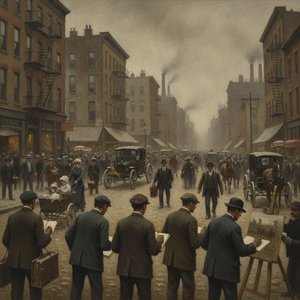
The Ashcan School: Capturing the Raw, Unfiltered Soul of Urban Life through American Realism
Discover the raw beauty of the Ashcan School. Explore how masters like Bellows and Henri captured the gritty, vibrant soul of early 20th-century New York through profound American Realism and evocative urban landscapes.

