실제 크기로 보기
 보내기
보내기 공유하기
공유하기
 상세 보기
상세 보기 가이드 보기

 이미지 다운로드
 유사 작품 더 보기
 X-레이
X-레이 슬라이드 쇼 보기
 Q&A
Q&A 통계 정보
통계 정보Asakusa River:


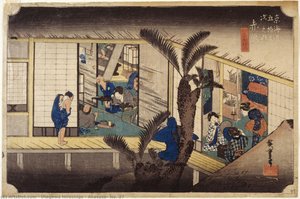
Experience Utagawa Hiroshige's "Asakusa River" – a stunning woodblock print capturing a serene night scene with boats and figures, reflecting Edo Japan’s poetic beauty.
 상세 보기
상세 보기
일본의 마지막 위대한 우키요에 거장, 우타가와 히로시게(1797-1858)를 만나보세요. '도카이도 53차'와 같은 상징적인 풍경화, 그의 시적인 화풍, 그리고 인상주의와 반 고흐에게 미친 깊은 영향을 탐구할 수 있습니다.
지클레 / 아트 프린트
빠른 제작과 다양한 마감 옵션을 선택할 수 있는 박물관 수준의 지클레이 및 캔버스 프린트. ( 수작업 채색 복제본 주문하기 디지털 이미지 판매 채널로 전환)




P118B ₩10

P118H ₩10

P118W ₩10

P438Z ₩10

P508JH ₩12

P508YH ₩12

P805H ₩10

P805Z ₩10

P919BZ ₩10

P919G ₩10

P919XJ ₩10

P959ZH ₩10

P968JZ ₩12

W106C ₩8

W218G ₩10

W218JH ₩8

W218Y ₩10

W307PJ ₩10

W316G ₩10

W316PJ ₩8

W316Y ₩10

W398PJ ₩8

W4111J ₩10

W500HY ₩15

W500JH ₩15

W692G ₩12

W849H ₩8

W940BG ₩15

W953PJ ₩8




표준 규격
맞춤 제작
CM
INCH
작품의 원본 비율을 그대로 유지하는 프리셋 사이즈 중에서 선택해 보세요.
Loading sizes...

가로 너비
높이
액자나 벽면 크기에 맞춰 필요한 가로와 세로 길이를 입력해 주세요. 프린트는 원본 이미지보다 크게 제작할 수 없으며 오직 자르는 것만 가능하므로, 비율이 다른 사이즈를 선택할 경우 이미지의 일부가 잘려 나갈 수 있습니다. 인쇄 작업에 들어가기 전, 최종 확인을 위해 디지털 목업을 보내드립니다. 이 페이지에 표시된 이미지는 실제 잘리는 영역을 나타내지 않으며, 오직 목업을 통해서만 정확한 확인이 가능합니다.


 유리 옵션은 110cm 미만 크기에서만 선택 가능합니다.

Asakusa River:
지클레 / 아트 프린트
복제본 규격
-


총 결제 금액
₩ 93821
The Essence of a Nighttime Journey
Utagawa Hiroshige’s “Asakusa River” isn't merely a depiction of a scene; it’s an immersion into the heart of Edo-era Tokyo. Painted in 1857, during a period of profound transformation for Japan – grappling with Western influence while clinging fiercely to its traditions – this woodblock print captures a fleeting moment of serenity amidst bustling urban life. The image unfolds like a carefully orchestrated memory: a lone boat glides along the Sumida River under a velvet night sky, reflecting the distant glow of lanterns and the subtle shimmer of water. It’s a scene imbued with a quiet melancholy, a poignant awareness of time's passage, characteristic of Hiroshige’s signature style.
Technique and the Art of *Ukiyo-e*
Hiroshige’s mastery lies in his meticulous application of *ukiyo-e*, or “pictures of the floating world.” This technique, perfected over centuries, involved carving intricate designs onto wooden blocks – one block for each color – then painstakingly printing them onto paper. “Asakusa River” exemplifies this process brilliantly. The artist employs a delicate gradation of Prussian blue and grey to render the sky, creating an atmospheric depth that belies the relatively flat surface of the print. Notice how subtle variations in tone suggest movement within the water and the gentle sway of the boat. The use of *nagashi-zuri*, or loose-ink washes, adds a sense of fluidity and spontaneity, mimicking the ephemeral nature of light and shadow. The composition itself is carefully balanced – the boat’s trajectory draws the eye across the scene, while the distant trees and buildings provide grounding elements.
A Window into Edo Life
Asakusa in 1857 was a vibrant hub, a crossroads of commerce, religion, and entertainment. The temple of Sensō-ji, visible faintly in the background, stood as a focal point for pilgrims and locals alike. The river served as a vital artery for trade and transportation, connecting the city to its surrounding regions. Hiroshige’s choice to depict a simple boat journey – a commonplace activity for many Edo residents – elevates it into something profound. It speaks to the everyday rhythms of life, the quiet moments of contemplation amidst the constant flow of urban activity. The inclusion of figures in the boat, though largely obscured, hints at the human element within this landscape.
Symbolism and a Poetic Mood
Beyond its realistic depiction, “Asakusa River” is rich with symbolic meaning. The lone boat can be interpreted as representing the journey of life itself – a solitary voyage through an uncertain world. The river, a recurring motif in Hiroshige’s work, symbolizes both passage and transformation. The muted colors and soft lighting evoke a sense of nostalgia and melancholy, reflecting the artist's awareness of the fleeting nature of beauty and the inevitable decline of traditional Japan. It is a testament to Hiroshige’s ability to capture not just a scene, but an entire mood – a poignant meditation on time, memory, and the enduring spirit of Edo.
Collecting and Displaying This Masterpiece
Reproductions of “Asakusa River” are available in various sizes and mediums, offering collectors a chance to bring this iconic image into their homes. Consider framing it with simple, natural wood to complement the print’s understated elegance. Its calming aesthetic would be particularly well-suited for spaces seeking tranquility – bedrooms, libraries, or meditation rooms. The print's subtle color palette also harmonizes beautifully with a range of interior design styles, from minimalist to traditional Japanese.
질의응답
"Asakusa River:"은(는) 저작권 보호 대상이 아닌가요?
저작권과 관련하여, "Asakusa River:"은(는) 퍼블릭 도메인 - 저작권 보호 기간이 만료되었습니다 상태입니다.
우타가와 히로시게의 "Asakusa River:"은 밝은 분위기의 작품인가요, 아니면 어두운 분위기의 작품인가요?
우타가와 히로시게의 "Asakusa River:"의 밝기는 deep_shadow로 기록되었으며, 휘도는 Soft Shadow입니다.
제작 시기를 고려할 때, "Asakusa River:"은 우타가와 히로시게의 예술적 여정 중 어느 단계에 해당하나요?
1857년에 제작된 "Asakusa River:"은(는) 우타가와 히로시게의 Late Period에 해당합니다.
작가 소개
에도 일본의 시적 비전: 우타가와 히로시게의 삶과 예술
1797년, 활기 넘치는 에도(현 도쿄)에서 안도 도쿠타로라는 이름으로 태어난 우타가와 히로시게는 '우키요에', 즉 '덧없는 세상의 그림'이라 불리는 예술 세계의 중추적인 인물입니다. 일본 목판화의 전통에 깊이 뿌리를 두고 있으면서도, 히로시게는 단순한 재현을 넘어 자신의 풍경화에 시적인 감수성을 불어넣었습니다. 이러한 그의 예술적 성취는 일본 내부뿐만 아니라 훗날 서구 미술계에도 깊은 울림을 주었습니다. 그의 삶은 도쿠가와 막부 치하의 상대적인 평화와 번영 속에서 펼쳐졌으나, 동시에 급격한 사회 변화와 서구화의 물결이 일던 시기이기도 했습니다. 이러한 변화는 결국 우키요에의 쇠퇴를 불러오는 원인이 되었지만, 역설적으로 히로시게가 남긴 불멸의 유산을 더욱 찬란하게 증폭시키는 계기가 되었습니다. 본래 화재 감시관으로 근무하던 아버지의 뒤를 이어 사무라이 가문의 관습적인 길을 걸을 운명이었던 그는, 예술적 갈망에 이끌려 우타가와 학파의 거장인 우타가와 토요히로 밑에서 도제로 입문하게 됩니다. 이는 그의 인생에서 결정적인 전환점이 되었으며, 당시 많은 우키요에 화가들이 선호하던 미인도나 배우 그림에서 벗어나 그가 궁극적으로 재정의하게 될 '풍경화'라는 장르에 집중할 수 있는 토대를 마련해 주었습니다.장르화에서 서정적인 풍경화로
히로로시게의 초기 작품들은 인물 초상이나 일상의 장면을 담아내는 당시 학파의 관습을 따르고 있었습니다. 그러나 그를 진정으로 차별화시킨 것은 바로 풍경을 향한 그의 열정이었습니다. 이미 후지산 36경으로 대중을 사로잡았던 호쿠사이와 같은 선대 거장들의 영향을 받아, 히로시게는 대기 원근법과 섬세한 색채, 그리고 변화하는 계절에 대한 깊은 감수성을 특징으로 하는 독창적인 스타일을 구축했습니다. 그는 단순히 장소를 묘사하는 데 그치지 않고, 그 공간의 분위기를 불러일으키며 특정 순간의 정수를 포착해 냈습니다. 그의 가장 찬란한 업적으로 꼽히는 시리즈인 도카이도 53차(1833–18로34)는 이러한 접근법을 극명하게 보여줍니다. 이 기념비적인 작품은 에도와 교토를 잇는 주요 경로인 도카이도 길의 여정을 단순한 여행기가 아닌, 한 편의 서정적인 삽화처럼 그려냈습니다. 쇼노의 갑작스러운 소나기, 카나야에서 바라본 멀리 보이는 후지산, 오다와라의 북적이는 활기 등 각 판화에는 덧없음과 고요한 아름다움이 깃들어 있어, 관람객으로 하여금 여행자와 함께 길을 걷는 듯한 경험을 선사합니다. 특히 그는 여러 번의 인쇄 과정을 통해 색상의 미묘한 계조를 만들어내는 '보카시' 기법을 숙련되게 사용하여, 작품에 깊이와 대기감을 더했습니다.분위기와 기법의 거장
히로시게의 기술적 역량은 그의 예술적 비전만큼이나 놀라웠습니다. 그는 단순히 정확한 재현에 머물지 않고, 그 장소가 지닌 '느낌'을 포착하고자 했습니다. 동시대 작가들에 비해 색채 사용이 절제된 편이었음에도 불구하고, 이러한 절제미는 효과를 극대화하는 데 결정적인 역할을 했습니다. 그는 하나의 색상을 구현하기 위해 여러 개의 목판을 사용하는 방식을 자주 채택하여, 재현하기 매우 까다로운 미묘한 음영과 대기 효과를 만들어냈습니다. 비나 안개를 묘사할 때 사용된 섬세한 푸른빛의 번짐이나 가을 단풍의 따스한 색조는 결코 우연이 아니었습니다. 이는 특정한 감정과 감각을 불러일람하기 위해 치밀하게 계산된 요소들이었습니다. 또한 히로시게는 일본 미학의 핵심 개념인 '마(여백)'를 활용하는 데에도 능숙했습니다. 판화 속 비어 있는 공간은 작품에 '숨통'을 틔워주며 전체적인 평온함을 심화시켰습니다. 그의 시리즈 에도 명소 100경(1856–1858)은 이러한 거장다운 면모를 다시 한번 입증하며, 그가 사랑했던 도시의 삶과 풍경을 친밀하게 들여다볼 수 있는 창을 제공했습니다.영원한 유산: 자포니즘, 그 너머로 1858년 히로시게의 사후, 메이지 유신과 서구 문화의 유입으로 우키요에 전통은 쇠퇴의 길을 걷기 시작했지만, 미술계에 남긴 그의 영향력은 놀라울 정도로 지속되었습니다. 19세기 후반, 일본의 판화들이 유럽으로 대거 유입되면서 '자포니즘'이라는 현상이 일어났습니다. 에두아르 마네, 클로드 모네, 에드가 드가와 같은 화가들은 우키요에의 대담한 구도, 평면적인 원근법, 그리고 파격적인 색채 체계에 매료되어 이를 자신들의 작품 속에 녹여냈습니다. 특히 빈센트 반 고흐는 히로시데의 판화에 깊이 매료되어 카메이도 매화 정원을 포함한 여러 작품을 유화로 모사하며, 일본 거장이 보여준 색채와 구도에 대한 경외심을 드러냈습니다. 히로시게의 영향력은 회화를 넘어 건축, 디자인, 심지어 문학에까지 뻗어 나갔습니다. 오늘날 우타가와 히로시게는 단순한 천재 화가를 넘어 동양과 서양 사이의 가교 역할을 했던 문화 대사로서 기억되며, 미술사에 지울 수 없는 흔적을 남겼습니다. 그의 평온한 풍경화는 지금도 우리에게 경외감과 명상을 불러일으키며, 자연 세계의 아름다움과 덧없음을 상기시켜 줍니다.
주요 작품
- 도카이도 53차: 에도와 교토 사이의 주요 도로를 따라 이어지는 여정을 담은 히로시게의 가장 유명한 시리즈입니다.
- 에도 명소 100경: 그가 사랑했던 도시의 삶과 풍경을 매혹적으로 그려낸 작품입니다.
- 빈센트 반 고흐의 자포니제리 시리즈에 미친 영향: 후사키 매화나무(히로시게를 따라) 등을 포함하여, 일본 거장에 대한 반 고흐의 깊은 경애를 보여주는 작품들입니다.

우타가와 히로시게
1797 - 1858 , 일본
작가 정보 요약
- Artistic Movement Or Style: 우키요에
- Artists Or Movements Influenced By This Artist:
- 마네
- 모네
- 반 고흐
- 인상주의
- Artists Who Influenced This Artist: ['호쿠사이']
- Date Of Birth: 1797
- Date Of Death: 1858
- Full Name: 우타가와 히로시게
- Nationality: 일본
- Notable Artworks:
- 도카이도 53차
- 에도의 명소 100선
- Place Of Birth: 일본 도쿄
관련 기사

Floating Worlds: The Timeless Elegance and Cultural Magic of Ukiyo-e Art
Embark on a cultural journey through the enchanting world of Ukiyo-e. Discover the history, masters like Hokusai, and the vibrant Edo period aesthetics that continue to inspire art lovers worldwide with their timeless beauty and intricate woodblock craftsmanship.

The Soul of the Carved Line: Discovering the Timeless Magic of Japanese Woodblock Prints
Embark on a cultural journey through the delicate beauty of Japanese woodblock prints. Explore the mastery of Ukiyo-e, from Hokusai's dramatic lines to Obata's serene designs, and discover the enduring soul of this timeless art form for the discerning collector.
테마, 스타일, 특징별로 큐레이션된 작품들을 만나보세요.