실제 크기로 보기
 보내기
보내기 공유하기
공유하기
 상세 보기
상세 보기 가이드 보기

 이미지 다운로드
 유사 작품 더 보기
 X-레이
X-레이 슬라이드 쇼 보기
 통계 정보
통계 정보Hakone


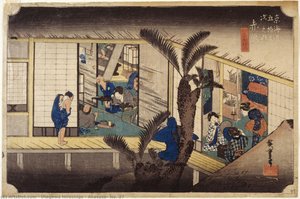
Hiroshige's "Hakone" captures the serene beauty of Japan's landscape with snow-capped mountains, tranquil waters, and a solitary figure admiring the view – a timeless woodblock print.
 상세 보기
상세 보기
일본의 마지막 위대한 우키요에 거장, 우타가와 히로시게(1797-1858)를 만나보세요. '도카이도 53차'와 같은 상징적인 풍경화, 그의 시적인 화풍, 그리고 인상주의와 반 고흐에게 미친 깊은 영향을 탐구할 수 있습니다.
지클레 / 아트 프린트
빠른 제작과 다양한 마감 옵션을 선택할 수 있는 박물관 수준의 지클레이 및 캔버스 프린트. ( 수작업 채색 복제본 주문하기 디지털 이미지 판매 채널로 전환)




P118B ₩10

P118H ₩10

P118W ₩10

P438Z ₩10

P508JH ₩12

P508YH ₩12

P805H ₩10

P805Z ₩10

P919BZ ₩10

P919G ₩10

P919XJ ₩10

P959ZH ₩10

P968JZ ₩12

W106C ₩8

W218G ₩10

W218JH ₩8

W218Y ₩10

W307PJ ₩10

W316G ₩10

W316PJ ₩8

W316Y ₩10

W398PJ ₩8

W4111J ₩10

W500HY ₩15

W500JH ₩15

W692G ₩12

W849H ₩8

W940BG ₩15

W953PJ ₩8




표준 규격
맞춤 제작
CM
INCH
작품의 원본 비율을 그대로 유지하는 프리셋 사이즈 중에서 선택해 보세요.
Loading sizes...

가로 너비
높이
특정 프레임이나 공간에 맞춰 직접 치수를 입력하실 수 있습니다. 선택하신 사이즈가 원본 이미지의 비율과 일치하지 않을 경우, 작품을 크롭(자르기)하거나 이미지를 대칭 또는 단색 채우기로 확장하여 제작합니다. 제작 시작 전, 최종 확인을 위해 디지털 목업이 전송됩니다.
화면상의 미리보기는 실제 크롭이나 확장 상태를 반영하지 않으므로, 최종 구도는 오직 목업을 통해서만 정확하게 확인하실 수 있습니다.
맞춤 사이즈 제작도 가능하지만, 원본 비율을 유지하기 위해서는 사전 정의된 목록에서 치수를 선택하시는 것을 권장합니다.


 유리 옵션은 110cm 미만 크기에서만 선택 가능합니다.

Hakone
지클레 / 아트 프린트
복제본 규격
-


총 결제 금액
₩ 95075
A Glimpse of Tranquility: Utagawa Hiroshige's "Hakone"
Utagawa Hiroshige’s “Hakone,” created in 1834, is more than just a landscape; it's a poetic meditation on the beauty and transience of nature within Edo-period Japan. This woodblock print, part of his renowned series "The Fifty-three Stations of the Tōkaidō," captures a specific moment along the vital trade route connecting Tokyo (then Edo) with Kyoto. However, Hiroshige elevates this seemingly simple depiction of a mountain pass into something profoundly evocative, inviting viewers to share in the quiet contemplation of a traveler pausing amidst breathtaking scenery.
The Artist and His Vision
Hiroshige (1797-1858), considered the last great master of *ukiyo-e*, possessed an unparalleled ability to translate the essence of a place onto paper. Born in Tokyo, his early life was steeped in samurai tradition before he embraced art under Utagawa Toyohiro. Hiroshige’s genius lay not merely in replicating what he saw but in imbuing it with emotion and atmosphere. He moved beyond the typical *ukiyo-e* focus on portraits of actors or courtesans, choosing instead to celebrate the natural world—the mountains, rivers, and roads that shaped Japanese life. His travels along the Tōkaidō provided him with a wealth of inspiration, allowing him to meticulously document the changing landscapes and capture the spirit of each station.
A Composition of Harmony: Technique and Symbolism
“Hakone” exemplifies Hiroshige’s masterful technique in woodblock printing. The print showcases a layered approach, using multiple blocks for different colors and tones to create depth and nuance. Notice how the snow-capped peaks recede into the distance, rendered with subtle gradations of blue and grey that convey atmospheric perspective. The trees, scattered across the hillside, are not merely decorative elements but contribute to the overall sense of scale and tranquility. The body of water reflects the sky, creating a mirror image that doubles the beauty of the scene. A lone figure stands near the center, seemingly absorbed in the grandeur before them—a silent participant in this serene vista. This inclusion is significant; it humanizes the landscape, reminding us of our place within nature's vastness and inviting viewers to imagine themselves experiencing this moment firsthand.
Historical Context and Enduring Legacy
The Tōkaidō was a vital artery for commerce and communication in Edo-period Japan. Hiroshige’s series documenting its stations served not only as visual guides for travelers but also as celebrations of the nation's geography and culture. “Hakone,” with its challenging terrain and stunning views, represents a moment of respite along this arduous journey. The print reflects a broader cultural appreciation for nature in Edo Japan, where landscapes were increasingly valued for their aesthetic qualities. Hiroshige’s work had a profound impact on Western art, particularly influencing the Impressionist movement. Artists like Monet and Van Gogh drew inspiration from his compositions and color palettes, recognizing the power of capturing fleeting moments of beauty.
An Invitation to Contemplation
“Hakone” is more than just a beautiful image; it’s an invitation to pause, reflect, and appreciate the simple wonders of the natural world. The print's quiet elegance and subtle details create a sense of peace and tranquility that transcends time and culture. Whether you are an art enthusiast, a collector seeking a piece of Japanese heritage, or simply someone looking for a calming presence in your home, Hiroshige’s “Hakone” offers a timeless glimpse into the beauty of Edo-period Japan.
작가 소개
에도 일본의 시적 비전: 우타가와 히로시게의 삶과 예술
1797년, 활기 넘치는 에도(현 도쿄)에서 안도 도쿠타로라는 이름으로 태어난 우타가와 히로시게는 '우키요에', 즉 '덧없는 세상의 그림'이라 불리는 예술 세계의 중추적인 인물입니다. 일본 목판화의 전통에 깊이 뿌리를 두고 있으면서도, 히로시게는 단순한 재현을 넘어 자신의 풍경화에 시적인 감수성을 불어넣었습니다. 이러한 그의 예술적 성취는 일본 내부뿐만 아니라 훗날 서구 미술계에도 깊은 울림을 주었습니다. 그의 삶은 도쿠가와 막부 치하의 상대적인 평화와 번영 속에서 펼쳐졌으나, 동시에 급격한 사회 변화와 서구화의 물결이 일던 시기이기도 했습니다. 이러한 변화는 결국 우키요에의 쇠퇴를 불러오는 원인이 되었지만, 역설적으로 히로시게가 남긴 불멸의 유산을 더욱 찬란하게 증폭시키는 계기가 되었습니다. 본래 화재 감시관으로 근무하던 아버지의 뒤를 이어 사무라이 가문의 관습적인 길을 걸을 운명이었던 그는, 예술적 갈망에 이끌려 우타가와 학파의 거장인 우타가와 토요히로 밑에서 도제로 입문하게 됩니다. 이는 그의 인생에서 결정적인 전환점이 되었으며, 당시 많은 우키요에 화가들이 선호하던 미인도나 배우 그림에서 벗어나 그가 궁극적으로 재정의하게 될 '풍경화'라는 장르에 집중할 수 있는 토대를 마련해 주었습니다.장르화에서 서정적인 풍경화로
히로로시게의 초기 작품들은 인물 초상이나 일상의 장면을 담아내는 당시 학파의 관습을 따르고 있었습니다. 그러나 그를 진정으로 차별화시킨 것은 바로 풍경을 향한 그의 열정이었습니다. 이미 후지산 36경으로 대중을 사로잡았던 호쿠사이와 같은 선대 거장들의 영향을 받아, 히로시게는 대기 원근법과 섬세한 색채, 그리고 변화하는 계절에 대한 깊은 감수성을 특징으로 하는 독창적인 스타일을 구축했습니다. 그는 단순히 장소를 묘사하는 데 그치지 않고, 그 공간의 분위기를 불러일으키며 특정 순간의 정수를 포착해 냈습니다. 그의 가장 찬란한 업적으로 꼽히는 시리즈인 도카이도 53차(1833–18로34)는 이러한 접근법을 극명하게 보여줍니다. 이 기념비적인 작품은 에도와 교토를 잇는 주요 경로인 도카이도 길의 여정을 단순한 여행기가 아닌, 한 편의 서정적인 삽화처럼 그려냈습니다. 쇼노의 갑작스러운 소나기, 카나야에서 바라본 멀리 보이는 후지산, 오다와라의 북적이는 활기 등 각 판화에는 덧없음과 고요한 아름다움이 깃들어 있어, 관람객으로 하여금 여행자와 함께 길을 걷는 듯한 경험을 선사합니다. 특히 그는 여러 번의 인쇄 과정을 통해 색상의 미묘한 계조를 만들어내는 '보카시' 기법을 숙련되게 사용하여, 작품에 깊이와 대기감을 더했습니다.분위기와 기법의 거장
히로시게의 기술적 역량은 그의 예술적 비전만큼이나 놀라웠습니다. 그는 단순히 정확한 재현에 머물지 않고, 그 장소가 지닌 '느낌'을 포착하고자 했습니다. 동시대 작가들에 비해 색채 사용이 절제된 편이었음에도 불구하고, 이러한 절제미는 효과를 극대화하는 데 결정적인 역할을 했습니다. 그는 하나의 색상을 구현하기 위해 여러 개의 목판을 사용하는 방식을 자주 채택하여, 재현하기 매우 까다로운 미묘한 음영과 대기 효과를 만들어냈습니다. 비나 안개를 묘사할 때 사용된 섬세한 푸른빛의 번짐이나 가을 단풍의 따스한 색조는 결코 우연이 아니었습니다. 이는 특정한 감정과 감각을 불러일람하기 위해 치밀하게 계산된 요소들이었습니다. 또한 히로시게는 일본 미학의 핵심 개념인 '마(여백)'를 활용하는 데에도 능숙했습니다. 판화 속 비어 있는 공간은 작품에 '숨통'을 틔워주며 전체적인 평온함을 심화시켰습니다. 그의 시리즈 에도 명소 100경(1856–1858)은 이러한 거장다운 면모를 다시 한번 입증하며, 그가 사랑했던 도시의 삶과 풍경을 친밀하게 들여다볼 수 있는 창을 제공했습니다.영원한 유산: 자포니즘, 그 너머로 1858년 히로시게의 사후, 메이지 유신과 서구 문화의 유입으로 우키요에 전통은 쇠퇴의 길을 걷기 시작했지만, 미술계에 남긴 그의 영향력은 놀라울 정도로 지속되었습니다. 19세기 후반, 일본의 판화들이 유럽으로 대거 유입되면서 '자포니즘'이라는 현상이 일어났습니다. 에두아르 마네, 클로드 모네, 에드가 드가와 같은 화가들은 우키요에의 대담한 구도, 평면적인 원근법, 그리고 파격적인 색채 체계에 매료되어 이를 자신들의 작품 속에 녹여냈습니다. 특히 빈센트 반 고흐는 히로시데의 판화에 깊이 매료되어 카메이도 매화 정원을 포함한 여러 작품을 유화로 모사하며, 일본 거장이 보여준 색채와 구도에 대한 경외심을 드러냈습니다. 히로시게의 영향력은 회화를 넘어 건축, 디자인, 심지어 문학에까지 뻗어 나갔습니다. 오늘날 우타가와 히로시게는 단순한 천재 화가를 넘어 동양과 서양 사이의 가교 역할을 했던 문화 대사로서 기억되며, 미술사에 지울 수 없는 흔적을 남겼습니다. 그의 평온한 풍경화는 지금도 우리에게 경외감과 명상을 불러일으키며, 자연 세계의 아름다움과 덧없음을 상기시켜 줍니다.
주요 작품
- 도카이도 53차: 에도와 교토 사이의 주요 도로를 따라 이어지는 여정을 담은 히로시게의 가장 유명한 시리즈입니다.
- 에도 명소 100경: 그가 사랑했던 도시의 삶과 풍경을 매혹적으로 그려낸 작품입니다.
- 빈센트 반 고흐의 자포니제리 시리즈에 미친 영향: 후사키 매화나무(히로시게를 따라) 등을 포함하여, 일본 거장에 대한 반 고흐의 깊은 경애를 보여주는 작품들입니다.

우타가와 히로시게
1797 - 1858 , 일본
작가 정보 요약
- Artistic Movement Or Style: 우키요에
- Artists Or Movements Influenced By This Artist:
- 마네
- 모네
- 반 고흐
- 인상주의
- Artists Who Influenced This Artist: ['호쿠사이']
- Date Of Birth: 1797
- Date Of Death: 1858
- Full Name: 우타가와 히로시게
- Nationality: 일본
- Notable Artworks:
- 도카이도 53차
- 에도의 명소 100선
- Place Of Birth: 일본 도쿄
관련 기사

The Soul of the Carved Line: Discovering the Timeless Magic of Japanese Woodblock Prints
Embark on a cultural journey through the delicate beauty of Japanese woodblock prints. Explore the mastery of Ukiyo-e, from Hokusai's dramatic lines to Obata's serene designs, and discover the enduring soul of this timeless art form for the discerning collector.

Floating Worlds: The Timeless Elegance and Cultural Magic of Ukiyo-e Art
Embark on a cultural journey through the enchanting world of Ukiyo-e. Discover the history, masters like Hokusai, and the vibrant Edo period aesthetics that continue to inspire art lovers worldwide with their timeless beauty and intricate woodblock craftsmanship.
테마, 스타일, 특징별로 큐레이션된 작품들을 만나보세요.