


 실제 크기로 보기
 보내기
보내기 공유하기
공유하기
 상세 보기
상세 보기 가이드 보기

 이미지 다운로드
 유사 작품 더 보기
 X-레이
X-레이 슬라이드 쇼 보기
 통계 정보
통계 정보Etang

Discover "Etang" by Valentine Reyre – a serene Impressionistic landscape painting of water & foliage. Explore this beautiful oil on canvas piece, capturing tranquility & atmospheric beauty.
Discover Valentine Reyre’s charming portraits & scenes from 19th-century Spain. Explore his evocative paintings of daily life & family at the Museo de Huesca.
 상세 보기
상세 보기
핸드메이드 유화 복제화
작가가 직접 캔버스에 손으로 그린 유화 작품으로, 원하는 크기와 액자로 맞춤 제작해 드립니다. ( 프린트 판매로 전환 디지털 이미지 판매 채널로 전환)




































표준 규격
맞춤 제작
CM
INCH
작품의 원본 비율을 그대로 유지하는 프리셋 사이즈 중에서 선택해 보세요.
Loading sizes...

가로 너비
높이
액자나 벽면 크기에 맞춰 필요한 가로와 세로 길이를 입력해 주세요. 본 작품은 수작업으로 제작되므로, 요청하신 비율에 따라 작가가 그림의 가장자리를 조금 더 넓게 그리거나 일부를 조정하여 작업할 수 있습니다. 작업 시작 전, 최종 확인을 위해 디지털 목업 이미지를 보내드립니다. 이 페이지에 표시된 이미지는 실제 결과물과 다를 수 있으며, 오직 목업 이미지만이 정확한 결과물을 보여줍니다.
변경 가능한 예시: 얼굴을 고객님의 사진으로 교체, 반려동물 추가(예: 고양이를 강아지로 변경), 배경에 숨겨진 메시지 삽입, 배경 풍경 또는 요소 변경 등
주문 완료 후 TopImpressionists.com 팀에서 상세 안내를 위해 고객님께 이메일을 보내드리며, 미리보기 시안을 함께 제공해 드립니다.
주문 완료 후 TopImpressionists.com 팀에서 상세 안내를 위해 고객님께 이메일을 보내드리며, 미리보기 시안을 함께 제공해 드립니다.


 유리 옵션은 110cm 미만 크기에서만 선택 가능합니다.

Etang
재현 매체
복제본 규격
-


총 결제 금액
₩ 365046
관련 작품들


작가 소개
A Quiet Voice Amidst Spanish Romanticism
Valentine Reyre, born Marie Louise Dubois in Paris in 1889, emerged from the vibrant Parisian artistic milieu of the late 19th century as a painter whose work would quietly document the everyday life and familial bonds of rural Spain. While many of her contemporaries sought the spotlight through grand historical narratives or fame-seeking spectacles, Reyre dedicated her creative spirit to capturing the subtle beauty of provincial landscapes and intimate portraits. Her art serves as a profound testament to an unwavering commitment to portraying the authentic human experience, finding extraordinary meaning in the seemingly ordinary moments of life.
Her journey began with a rigorous formal education at the prestigious École Supérieure des Beaux-Arts. It was within these academic halls that she honed her mastery of drawing and painting under the guidance of influential instructors, establishing a technical foundation that would support her later stylistic explorations. However, the true catalyst for her artistic evolution lay far beyond the classroom; it was found in her deep fascination with Spanish culture and traditions. Through extensive travels throughout Andalusia and Castile, Reyre developed a profound connection to the Spanish landscape, a passion that would become the heartbeat of her entire oeuvre.
The Intersection of Impressionism and Romanticism
Reyre’s distinctive aesthetic is a masterful blend of Romanticism infused with Impressionistic techniques. She possessed a rare ability to bridge two worlds, skillfully utilizing loose, expressive brushstrokes characteristic of the Impressionist movement while maintaining the meticulous observation and emotional depth central to Romantic painting. This duality allowed her canvases to convey both an atmospheric grandeur and an intimate, emotional resonance that draws the viewer into her painted worlds.
Her technical approach often favored a textured, impasto-like application of oil paint, particularly evident in works such as “Forêt sous un ciel bleu, rouge et gris”. In such pieces, the visible brushwork and emphasis on color over precise detail create a tactile quality that captures the ephemeral nature of light and mood. Her palette frequently leaned toward muted tones, reflecting the subdued and soulful beauty of the Spanish countryside, yet she was never afraid to punctuate these soft hues with vibrant accents of pink, orange, or green to evoke the shifting light of dawn or twilight.
Legacy of Honesty and Intimacy
Beyond her technical prowess, Reyre’s historical significance lies in her unflinching honesty. Unlike many artists of her era who sought to idealize their subjects, Reyre presented her portraits with a remarkable psychological depth. She captured subtle expressions and the quiet nuances of human emotion, revealing a profound understanding of the people she painted. Her work often centered on themes of:
- Domestic Tranquility: Capturing fleeting moments of peace within family life and rural settings.
- The Natural World: Exploring the sublime power of landscapes through the lens of light and atmosphere.
- Human Connection: Documenting the companionship and social bonds found in provincial life, as seen in works like “Femme assise avec son chien dans un pré.”
With an oeuvre comprising approximately 150 paintings, Valentine Reyre remains a vital figure for those seeking to understand the intersection of French training and Spanish soul. Her legacy lives on through her evocative depictions of daily life, preserved in collections such as the Museo de Huesca, where her paintings continue to offer a window into a vanished era of quiet, beautiful simplicity.

Valentine Reyre
1889 - 1943
작가 정보 요약
- Full Name: Valentine Reyre
- Nationality: French
- Date Of Birth: 1889
- Date Of Death: 1943
- Place Of Birth: Paris, France
- Notable Artworks:
- The Shepherdess
- Still Life with Fruit
- Artistic Movement Or Style: Romanticism Spain
- Artists Who Influenced This Artist:
- Gustave Courbet
- Jean-François Millet
- Artists Or Movements Influenced By This Artist: ['Impressionism']
관련 기사

Nature’s Dramatic Pulse: Capturing the Ethereal Beauty of Fire and Floods in Impressionist Art
Immerse yourself in the breathtaking drama of nature through an Impressionist lens. Discover how masters like Monet captured the ephemeral beauty of fire and flood. At TopImpressionists.com, we offer exquisite hand-painted reproductions and expert consultations for the discerning collector.
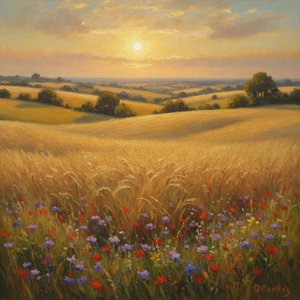
Golden Fields & Sun-Drenched Meadows: Capturing the Soul of Impressionist Landscapes
Immerse yourself in the luminous world of Impressionist landscapes. Discover how masters like Monet and Gauguin captured ephemeral light through plein air painting, and learn to bring the soul of sun-drenched meadows into your home with exquisite, hand-painted oil reproductions.

Capturing the Soul: The Most Emotionally Moving Impressionist and Post-Impressionist Masterpieces
Discover the profound emotional depth of Impressionist and Post-Impressionist masterpieces. Explore how legends like Monet, Van Gogh, and Gauguin captured light and soul through evocative landscapes and vibrant brushwork for a timeless connection to art history.

Liquid Light & Eternal Calm: Exploring the Ethereal Beauty of Water in Impressionist Masterpieces
Immerse yourself in the ethereal beauty of Impressionist waterscapes. Explore the luminous mastery of Monet through our exquisite, hand-painted oil reproductions and bespoke commissions. Discover museum-quality elegance for your sanctuary at TopImpressionists.com.

The Beauty of Impermanence: Capturing Decay through Impressionist Eyes
Explore the profound beauty of impermanence through Impressionist and Post-Impressionist eyes. Discover how masters like Monet and Van Gogh captured fleeting light and the poetic essence of nature's transitions in our deep dive into art history and emotional landscapes.