
작품의 원본 비율을 유지하는 미리 설정된 크기 중에서 선택하세요.

특정 프레임이나 공간에 맞도록 직접 크기를 입력할 수 있습니다. 선택하신 크기가 원본 이미지의 비율과 일치하지 않는 경우, 작품을 자르거나 추가적인 손으로 그린 요소를 사용하여 그림을 확장합니다. 제작 시작 전 승인을 위해 디지털 목업을 보내드립니다.
화면 미리 보기는 실제 자르기 또는 확장을 반영하지 않습니다. 최종 구성은 목업을 통해서만 정확하게 확인하실 수 있습니다.
맞춤 크기 제작도 가능하지만, 원본 비율을 유지하기 위해 사전 정의된 목록에서 크기를 선택하시는 것을 권장합니다.

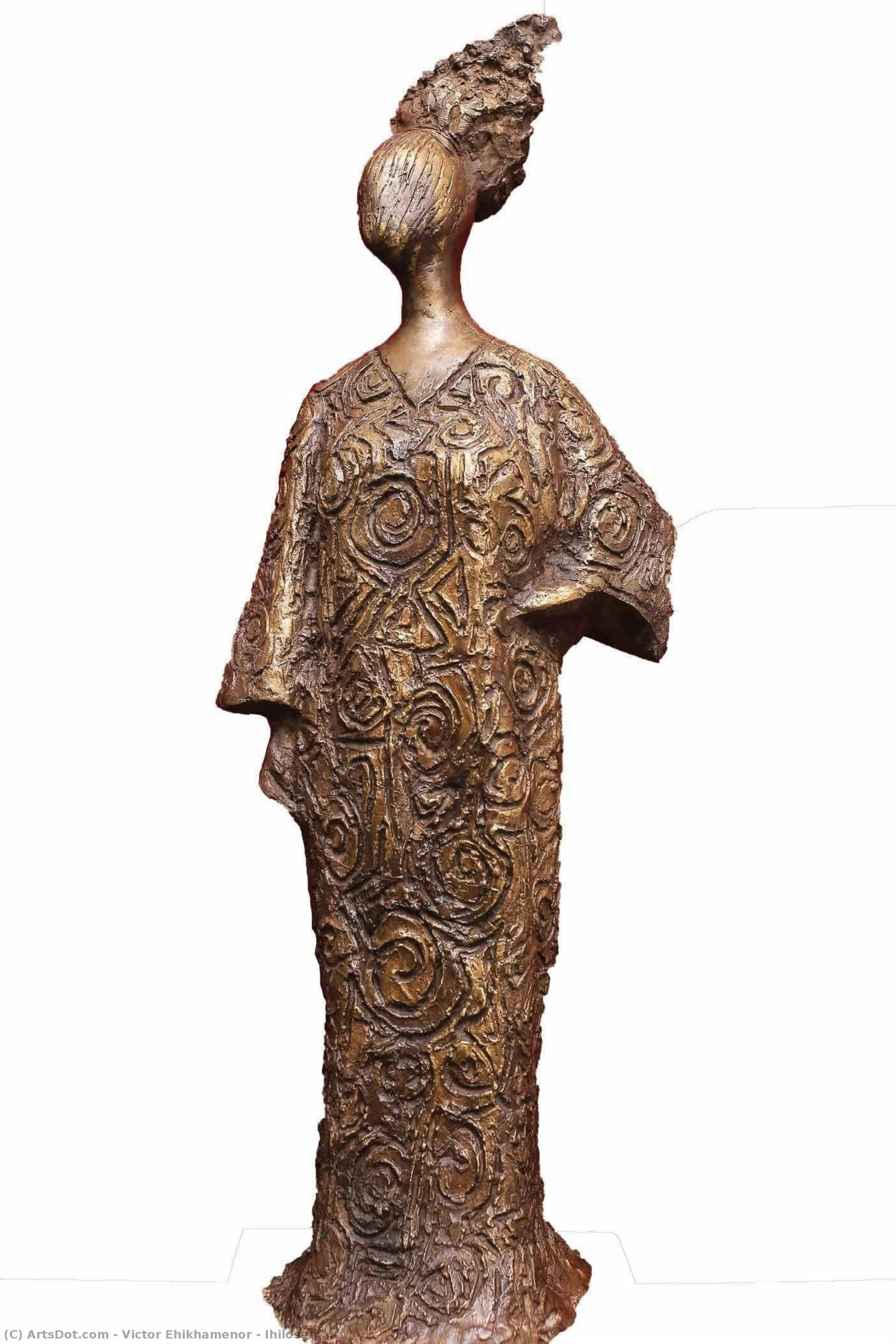
Ihilosen
복제본 크기

Born in Cambridge, England, in 1970, Jenny Saville’s work has irrevocably shifted our gaze towards the female form, challenging conventional notions of beauty and demanding a visceral engagement with the realities of the body. Initially emerging as one of the pivotal Young British Artists (YBAs) alongside figures like Damien Hirst and Tracey Emin, Saville quickly distinguished herself through her intensely personal and often unsettling depictions of women – not idealized goddesses, but powerfully rendered subjects grappling with their own physicality, anxieties, and experiences.
Saville’s artistic journey began with a deliberate rejection of the conceptual and neo-conceptual trends prevalent within the YBA movement. While her contemporaries embraced multimedia installations and provocative shock tactics, Saville returned to the fundamental tools of painting – oil on canvas – dedicating herself to meticulously rendered figurative works. Her canvases are dominated by colossal, fleshy figures, often presented in close-up, revealing every imperfection, scar, and ripple of skin. This commitment to direct representation, combined with a masterful understanding of color, light, and texture, creates an immediate and profoundly affecting impact on the viewer.
Influences on Saville’s work are diverse and layered. She cites Renaissance masters like Rubens for her technical skill and ability to convey volume and weight, yet she simultaneously draws upon the abstraction of Cubism and the sensuality of Baroque painting. Elements of Abstract Expressionism also permeate her style, particularly in the loose brushwork and expressive use of color. Furthermore, Saville’s work engages with contemporary issues surrounding gender, obesity, and societal pressures to conform to unrealistic beauty standards. Her paintings are not simply portraits; they are explorations of how we perceive our own bodies and how those perceptions are shaped by external forces.
Saville’s breakthrough came with a series of large-scale paintings, often referred to as her "meat paintings," beginning in the late 1990s. These works – including *Provocations* (1997), *Girl* (1998), and *Back* (2001) – caused considerable controversy upon their exhibition. Critics initially reacted with shock and discomfort, questioning the artist’s motives and accusing her of exploiting female bodies. However, as Saville continued to produce these powerful images, a deeper understanding of their significance began to emerge.
The “meat paintings” are not intended to be overtly sexual or exploitative. Instead, they represent a deliberate confrontation with the often-overlooked realities of the female body – its weight, its texture, its imperfections. Saville’s subjects are presented without apology, stripped bare of any idealized veneer. She forces viewers to confront their own biases and assumptions about beauty, prompting a critical examination of how we judge and value women's bodies.
Jenny Saville has rapidly established herself as one of the most important contemporary painters working today. Her work is exhibited in prestigious galleries around the world, including Gagosian Gallery, which represents her internationally. She has mounted solo exhibitions at renowned institutions such as the Museo di Palazzo Vecchio in Venice, the Scottish National Gallery in Edinburgh, and the Norton Museum of Art in Florida.
Her paintings are highly sought after by public collections, with significant works held by institutions like The Broad in Los Angeles, the George Economou Collections in Athens, the Metropolitan Museum of Art in New York, and numerous other museums across Europe and North America. This widespread recognition underscores the enduring impact and critical acclaim of her artistic vision.
Saville’s oeuvre extends beyond her iconic “meat paintings.” She continues to explore themes related to the body, identity, and social perception through a diverse range of subjects and approaches. Her work often incorporates elements of photography, utilizing close-up details and carefully constructed compositions to create a sense of immediacy and intimacy. She frequently addresses issues surrounding gender binary, obesity, and the pressures faced by women in contemporary society.
Furthermore, Saville’s paintings are not simply about the female form; they are also meditations on memory, experience, and the passage of time. Her subjects often appear vulnerable and exposed, inviting viewers to contemplate their own lives and relationships. Through her unflinching honesty and technical mastery, Jenny Saville has created a body of work that is both profoundly moving and intellectually stimulating – a testament to the power of painting to confront difficult truths and challenge conventional perspectives.

1970 - , Nigeria


최신 미술 뉴스, 특별 혜택 및 인테리어 아이디어를 가장 먼저 만나보세요.
프로젝트에 대해 알려주시면 저희 미술 전문가들이 맞춤형 아트 제안 3가지를 전달해 드립니다.
당신만을 위한 맞춤형 옵션 3가지를 무료로 추천해 드립니다!

 미리보기
미리보기
 프린트 구매
 공유하기
공유하기 공유하기
공유하기
 상세 정보
상세 정보

 다운로드
다운로드
 유사 작품
유사 작품 X-레이
X-레이 슬라이드 쇼

 더 보기
더 보기






































 유리 옵션은 110cm 미만 크기에서만 선택 가능합니다.


