


 미리보기
미리보기
 공유하기
공유하기 공유하기
공유하기
 상세 정보
상세 정보 가이드 보기

 다운로드
다운로드
 유사 작품
유사 작품 X-레이
X-레이 슬라이드 쇼
 통계 정보
통계 정보Cliff
 Impressionism
 1872
1872 17.0 x 25.0 cm
Discover Vincenzo Cabianca’s ‘Cliff’ (1872) – an evocative impressionistic oil painting of a coastal scene. Explore its loose brushwork, earthy tones & solitary figure. A unique piece for art collectors.
Explore the macchiaioli paintings of Vincenzo Cabianca – Italian landscapes & portraits capturing sunlight's effects. Discover his unique realism & influence.
 더 보기
더 보기
수제 유화 복제품
원하는 크기와 액자로 주문 제작되는, 작가들이 직접 캔버스에 손으로 그린 유화 작품입니다. ( 프린트 판매로 전환 디지털 이미지로 전환)




































표준 규격
맞춤형
CM
INCH
작품의 원본 비율을 유지하는 미리 설정된 크기 중에서 선택하세요.
Loading sizes...

가로 너비
세로 길이
특정 프레임이나 공간에 맞도록 직접 크기를 입력할 수 있습니다. 선택하신 크기가 원본 이미지의 비율과 일치하지 않는 경우, 작품을 자르거나 추가적인 손으로 그린 요소를 사용하여 그림을 확장합니다. 제작 시작 전 승인을 위해 디지털 목업을 보내드립니다.
화면 미리 보기는 실제 자르기 또는 확장을 반영하지 않습니다. 최종 구성은 목업을 통해서만 정확하게 확인하실 수 있습니다.
맞춤 크기 제작도 가능하지만, 원본 비율을 유지하기 위해 사전 정의된 목록에서 크기를 선택하시는 것을 권장합니다.
변경 가능한 예시: 얼굴을 고객의 사진으로 교체, 반려동물 추가(예: 고양이를 강아지로 변경), 배경에 숨겨진 메시지 삽입, 배경 풍경 또는 요소 변경 등
주문 후 TopImpressionists.com 팀에서 상세 안내를 위해 고객님께 이메일을 보내드리며, 미리보기 시안을 제공해 드립니다.
주문 후 TopImpressionists.com 팀에서 상세 안내를 위해 고객님께 이메일을 보내드리며, 미리보기 시안을 제공해 드립니다.


 유리 옵션은 110cm 미만 크기에서만 선택 가능합니다.

Cliff
재현 기법
복제본 크기
-


최종 결제 금액
$ 269
유사한 작품들


작가 약력
William Blake: A Visionary Poet and Artist
William Blake (1757–1827) remains one of the most enigmatic and profoundly influential figures in Western art and literature. Born into a modest family in London, his life was marked by both artistic brilliance and periods of perceived instability – a duality that deeply informed his work. More than simply a poet or painter, Blake envisioned himself as a “prophet,” channeling divine inspiration to create a unique body of illuminated books and prints that challenged conventional notions of beauty, morality, and the very nature of reality. His art wasn’t merely decorative; it was a complex system of symbolic language designed to unlock spiritual truths.
Blake's early artistic training began at the drawing academy of Henry Pars, followed by an apprenticeship with the commercial engraver James Basire. This conventional foundation provided him with essential technical skills, but Blake quickly sought to transcend mere craftsmanship. He yearned for a form of art that combined poetic expression with visual power – a vision he ultimately realized through his revolutionary “relief etching” technique. This method, developed after the tragic death of his younger brother Robert in 1784, allowed him to create both text and image simultaneously on a single copper plate, granting him unprecedented control over every aspect of the creative process. This innovation fundamentally altered the relationship between poetry and visual art, establishing Blake as a pioneer in their integration.
The Illuminated Books: A Poetic Universe
Blake’s most significant contribution lies in his “illuminated books”—a series of hand-printed volumes that combined verse with intricate engravings. These weren't simply illustrated poems; they were complete works of art, each sheet meticulously designed and executed by Blake himself. Titles like *Songs of Innocence and of Experience*, *The Marriage of Heaven and Hell*, *The Book of Prophecies*, and *Jerusalem* represent a vast and complex exploration of spiritual themes, social critique, and the human condition.
*Songs of Innocence and of Experience* is perhaps his most famous collection, divided into two parts that explore contrasting perspectives on childhood, morality, and societal structures. The “Innocence” poems depict a world of joyful simplicity and natural harmony, while the “Experience” poems expose the darker realities of human suffering, injustice, and corruption. Blake’s use of symbolism is extraordinarily rich; seemingly simple images—a lamb, a tiger, a tree—carry layers of meaning that invite repeated interpretation. His work was deeply influenced by his religious beliefs, particularly his interest in the mystical teachings of Emanuel Swedenborg, which informed his vision of a divine realm accessible through imagination and intuition.
The Pre-Raphaelite Connection & Artistic Style
While often categorized as a Romantic artist, Blake’s work predates many of the defining characteristics of the Romantic movement. He is frequently considered a “Pre-Romantic,” anticipating key themes and stylistic innovations that would later emerge in the 1850s with the formation of the Pre-Raphaelite Brotherhood. Blake shared with these artists a rejection of academic conventions and a fascination with medieval art, folklore, and mythology. His prints, particularly his large color works—*The Liberty*, *The Vision of Reason in Nightmare*, and *The Garden of Forking Paths*—display a bold use of color, dynamic composition, and an intensely expressive style.
Blake’s artistic style is characterized by its dreamlike quality, symbolic imagery, and often unsettling juxtapositions. He frequently employed techniques borrowed from medieval manuscript illumination, incorporating intricate borders, decorative patterns, and vibrant colors into his prints. His figures are often rendered with a sense of ethereal beauty and otherworldly grace, reflecting his belief in the power of imagination to transcend the limitations of the material world. His use of light and shadow creates dramatic effects, emphasizing the emotional intensity of his subjects.
Legacy and Historical Significance
During his lifetime, Blake was largely misunderstood and dismissed as a madman. His unconventional ideas and eccentric behavior alienated him from the mainstream art establishment, and his work received little critical attention until the late 19th century. However, in the 20th century, Blake’s visionary poetry and prints were rediscovered by a new generation of critics and artists, including T.S. Eliot, W.B. Yeats, and Ezra Pound. These figures recognized the profound originality and spiritual depth of his work, elevating him to the status of a major literary and artistic genius.
Today, William Blake is celebrated as one of the most important figures in Western art history. His innovative techniques, symbolic language, and exploration of universal themes continue to inspire artists, writers, and thinkers across diverse fields. His work serves as a powerful reminder of the transformative potential of imagination and the enduring relevance of spiritual seeking. The Metropolitan Museum of Art’s extensive collection of Blake's works offers a unique opportunity for viewers to engage with this extraordinary artist’s visionary universe.

vincenzo cabianca
1827 - 1902 , Italy
주요 정보
- Artistic Movement Or Style: Romanticism, Pre-Raphaelite
- Artists Or Movements Influenced By This Artist:
- Frye
- Romantic poetry
- Artists Who Influenced This Artist:
- Raphael
- Michelangelo
- Dürer
- Delacroix
- Swedenborg
- Date Of Birth: November 28, 1757
- Date Of Death: August 12, 1827
- Full Name: William Blake
- Nationality: British
- Notable Artworks:
- Songs of Innocence
- Songs of Experience
- The Marriage of Heaven and Hell
- Jerusalem
- Place Of Birth: London, England
관련 기사 더 보기

Capturing the Soul: The Most Emotionally Moving Impressionist and Post-Impressionist Masterpieces
Discover the profound emotional depth of Impressionist and Post-Impressionist masterpieces. Explore how legends like Monet, Van Gogh, and Gauguin captured light and soul through evocative landscapes and vibrant brushwork for a timeless connection to art history.
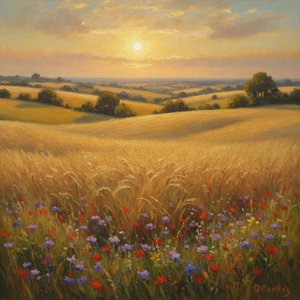
Golden Fields & Sun-Drenched Meadows: Capturing the Soul of Impressionist Landscapes
Immerse yourself in the luminous world of Impressionist landscapes. Discover how masters like Monet and Gauguin captured ephemeral light through plein air painting, and learn to bring the soul of sun-drenched meadows into your home with exquisite, hand-painted oil reproductions.
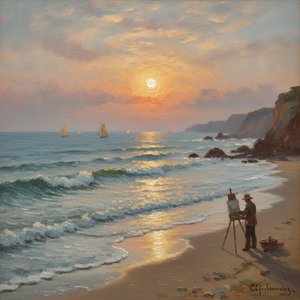
Whispers of the Waves: Discovering the Luminous Beauty and Timeless Light of Impressionist Coastal Art
Experience the breathtaking luminosity of Impressionist coastal art. From Monet’s shores to Sorolla’s sun-drenched waves, discover our exquisite hand-painted oil reproductions and bespoke commissions. Bring the timeless beauty of maritime masters into your home with TopImpressionists.com.

The Beauty of Impermanence: Capturing Decay through Impressionist Eyes
Explore the profound beauty of impermanence through Impressionist and Post-Impressionist eyes. Discover how masters like Monet and Van Gogh captured fleeting light and the poetic essence of nature's transitions in our deep dive into art history and emotional landscapes.

Beyond the Light: Capturing Raw Emotion and Subjective Vision in Post-Impressionist Landscapes
Explore the profound emotional depth of Post-Impressionist landscapes. Discover how masters like Van Gogh moved beyond light to capture raw human feeling through vibrant color and expressive texture in this expert art history retrospective.