


 실제 크기로 보기
 보내기
보내기 공유하기
공유하기
 상세 보기
상세 보기 가이드 보기

 이미지 다운로드
 유사 작품 더 보기
 X-레이
X-레이 슬라이드 쇼 보기
 통계 정보
통계 정보St Luke


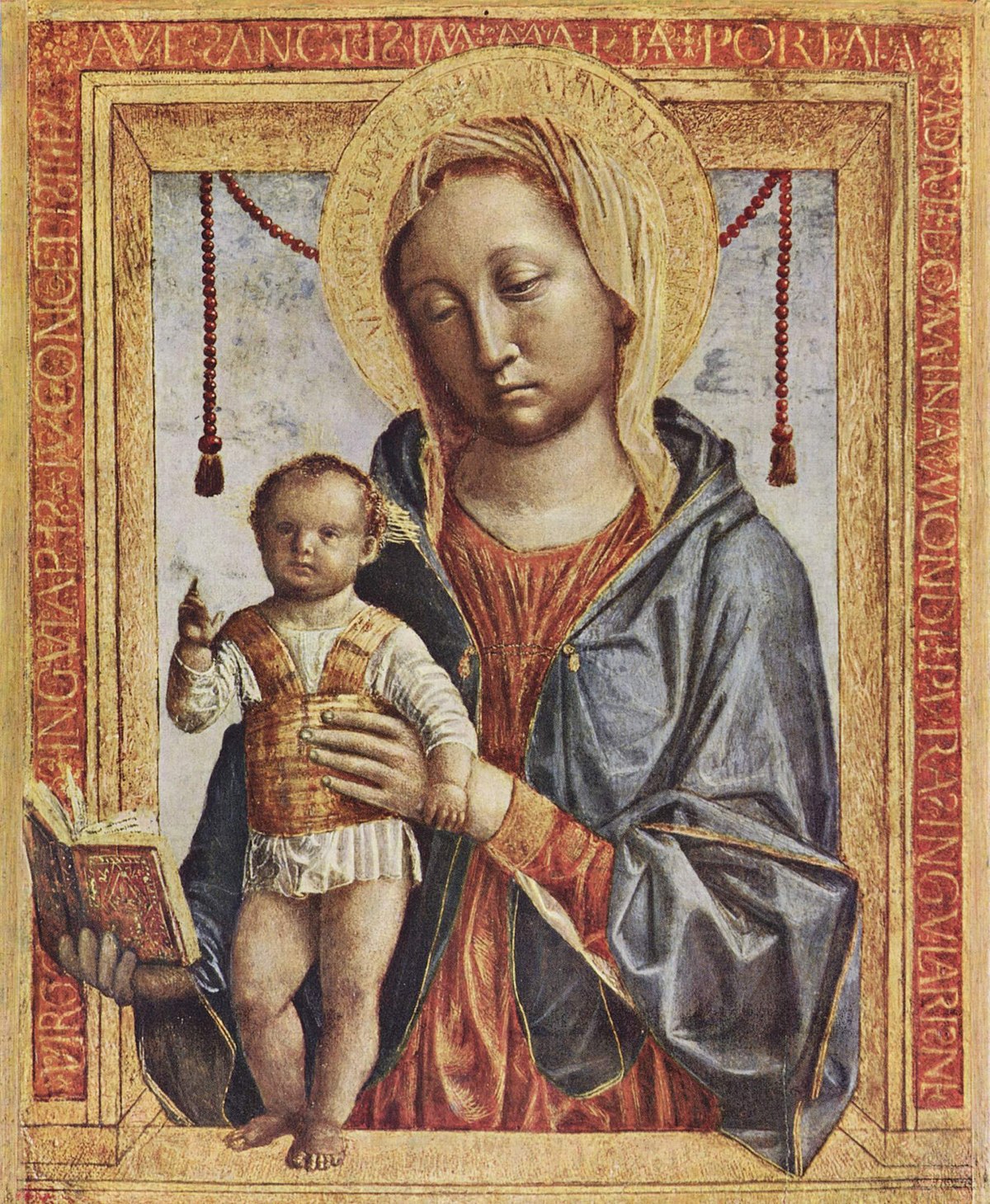
Witness the serene beauty of St Luke by Vincenzo Foppa (1510), a Renaissance masterpiece depicting the Evangelist's contemplative pose within a richly detailed fresco. Explore its symbolism and artistic significance.
 상세 보기
상세 보기
르네상스 거장 빈첸초 포파(1427-1515)를 만나보세요. 롬바르디아 학파의 창시자이자 핵심 인물입니다. 벨리니와 만테냐의 영향을 받은 그의 프레스코화, 초상화 및 독특한 예술적 유산을 탐험하세요.
지클레 / 아트 프린트
빠른 제작과 다양한 마감 옵션을 선택할 수 있는 박물관 수준의 지클레이 및 캔버스 프린트. ( 수작업 채색 복제본 주문하기 디지털 이미지 판매 채널로 전환)




P118B $10

P118H $10

P118W $10

P438Z $10

P508JH $12

P508YH $12

P805H $10

P805Z $10

P919BZ $10

P919G $10

P919XJ $10

P959ZH $10

P968JZ $12

W106C $8

W218G $10

W218JH $8

W218Y $10

W307PJ $10

W316G $10

W316PJ $8

W316Y $10

W398PJ $8

W4111J $10

W500HY $15

W500JH $15

W692G $12

W849H $8

W940BG $15

W953PJ $8




표준 규격
맞춤 제작
CM
INCH
작품의 원본 비율을 그대로 유지하는 프리셋 사이즈 중에서 선택해 보세요.
Loading sizes...

가로 너비
높이
특정 프레임이나 공간에 맞춰 직접 치수를 입력하실 수 있습니다. 선택하신 사이즈가 원본 이미지의 비율과 일치하지 않을 경우, 작품을 크롭(자르기)하거나 이미지를 대칭 또는 단색 채우기로 확장하여 제작합니다. 제작 시작 전, 최종 확인을 위해 디지털 목업이 전송됩니다.
화면상의 미리보기는 실제 크롭이나 확장 상태를 반영하지 않으므로, 최종 구도는 오직 목업을 통해서만 정확하게 확인하실 수 있습니다.
맞춤 사이즈 제작도 가능하지만, 원본 비율을 유지하기 위해서는 사전 정의된 목록에서 치수를 선택하시는 것을 권장합니다.


 유리 옵션은 110cm 미만 크기에서만 선택 가능합니다.

St Luke
지클레 / 아트 프린트
복제본 규격
-


총 결제 금액
$ 69
The Serene Figure of St Luke – A Window into the Lombard School
Vincenzo Foppa’s fresco depicting St Luke, housed within the magnificent San Maurizio al Monastero Maggiore in Milan, is more than just a devotional image; it's a captivating glimpse into the artistic landscape of early 16th-century Italy. Created around 1510, this work stands as a testament to Foppa’s mastery of Renaissance techniques and his unique contribution to the burgeoning Lombard school of painting. The scene immediately draws the eye with its quiet dignity – St Luke, an elderly figure radiating wisdom and piety, occupies the central space, framed by the subtle yet powerful presence of two angelic figures. The muted palette—earth tones interwoven with delicate blues and greens—evokes a sense of timelessness and spiritual contemplation, characteristic of frescoes produced during this period. Notice how Foppa skillfully employs perspective to create depth, drawing the viewer into the scene and emphasizing St Luke’s importance within it.
Hands of a Scholar and Evangelist
The hands of St Luke are particularly noteworthy, acting as focal points within the composition. Raised slightly above his body, they suggest both an act of offering and a gesture of pointing – perhaps towards the Gospel he is holding, or even to God himself. The detail in their rendering—the subtle veins, the delicate musculature—demonstrates Foppa’s meticulous attention to anatomical accuracy, a hallmark of Renaissance art. The ambiguity surrounding the objects held in his hands adds another layer of intrigue; while often interpreted as representing the Gospel of Luke, the second object remains deliberately obscured, inviting viewers to contemplate its symbolic significance. This deliberate withholding of clarity is not simply an artistic choice but reflects the complex and layered nature of faith itself.
A Symphony of Light and Shadow – The Lombard School’s Influence
Foppa's style firmly places him within the Lombard school, a movement that emerged in Northern Italy during the early 15th century. Unlike the High Renaissance ideals dominating Florence and Rome, the Lombard school prioritized a more intimate and emotionally resonant approach to painting. The use of diffused light, characteristic of fresco techniques, creates an atmospheric quality, bathing the scene in a soft glow. The influence of artists like Gentile da Fabriano and Pisanello is readily apparent – particularly in the delicate rendering of drapery and the expressive faces of the angels. The slightly elongated figures, a common feature of the Lombard style, contribute to a sense of grace and elegance. The background elements—the architectural details and floral motifs—further enhance this atmosphere, suggesting an interior setting within a sacred space.
Historical Context and Artistic Legacy
The creation of St Luke’s fresco coincided with a period of significant artistic and political change in Milan. The Sforza family, powerful dukes who ruled the city, were major patrons of the arts, commissioning works that reflected their wealth and prestige. Foppa's work is therefore inextricably linked to this vibrant cultural environment. His dedication to his craft, coupled with his technical skill and artistic vision, solidified his position as a leading figure in the Lombard school. Though relatively few of his paintings survive, St Luke’s fresco remains a powerful testament to his legacy – a serene and evocative depiction of faith, scholarship, and the enduring beauty of Renaissance art. It's a piece that invites contemplation and offers a profound connection to the artistic traditions of Northern Italy.
작가 소개
롬바르디아의 선구자: 빈첸초 포파의 삶과 예술
빈첸초 포파라는 이름은 그의 르네상스 동시대 인물들만큼 즉각적으로 친숙하지 않을지라도, 이탈리아 미술사에서 중추적인 인물로 우뚝 서 있습니다. 약 1427년 브레시아 근처 바뇰로 멜라에서 태어난 포파는 초기 롬바르디아 회화 학파의 선두 주자로 떠올랐으며, 고딕 전통과 싹트던 인문주의적 이상을 능숙하게 결합한 독특한 양식을 개척했습니다. 그의 경력은 주로 밀라노 공작이었던 강력한 스포르차 가문의 후원 아래 펼쳐졌고, 그의 영향력은 롬바르디아와 리구리아 전역에 울려 퍼지다가, 마지막 세월을 고향 브레시아에서 보내며 1515년에 생을 마감했습니다. 비록 현존하는 작품의 양이 상대적으로 적어 시간과 환경이라는 안타까운 결과가 따랐지만, 포파 예술적 비전이 남긴 영향력은 북부 이탈리아 전역의 후대 회화 발전에 깊이 새겨져 있습니다.성장기와 예술적 순례
포파가 젊었을 적 브레시아의 미술계는 그리 활발하지 않아, 그는 다른 곳에서 훈련을 찾아 나설 수밖에 없었습니다. 그의 도제 생활에 대한 정확한 세부 사항은 여전히 신비에 싸여 있지만, 그가 당대의 지배적인 양식과 기법을 흡수하기 위해 예술적 순례를 떠났음은 분명합니다. 초기 영향력은 그의 작품에서 쉽게 찾아볼 수 있습니다. 브레시아의 브로letto 예배당에 남아있는 젠틸레 다 파브리아노의 섬세한 서정성이 느껴지는 프레스코화와, 자코포 벨리니의 정교하고 우아한 수태고지가 그러합니다. 후자의 예술가가 특히 강한 영향을 미친 것으로 보이며, 일부 학자들은 포파가 심지어 그에게 직접 사사받았을지도 모른다고 추측하기도 합니다. 다른 잠재적 스승으로는 보니파시오 벰보가 거론되며, 추측에 따르면 프란체스코 스콰르치오네 밑에서 파도바에서 초기 훈련을 받았다는 이야기도 나옵니다. 하지만 그의 가장 초기의 작품들은 피사넬로와 젠틸레 다 파브리아노와의 양식적 유사성을 보여주어, 많은 이들이 그가 아마도 예술 혁신의 중심지였던 베로나에서 정식 교육을 받았을 것이라고 믿게 합니다. 이러한 흡수와 실험의 시기는 포파가 다양한 영향들을 독창적으로 종합해내는 토대를 마련해주었습니다.스포르차의 후원과 롬바르디아적 혁신
포파의 운명은 약 1458년 파비아에서 공작 프란체스코 스포르차를 만나면서 극적으로 전환점을 맞이합니다. 그의 기량은 곧바로 의뢰를 따냈고, 여기에는 제노바 대성당 성 요한 세례자 예배당의 프레스코화 같은 권위 있는 프로젝트도 포함되었으나, 이는 16세기 개축 과정에서 안타깝게 사라졌습니다. 스포르차로부터 받은 찬사 가득한 추천서는 더 많은 기회의 문을 열어주었고, 1463년 포파는 밀라노 자체로 소환되었습니다. 이곳에서 그는 새로운 오스피달레 마조레의 회랑 프레스코화와 밀라노 메디치 은행 내부의 일련의 정교한 장식물 같은 중요한 프로젝트들을 수행했습니다. 이 후자의 작품들은 특히 주목할 만한데, 트라야누스의 세밀한 스케치를 포함하여 여덟 명의 로마 황제를 묘사하고, 그 옆에 프란체스코 스포르차와 그의 가족의 인상적인 초상이 함께 그려져 있습니다. 바로 이 시기에 포파는 진정으로 롬바르디아 학파의 특징들을 확립했습니다. 그의 그림들은 피부색에서 독특한 회색조의 색감을 나타내기 시작했는데, 이는 이후 세대 예술가들에게 광범위하게 모방되는 특징이 되었습니다. 그는 고딕적인 우아함과 부상하는 르네상스적 원리인 원근법 및 자연주의를 능숙하게 결합하여, 시각적으로 매혹적이면서도 지적으로 사유를 자극하는 구성을 창조해냈습니다. 메디치 은행 프레스코화에서 유일하게 살아남은 세속적인 조각인 젊은 키케로의 독서는 이러한 종합을 잘 보여주며, 포파가 심리적 깊이와 서사적 복잡성을 전달하는 능력을 입증합니다.유산과 역사적 의의
많은 작품들이 사라졌음에도 불구하고, 빈첸초 포파가 롬바르디아 회화에 미친 영향은 지대했습니다. 그는 후기 고딕 시대와 전성기 르네상스 사이를 잇는 가교 역할을 하는 지역적 양식을 확립했습니다. 사실적인 묘사에 대한 그의 강조점은 세련된 색채감과 구도 감각과 결합하여, 빈첸초 치베르키오나 지롤라모 로마니노 같은 예술가들의 길을 열었습니다. 저명한 미술사학자 조르조 바사리는 포파를 당대 최고의 화가 중 한 명으로 인정했으며, 이는 그의 생전의 기량과 명성을 증명하는 것이었습니다. 포파의 예술적 유산은 단순한 양식 모방을 넘어섭니다. 그는 다양한 영향들을 적응시키고 종합해내는 놀라운 능력을 보여주었으며, 당대의 문화적, 정치적 지형을 반영하는 독특하게 롬바르디아적인 미학을 창조했습니다. 그의 작품은 혁신과 실험의 정신을 구현하고 있으며, 그를 단순한 장인일 뿐만 아니라 이탈리아 르네상스 회화의 흐름을 형성하는 데 일조한 선구적인 예술가로 만들었습니다. 빈첸초 포파는 비록 일부 더 유명한 동시대 인물들만큼 찬사를 받지 못했을지라도, 북부 이탈리아 15세기 미술의 풍요로운 태피스트리를 이해하는 데 있어 필수적인 인물로 남아 있습니다.
빈첸초 포파
1427 - 1515 , 이탈리아
작가 정보 요약
- Artistic Movement Or Style: 초기 르네상스
- Artists Or Movements Influenced By This Artist:
- 빈첸초 치베르키오
- 지롤라모 로마니노
- Artists Who Influenced This Artist:
- 자로포 벨리니
- 젠틸레 다 파브리아노
- Date Of Birth: 1427
- Date Of Death: 1515
- Full Name: 빈첸초 포파
- Nationality: 이탈리아인
- Notable Artworks:
- 성모와 아기
- 십자가 처형 (1456)
- 젊은 키케로의 독서
- Place Of Birth: 바뇰로 멜라, 이탈리아
관련 기사

The Eternal Glow of Fresco: Capturing Light, Spirit, and the Timeless Majesty of Wall Art
Discover the enduring beauty of fresco painting. Explore the history, technique, and spiritual depth of mural art, from Michelangelo to modern luxury design. Learn how to bring the timeless glow of masterworks into your home through exquisite, hand-painted reproductions.

Capturing the Grey Light: A Journey Through the Soulful Atmosphere of the Hague School
Explore the evocative beauty of the Hague School. Discover how Dutch masters captured the soulful 'grey light' through atmospheric realism and tonalism, paving the way for Impressionism. A deep dive into the misty landscapes and emotional depth of this legendary art movement.