
빠른 제작과 다양한 마감 옵션을 제공하는 박물관 품질의 지클레이 또는 캔버스 프린트. ( 손으로 그린 그림 구매 이미지 구매)





























작품의 원본 비율을 유지하는 미리 설정된 크기 중에서 선택하세요.

특정 프레임이나 공간에 맞춰 직접 치수를 입력하실 수 있습니다. 선택하신 사이즈가 원본 이미지의 비율과 일치하지 않을 경우, 작품을 크롭(자르기)하거나 이미지를 대칭 또는 단색 채우기로 확장하여 제작합니다. 제작 시작 전, 최종 확인을 위해 디지털 목업이 전송됩니다.
화면상의 미리보기는 실제 크롭이나 확장 상태를 반영하지 않으므로, 최종 구도는 오직 목업을 통해서만 정확하게 확인하실 수 있습니다.
맞춤 사이즈 제작도 가능하지만, 원본 비율을 유지하기 위해서는 사전 정의된 목록에서 치수를 선택하시는 것을 권장합니다.

Bathsheba
복제본 크기
Willem Drost’s “Bathsheba” – a painting produced just before the artist embarked on a journey to Italy in 1654 – is not merely a portrait; it's an intimate tableau, a carefully constructed moment suspended between vulnerability and quiet strength. The subject, identified as Bathsheba, wife of King David, isn’t depicted in grand ceremonial attire or amidst bustling courtly scenes. Instead, Drost presents her within the confines of a darkened chamber, bathed in a dramatic interplay of light and shadow that immediately draws the viewer's eye to her face – a study in subtle expression and restrained emotion. The painting whispers of a story untold, a private drama unfolding within the walls of a royal residence.
Drost’s “Bathsheba” is inextricably linked to a seminal work by his master, Rembrandt van Rijn – "Bathsheba at Her Bath," created in the same year. While Rembrandt's version explodes with vibrant color and captures the raw intensity of David’s lustful gaze, Drost adopts a more restrained approach. He consciously echoes Rembrandt’s composition—the central figure, the darkened room, the implied narrative—but subtly shifts the focus from overt drama to a quieter, more introspective mood. It's as if Drost is attempting to distill the essence of Rembrandt’s masterpiece into a more controlled and elegant form, revealing a different facet of the same compelling story.
Historical Context:The painting emerged during a period of significant artistic transition in the Netherlands. Rembrandt's influence was pervasive, shaping the direction of portraiture and influencing countless artists. Drost’s work represents a deliberate engagement with this legacy, demonstrating both admiration for his mentor and a desire to forge his own distinct style.
The painting is rich in symbolic resonance, primarily centered around the biblical narrative of David and Bathsheba. The letter held delicately in her hand – a detail borrowed from Rembrandt’s version – represents the consequences of David's transgression: an acknowledgment of his sin and a plea for forgiveness. Bathsheba’s expression—a mixture of sadness, resignation, and perhaps even a hint of defiance—suggests she is grappling with the weight of her situation. The darkened room itself can be interpreted as representing the moral shadows cast by David's actions, while the single shaft of light illuminating Bathsheba symbolizes hope or divine grace.
“Bathsheba” is more than just a portrait; it’s a profound meditation on human emotion, moral consequence, and the enduring power of art. Drost's masterful use of chiaroscuro, combined with his subtle rendering of Bathsheba’s expression, creates an image that lingers in the memory long after viewing. It is a testament to the artist’s skill and sensitivity, offering a rare glimpse into the private world of a biblical heroine and inviting viewers to contemplate the complexities of human desire and divine judgment. Reproductions capture this delicate balance of light and shadow, allowing audiences to experience the painting's emotional depth in their own homes.

1633 - 1659 , 네덜란드

Transform your cherished travel photos into timeless oil paintings with expert artists at TopImpressionists.com. Museum-quality reproductions & custom portraits – preserve your memories beautifully.

Commission breathtaking bespoke fantasy art with skilled oil painters. Explore techniques, artist selection & preservation tips. Invest in a unique masterpiece today!

Journey through art history with our guide to 10 legendary oil on canvas masterpieces! Explore iconic works by Van Gogh, Monet & Rembrandt. Find museum-quality reproductions and elevate your home decor at . Discover all masterpieces online.
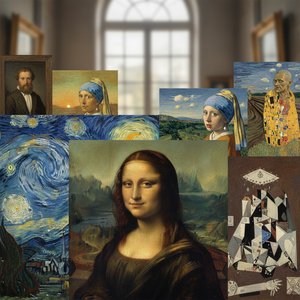
Journey through art history with our Top 10 oil paintings! Explore iconic works by Van Gogh, Monet & Rembrandt. Discover timeless masterpieces and find museum-quality reproductions for your home at .

Delve into the power of 'Mars Black' with 10 iconic paintings by masters like Rembrandt & Caravaggio. Explore dramatic chiaroscuro, gothic art, and timeless beauty. Find museum-quality reproductions & elevate your home decor on .


최신 미술 뉴스, 특별 혜택 및 인테리어 아이디어를 가장 먼저 만나보세요.
프로젝트에 대해 알려주시면 저희 미술 전문가들이 맞춤형 아트 제안 3가지를 전달해 드립니다.
당신만을 위한 맞춤형 옵션 3가지를 무료로 추천해 드립니다!


 미리보기
미리보기
 공유하기
공유하기 공유하기
공유하기
 상세 정보
상세 정보

 다운로드
다운로드
 유사 작품
유사 작품 X-레이
X-레이 슬라이드 쇼


 더 보기
더 보기









 유리 옵션은 110cm 미만 크기에서만 선택 가능합니다.


