


 실제 크기로 보기
 보내기
보내기 공유하기
공유하기
 상세 보기
상세 보기 가이드 보기

 이미지 다운로드
 유사 작품 더 보기
 X-레이
X-레이 슬라이드 쇼 보기
 통계 정보
통계 정보Castle Eden Dene
 Romanticism
 43.0 x 34.0 cm
 Darlington Library
Admire 'Castle Eden Dene' by William Bewick – a captivating landscape painting. Hand-painted reproduction available in various sizes. Bring timeless art into your home!
Explore the life & art of William Bewick, a pivotal English engraver & illustrator known for his detailed depictions of British wildlife & historical scenes. Discover his legacy!
 상세 보기
상세 보기
이 페이지에 표시된 작품은 저작권법의 보호를 받으며, 이에 따라 동일한 복제품을 제작하거나 판매하는 것은 법으로 금지되어 있습니다. 이러한 권리 보호는 다음과 같은 국제 협약에 따라 시행됩니다. 베른 협약 또한 다음에서 명시하는 법률을 포함한 국내법에 의해 보호됩니다. 미국 저작권법 제17조.
이 방식은 저작권 보호를 받는 예술 작품을 복제하거나 그대로 재현하는 것이 아니기에 저작권 규정을 완벽히 준수합니다. 대신, 이는 창의적인 재해석의 과정을 거칩니다. 즉, 원작에서 영감을 받되 원작과 동일하지 않은 새로운 회화 작품을 의미합니다.
지클레 / 아트 프린트
빠른 제작과 다양한 마감 옵션을 선택할 수 있는 박물관 수준의 지클레이 및 캔버스 프린트. ( 수작업 채색 복제본 주문하기 디지털 이미지 판매 채널로 전환)




P118B ₩10

P118H ₩10

P118W ₩10

P438Z ₩10

P508JH ₩12

P508YH ₩12

P805H ₩10

P805Z ₩10

P919BZ ₩10

P919G ₩10

P919XJ ₩10

P959ZH ₩10

P968JZ ₩12

W106C ₩8

W218G ₩10

W218JH ₩8

W218Y ₩10

W307PJ ₩10

W316G ₩10

W316PJ ₩8

W316Y ₩10

W398PJ ₩8

W4111J ₩10

W500HY ₩15

W500JH ₩15

W692G ₩12

W849H ₩8

W940BG ₩15

W953PJ ₩8




표준 규격
맞춤 제작
CM
INCH
작품의 원본 비율을 그대로 유지하는 프리셋 사이즈 중에서 선택해 보세요.
Loading sizes...

가로 너비
높이
액자나 벽면 크기에 맞춰 필요한 가로와 세로 길이를 입력해 주세요. 프린트는 원본 이미지보다 크게 제작할 수 없으며 오직 자르는 것만 가능하므로, 비율이 다른 사이즈를 선택할 경우 이미지의 일부가 잘려 나갈 수 있습니다. 인쇄 작업에 들어가기 전, 최종 확인을 위해 디지털 목업을 보내드립니다. 이 페이지에 표시된 이미지는 실제 잘리는 영역을 나타내지 않으며, 오직 목업을 통해서만 정확한 확인이 가능합니다.


 유리 옵션은 110cm 미만 크기에서만 선택 가능합니다.

Castle Eden Dene
지클레 / 아트 프린트
복제본 규격
-


총 결제 금액
₩ 95583
작가 소개
The Visionary Precision of William Bewick
In the grand tapestry of nineteenth-century English art, few names evoke such a profound sense of meticulous devotion as William Bewick. A figure whose life and work bridged the gap between the delicate precision of engraving and the sweeping grandeur of historical painting, Bewick possessed an uncanny ability to capture both the minute details of the natural world and the monumental weight of classical antiquity. His journey began in the industrious landscapes of Northern England, where a foundational discipline was forged through early training and a deep-seated reverence for the intricate textures of life. Whether rendering the subtle plumage of a bird or the dramatic musculature of an ancient marble, Bewick’s hand moved with a singular purpose: to translate the ephemeral beauty of existence into permanent, breathtaking visual narratives.
The evolution of his artistry was deeply influenced by the masters who shaped his early years. His apprenticeship under the celebrated Newcastle engraver John Harrison provided him with more than just technical proficiency; it instilled in him a profound respect for the craft of printmaking and the subtle interplay of light and shadow through line. This period of rigorous training allowed Bewick to master the complexities of wood engraving, a medium that would later allow his depictions of wildlife and historical scenes to resonate with an almost tactile realism. His talent was not merely confined to the small scale, however. As he matured, his ambitions expanded toward the epic, leading him to London where he sought the mentorship of Benjamin Haydon. This transition from the engraver’s tool to the painter’s brush marked a pivotal era in his development, as he began to infuse his work with a sense of dramatic scale and historical gravity.
A Legacy of Classical Grandeur and Natural Detail
Bewick’s career was punctuated by moments of extraordinary distinction that placed him at the center of Europe's intellectual and artistic circles. One of his most remarkable feats was his work as a copyist, a role so distinguished that he was commissioned by Sir Thomas Lawrence to travel to Rome to replicate the magnificent frescoes of Michelangelo within the Sistine Chapel. This immersive experience with the heights of Renaissance mastery undoubtedly refined his understanding of composition and human form, allowing him to return to England not just as a skilled craftsman, but as a painter capable of profound emotional depth. His ability to execute large-scale cartoons, such as those depicting figures from the Elgin Marbles at the request of the poet Goethe, serves as a testament to his standing among the artistic elite of his time.
Beyond the monumental, Bewick remained forever tethered to the intimate wonders of the British landscape and its inhabitants. His contributions to wildlife illustration helped establish a standard of naturalism that would inspire generations of illustrators. Through his work, the viewer is invited to witness:
- The intricate textures of the natural world, where every feather and leaf is rendered with scientific accuracy and artistic grace.
- Historical and portrait narratives that capture the dignity and character of his subjects, blending the factual with the evocative.
- A seamless integration of classical influence and local observation, creating a unique aesthetic that feels both timeless and deeply rooted in the English soil.
Though illness eventually forced him into a quiet retirement in North-East England, the impact of his prolific career remained undiminished. The publication of Life and Letters of William Bewick ensured that his personal struggles and professional triumphs would continue to inform the historical record. Today, we remember William Bewick not merely as an engraver or a painter, but as a true pioneer—a man who looked at the world with an eye for both the microscopic truth of nature and the macroscopic glory of history, leaving behind a legacy of unparalleled clarity and soul.

작가 정보 요약
- Artistic Movement Or Style: Romanticism
- Artists Or Movements Influenced By This Artist: ['Romanticism']
- Artists Who Influenced This Artist: ['John Bewick']
- Date Of Death: October 29, 1886
- Full Name: William Bewick
- Nationality: English
- Notable Artworks:
- Cauldron Snout
- The Sir William Dunn School of Pathology
- Place Of Birth: Ministeracres, Northumberland
관련 기사
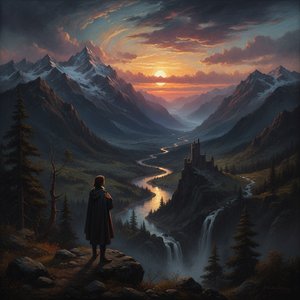
Capturing the Soul: The Emotional Majesty and Sublime Power of Romantic Landscape Painting
Explore the profound emotional depth of Romantic landscape painting. Discover how masters like Turner and Friedrich captured the sublime power of nature through intuition and imagination in this expert art history retrospective.

Capturing the Soul: The Emotional Magic and Sublime Grandeur of Romantic Landscape Painting
Explore the profound emotional depth of Romantic landscape painting. Discover how masters like Friedrich and Turner captured the sublime through light, shadow, and nature's power in this expert art history retrospective for discerning collectors.