
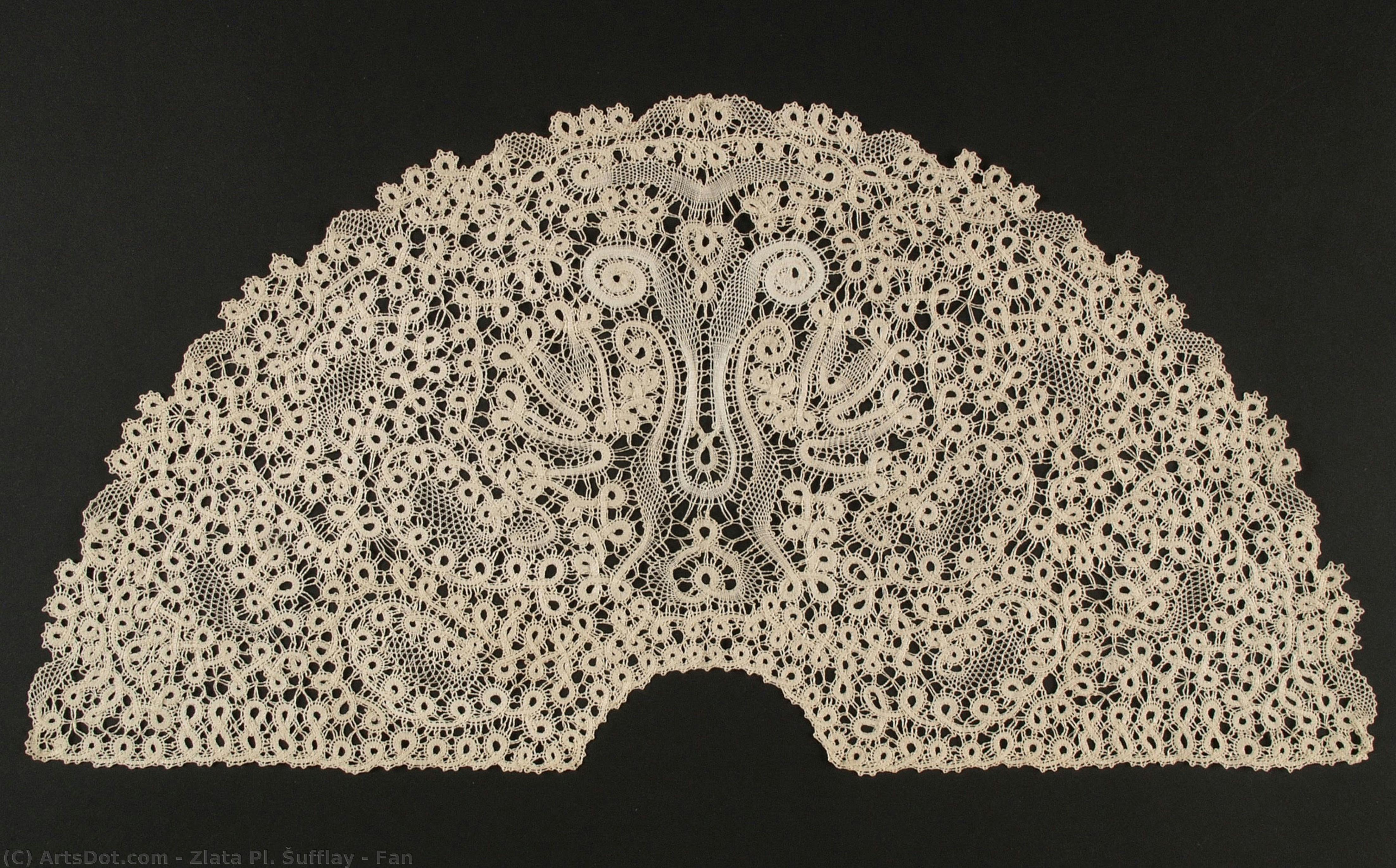
 22.0 x 46.0 cm
 The Museum of Arts and Crafts
빠른 제작과 다양한 마감 옵션을 제공하는 박물관 품질의 지클레이 또는 캔버스 프린트. ( 손으로 그린 그림 구매 이미지 구매)
작품의 원본 비율을 유지하는 미리 설정된 크기 중에서 선택하세요.

특정 프레임이나 공간에 맞춰 직접 치수를 입력하실 수 있습니다. 선택하신 사이즈가 원본 이미지의 비율과 일치하지 않을 경우, 작품을 크롭(자르기)하거나 이미지를 대칭 또는 단색 채우기로 확장하여 제작합니다. 제작 시작 전, 최종 확인을 위해 디지털 목업이 전송됩니다.
화면상의 미리보기는 실제 크롭이나 확장 상태를 반영하지 않으므로, 최종 구도는 오직 목업을 통해서만 정확하게 확인하실 수 있습니다.
맞춤 사이즈 제작도 가능하지만, 원본 비율을 유지하기 위해서는 사전 정의된 목록에서 치수를 선택하시는 것을 권장합니다.

Fan
복제본 크기
Born in New York City in 1873, Wallace Morgan’s journey to becoming a celebrated artist was one forged through perseverance and an innate talent for capturing the visual world. His early life, rooted in Albany where his father instilled within him a love for art, set the stage for a career that would profoundly impact the landscape of American illustration. Rather than pursuing a traditional academic path, Morgan’s ambition led him to work as a sketch artist for the New York Sun at just sixteen years old – a remarkably early start in a profession dominated by established institutions. This initial experience proved invaluable, honing his skills in rapid rendering and observation, laying the foundation for his later success.
Morgan’s career trajectory was marked by adaptability and a keen understanding of evolving visual demands. Initially focused on producing sketches for newspapers and magazines, he quickly recognized the burgeoning potential of ready-to-print illustrations – images designed to be reproduced in bulk for mass consumption. This shift demanded an entirely new approach: speed, accuracy, and a remarkable ability to translate complex scenes into simplified, visually compelling forms. He developed a distinctive technique, meticulously rendering details while maintaining a sense of immediacy and capturing the essence of his subjects with astonishing efficiency. This process, often involving minimal preliminary sketches, became his trademark, allowing him to produce volumes of work for publications like Collier’s, Cosmopolitan, The New Yorker, and the popular magazine Saturday Evening Post.
The outbreak of World War I dramatically altered Morgan's career path. Recognizing the need for official artwork to document the war effort, he was selected as one of several American artists commissioned by the U.S. government to create illustrations for military publications. This pivotal moment thrust him into a role that demanded both artistic skill and an understanding of military life. He spent a year in France, attached to the Marine Brigade, meticulously documenting battles at Chateau-Thierry and Belleau Wood. These wartime sketches weren’t merely reproductions; they were imbued with a palpable sense of urgency and the realities of combat – a far cry from the more decorative illustrations he had previously produced.
Following his return to civilian life, Morgan continued to work as a freelance illustrator, solidifying his reputation as one of America's foremost artists. He was known for his versatility, tackling subjects ranging from portraits and landscapes to scenes of everyday American life. His ability to seamlessly blend technical skill with an intuitive understanding of visual storytelling cemented his position at the forefront of the illustration industry.
While Morgan’s work is often characterized by its clarity and precision, it's important to recognize the influences that shaped his artistic vision. His early exposure to art through his father undoubtedly played a significant role, but he was also deeply impacted by the burgeoning Pre-Raphaelite Brotherhood movement – a fascination with medieval themes, romanticism, and meticulous detail is subtly present in some of his earlier works. Furthermore, Morgan’s time studying at the National Academy of Design provided him with a grounding in traditional artistic techniques, which he skillfully integrated into his own distinctive style.
Morgan's illustrations are notable for their remarkable clarity and attention to detail. He possessed an extraordinary ability to capture the essence of a scene or subject while maintaining a sense of immediacy and dynamism. His use of light and shadow was particularly effective, creating a strong sense of depth and realism. He avoided overly elaborate compositions, favoring instead a direct and uncluttered approach that prioritized clarity and impact.
Wallace Morgan’s contribution to American illustration is undeniable. He wasn't merely a skilled draftsman; he was a pioneer who helped establish the profession as a respected art form. His work graced the pages of countless magazines and books, bringing visual narratives to life for millions of readers. Beyond his professional achievements, Morgan was also a dedicated collector of French Post-Impressionist and modernist art, amassing a significant private collection that significantly contributed to the understanding and appreciation of these movements in America. This passion for art extended beyond his own practice, as he actively supported fellow artists through his involvement with organizations like the Arts Club of Chicago.
Morgan’s legacy endures not only through his prolific body of work but also through his influence on subsequent generations of illustrators. His dedication to craft, combined with a keen eye for visual storytelling, continues to inspire artists today. He died in 1948, leaving behind a rich artistic heritage that remains a testament to the power and versatility of American illustration.

1873 - 1956 , Croatia


최신 미술 뉴스, 특별 혜택 및 인테리어 아이디어를 가장 먼저 만나보세요.
프로젝트에 대해 알려주시면 저희 미술 전문가들이 맞춤형 아트 제안 3가지를 전달해 드립니다.
당신만을 위한 맞춤형 옵션 3가지를 무료로 추천해 드립니다!

 미리보기
미리보기
 공유하기
공유하기 공유하기
공유하기
 상세 정보
상세 정보

 다운로드
다운로드
 유사 작품
유사 작품 X-레이
X-레이 슬라이드 쇼
 더 보기
더 보기






































 유리 옵션은 110cm 미만 크기에서만 선택 가능합니다.


