
 Peržiūrėti realaus dydžio版
 Pasidalinti
 Dalintis
 Išsamiau
 Vadovas

 Atsisiųsti
 Panašūs eksponatai
 Rentgeno spindulių nuotrauka
 Automatinė diorama
 问答
问答 Statistika
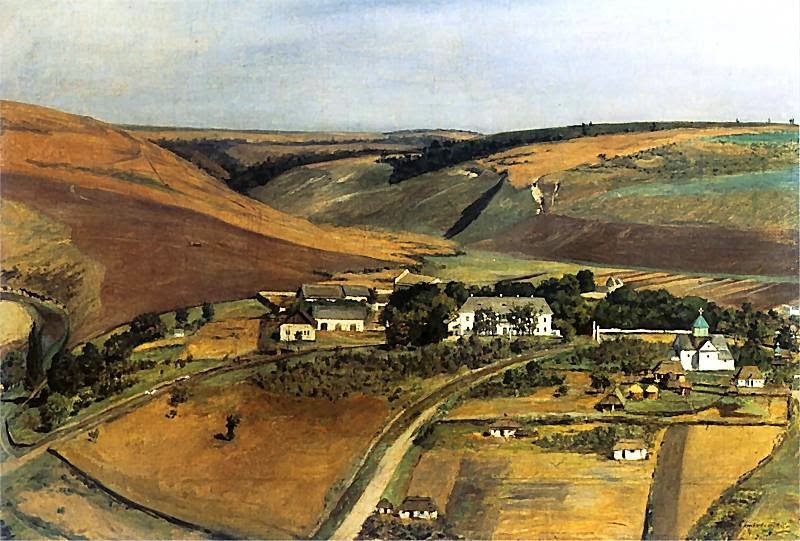
Zawale
A realist painter known for Ecce Homo. Discover the profound works of this Polish master today.
 Skaityti daugiau
Giclée / Meno spausdinimas
Muziejų lygio „giclée“ arba drobos spausdinimas: greita gamyba ir lankstios apdailos parinktys. ( Pirkti rankų darbo tapybą Perejti prie skaitmeninių vaizdų)




































Standartinis dydis
pagal užsakymą
CM
INCH
Pasirinkite iš mūsų nustatytų dydžių, atitinkančių originalaus meno kūrinio proporcijas.
Loading sizes...

plotis
aukštis
Įveskite jums reikiamą plotį ir aukštį, kad atvaizdas derėtų prie jūsų rėmo ar sienos. Spausdiną galima tik sumažinti, bet nepadidinti virš originalaus paveikslėlio dydžio, todėl keičiant proporcijas, dalis vaizdo prarandama. Prieš spausdinimą atsiųsime jums skaitmeninį maketą patvirtinimui. Šioje puslapio nuotraukoje matomas pjūvis nėra tikslus – jį rodo tik maketas.
Pristatymas visame pasaulyje () per 2 weeks, o ne įprastas 4/5 savaičių laikotarpis. (4 lapkritis)

Nemokamas greitasis pristatymas visame pasaulyje

Aukštos kokybės lininis drobė

Pilnas siuntimo draudimas

Muitinės mokesčių grąžinimo garantija

Tikro spalvų atitikimo garantija

100 dienų grąžinimo politika (tik esant įtaigoms)

100% pinigų grąžinimo garantija

Nuolaida dideliems užsakymams
 Stiklo variantas prieinamas tik pasirinkus dydį iki 110 cm

Zawale
Giclée / Meno spausdinimas
Reprodukcijos matmenys
-


Bendroji kaina
€ 62
Autoriaus biografija
The Soul of a Painter and Saint
The life of Adam Hilary Bernard Chmielowski is a profound tapestry woven from threads of revolutionary fervor, artistic brilliance, and ultimate spiritual surrender. Born into a noble szlachta family in Igołomia, near Kraków, his early years were shaped by the turbulent winds of Polish history. A passionate nationalist, Chmielowski threw himself into the January Uprising of 1863, an endeavor that would leave an indelible mark upon his physical being. During the brutal combat at the Battle of Mełchów, a Russian grenade struck his horse, resulting in a devastating injury that necessitated the amputation of his left leg. This moment of intense suffering, endured without anesthesia, became a cornerstone of his spiritual identity, as he offered his pain to God for the cause of Polish independence.
Driven from his homeland by the repressive Czarist authorities, Chmielowski embarked on a journey through Europe that would unexpectedly reveal his latent artistic genius. From studying engineering in Ghent, Belgium, to immersing himself in the vibrant art scenes of Paris and Munich, he began to cultivate a mastery over the brush. At the Royal Academy of Fine Arts in Munich, he found himself surrounded by a circle of influential Polish contemporaries, including Józef Chełmoński and Aleksander Gierymski. It was during this period of wandering and discovery that his talent blossomed, transitioning from a student of science to a celebrated figure in the Polish art world.
Artistic Mastery and the Realist Vision
As an artist, Chmielowski emerged as a significant representative of the Realism movement during the 1870s, with his work later anticipating the subtle, emotive tendencies of Symbolism. His technical prowess was characterized by nuanced palette work, delicate color nuances, and a deep, pantheistic philosophy that sought to find the divine within the natural world. He drew inspiration from masters such as Corot, Millet, and Courbet, blending their influence with a unique sensitivity to the human condition. His extant output, consisting of numerous oils, watercolours, and drawings, reflects a profound engagement with both landscape and the human spirit.
His repertoire includes works that capture the essence of Polish life and religious devotion. Some of his most notable paintings include:
- Ecce Homo, a celebrated and unfinished masterpiece depicting the mocked Christ, which remains a testament to his spiritual depth.
- Po pojedynku (After the Duel), showcasing his ability to capture dramatic tension.
- Dziewczynka z pieskiem (Little Girl with a Dog), reflecting a tender, intimate realism.
- Cmentarz (Cemetery) and Zachód słońca (Sunset), which evoke the atmospheric melancholy of his era.
- Insurgent na koniu (Insurgent on Horseback), a nod to his revolutionary past.
A Radical Transformation: From Canvas to Charity
Despite achieving fame and success in Kraków and Warsaw, Chmielowski found the trappings of celebrity and the pursuit of art to be ultimately hollow. A deep-seated compassion for the suffering of the poor, which he witnessed firsthand while volunteering in homeless shelters, began to pull him away from the easel. This internal struggle led to a period of intense reflection and even bouts of depression, yet it ultimately paved the way for his most radical achievement: the abandonment of his professional career to embrace a life of absolute poverty.
In 1887, he took the name Brother Albert and joined the Third Order of Saint Francis. He did not merely seek solitude in prayer but chose to live among the most marginalized members of society. Alongside his religious brothers and sisters, he founded the Albertine Brothers and the Albertine Sisters, congregations dedicated to serving the homeless, the sick, and the destitute. By auctioning his own paintings to fund the reform of Kraków's shelters, he transformed his artistic legacy into a living instrument of charity. His life remains a singular example of how the creative impulse can be entirely surrendered to a higher calling, turning the artist's gaze from the beauty of the canvas to the dignity of the human soul.

Adam (Albert) Chmielowski
1845 - 1916 , Russia
Trumpa informacija
- Artistic Movement Or Style:
- Realism
- Symbolism
- Artists Who Influenced This Artist:
- Corot
- Millet
- Courbet
- Velazquez
- Full Name: Adam Hilary Bernard Chmielowski
- Nationality: Polish
- Notable Artworks:
- Ecce Homo
- After the duel
- Little girl with a dog
- Cemetery
- Lady with a letter
- Insurgent on horseback
- Sunset
- The Amazon
- Place Of Birth: Kraków, Russia
- Date Of Birth: 1845
- Date Of Death: 1916