

 Peržiūrėti realaus dydžio版
 Pasidalinti
 Dalintis
 Išsamiau
 Vadovas

 Atsisiųsti
 Panašūs eksponatai
 Rentgeno spindulių nuotrauka
 Automatinė diorama
 Q&A
Q&A Statistika
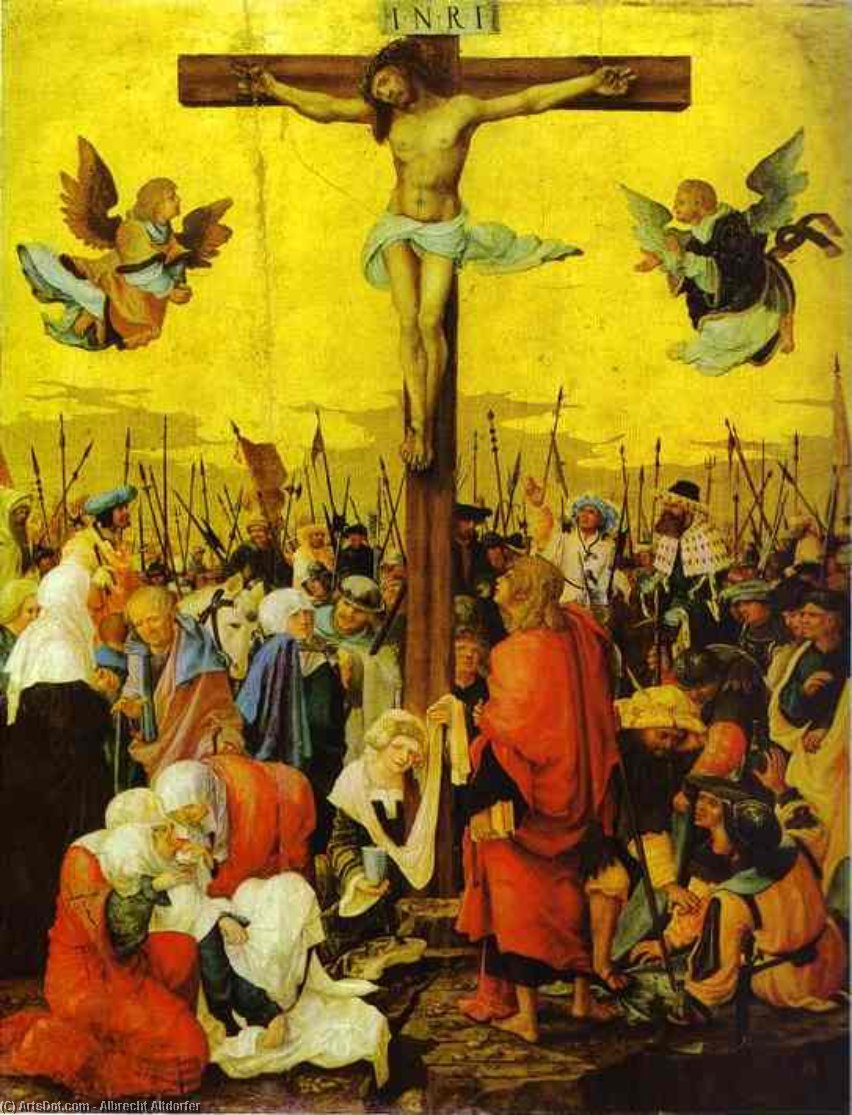
Crucifixion


Albrecht Altdorfer's "Crucifixion" (1526) is a dramatic, evocative depiction of Christ’s suffering, showcasing the artist's pioneering landscape style and masterful use of color within the Northern Renaissance.
 Skaityti daugiau
Albrecht Altdorfer (1480-1538): Vokiečių renesanso tapytojas, Danubės mokyklos pradininkas. Žymūs darbai: „Aleksandro mūšis prie Isos“, kraštovaizdžiai, religiniai paveikslai. Novatoriškas stilius.
Gaukite spausdinimui paruoštą failą, kurio kokybė gerokai viršija internetinę peržiūrą. Kiekvienas mūsų parduodamas skaitmeninis vaizdas yra ištrauktas iš aukštos raiškos pagrindinio failo mūsų duomenų bazėje — paprastai jis siekia nuo 5 000 iki 15 000 pikselių plotio — todėl galite drąsiai spausdinti didelius formatus, apkirpti vaizdą ar suมั่น būti patikinti, kad išsaugosite visas smulkias detales.
Mūsų studijoje nė viena failo kopija nelieka neapdorota. Skaitmeninio vaizdo ekspertas lygiuo su originaliu paveikslu patikrina spalvas ir, jei reikia, jas koreguoja, o tada profesionaliais retušavimo įrankiais padidina aiškumą bei detales — visada išlaikydamas ištikimybę autoriaus teptuko traukoms ir stiliui. Rezultatas – vaizdas, kuris atrodo kaip tikras paveikslas, o ne kaip su filtrais apdorotas skenavimas.
Patvirtinate prieš pabaigą: mūsų ekspertas per 72 valandas atsiųsta vaizdą el. laišku jūsų peržiūrai. Nepasitenkinate? Paprašykite patobulinimų ar pataisymų arba prašykite pinigų grąžinimo, jei kokybė neatitinka jūsų lūkesčių.
Ši kokybė yra patikima leidybos įstaigoms, dizaino studijoms, galerijoms ir spaudos įmonėms.
Skaitmeninis vaizdas
Atsisiųskite didelės raiškos failą asmeniniam naudojimui, spausdinimui ir kūrybiniams projektams. ( Perjungti į spausdinamus版作品 Pirkti rankų darbo tapybą)
Kiekvieną skaitinio vaizdo užsakymą papildė
Profesionalus skaitmeninis vaizdų pristatymas, garantuotas
Pasirinkę TopImpressionists.com, jūs ne tik gaunate paveikslėlį – jūs gaunate profesionaliai patobudintą skaitmeninį kūrinį, sukurtą itin tikniai ir užtikrinantį pasitenkinimą. Štai viską, kas automatiškai pritékia jūsų užsakymui:

Greitas pristatymas el. paštu
Jūsų aukštos raiškos skaitmeninis vaizdo failas bus išsiųstas el. paštu per 72 valandas nuo užsakymo – jis bus paruoštas naudoti be jokių papildomų veiksmų.

Dirbtiniu intelektu tobulintas skaitmeninis failas
Jūsų meno kūrinys profesionaliai optimizuojamas naudojant pažangius dirbtinio intelekto įrankius ir rankinį redagavimą, užtikrinant maksimalią detalę, aiškumą ir spalvų tikslumą.

Nemokamas visam laikui pakartotinis siuntimas
Atsitiktinai ištrytikote ar praradote savo failą? Nebijokite – bet kuriuo metu atsiųsime jį jums vėl nemokamai.

Jokio importo mokesčio – niekada
Mėgaukitės savo meno kūrynu be jokių muitinės mokesčių, įkainų ar pristatymo išlaidų – skaitiniai failai visada yra neapmokestinami.

Spalvų tikslumo garantija
Naudodami profesionalią įrangą ir spalvų valdymo sistemas, užtikriname, kad jūsų skaitmeninis vaizdas kuo tiksliau atspindėtų originalias spalvas.

100 dienų patikimumo garantija
Jei nebuvosite patenkinti įsigyto skaitmeninio vaizdo, mes jį tališkai koreguosime arba grąžinsime 100% sumą per 100 dienų – be jokių klausimų.

100% pinigų grąžinimo garantija
Nesitenkinate? Gaukite visą sumokėtą sumą per 100 dienų nuo skaitmeninio failo gavimo – be jokių papildomų klausimų.

Nuolaidos dideliems užsakymams
Pirkti 3 nuotraukas – 10% nuolaida – Pirkti 5 – 15% nuolaida – Pirkti 10 ir daugiau – 20% nuolaida. Puikiai tinka kūrybiniams projektams, galerijoms bei agentūroms.
The Weight of Sorrow: Albrecht Altdorfer’s “Crucifixion”
Albrecht Altdorfer's "Crucifixion," painted in 1526, isn’t merely a depiction of a pivotal religious event; it’s a visceral experience. Emerging from the burgeoning German Renaissance, Altdorfer wasn’t simply replicating biblical narratives; he was forging a new visual language, one deeply rooted in the natural world yet imbued with profound spiritual intensity. This particular rendition transcends simple illustration, becoming a landscape saturated with grief and a haunting meditation on sacrifice. The painting immediately commands attention not through grand scale – it's remarkably intimate, measuring just 29 x 21 cm – but through its masterful manipulation of light, color, and composition to evoke an overwhelming sense of sorrow.
The scene unfolds against a dramatically rendered landscape—a brooding, almost primeval forest. The trees, rendered in thick, layered brushstrokes of deep greens, browns, and purples, seem to writhe with the weight of the event. This isn’t a picturesque vista; it's a wilderness imbued with an unsettling energy. Altdorfer deliberately eschews traditional depictions of serene backgrounds, instead presenting a landscape actively participating in the drama. The distant mountains, shrouded in mist and shadow, amplify the feeling of isolation and despair. Notice how the artist uses atmospheric perspective – lighter hues for objects further away – to create a sense of depth and distance, drawing the viewer’s eye into the heart of the scene.
A Pioneer of Landscape
Albrecht Altdorfer stands as a pivotal figure in art history, largely credited with establishing landscape painting as an independent artistic subject within Europe. Prior to his work, landscapes were typically relegated to mere backgrounds for religious or mythological scenes. However, Altdorfer recognized the power of the natural world to convey emotion and meaning. His meticulous observation of nature—evident in the detailed rendering of foliage, rocks, and atmospheric conditions—transformed the landscape from a passive backdrop into an active participant in the narrative. This shift was revolutionary, paving the way for later generations of landscape artists like Albert Bierstadt and Frederic Church.
His background as a town architect and council member further informs his artistic approach. Altdorfer possessed a keen eye for spatial relationships and a deep understanding of how to create a sense of harmony and balance within a composition. This skill is brilliantly demonstrated in “Crucifixion,” where the human figure—Jesus—is carefully positioned within the landscape, creating a dynamic interplay between the earthly realm and the divine.
Symbolism and Emotional Resonance
Beyond its technical brilliance, "Crucifixion" resonates deeply with viewers through its potent symbolism. The stark simplicity of Jesus’s pose – arms outstretched, head bowed – is profoundly moving. Altdorfer avoids any overtly dramatic or theatrical elements, opting instead for a quiet, understated portrayal of suffering. The figures surrounding the cross—angels and soldiers—are rendered in muted tones, emphasizing the central tragedy. Even the light itself seems to weep, casting long shadows across the landscape.
The choice of a dark, foreboding forest as the setting is particularly significant. Forests have historically been associated with death, mourning, and the unknown. In this context, it serves as a powerful metaphor for the spiritual darkness surrounding Jesus’s sacrifice. The painting isn't simply depicting an event; it’s exploring the profound emotional consequences of that event—the grief, despair, and sense of loss experienced by those who witnessed it.
A Timeless Masterpiece
“Crucifixion” is more than just a religious painting; it’s a testament to Altdorfer's artistic genius and his ability to capture the essence of human emotion. The meticulous detail, masterful use of color and light, and profound symbolism combine to create an unforgettable image that continues to resonate with viewers centuries after its creation. Reproductions, like this one, offer a remarkable opportunity to experience the power and beauty of this iconic work, bringing its haunting message into our own spaces.
Klausimai ir atsakymai
Ar „Crucifixion“ – Albrechtas Aldorfas priklauso viešosios teisės domenui?
„Crucifixion“ – Albrechtas Aldorfas yra yra viešosios erdvės dalis – jo autorinė teisė pasibaigusi. Šis statusas nustato, kaip galima reprodukcijaus šio kūrinio vaizdą.
Kokia „Crucifixion“ – Albrechtas Aldorfas suvokiamas ryškumas?
Visapusiškai „Crucifixion“ įtvirtinta kaip bright. Perceptinis ryškumas apibūdina, koks kūrinys atrodo šviesus ar tamsus.
Kokia „Crucifixion“ – Albrechtas Aldorfas švytėjimo (luminance) intensyvumas?
„Crucifixion“ – Albrechtas Aldorfas šviesos intensyvumas yra Gentle Luminance. Šviesos intensyvumas apibūdina, kiek šviesos, kaip atrodo, atspindi spalvos.
Autoriaus biografija
Albrecht Altdorfer: Šiaurės Renesanso Kraštovaizdžio Pradininkas
Albrecht Altdorfer, gimęs apie 1480 metus Regensburge, Vokietijoje, yra svarbi figūra, jungiantis vėlyvąjį gotikos laikotarpį ir klestintį Vokiečių Renesansą. Jis nebuvo tik savo laiko menininkas; jis aktyviai keitė to meto meno kryptį, ypač kraštovaizdžio tapybos srityje. Kilęs iš giliosios artistinės tradicijos šeimos – jo tėvas Ulrich Altdorfer buvo dailininkas ir miniaturistas – jaunesnysis Altdorfer greitai pasirodė ne kaip sekėjas, o kaip naujatorius. Regensburgas, laisvas imperinis miestas, strategiškai įsikūręs Dunojaus upėje, suteikė gyvybingą kultūrinį foną jo formavimo metams. Ši vieta giliai paveikė jo artistinę jautrumą, ugdydama ryšį su gamtos pasauliu, kuris taps centrine jo kūrybos dalimi. Be savo meno, Altdorfer buvo pilietiškai atsakingas žmogus, tarnavęs miesto architektu ir tarybos nariu – tai liudija apie jo įvairiapusius talentus. Tačiau būtent per savo meną – ypač ankstyvuosius graviūras ir piešinius apie 1506 metus, tokius kaip *Šv. Pranciškaus stigmata* ir *Šv. Jeronimas* – jis pirmiausia atskleidė unikalų artistinį balsą, užuominomis perteikdamas emocinį intensyvumą ir kruopščias detales, kurios būdingos jo brandžiam stiliui.Dunojaus Mokykla ir Revoliucinė Vizija
Altdorfer labiausiai žinomas kaip pagrindinis Dunojaus mokyklos narys – įtakingos menininkų grupės, veikėjusios Pietų Vokietijoje XVI amžiaus pradžioje. Šis artistinis ratas dalijosi bendru susidomėjimu tyrinėti kraštovaizdžio ekspresinius potencialus, pakeldamas jį iš paprasto fono į centrinį objektą. Prieš Altdorferį kraštovaizdis dažniausiai tarnavo religinių ar istoriškų pasakojimų scenomis; jis drįso pavaizduoti gamtą *savaime*, apdovanotą atmosfera ir emociniu rezonansu. Transformacinė kelionė Dunojaus upe ir į Alpes apie 1511 metus buvo lemiama jo artistinei plėtrai. Dramatiški vaizdai, tankūs miškai ir didingi kalnai jame sukėlė aistrą pavaizduoti gamtą precedento neturintiu tikslumu ir jausmu. Jis tapo, be abejo, pirmuoju moderniu kraštovaizdžio dailininku, ne tiesiog atkuriančiu tai, ką matė, o perteikiančiu emocinį atsaką – nuostabos, paslaptingumo ir net dvasinio ryšio jausmą. Tai nebuvo tik topografinis tikslumas; kalbėjo apie *patirtį* buvime kraštovaizdyje. Jo darbas, pavyzdžiui, “Didelis Eglė”, iliustruoja šį poslinkį, siūlant ramų ir sudėtingą gamtos grožio vaizdą.Šedevrai ir Artistinės Įtakos
Visą savo karjerą Altdorfer sukūrė įvairiapusį kūrinių rinkinį, apimantį paveikslus, graviūras, piešinius ir architektūros dizainą. Tarp jo garsiausių pasiekimų yra *Aleksandro mūšis prie Isos* (1529), užsakyta Bavarijos kunigaikčio Viljamo IV. Šis monumentalus paveikslas demonstruoja ne tik jo kompozicijos ir detalių įvaldymą, bet ir naujovišką kraštovaizdžio naudojimą dramatiškai mūšio scenos įtampai sustiprinti. Sukantys debesys, uolėti kalnai ir chaotiška karių susidūrimo scena sukuria didžiulės energijos ir spektaklio jausmą. Jo bendradarbiavimas su imperatoriumi Maksimilijonu I Insbruke nuo 1513 metų dar labiau išplėtė jo artistinius horizontus ir suteikė galimybių didelio masto projektams. Altdorferio stilius neatsirado izoliuotai; jis įsisavino įvairius šaltinius. Giorgionės poetiškas lirizmas, Lucas Cranach vyresniojo ekspresyvios figūros ir Albrecht Dürer detalumas paliko pėdsaką jo darbe. Tačiau jis sintetizavo šias įtakas į unikalų asmeninį viziją, pasižyminčią emociniu intensyvumu, dramatiška šviesa ir vaizdingais kraštovaizdžiais. Jo graviūros, tokios kaip “Venera po vonios”, demonstruoja jo įgūdžius šioje srityje, rodydamos subtilias linijas ir sudėtingas detales.Palikimas ir Ilgalaikis Poveikis
Albrecht Altdorferio artistinis palikimas apima ne tik 55 skydus, 120 piešinių ir daugybę graviūrų, sukurtų per jo gyvenimą. Jis fundamentaliai pakeitė menininkų požiūrį į kraštovaizdžio tapybą, nubrėžiant kelią ateities kartoms tyrinėti jos ekspresinius galimybes. Jo įtaka matoma vėlesnių Vokiečių Romantikų darbais, kurie taip pat siekė užfiksuoti gamtos didingą grožį ir emocinę galią. Šiandien Altdorferio menas yra atstovaujamas pagrindiniuose muziejuose visame pasaulyje, įskaitant Vokietijos Ostdeutsche Galerie muziejų – kuriame saugoma jo *Madonna (Gražioji Marija iš Regensburgo)* – ir Austrijos Kunstsammlungen und Museen Augsburg. Jo naujoviškas dvasi, techninis įgūdis ir gilus ryšys su gamtos pasauliu tebeįkvepia menininkus ir žavi publiką šimtmečius po jo mirties 1538 metais. Jis išlieka didžiule Vokiečių Renesanso figūra, tikru pradininku, kuris drįso matyti kraštovaizdį ne tik kaip scenografiją, bet ir kaip galingą jėgą, gebančią sukelti gilų emocinį ir dvasinį rezonansą. Jo darbas yra liudijimas apie nesibaigantį meno galią keisti mūsų suvokimą aplinkinio pasaulio – palikimą, kuris tebeaiškina save žiūrovams šiandien.Altdorferio Įvairių Kūrinių Tyrinėjimas
Be jo ikoniškų kraštovaizdžių ir mūšio scenų, Altdorferio artistinis diapazonas apėmė religines temas, mitologinius pasakojimus ir net architektūros dizainą. Jo biblinių istorijų vaizdavimas, pavyzdžiui, “Abraomo auka”, yra kupinas dramatiško intensyvumo ir emocinio gilumo, kuris juos atskiria nuo ankstesnių interpretacijų. Jis tiesiog neilustravo šventraštyčių; jis tyrinėjo žmogaus būklę tikėjimo prizme.- Graviūros: Altdorferio graviūros, tokios kaip “Mucius Scaevola degindamas savo ranką”, demonstruoja jo meistriškumą linijoje ir detalėse, dažnai perteikdamos judėjimo ir dramos jausmą.
- Piešiniai: Jo piešiniai siūlo intymius žvilgsnius į jo kūrybinį procesą, atskleidžiančius kruopščias stebėjimo įgūdžius ir ekspresyvų šešėliavimą.
- Architektūros Dizainas: Kaip Regensburgo miesto architektas, Altdorfer prisidėjo

Albrechtas Aldorfas
1480 - 1538 , Vokietija
Trumpa informacija
- Gimimo Data: apie 1480 m.
- Gimimo Vieta: Regensburgas, Vokietija
- Menininkai, Kuriuos Įtakojo: ['Vokiečių romantikos dailininkai']
- Meninis Stilius: Dunajaus mokykla, Renesansas
- Mirties Data: 1538 m.
- Pilietybė: Vokiečių
- Pilnas Vardas: Albrecht Altdorfer
- Įtakoję Menininkai:
- Giorgione
- Lucas Cranach the Elder
- Albrecht Dürer
- Žymiausi Darbai:
- Aleksandro mūšis prie Isos
- Didelis eglė
- Šv. Jurgis ir drakonas