


 Peržiūrėti realaus dydžio版
 Siųsti
 Dalintis
 Išsamiau
 Vadovas

 Atsisiųsti
 Panašūs eksponatai
 Rentgeno spindulių nuotrauka
 Diaporama
 Statistika
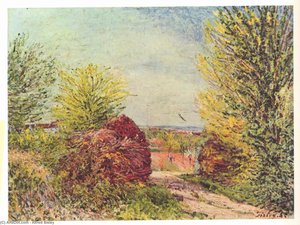
The Bridge at Moret


Alfred Sisley's 'The Bridge at Moret' captures the serene beauty of a French landscape in quintessential Impressionist style. This 1893 oil painting evokes tranquility and light, showcasing Sisley’s mastery of capturing fleeting moments. Discover this iconic artwork today.
 Rodyti daugiau
Alfredas Sislėjus (1839–1899) – ramus impresionizmo meistras, kurio peizažai atspindi šviesos ir gamtos grožį. Jo kūriniuose - ramybė, subtilios spalvos ir ypatinga vieta upių bei kaimo kraštovaizdžių vaizduose.
Rankų darbo aliejinės reprodukcijos
Rankiniu būdu tapytas aliejus ant droblio jūsų pageidaujamame dydį ir rėmuose – mūsų menininkų darbas pagal užsakymą. ( Perjungti į spausdinimą Perejti prie skaitmeninių vaizdų)




P118B €10

P118H €10

P118W €10

P438Z €10

P508JH €12

P508YH €12

P805H €10

P805Z €10

P919BZ €10

P919G €10

P919XJ €10

P959ZH €10

P968JZ €12

W106C €8

W218G €10

W218JH €8

W218Y €10

W307PJ €10

W316G €10

W316PJ €8

W316Y €10

W398PJ €8

W4111J €10

W500HY €15

W500JH €15

W692G €12

W849H €8

W940BG €15

W953PJ €8




Standartinis
individualaus dydžio
CM
INCH
Pasirinkite iš mūsų nustatytų dydžių, atitinkančių originalaus meno kūrinio proporcijas.
Loading sizes...

plotis
aukštis
Įveskite jums reikiamą plotį ir aukštį, kad paveikslas atitiktų jūsų rėmą ar sieną. Kadangi šis darbas yra rankinio darbo, siekiant išgauti kitokio formos dydį, paveikslas gali būti šiek tiek didesnis (nuo kraštų bus palikta daugiau erdvės) arba mažesnis – pasirinkite jums patogiausią variantą. Prieš pradedant tapyti, atsiųsime jums skaitmeninį maketą patvirtinimui. Šioje puslapio nuotraukoje matomas vaizdas nėra galutinis rezultatas – jį parodys tik sukurtas maketas.
Ką galima pakeisti (pavyzdžiai): Pakeisti veidą į kliento nuotrauką; Pridėti augintinį (pvz., pakeisti katę šunimi); Įtraukti paslėptą žinutę fone; Pakeisti fono kraštovaizdį ar elementus.
Gavus užsakymą, TopImpressionists.com komanda susisieks su klientu el. paštu dėl instrukcijų ir pateiks maketo pavyzdį
Gavus užsakymą, TopImpressionists.com komanda susisieks su klientu el. paštu dėl instrukcijų ir pateiks maketo pavyzdį
Pristatymas visame pasaulyje () per 3–4 savaites, o ne įprastai – per 5 savaites. (23 spalis). Kokybė lieka nepakeičiama.

Nemokamas greitasis pristatymas visame pasaulyje

Aukštos kokybės lininis drobė

Pilnas siuntimo draudimas

Muitinės mokesčių grąžinimo garantija

Tikro spalvų atitikimo garantija

100 dienų grąžinimo politika (tik esant įtaigoms)

100% pinigų grąžinimo garantija

Nuolaida dideliems užsakymams
 Stiklo variantas prieinamas tik pasirinkus dydį iki 110 cm

The Bridge at Moret
Reprodukcijos technika
Reprodukcijos dydis
-


Visų pasirinktų variantų kaina
€ 236
The Bridge at Moret: A Symphony of Light and Tranquility
Alfred Sisley’s “The Bridge at Moret” is more than just a depiction of a rural French scene; it's an immersion into the very soul of Impressionism. Painted in 1893, this oil on canvas captures a fleeting moment – a bridge spanning a serene river, bisecting a small town bathed in the soft glow of afternoon light. The painting’s enduring appeal lies not just in its picturesque subject matter but in Sisley's masterful ability to translate his immediate sensory experience onto the canvas, embodying the core tenets of the movement that sought to capture the ephemeral qualities of light and color.
Sisley, a British-born painter who spent his career in France, was deeply influenced by the Romantic landscape tradition, yet he forged his own path within the burgeoning Impressionist circle. His work is characterized by a remarkable sensitivity to atmosphere, achieved through meticulous observation and a deliberate rejection of traditional academic techniques. Unlike artists focused on precise detail and polished surfaces, Sisley prioritized conveying the *impression* of a scene – the way light dances across water, the subtle shifts in color as shadows lengthen, the overall feeling of tranquility.
A Window into Impressionist Technique
- Color Palette: The painting’s dominant hues—muted greens, blues, and browns—are carefully layered to create a sense of depth and atmosphere. Sisley employed broken brushstrokes, applying paint in short, distinct dabs rather than blending them smoothly, a technique that allowed the colors to mix optically in the viewer's eye.
- Light as Subject: The most striking element is undoubtedly the play of light. Sisley expertly captures the effects of sunlight filtering through trees and reflecting off the water’s surface, creating shimmering highlights and subtle gradations of tone. This focus on light—a hallmark of Impressionism—elevates the scene beyond a simple landscape to a study in visual perception.
- Brushwork: Notice the loose, expressive brushstrokes that define the bridge, the buildings, and the foliage. These aren’t attempts to meticulously render every detail; instead, they convey movement, energy, and the artist's immediate response to the scene.
Historical Context and Symbolism
“The Bridge at Moret” was created during a pivotal moment in art history – the rise of Impressionism challenged the established norms of the Salon, the official art exhibition in Paris. Sisley’s work reflects this spirit of rebellion, embracing spontaneity and subjective experience over academic conventions. The bridge itself can be interpreted as a symbol of connection—linking the town to the river, and perhaps, representing the artist's own journey through artistic exploration.
The painting is currently housed in the Musée d’Orsay in Paris, a testament to its enduring significance within the Impressionist canon. Its presence alongside works by Monet and Pissarro further solidifies Sisley’s place as a key figure in this revolutionary movement. Its historical context adds another layer of appreciation; it's a snapshot of rural France at the turn of the 20th century, a time of social change and artistic innovation.
Bringing “The Bridge at Moret” into Your Space
A hand-painted reproduction of “The Bridge at Moret” offers a unique opportunity to bring this iconic Impressionist masterpiece into your home or office. TopImpressionists’s meticulous reproductions capture the essence of Sisley's original, faithfully recreating the painting's delicate color palette and expressive brushwork. Whether adorning a formal living room or adding a touch of tranquility to a workspace, this artwork will undoubtedly become a focal point, sparking conversation and inspiring contemplation.
问答 (or more naturally for a website heading): Klausimai ir atsakymai
Kuriam menininkui priskiriamas kūrinys „The Bridge at Moret“?
„The Bridge at Moret“ priskiriamas Alfredas Sislėjus.
Ar yra vadovas kūriniui „The Bridge at Moret“, autorius – Alfredas Sislėjus?
„The Bridge at Moret“, autorius – Alfredas Sislėjus Gidas puslapioje galima rasti spausdinamą dviejų lapų informacinę lentelę: kūrinį su jo tapatybės lentele, dešimtmečių juostą, nurodančią laikotarpį, kuriame gyveno paveikslas, kitus šio kūrinio autoriaus darbus, išmatuotą spalvų paletę bei keturiomis stiliais paruoštus citavimo pavyzdžius.
Kokio dydžio „The Bridge at Moret“, autorius – Alfredas Sislėjus spausdinimas tinka rekomenduojamai patalpai?
Living Room erdvėje „The Bridge at Moret“ siūloma spausdinti Large dydžiu.
Susiję kūriniai




Autoriaus biografija
Alfredas Sislėjus: Šviesos ir Peizažo Simfonija
Alfredas Sislėjus, vardas, dažnai minimas kartu su Monetu, Renaru ir Pisaru, užima unikalų ir giliai gražųjį kampelį impresionizmo judėjime. Gimė 1839 m. spalio 30 d. Paryžiuje, britų kilmės tėvams – Viljamui Sislėjui, audinių verslininkui, ir Felicia Sell, muzikos entuziastei, jis nešė dvigubą palikimą, subtiliai paveikusį jo meninę viziją. Nors beveik visą gyvenimą praleido Prancūzijoje, Sislėjus išlaikė britų pilietybę, faktas, kuris vėliau gyvenime sukėlė jam asmeninį nusivylimą, kai buvo atsisakyta suteikti Prancūzijos pilietybės. Jo ankstyvieji metai buvo patogūs ir priklausantys buržuazijai, suteikę galimybę studijuoti, pirmiausia skirtas komercinei karjerai Londone aštuoniolikties metų amžiaus. Tačiau meno vilionė pasirodo buvusi stipresnė, ir 1861 m. jis grįžo į Paryžių, pradėdamas formalų mokymąsi Šveicarų dailininko Marco-Charleso-Gabrielo Gleyre’o studijoje Liubilio meno akademijoje. Būtent čia, tarp to meto meninės fermentacijos auksinių metų, Sislėjus sukūrė svarbius ryšius su Monetu, Renaru ir Baziliu – santykiai, kurie giliai paveiks jo meninę trajektoriją. Šie bendražygiai dalijosi maištausiu dvasia, atsisakydami akademinio tapybos standumo, siekdami tiesiogiai iš gamtos užfiksuoti praeinančias šviesos ir atmosferos efektus.Tylus Impresionizmo Virtuožas
Sislėjaus nepajudinama dedikacija *plein air* tapybai – dirbant lauke, tiesiogiai stebint gamtos pasaulį – buvo neatsiejama jo būtinybė. Skirtingai nuo kai kurių jo tolimačio kolegų, kurie eksperimentavo su įvairiais žanrais, Sislėjus liko nepajudintas atsidavęs peizažui visą savo karjerą. Šis susitelkęs pasišventimas leido jam išlavinti savitą stilių, pasižymintį ramybe, subtilia spalvų palete ir švelniu šviesos perteikimu. Jo drobės dažnai teikia blyškiai žalių, rožinių, violetinių, dulmingai mėlynų ir kreminių atspalvių jūrą, sukuriant tyloje apmąstymo atmosferą. Nors ankstyvieji darbai išliko didžiuliame laiko debesyje, jo brandesnės drobės atskleidžia kruopštų gamtos stebėjimą kartu su poetišku jausmu. Jis nebuvo susidomėjęs didelėmis naratyvomis ar dramatiškais gestais; jis rado grožį kasdieniame – švelniame upių sraute, pro medžių lapiją filtruojamoje saulės šviesoje ir kaimo gyvenimo tyliajame žavesyje. Jo ankstyvieji pripažinimo sunkumai buvo sustiprinti jo tėvo finansinių sunkumų po 1870 m. Prancūzijos-Prūsijos karo, dėl kurių Sislėjui teko pasikliauti tik savo meno pardavimu išsilaikymui – nepatvariam egzistencijai, kuris šešėliavo didelę jo karjerą. Jis buvo tikras impresionistas, tačiau vienas, kuris dažnai dirbo santykinėje užmarškose per savo gyvenimą.Upės, Kanalai ir Vietos Esencija
Sislėjaus kūriniuose dominuoja kartojantis motyvas – jo susižavėjimas vandeniu. Upės peizažai tapo savotišku ženklu, pavyzdžiui, 1874 m. Anglijos kelionės metu Temės upėje Molesey sukurtų paveikslų serija. Šie darbai, kuriuose užfiksuota rami upės ir jos apylinkių grožio esmė, laikomi tarp jo geriausių pasiekimų – „puikiu impresionizmo momentu“, kaip juos pavadino meno istorikas Kennethas Clarkas. Jis taip pat sukūrė gilų ryšį su Moret-sur-Lueno miesteliu, kuriame praleido daugelį metų, amžiname kanaluose, tiltuose ir apylinkės kaimo kraštovaizdyje įamžindamas savo drobėmis. Tokie paveikslai kaip „Vandens malūnas netoli Moreto“, „Barge Loing kanale, pavasaris“ ir „Laukai aplink mišką“ parodo jo gebėjimą paprastas scenas įkvėpti poetiško grožio pojūtį. Jis ne tik piešė šias vietas; jis užfiksavo jų *esenciją*, perteikdamas ne tik tai, kaip jos atrodė, bet ir ką joms reiškia – švelnų vėjelį, saulės šilumą, vandens tylų murmėjimą. Šis atmosferai ir nuotaikai skirtumas yra galbūt Sislėjaus ilgalaikis palikimas.Įtaka ir Paveikslas
Sislėjaus meninė įtaka buvo daugialypė. Gleyre’o akademiniai mokymai suteikė technikos pagrindą, o draugystė su Monetu, Renaru ir Baziliu skatino bendrą atsidavimą impresionistiniams principams. Jis pasisemdė jų pabrėžimo užfiksuoti praeinančius šviesos ir atmosferos momentus, bet išlavino savo unikalų balsą – pasižymintį santūrumu ir subtilumu. Nors jis dažnai dirbo santykinėje užmarškose per savo gyvenimą, Sislėjaus darbai dabar yra švenčiami dėl jų grožio, jautrumo ir nepajudinančio atsidavimo gamtos vaizdavimui. Jo įtaka galima pamatyti vėlesnių peizažo dailininkų darbuose, kurie siekė užfiksuoti praeinančias šviesos ir atmosferos savybes panašiu niuansu. Jis mirė 1899 m. sausio 29 d., būdamas penkiasdešimt devynių metų, Moret-sur-Lueno miestelyje, palikęs kūrinį, kuris ir toliau įkvepia nuostabą ir gerbėjus. Alfredas Sislėjus yra liudijimas tylaus stebėjimo galiai, rodantis, kad tikra meninė meistriškumo slypi ne dideliuose gestuose, bet gebėjime atskleisti nepaprastą grožį, paslėptą įprastoje pasaulyje. Jis yra svarus ryšys tarp Barbizono mokyklos, su jos dėmesiu realistiniam peizažo tapybai, ir Impresionizmo pilno žydėjimo.Palaikomas reikšmingumas
Sislėjaus istorinis reikšmingumas eina už jo techninių įgūdžių ir estetinio pojūčio ribų. Jo nepajudinama dedikacija *plein air* tapybai, net susiduriant su finansiniais sunkumais ir kritiniu abejingumu, atidarė kelią ateinančioms kartoms dailininkų, kurie siekė išsilaisvinti nuo akademinio standumo ir priimti tiesesnį santykį su gamta. Jo paveikslai leidžia pažvelgti į greitai besikeičiantį pasaulį – pasaulį, esantį modernumo slapyje – ir primena apie meno galimą užfiksuoti grožį ir ramybę netgi labiausiai nuolatinėse vietose. Jis buvo, ir išlieka, šviesos, atmosferos ir natūralaus pasaulio tylios poezijos meistras.- Pagrindinės temos: Peizažai, upių peiza

Alfredas Sislėjus
1839 - 1899 , Prancūzija
Trumpa informacija apie kūrėją
- Gimimo Data: 1839-10-30
- Gimimo Vieta: Paryžius, Prancūzija
- Meninis Stilius: Impresionizmas
- Mirties Data: 1899-01-29
- Paveikė Šie Dailininkai:
- Gleyre
- Monė
- Renoras
- Pilnas Vardas: Alfredas Sislėjus
- Tautybė: Britų–Prancūzų
- Įtakojo Šiuos Stiliumi: ['Vėlesni peizažo dailininkai']
- Žymiausi Kūriniai:
- Vandens malūnas
- Bargės ant Loingo kanalo
- Laukai aplink mišką
Susiję straipsniai

Capturing Emotion: A Journey Through the Soul of Expressionist Landscapes
Explore the profound emotional depth of Expressionist landscapes. Discover how Post-Impressionist masters moved beyond light to capture the soul through vibrant color and form. A curated journey for true art lovers seeking the beauty of expressive mastery.

The Magic of Lithography: Capturing Light and Texture in Every Impressionist Print
Discover the enchanting world of lithography through an Impressionist lens. Explore how this timeless technique captures the luminous light and delicate textures of masters like Monet and Renoir, offering a profound way to bring art history into your home with elegance and soul.
Tyrinėkite meno kūrinius, suskirstytus pagal temas, stilius ir savybes.


