


 Peržiūrėti realaus dydžio版
 Siųsti
 Dalintis
 Išsamiau
 Vadovas

 Atsisiųsti
 Panašūs eksponatai
 Rentgeno spindulių nuotrauka
 Diaporama
 Statistika
Salome litho
 Lithograph
- Art Nouveau
 1897
1897- 19th Century
 41.0 x 31.0 cm
Experience the flowing elegance of Alphonse Mucha's Art Nouveau Salome litho from 1897, capturing mystique with sinuous lines; discover this masterpiece today.
 Rodyti daugiau
Alphonse Mucha (1860-1939) – garsiausias Art Nouveau meistras! Atraskite ikoniškus plakatus, nuostabius moterų portretus ir monumentalųjį ciklą „Slavų epas“. Čekų meno legenda.
Rankų darbo aliejinės reprodukcijos
Rankiniu būdu tapytas aliejus ant droblio jūsų pageidaujamame dydį ir rėmuose – mūsų menininkų darbas pagal užsakymą. ( Perjungti į spausdinimą Perejti prie skaitmeninių vaizdų)




P118B €10

P118H €10

P118W €10

P438Z €10

P508JH €12

P508YH €12

P805H €10

P805Z €10

P919BZ €10

P919G €10

P919XJ €10

P959ZH €10

P968JZ €12

W106C €8

W218G €10

W218JH €8

W218Y €10

W307PJ €10

W316G €10

W316PJ €8

W316Y €10

W398PJ €8

W4111J €10

W500HY €15

W500JH €15

W692G €12

W849H €8

W940BG €15

W953PJ €8




Standartinis
individualaus dydžio
CM
INCH
Pasirinkite iš mūsų nustatytų dydžių, atitinkančių originalaus meno kūrinio proporcijas.
Loading sizes...

plotis
aukštis
Įveskite jums reikiamą plotį ir aukštį, kad paveikslas atitiktų jūsų rėmą ar sieną. Kadangi šis darbas yra rankinio darbo, siekiant išgauti kitokio formos dydį, paveikslas gali būti šiek tiek didesnis (nuo kraštų bus palikta daugiau erdvės) arba mažesnis – pasirinkite jums patogiausią variantą. Prieš pradedant tapyti, atsiųsime jums skaitmeninį maketą patvirtinimui. Šioje puslapio nuotraukoje matomas vaizdas nėra galutinis rezultatas – jį parodys tik sukurtas maketas.
Ką galima pakeisti (pavyzdžiai): Pakeisti veidą į kliento nuotrauką; Pridėti augintinį (pvz., pakeisti katę šunimi); Įtraukti paslėptą žinutę fone; Pakeisti fono kraštovaizdį ar elementus.
Gavus užsakymą, TopImpressionists.com komanda susisieks su klientu el. paštu dėl instrukcijų ir pateiks maketo pavyzdį
Gavus užsakymą, TopImpressionists.com komanda susisieks su klientu el. paštu dėl instrukcijų ir pateiks maketo pavyzdį
Pristatymas visame pasaulyje () per 3–4 savaites, o ne įprastai – per 5 savaites. (22 spalis). Kokybė lieka nepakeičiama.

Nemokamas greitasis pristatymas visame pasaulyje

Aukštos kokybės lininis drobė

Pilnas siuntimo draudimas

Muitinės mokesčių grąžinimo garantija

Tikro spalvų atitikimo garantija

100 dienų grąžinimo politika (tik esant įtaigoms)

100% pinigų grąžinimo garantija

Nuolaida dideliems užsakymams
 Stiklo variantas prieinamas tik pasirinkus dydį iki 110 cm

Salome litho
Reprodukcijos technika
Reprodukcijos dydis
-


Visų pasirinktų variantų kaina
€ 236
The Enigmatic Allure of Art Nouveau
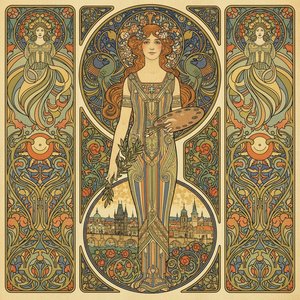
To gaze upon Alphonse Maria Mucha's Salome litho is to step directly into the opulent dreamscape of the late nineteenth century. This piece is not merely an illustration; it is a visual poem rendered in ink and pigment, encapsulating the very spirit of Art Nouveau. The style itself—with its sinuous, whiplash curves and organic embrace of form—was a deliberate rebellion against the rigid structures of academic art. Mucha masterfully channeled this movement's ethos, creating an aesthetic that celebrates nature’s fluidity and the exquisite curve of the human figure. Every flowing strand of hair, every drape of fabric, seems to move with an internal, rhythmic life, drawing the viewer into its mesmerizing current.
Composition and Mystique
At the heart of the composition stands the central figure, Salome, whose presence is both captivating and deeply enigmatic. She is depicted in a state of poised concentration, her upward gaze suggesting communion with something unseen or divine. Her flowing gown seems less like woven material and more like liquid silk caught mid-swirl. The inclusion of the large wheel or spinning top adds an intriguing layer of symbolism—a suggestion of cyclical time, fate, or perhaps the turning nature of earthly desires. Flanking her, the two background figures complete a tableau vivant, grounding the central mystery within a richly populated narrative space. It is this careful orchestration of forms and gazes that gives the artwork its profound sense of mystique.
Historical Echoes and Symbolism
The choice of Salome, a figure steeped in biblical lore, speaks volumes about the cultural currents of Mucha's time. The late nineteenth century saw an intense fascination with mythology, the exotic, and narratives that touched upon profound spiritual or dramatic themes. Mucha did not simply illustrate a story; he imbued it with universal symbolism. The interplay between the earthly beauty of the woman and the weight of her narrative suggests a contemplation on desire, devotion, and the passage from mortal life to mythic legend. For the modern collector, this piece offers a tangible connection to an era when art was deeply intertwined with storytelling and decorative splendor.
Bringing Salon Grandeur Home
The reproduction of this 1897 lithograph allows contemporary interiors to absorb the grandeur of a bygone artistic epoch. The delicate detail inherent in Mucha's technique—the way light seems to catch on jewelry, or how the background elements blend into the main subject—demands appreciation up close. Whether placed above a mantelpiece or incorporated into a gallery setting, this artwork acts as an immediate focal point, lending an air of sophisticated, bohemian elegance. It is a piece that whispers tales of Parisian salons and Bohemian artistry, transforming any space it graces with enduring beauty and artistic depth.
问答 (or more naturally for a website heading): Klausimai ir atsakymai
Ar „Salome litho“, autorius – Alfonzas Muha priklauso labiausiai siekiamų Art Nouveau kūrybos veikalų?
Kataloge kūrinys „Salome litho“ vertinamas kaip Iconic tarp Art Nouveau stiliaus darbų.
Kaip galiu peržiūrėti „Salome litho“, autorius – Alfonzas Muha kaip diorama?
Galima peržiūrėti nuotraukų rodyklę: Diaporama puslapį kūriniam „Salome litho“, autorius – Alfonzas Muha.
Kokia yra „Salome litho“ tema ir kokią atmosferą ji sukuria?
„Salome litho“ vaizduoja art nouveau, salome, mythology, flowing lines, elegance, figurative art, 19th century, o jo perteikiama nuotaika yra Mystical.
Autoriaus biografija
Ankstyvas gyvenimas ir išsilavinimas
Alfonzas Marija Mucha (Alfonsas Mucha) gimė 1860 metų liepos 15 dieną Ivaničicėje, Moravijoje (dabartinėje Čekijos Respublikoje). Netrukus pasireiškė jo meninis talentas. Studijavo meno akademijoje Prahoje, tačiau nusivylęs tradiciniais metodais, 1887 metais persikėlė į Paryžių, siekdamas kurti savitu stiliumi. Šis sprendimas tapo lemtingu žingsniu jo kūrybiniame kelyje, atvėrusiu duris į naują meno erą – Art Nouveau. Jaunasis Mucha greitai susipažino su Paryžiaus bohemos gyvenimu ir ėmėsi įvairių užsakymų, kad išgyventų, tačiau jo širdyje degė troškimas rasti savitą kalbą meno pasaulyje.Meninis stilius ir reikšmingiausi darbai
Mucha greitai susiformavo ryškus Art Nouveau stilius, pasižymintis srauniomis linijomis, organinėmis formomis ir judėjimo įspūdiu. Jo kūriniuose dominuoja dekoratyvumas, simbolizmas ir moterų įvaizdžiai. Menininkas buvo paveiktas tokio menininko kaip Pierre-Auguste Renoir ir Gustave Moreau darbų. Žymiausi darbai:- Slavų sukilimas – demonstruoja tradicinių čekų motyvų derinį su moderniais Art Nouveau elementais.
- Salon des Cent - puikiai atspindi jo stiliaus eleganciją ir dekoratyviškumą.
- Tapybos darbai, įkvėpti Gustave Moreau kūrinių, pavyzdžiui, Tespio dukterys, ir Piero Dorazio La Ribambelle des Gobelins.
- Iliustracijos pagal Sir Huberto von Herkomer darbą Jauni ūkininkai skinantys linus.
Karjeros aukštumos ir svarbiausi užsakymai
- Bendradarbiavimas su Sarah Bernhardt: 1894 metais Mucha sukūrė plakatus ir dizainus aktorei Sarah Bernhardt, pradėdamas nuo Gismonda plakatų, kurie suteikė jam didžiulį populiarumą.
- Universalinė paroda Paryžiuje (1900): Jo Art Nouveau stilius sulaukė tarptautinio pripažinimo šioje parodoje. Jis dekoravo Bosnijos ir Hercegovinos paviljoną ir bendradarbiavo prie Austrijos paviljono įrengimo.
- Charles Richard Crane globa: Gavęs paramą iš Charles Richard Crane, Mucha sukūrė monumentalų ciklą Slavų epas (1912–30).
- Nepriklausomos Čekoslovakijos kūrimas: Sukūrė pašto ženklus, banknotus ir vyriausybės dokumentus naujai nepriklausomai Čekoslovakijai.
Įtakos ir palikimas
Mucha buvo paveiktas čekų meno tradicijų ir modernių Europos meno judėjimų. Jo unikalus stilius atvėrė kelią ateities kartoms Art Nouveau ir Secesijos stilistikoje. Įkvėpė kitus menininkus, pavyzdžiui, Evą Prokopcovą. Jo darbai iki šiol įkvepia dizainerius ir estetus visame pasaulyje. Muchos palikimas apima ne tik jo meno kūrinius, bet ir didelę įtaką grafikos dizainui, interjerų dekoravimui bei bendrai estetikai. Slavų epas, kaip monumentalus istorinis projektas, atspindi menininko patriotiškumą ir meilę savo šaliai.Vėlesnis gyvenimas ir mirtis
- 1906 metais vedė Maruską (Mariją/Mariyą) Chytilovą.
- Nuo 1906 iki 1910 metų apsilankė Jungtinėse Amerikos Valstijose, kur gimė dukra Jaroslava.
- Mirė 1939 metų liepos 14 dieną Prahoje, Čekoslovakijoje.

Alfonzas Muha
1860 - 1939 , Čekija
Trumpa informacija apie kūrėją
- Gimimo Data: 1860 m. liepos 15 d.
- Gimimo Vieta: Brno, Čekija
- Meninis Stilius: Art Nouveau
- Mirties Data: 1939 m.
- Pilietybė: Čekas
- Pilnas Vardas: Alphonse Maria Mucha
- Įtakoję Menininkai:
- Pierre-Auguste Renoir
- Gustave Moreau
- Įtakoti Menininkai: ['Eva Prokopcová']
- Žymiausi Darbai:
- Slavų sukilimas
- Salon des Cent
Susiję straipsniai
Alphonse Mucha: A Comprehensive Exploration of Art Nouveau's Master of Decorative Symbolism
Explore the life & art of Alphonse Mucha, master of Art Nouveau! Discover his iconic posters, stunning illustrations, and the monumental Slav Epic. A comprehensive guide for collectors & enthusiasts.

Giclée Prints: Archival Quality & Aesthetic Nuances for the Discerning Collector
Explore the world of giclée prints with TopImpressionists. Learn about archival quality, aesthetic nuances & investment potential. Expert guidance for discerning art collectors seeking museum-quality reproductions and lasting value.

Top 10 Lithographs That Revolutionized Art | TopImpressionists
Explore 10 legendary lithographs by Toulouse-Lautrec, Munch & Picasso that redefined art! Discover the stories behind these iconic prints and find museum-quality reproductions for your home decor at TopImpressionists.com. Explore the full collection online.

Art Nouveau: 10 Šedevrai, Apibrėžę Dekoratyvinio meno Era | TopImpressionists
Atraskite 10 legendinių Art Nouveau šedevrų! Gustav Klimt, Alphonse Mucha ir daugiau – meniniai pasiekimai, apibrėžę dekoratyvinio meno epochą. Pasinerkite į istorijas, spalvas ir grožį. Kokybiškos dailės reprodukcijos ir interjero idėjos TopImpressionists.com.

The Enduring Legacy of Fine Art Prints: Technique, History & Aesthetic Impact
Explore the rich history & techniques of fine art prints. Discover investment potential, assess authenticity, and learn how to preserve your collection with expert guidance. Trusted insights for discerning collectors.