


 Peržiūrėti realaus dydžio版
 Pasidalinti
 Dalintis
 Išsamiau
 Vadovas

 Atsisiųsti
 Panašūs eksponatai
 Rentgeno spindulių nuotrauka
 Automatinė diorama
 Q&A
Q&A Statistika
Landscape at L'Estaque


Experience the bold colors of Fauvism with Derain's 1906 Landscape at L'Estaque; capture this vibrant modern masterpiece for your collection.
 Skaityti daugiau
André Derain (1880-1954): Fauvizmo įkūrėjas, žinomas dėl ryškių spalvų ir ekspresyvaus stiliaus. Atraskite ikoniškus Londono paveikslus ir perėjimą prie klasicizmo.
Giclée / Meno spausdinimas
Muziejų lygio „giclée“ arba drobos spausdinimas: greita gamyba ir lankstios apdailos parinktys. ( Pirkti rankų darbo tapybą Perejti prie skaitmeninių vaizdų)




P118B €10

P118H €10

P118W €10

P438Z €10

P508JH €12

P508YH €12

P805H €10

P805Z €10

P919BZ €10

P919G €10

P919XJ €10

P959ZH €10

P968JZ €12

W106C €8

W218G €10

W218JH €8

W218Y €10

W307PJ €10

W316G €10

W316PJ €8

W316Y €10

W398PJ €8

W4111J €10

W500HY €15

W500JH €15

W692G €12

W849H €8

W940BG €15

W953PJ €8




Standartinis dydis
pagal užsakymą
CM
INCH
Pasirinkite iš mūsų nustatytų dydžių, atitinkančių originalaus meno kūrinio proporcijas.
Loading sizes...

plotis
aukštis
Įveskite jums reikiamą plotį ir aukštį, kad atvaizdas derėtų prie jūsų rėmo ar sienos. Spausdiną galima tik sumažinti, bet nepadidinti virš originalaus paveikslėlio dydžio, todėl keičiant proporcijas, dalis vaizdo prarandama. Prieš spausdinimą atsiųsime jums skaitmeninį maketą patvirtinimui. Šioje puslapio nuotraukoje matomas pjūvis nėra tikslus – jį rodo tik maketas.
Pristatymas visame pasaulyje () per 2 weeks, o ne įprastas 4/5 savaičių laikotarpis. (30 spalis)

Nemokamas greitasis pristatymas visame pasaulyje

Aukštos kokybės lininis drobė

Pilnas siuntimo draudimas

Muitinės mokesčių grąžinimo garantija

Tikro spalvų atitikimo garantija

100 dienų grąžinimo politika (tik esant įtaigoms)

100% pinigų grąžinimo garantija

Nuolaida dideliems užsakymams
 Stiklo variantas prieinamas tik pasirinkus dydį iki 110 cm

Landscape at L'Estaque
Giclée / Meno spausdinimas
Reprodukcijos matmenys
-


Bendroji kaina
€ 61
The Unbridled Joy of Color: Exploring Derain's Landscape at L'Estaque
To stand before André Derain’s Landscape at L'Estaque is not merely to observe a scene; it is to be enveloped by a burst of pure, unadulterated chromatic energy. Painted in 1906, this oil on canvas stands as a vibrant manifesto of the Fauvist movement—a style that dared to liberate color from the shackles of mere description. Here, the natural world of L'Estaque is rendered not with photographic accuracy, but with an emotional resonance so potent it vibrates off the canvas. The composition itself draws the eye into a dynamic tableau: a wooded area framed by sturdy buildings and bisected by a lively road. It feels like stumbling upon a sun-drenched afternoon outing, alive with the murmur of activity.
A Masterclass in Fauvist Expression
The genius of this piece lies in its radical departure from academic tradition. The Fauves, as they were famously dubbed, understood that color possessed an inherent emotional vocabulary far richer than mere pigment could convey. Derain employs bold, assertive hues—the greens of the trees are not subtle forest tones, but vibrant declarations; the blues and yellows sing against each other with joyous abandon. This technique forces the viewer to look beyond what they know a landscape should look like and instead feel how it *feels*. The energetic brushstrokes are palpable, suggesting the speed of life passing through this momentary snapshot—the movement of the visible cars, the casual presence of the two figures near the center and right.
Historical Echoes and Modernist Spirit
This work is deeply rooted in the revolutionary spirit of early 20th-century Paris. Emerging from a period where artists sought to break entirely with established representational norms, Derain channeled the raw power of color as an end in itself. The context of the Salon d'Automne, which championed such innovative works, imbues this painting with historical weight. It is a tangible artifact of modernism’s dawn—a moment when art declared that feeling was more important than fidelity. Owning a reproduction allows one to connect directly with that pivotal cultural shift.
Bringing the Vibrancy Home
For the collector or designer, Landscape at L'Estaque offers far more than just decoration; it offers an infusion of spirited vitality into any space. The interplay between the structured geometry of the buildings and the wild exuberance of the foliage creates a perfect visual tension. Imagine this piece anchoring a room—its bold palette acts as a joyful counterpoint to muted furnishings, demanding attention while simultaneously radiating warmth. It is a celebration of life’s simple pleasures viewed through the most exhilarating lens of artistic vision.
Klausimai ir atsakymai
Kiek harmoningai dera „Landscape at L'Estaque“ – Andrė Derenas spalvos?
„Landscape at L'Estaque“ – Andrė Derenas spalvos于demonstruoja Discordant Palette harmoniją. Harmonija apibūdina, kaip spalvos dera viena su kita.
Kur galiu rasti „Landscape at L'Estaque“ vadovą?
„Landscape at L'Estaque“ – Andrė Derenas Informacinė medžiaga puslapioje galima rasti spausdinamą dviejų lapų informacinę lentelę: kūrinį su jo tapatybės lentele, laikotarpį nurodantį juostą, atitinkantį gyvenimo metus, kitus šio autoriaus darbus, išmatuotą spalvų paletę bei keturiomis stiliais paruoštus citavimo pavyzdžius.
Kokia spausdinimo konfigūracija rekomenduojama kūriniui „Landscape at L'Estaque“ – Andrė Derenas?
Dėl „Landscape at L'Estaque“ rekomenduojamas spausdinimo nustatymas yra Medium dydžio ir Landscape orientacijos.
panašūs kūriniai


Autoriaus biografija
Ankstyvas gyvenimas ir Fauvizmo sėklos
André Derainas, gimęs 1880 metais žavingame Šatuo kaime netoli Paryžiaus, iš pradžių nebuvo lemta gyventi tapybai ir drobėms. Priešingai nei kartais pasakojama apie staigų artistinį pabudimą susitikimų su tokiais dailininkais kaip Vlaminck ar Matisse dėka, Derainas ėmėsi meno kelio savarankiškai maždaug 1895 metais. Šios pirmosios patirtys dažnai vykdavo kartu su tėvu Jacominu ir jo sūnumis kaimo ekskursijų metu – formacinis įvykis, suteikęs gilų natūralaus pasaulio supratimą. Trumpai studijavęs inžineriją Camillo akademijoje 1898 metais, jis lemtingai susitiko su Henri Matisse, pradėdamas svarbiausią artistinę partnerystę. Tolimesnės studijos po Eugène Carrière ugdė pagrindinius įgūdžius, tačiau karinė tarnyba nuo 1901 iki 1904 metų laikinai nutraukė jo klestėjantį darbą. Grįžęs, įtikintas Matisse tvirto tikėjimo, Derainas ryžtingai atsisakė inžinerijos ir visiškai pasišventė tapybai, tęsdamas studijas Julian akademijoje. Šis sprendimas buvo lūžio taškas, nukreipęs jį į vieno modernaus meno revoliucingiausių judėjimų centrą.Sprogus spalvų gimimas: Fauvizmas
1905 metų vasara tapo sprogiu momentu Derainui ir Matisse, bendradarbiaujant saulės spinduliuose nušviestame Koljūro pakrantės kaime. Šis laikotarpis pagimdė darbus, tokius kaip „Kalnai Koljūre“, kuriuos apibūdino radikali atsiskyrimas nuo reprezentacinės spalvos. Kraštovaizdžiai nebuvo tik vietų vaizdai; tai buvo jausmų išreiškimai, perteikti intensyviais, nenatūraliais atspalviais. Kai jų darbai buvo eksponuoti tame pačiame 1805 metais Salon d'Automne, jie sukėlė pasipiktinimą ir nuostabą. Kritikas Louis Vauxcelles garsiai juos pavadino „Les Fauves“ – laukiniais žvėrimis – vardas iš pradžių buvo skirtas pajuokai, tačiau vėliau patys menininkai jį priėmė. Deraino indėlis į šį judėjimą nebuvo tik stilistinis; jis turėjo unikalų gebėjimą versti emocinį intensyvumą gryna spalva. 1906 metais Ambroise Vollard pavedė jam nutapyti Londoną, sukuriant įspūdingų drobelių seriją, vaizduojančią Temzę ir Tower Bridge. Tai nebuvo įprasti miesto peizažai; tai buvo drąsios interpretacijos, užfiksuojančios Londono energiją ir atmosferą netradiciniu požiūriu – Deraino novatoriškos vizijos liudijimas. Įkvėptas tokių menininkų kaip Van Goghas ir Cézanne, jis stumtelėjo spalvų ir formų ribas, padėdama pamatus būsimoms ekspresionistų kartoms.Už Fauvizmo: Besikeičianti estetika
Pradinė Fauvizmo ugnis neapibrėžė viso Deraino artistinio kelio. Maždaug 1907 metais jo stilius pradėjo reikšmingai keistis, pereinant nuo nerūdomo chromatinio puotų prie subtilesnių tonų ir didesnio dėmesio formai. Šis laikotarpis, dažnai vadinamas jo „gotikos“ faze (1911–1914 metais), atspindėjo augantį susidomėjimą struktūra ir kompozicija. Jis pasinėrė į Senųjų meistrų studijas, įtraukdamas kubizmo elementus, tuo pat metu ieškodamas įkvėpimo klasikinėmis formomis. Tai nebuvo atsisakymas nuo ankstesnio darbo, o greičiau jo artistinio žodyno plėtimasis. Deraino universalumas apėjo tapybą; 1919 metais jis sukūrė baletą „La Boutique Fantasque“ Sergejaus Diagilevo Ballets Russes, pademonstruodamas savo teatrinio dizaino talentą ir toliau rodydamas įvairiapusį talento spektrą. Pagrindiniai šios epochos darbai, tokie kaip „Harlekinas ir Pierrot“ ir monumentalus muralas „Ulisso grįžimas“, pavyzdžioja šį stilistinį poslinkį – perėjimą prie labiau valdomo ir intelektualiai griežto meno kūrimo būdo.Palikimas ir sudėtingumas
André Deraino vieta meno istorijoje yra užtikrinta kaip Fauvizmo įkūrėjo, judėjimo, kuris nesugriaunamai pakeitė modernios tapybos eigą. Jo unikali Londono vizija, užfiksuota ryškiuose drobiniuose, pasiūlė šviežią požiūrį į ikoninį miestą. Po Pirmojo pasaulinio karo jis sulaukė naujo pripažinimo už savo indėlį klasicizmo atgaivinimui, pademonstruodamas savo prisitaikymo gebėjimą ir nuolatinį artistinį aktualumą. Tačiau vėlesnis Deraino gyvenimas buvo pažymėtas kontroversijomis. Jo buvimas Vokietijoje Antrojo pasaulinio karo metais sulaukė kritikos, po karo kai kurių buvusių rėmėjų atsisakymo. Nepaisant šios šešėlio, jo įtaka vėlesnėms kartoms menininkų išlieka neabejotina. Jis mirė 1954 metais, palikęs kūrinių rinkinį, kuris ir toliau žavi ir įkvepia. Jo palikimas yra ne tik drąsių spalvų ir ekspresyvių potepių palikimas, bet ir menininko, nuolat save iššūkių ieškodamas, tyrinėjusio naujas raiškos galimybes ir padariusio neišdildomą įspūdį modernaus meno kraštovaizdyje. Jis yra tikras artistinės inovacijos galios liudijimas ir sudėtingumas, susijęs su sparčiai besikeičiančiame pasaulyje. Deraino kelionė primena mums, kad tikra meninė meistrybė slypi ne vieno stiliaus laikymesi, o nuolatinėje kūrybinės tiesos paieškoje.
Andrė Derenas
1880 - 1954 , Prancūzija
Trumpa informacija
- Gimimo Data: 1880 m. birželio 10 d.
- Gimimo Vieta: Šatu, Prancūzija
- Menininkai, Kuriuos Įtakojo:
- Matisas
- Kubizmas
- Meninis Stilius: Fauvizmas, Kubizmas
- Mirties Data: 1954 m. rugsėjo 8 d.
- Pilietybė: Prancūzas
- Pilnas Vardas: André Derain
- Įtakoję Menininkai:
- Van Goghas
- Sezanas
- Žymiausi Darbai:
- Kalnų peizažas Koljure
- Harlekinas ir Pjero
- Arbatos puodelis
Susiję straipsniai

André Derain: Fauvism's Bold Visionary & the Evolution of Modern Color
Explore the revolutionary art of André Derain, co-founder of Fauvism. Discover his bold use of color, evolution from radical expressionism to classicism, and lasting influence on modern art history. Learn more at TopImpressionists.

Bold Strokes & Powerful Visions: 10 Artworks That Command Attention | TopImpressionists
Experience art's raw power! Explore 10 iconic paintings – Van Gogh, Kahlo & more – that define 'bold'. Discover the stories behind these expressive masterpieces and find museum-quality reproductions for your home at TopImpressionists.com.

Fauvism's Boldest Visions: 10 Masterpieces That Revolutionized Modern Art | TopImpressionists
Explore 10 Fauvist masterpieces by Matisse, Derain & Vlaminck that ignited Modern Art! Discover bold colors, expressionist landscapes & the history of this revolutionary movement. Find museum-quality prints at TopImpressionists.com.
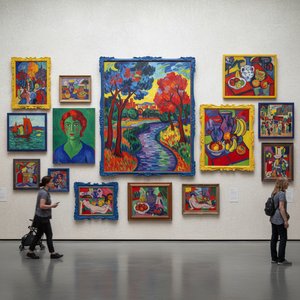
Fovizmo Deimantai: 10 Viršumų Simfonija Jūsų Interjere | TopImpressionists
Atraskite fovizmo deimantus! 10 legendinių kūrinių, kuriuos pristato Henri Matisse ir kiti. Pažinkite spalvų revoliuciją bei įkvėpkite interjero dizainui. Aukštos kokybės meninės reprodukcijos – TopImpressionists.com

Evocations of Place: A Historical Journey Through Landscape Art
Explore the rich history of landscape art with TopImpressionists. Discover renowned artists, movements like Impressionism & Romanticism, and expert guidance for collecting timeless pieces. Find your perfect serene escape today!
Tyrinėkite meno kūrinius, suskirstytus pagal temas, stilius ir savybes.

