

Shown: · With its frame:
 Peržiūrėti realaus dydžio版
 Pasidalinti
 Dalintis
 Išsamiau
 Vadovas

 Atsisiųsti
 Panašūs eksponatai
 Rentgeno spindulių nuotrauka
 Automatinė diorama
 Q&A
Q&A Statistika
 Oil On Canvas
- WallArt
- Russian Renaissance
 1410
1410 158.0 x 106.0 cm
 Tretyakovska galerija
€ 237
Rankų darbo aliejinės reprodukcijos
Rankiniu būdu tapytas aliejus ant droblio jūsų pageidaujamame dydį ir rėmuose – tai mūsų menininkų pagal užsakymą sukurtas darbas. ( Perjungti į spausdinamus版作品 Perejti prie skaitmeninių vaizdų)
Size
·Standartinis dydis
pagal užsakymą
CM
INCH
Pasirinkite iš mūsų nustatytų dydžių, atitinkančių originalaus meno kūrinio proporcijas.
Loading sizes...

plotis
aukštis
Įveskite jums reikiamą plotį ir aukštį, kad paveikslas atitiktų jūsų rėmą ar sieną. Kadangi šis darbas yra rankinio darbo, siekiant išgauti kitokios formos dydį, paveikslas gali būti šiek tiek didesnis (nuo kraštų bus palikta daugiau erdvės) arba mažesnis – pasirinkite jums patogiausią variantą. Prieš pradedant tapyti, atsiųsime jums skaitmeninį maketą patvirtinimui. Šioje puslapio nuotraukoje matomas vaizdas nėra galutinis rezultatas – jį parodys tik sukurtas maketas.
 Skaityti daugiau
Finish
·
White €1

Blurside €1

Extended €1

P118B €10

P118H €10

P118W €10

P438Z €10

P508JH €12

P508YH €12

P805H €10

P805Z €10

P919BZ €10

P919G €10

P919XJ €10

P959ZH €10

P968JZ €12

W106C €8

W218G €10

W218JH €8

W218Y €10

W307PJ €10

W316G €10

W316PJ €8

W316Y €10

W398PJ €8

W4111J €10

W500HY €15

W500JH €15

W692G €12

W849H €8

W940BG €15

W953PJ €8

H24-GOLD €30

H24-SILVER €30

H36-GOLD €45

H36-SILVER €45
Shipped in a protective tube, ready for your own framer.
Above 105 cm the frame is shipped as a kit for a professional framer — read the details.
Extras
optionalWhat do the extras include?
Examples of what can be changed: Replace face with customer photo; Add pet (e.g., replace cat with dog); Include hidden message in background; Change background landscape or elements.
After order, TopImpressionists.com team will email client for instructions and provide a mockup preview
After order, TopImpressionists.com team will email client for instructions and provide a mockup preview
Pristatymas visame pasaulyje () per 3–4 savaites, o ne įprastai – per 5 savaites. (29 spalis). Kokybė lieka nepakeičiama.
Apsauginis lakas
Pavadinimo lentelė
Išgraviruotos bronzinės plokštelės detalės
This elegant plaque features the artist's name and the title of the artwork, finely engraved for a timeless presentation.
It is made from bronze with a refined, elegant finish. The text is precisely laser-engraved for a sharp and permanent result. Measuring 9x2 cm, the plaque is compact yet easy to read. It's built to be durable and scratch-resistant, offering a professional, museum-quality look. Mounting is simple thanks to the included adhesive backing.
Skaidrios akrilo plokštelės informacija
The plaque includes essential engraved details such as the artist's name, the title of the artwork, the date it was created, the type of media used-like oil on canvas or watercolor-a brief description of the piece, and a QR code that links to the complete artwork information.
It is crafted from clear acrylic, offering a sleek, modern appearance. The text is UV-engraved in black to ensure strong visual contrast. With a size of 10x15 cm, it ensures optimal readability. It comes equipped with two metal hooks for secure wall mounting. The plaque is designed to be weather-resistant, making it suitable for various environments, and it includes interactive features that work seamlessly with smartphone scanning.
Juodos akrilo plokštelės informacija
This elegant plaque includes engraved information such as the artist's name, the title of the artwork, the date it was created, the type of media used (like oil on canvas or watercolor), a short description of the artwork, and a QR code for quick access to more information.
The plaque itself is made from refined black acrylic with a premium finish. The text is laser-engraved in white for high contrast and readability. Its size is 10x15 cm, designed to be easy to read. It comes with two metal hooks for professional mounting. The design is sleek and fits any interior style. It is also weather-resistant and durable, with built-in digital integration for mobile compatibility.
Stiklo variantas prieinamas tik pasirinkus dydį iki 110 cm
 Stiklo variantas prieinamas tik pasirinkus dydį iki 110 cm
- Nemokamas greitasis pristatymas visame pasaulyje
- Aukštos kokybės lininis drobė
- Pilnas siuntimo draudimas
- Muitinės mokesčių grąžinimo garantija
- Tikro spalvų atitikimo garantija
- 100 dienų grąžinimo politika (tik esant įtaigoms)
- 100% pinigų grąžinimo garantija
- Nuolaida dideliems užsakymams


Kolekcinio objekto aprašas
Contemplative portrait of Christ by Andrei Rublev (c. 1410), showcasing masterful Russian iconography; discover this timeless piece today.
Autoriaus biografija
Andrejus Rubliov (apie 1360–1428): Rusijos ikonų tapybos meistras, žinomas dėl mistinių ir jausmingų kūrybinės, tokių kaip „Jesu Pržena“ ir „Šventoji Trinitė“. Atraskite dvasinę gylį ir bizantinius įtakos.
About the painting
A Glimpse into Sacred Contemplation: The Aura of Rublev's Deesis
To stand before an image evocative of Andrei Rublev’s profound spiritual vision is to step across the threshold of time itself. This depiction, echoing the solemnity of a Deesis grouping, centers on a figure whose gaze seems to penetrate the veil between worlds. The subject, bearing the unmistakable gravitas associated with Christ or a deeply contemplative saint, commands attention through sheer emotional resonance. It is not merely a portrait; it is an encounter. The artist has captured that fleeting moment where introspection deepens into profound understanding, allowing the viewer to feel the weight of sacred thought emanating from the canvas.
Mastery in Pigment and Spirit: Technique and Craftsmanship
The technical brilliance evident in this work speaks volumes about Andrei Rublev’s unparalleled skill. Observe the meticulous handling of the paint; every visible brushstroke contributes to a tapestry of light and shadow that gives the figure an almost lifelike dimensionality. The contrast between the luminous quality of the face and the simplicity of the background—that striking yellow wall—is nothing short of masterful. This deliberate use of color serves not merely as decoration, but as a structural element guiding the eye directly to the emotional core: the man’s contemplative expression. For those who appreciate fine art reproduction, understanding this technique is key; it allows us to recreate the depth and subtlety that only painstaking hand-painting can achieve.
The Weight of History: Context in Russian Iconography
Dating back to 1410, this piece situates itself within a pivotal era for Russian art. Andrei Rublev was more than just a painter; he was the spiritual chronicler of his age. His work is deeply embedded in the tradition of Orthodox iconography, yet it possesses a unique psychological depth that elevates it beyond mere religious depiction into universal human experience. The style speaks to a period where Byzantine influences mingled with a burgeoning national artistic voice—a confluence that imbues the piece with both timeless sacredness and palpable human drama. Owning a reproduction allows one to bring this historical dialogue into a modern setting.
Symbolism of the Gaze: Emotional Impact for the Modern Collector
The most captivating element remains the subject’s gaze, directed slightly over the shoulder. This averted yet knowing look invites participation from the viewer. Symbolically, it speaks to themes of divine mystery, eternal watchfulness, and quiet wisdom. For collectors and interior designers alike, this piece offers more than just aesthetic beauty; it offers an atmosphere. It suggests a sanctuary within a room—a focal point that encourages pause, reflection, and a deeper appreciation for the enduring narratives of faith and humanity. The rich tones and profound subject matter ensure that this artwork will not merely hang on a wall, but rather inhabit the space with quiet dignity.
Klausimai ir atsakymai
Kiek intensyvios yra spalvos kūryboje „Deesis Range: The Saviour“ – Andrej Rubliov (Šv. Andrei Rublev)?
Šiame paveikslėlyje „„Deesis Range: The Saviour“ – Andrej Rubliov (Šv. Andrei Rublev)“ spalvų intensyvumas yra Vivid.
Ar „Deesis Range: The Saviour“ pasižymi stipriais šviesos ir tamsos kontrastais?
„Deesis Range: The Saviour“ – Andrej Rubliov (Šv. Andrei Rublev) pasižymi Serene šviesių ir tamsių sričių kontrastu.
Kam rekomenduojama „Deesis Range: The Saviour“ – Andrej Rubliov (Šv. Andrei Rublev) reprodukcija?
„Deesis Range: The Saviour“ – Andrej Rubliov (Šv. Andrei Rublev) reprodukcija rekomenduojama Focal. Šis pasiūlymas grindžiamas kūrinio tema, nuotaika ir spalvomis.
Quick facts and art quiz
About Andrej Rubliov (Šv. Andrei Rublev)

Andrej Rubliov (Šv. Andrei Rublev)
1360 - 1428, Rusija
Autoriaus biografija
Andrejus Rubliovas: Rusijos ikonų tapybos siela
Andrejus Rubliovas (apie 1360–1430 m.) išlieka viena paslaptingiausių ir giliausių įtakų kūrėjų rusijos meno istorijoje. Jis yra ne tik tapysna, jis į embodies dvasinę atsidavimą, meninę meistriškę ir patį viduramžių Rusijos esmės susiliejimą – tautą, kovojančią dėl savo tapatybės Bizantijos įtakoms ir pradiniam nacionaliniam sąmoningumui. Nors detalės apie jo gyvenimą išlieka paslaptingomis, jo palikimas kaip svarbiausio savo laikotarpio ikonografo yra neabejingas, suformuodamas ne tik rusijos teisės ikonų vizualinę kalbą, bet ir giliai paveikiantis būsimas menininkų kartas.
Maža kiek konkrečios informacijos išlieka apie Rubliovo ankstyvuosius metus. Manoma, kad jis gimė Moskovoje, nors kai kurie šaltiniai nurodo galimą kilmę netoli miesto esančiame Trinitės–Šv. Sergiuso Lavros klasztore – vietoje, kuri būtų giliai paveikusi jo meninį vystymąsi. Jo mokymasis pas Teofano Graiką, žinomą Bizantijos ikonų tapybos meistrą, migrantavusį į Rusiją, jam suteikė neįvertinjamą pagrindą tą laikotarpį apibrėžiančios technikos ir stiliaus konvencijoms. Tačiau Rubliovas greitai peržengė paprastą imitaciją, į šias etabliuotas formas įbendindamas unikalią rusų jautrumą – pajautiamą pokylį, dvasinį gylį ir emocinį rezonansą, kuris išskyrė jo kūrybą nuo bizantinių protėvių.
- Ankstyvoji karjera Kremliuje: Rubliovo ankstyvoji karjera neatsiejama nuo Moskovos Kremlio. 1405 m. jis su Teofanu ir Gorodecės Prokliu susivienijo nukrašyti Pradės Josų katedrą – tai buvo lūžio momentas rusijos ikonų tapybos istorijoje. Šis bendradarbiavimas Rubliovą suartino su aukščiausiais valdžios sluoksniais ir suteikė jam neįvertojamos patirties dirbant dideliu mastu.
- Trinitės ikona: Galbūt garsiausias Rubliovo kūrinys, „Trinitės“ ikona (apie 1420–1428 m.), yra jo meninio genijų įrodymas. Šis šedevras, dabar saugomas Tretiakovos galerijoje Moskovoje, subtiliai nukreipia nuo tradicinės bizantinės ikonografijos. Abraomo ir Saros figūros čia nėra – jų vietoje pateikiamas intesyvesnis Trinitės vaizdas: Dievas Tėvas, Dievas Sūnus ir Šventoji Dvasia – pokytis, kuris buvo interpretuojamas kaip atspindintis patį Rubliovo dvasinį supratimą apie dievišką vienybę.
- Andronikovo klasztoras: Po darbo Kremliuje, Rubliovas paskutinįją savo karjeros dalį praleido netoli Moskovos esančiame Andronikovo klasztore. Čia jis toliau tapė ikonų ir freskų, įskaitant nuostabių muralų seriją Išgelbėtojo katedroje, demonstruodamas savo evoliuojantį stilių ir gilėjantį dvasinį ieškomumą.
Bizantinės ir rusios tradicijų sudvieninimas
Rubliovo meninė vizija nebuvo sukurta izoliuotoje aplinkoje; ji buvo giliai įsišaknijusi tiek bizantinėse tradicijų, tiek pradinėse rusų pojūčiuose. Teofano įtaka yra neabejotina – kruopščūs detalės, turtingos spalvos ir kompozicijų formalus struktūra yra būdingi bizantinės ikonų tapybos bruožai. Tačiau Rubliovas meistriškai integruojo šiuos elementus su išskirtine rusų estetika – giliu pokylio jausmu, emocinio išraiškos pabrėžimu ir ryšiu su klasztorinių bendruomenių dvasiniu gyvenimu.
- Bizantinė įtaka: Bizantinės ikonografijos įtaka lengvai pastebima Rubliovo hierarchinėje kompozicijoje, kruopščiai atvaizduojant audiniuose ir laikantis etabliuotų ikonografinių konvencijų. Jo darbas demonstruoja gilią bizantinių meninių principų supratimą, atspindintį kultūrinį ir religinį mainą tarp Rusijos ir Bizantijos.
- Rusų spiritualumas: Simultaniškai Rubliovas į savo meną įbendė unikalų rusų dvasinį perspektyvą. Jo figūros nėra idealizuotos ar heroinės; jos pasižymi tyli orumu ir gilios pokylio aura. Šis pabrėžimas vidinei dvasinei būsenai giliai rezonavo su tuo laik periodu pasižyminčiu intensyviu religiniu azarto ir dievinskumo siekio troškimu.
- Novgorodo ikonografija: Rubliovo stilius taip pat rodo Novgorodo ikonų tapybos pėdsakus, kuri buvo žinoma dėl savo išraiškingų veidų ir emocinio intensyvumo. Ši įtaka prisėmė psichologiniam gylį ir emociniam rezonansui, kurie charakterizuoja jo kūrybą.
Simbolika ir dvasinis gylis
Rubliovo ikonos nėra tik gražūs paveikslai; jos prisigėmė simbolinių prasmių sluoksnius, atspindinčius gilią krikščioniškos teologijos ir dvasinės praktikos supratimą. Jo kompozicijose dažnai pasitaiko subtilūs gestai, veido išraiškos ir erdvės išdėstymas, kurie perteikia sudėtingas teologines idėjas.
- Trinitės ikona: „Trinitės“ ikona yra ypač turtinga simbolika. Trys angelai atstoko Tėvą, Sūnų ir Šventąją Dvasią, o centrinė figūra – paprastas ūkininkas – simbolizuoja žmonijos poreikį dieviškai malonei. Abraomo ir Saros nebuvimas kompozicijoje rodo posūkį nuo tradicinių naratyvų link intentesnio ir asmeniškesnio Dievo santykio su žmonija supratimo.
- Kiti ikonografiniai elementai: Rubliovas dažnai taikė simbolinius gestus, tokius kaip maldoje suspaudtos rankos ar į dangų nukreipti akys, kad perteiktų dvasinį troškimą ir atsidavimą. Jo naudojamos spalvos – ypač turtingos mėlynos ir auksinės – taip pat neša simbolinę svorį, evokuojančią dieviškumo ir transcendencijos pojūčius.
Palikimas ir istorinė reikšmė
Nepaisant gana trumpo gyvenimo, Andrejus Rubliovas paliko neištrinamas pėdsakus rusų menėje ir kultūroje. Jo kūryba giliai paveikė būsimas ikonų tapybos kartas, formuojant rusijos ikonografijos vystymąsi šimtmečius. 1551 m. Stoglavi Sobor oficialiai paskelbė Rubliovo stilių kaip bažnytinės tapybos modelį, užtvirtindamas jo statusą kaip nacionalio meninio herojaus.
- Tarkovskio filmas: 1966 m. Andrejaus Tarkovskio filmas „Andrejus Rubliovas“ playing letingą vaidmenį atgaivinant susidomėjimą šio menininko gyvenimu ir kūryba. Nors filmas laisvai remiasi istorinėmis įvyklėmis, jis suėmė dvasinį gylį ir meninį genijų, pristydamas jį platesnei auditorijai.
- Šventybės pripažinimas: 1988 m. Rusijos Orthodox bažnyčia kanonizavo Rubliovą kaip šventąjį, pripažindama jo gilią įtaką rusų dvasinei kultūjai ir menui. Jo šventės diena švenčiama sausio 29 d., atsidėdama tiek į jo mirtį, tiek į jo amžiną palikimą.
- Ilgalaikė įtaka: Šiandien Andrejus Rubliovas išlieka vienu mylimiausių rusų menininkų – dvasinio atsidavimo, meninės meistriškės ir neblėstančios tikėjimo galios simboliu. Jo ikonos ir toliau kelia pagarbą bei susižavėjimą, suteikdamos žvilgsnį į viduramžių Rusijos sielą ir amžiną krikščioniškos ikonografijos grožį.
Quick facts about Andrej Rubliov (Šv. Andrei Rublev)
- Artistic Movement Or Style: Rusijos ikonų tapybos stilius
- Artists Or Movements Influenced By This Artist:
- Bizantijos ikonografija
- Rusijos ortodoksų menas
- Artists Who Influenced This Artist:
- Fanas Graikasas
- Gorodičio Prokhoras
- Date Of Birth: apie 1360 m.
- Date Of Death: apie 1428 m.
- Full Name: Andrej Rubliov
- Nationality: Rusijos
- Notable Artworks:
- Trionuko ikona
- Jesu pržena ikona
- Place Of Birth: Maskva, Rusija
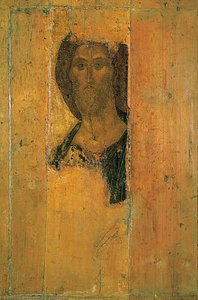
Andrej Rubliov (Šv. Andrei Rublev)
Deesis Range: The Saviour
() ·
With its frame: · Hand-painted in oil on linen
Total