


 Peržiūrėti realaus dydžio版
 Siųsti
 Dalintis
 Išsamiau
 Vadovas

 Atsisiųsti
 Panašūs eksponatai
 Rentgeno spindulių nuotrauka
 Diaporama
 Statistika
Cruel!
 Oil
Oil- WallArt
- Divisionism
 1888
1888- 19th Century
 69.0 x 94.0 cm
 Galleria d'Arte Moderna Achille Forti
A cheerful 1888 genre scene by Angelo Dall'Oca Bianca captures a charming moment between two people under umbrellas, inviting you to bring this captivating piece of Italian art into your private collection.
 Rodyti daugiau
Angelo Dall'Oca Bianca (1858-1942) – itališkas paveikslastojas, garsėjantis įtraukiančiais Veronos žanro scenomis, įkvėptomis Favretto ir fotografijos. Atraskite jo simbolizmo bei divizionizmo kūrybą: „Sielų meilės“ ir „Buranų“.
Rankų darbo aliejinės reprodukcijos
Rankiniu būdu tapytas aliejus ant droblio jūsų pageidaujamame dydį ir rėmuose – mūsų menininkų darbas pagal užsakymą. ( Perjungti į spausdinimą Perejti prie skaitmeninių vaizdų)




P118B €10

P118H €10

P118W €10

P438Z €10

P508JH €12

P508YH €12

P805H €10

P805Z €10

P919BZ €10

P919G €10

P919XJ €10

P959ZH €10

P968JZ €12

W106C €8

W218G €10

W218JH €8

W218Y €10

W307PJ €10

W316G €10

W316PJ €8

W316Y €10

W398PJ €8

W4111J €10

W500HY €15

W500JH €15

W692G €12

W849H €8

W940BG €15

W953PJ €8




Standartinis
individualaus dydžio
CM
INCH
Pasirinkite iš mūsų nustatytų dydžių, atitinkančių originalaus meno kūrinio proporcijas.
Loading sizes...

plotis
aukštis
Įveskite jums reikiamą plotį ir aukštį, kad paveikslas atitiktų jūsų rėmą ar sieną. Kadangi šis darbas yra rankinio darbo, siekiant išgauti kitokio formos dydį, paveikslas gali būti šiek tiek didesnis (nuo kraštų bus palikta daugiau erdvės) arba mažesnis – pasirinkite jums patogiausią variantą. Prieš pradedant tapyti, atsiųsime jums skaitmeninį maketą patvirtinimui. Šioje puslapio nuotraukoje matomas vaizdas nėra galutinis rezultatas – jį parodys tik sukurtas maketas.
Ką galima pakeisti (pavyzdžiai): Pakeisti veidą į kliento nuotrauką; Pridėti augintinį (pvz., pakeisti katę šunimi); Įtraukti paslėptą žinutę fone; Pakeisti fono kraštovaizdį ar elementus.
Gavus užsakymą, TopImpressionists.com komanda susisieks su klientu el. paštu dėl instrukcijų ir pateiks maketo pavyzdį
Gavus užsakymą, TopImpressionists.com komanda susisieks su klientu el. paštu dėl instrukcijų ir pateiks maketo pavyzdį
Pristatymas visame pasaulyje () per 3–4 savaites, o ne įprastai – per 5 savaites. (23 spalis). Kokybė lieka nepakeičiama.

Nemokamas greitasis pristatymas visame pasaulyje

Aukštos kokybės lininis drobė

Pilnas siuntimo draudimas

Muitinės mokesčių grąžinimo garantija

Tikro spalvų atitikimo garantija

100 dienų grąžinimo politika (tik esant įtaigoms)

100% pinigų grąžinimo garantija

Nuolaida dideliems užsakymams
 Stiklo variantas prieinamas tik pasirinkus dydį iki 110 cm

Cruel!
Reprodukcijos technika
Reprodukcijos dydis
-


Visų pasirinktų variantų kaina
€ 236
A Moment Frozen in Time: The Charm of Angelo Dall'Oca Bianca
In the delicate interplay of light and shadow captured within "Cruel!", we encounter a masterclass in late 19th-century genre painting. Created in 1888 by the esteemed Italian virtuoso Angelo Dall'Oca Bianca, this piece serves as a window into a bygone era of elegance and social intimacy. At first glance, the viewer is drawn into a tender, almost cinematic scene where two figures stand side by side, their connection underscored by the vibrant splash of a red umbrella. The woman, draped in a sophisticated black dress, gazes at her companion with a smile that suggests a shared secret or a moment of quiet joy. This sense of narrative depth is what makes Dall'Oca Bianca’s work so enduring; he does not merely paint figures, but captures the very breath of human interaction.
The composition is rich with subtle details that invite prolonged contemplation. Beyond the central pair, the presence of secondary figures and additional umbrellas creates a layered, bustling atmosphere, reminiscent of a lively street scene in Verona. The inclusion of seemingly disparate elements—a clock perched in the upper corner and a bowl nestled near the center—adds a touch of domesticity and temporal weight to the scene. These details ground the painting in reality while adding a layer of mystery, prompting the observer to wonder about the passage of time and the fleeting nature of these captured emotions. For the collector, such complexity offers an endless well of discovery, making each viewing a fresh experience.
Technique, Influence, and Artistic Legacy
Dall'Oca Bianca’s technical prowess is deeply rooted in his rigorous training at the Cignaroli Academy and the Venice Academy of Fine Arts. His style, heavily influenced by the prominent Giacomo Favretto, marries a classical approach to form with a burgeoning interest in the modern aesthetics of photography. This unique fusion is evident in the way he handles light; there is a photographic clarity to the subjects, yet the brushwork retains a painterly warmth that prevents the scene from feeling static. The artist’s ability to manipulate texture—from the heavy fabric of a dark dress to the translucent quality of an umbrella in the rain—demonstrates a sophisticated command over his medium.
As we trace the evolution of his career, from his early genre scenes to his later explorations into Symbolism and Divisionism, "Cruel!" stands as a pivotal representation of his mastery of light and social narrative. For interior designers and art enthusiasts alike, this painting offers more than just aesthetic beauty; it provides a focal point of historical significance and emotional resonance. A high-quality reproduction of this work brings with it the prestige of the Italian Belle Époque, offering a sophisticated touch to any curated space. It is an invitation to surround oneself with the warmth of history and the timeless elegance of a master who knew exactly how to capture the heart of a moment.
问答 (or more naturally for a website heading): Klausimai ir atsakymai
Kokia buvo Angelo Dall'Oca Bianca amžius sukuriant „Cruel!“?
Kai 1888 m. buvo sukurta „Cruel!“, Angelo Dall'Oca Bianca – gimęs 1858 m. – buvo 30 metų amžiaus.
Ar galima atsisiųsti „Cruel!“?
Galimybę atsisiųsti „Cruel!“ galima rasti šio kūrinio Atsisiųsti puslapį, kuriame siūloma aukštos raiškos skaitmeninio vaizdo atsisiuntimas.
Kokią vietą meno istorijoje užima „Cruel!“, autorius – Angelo Dall'Oca Bianca?
Istoriškai „Cruel!“ yra šio platesnio 19th Century laikotarpio Divisionism stiliaus kūrinys.
Autoriaus biografija
ankstyvasis gyvenimas ir mokslas
angelo dall'oca bianca, itališkas paveikslas kūręs didis meistras, gimė veronoje 1858 metais. savo meninę kelionę jis pradėjo kaip napoleone nani mokinys veronos cignaroli akademijoje nuo 1873 iki 1876 metų. tuo pačiu metu jis dalyvavo nuogų studijų kurse Venecijos dailės akademijoje, taip šaknų įtvirtindamas savo techninę meistriškę.meninės įtodinės paveikos ir stilius
dall'oca bianca kūrybai didžiulę įtaką darė giacomo favretto, vieno jo laikų iškilmės paveikslastoriaus, veiksniai. jo stiliuje taip pat atsispindi susidomėjimas fotografija, kurį jis išugdė 1882 metais apsilankęs romoje. šių įtakų derinys leido sukurti užburiančius žanrinio paveikslavimo kūrinius, kuriuose gyvaja Verona atgyja kiekviename trauką.pastebimiausi darbai ir parodos
tarp ryškiausių dall'oca bianca kūrybos pavyzdžių galima išskirti:- the loves of souls (1898), simbolistinis šedevras, pristatytas Torino nacionalioje ekspozicijoje bei 1900 metų Paryžiaus visuniversaliamejame parode.
- owls (1910-1920), paveikslas, demonstruojantis jo atsidavimą divisionizmo judėjimui, šiuo metu saugomas galleria d'arte moderna achille forti kolekcijoje.
- the masks (the politics) (1905), kūrinys, atspindintis jo susidomėjimą žanrinėmis ir politinėmis temomis.
karjeros aukštutinės
dall'oca bianca karjera pasiekė savo viršūnę 1912 metais su asmenine paroda venezijos bienalėje, kurioje buvo pristatyta daugiau nei 80 darbų. šį didelį sėkmės etapą preceded jo dalyvavimas 1900 metų Paryžiaus visuniversalamioje parodo.paliktis ir skaitmeninis buvimas
šiandien dall'oca bianca darbai yra galima rasti įvairiose internetinėse platformose, įskaitant TopImpressionists.com, kurioje pristatytas platus jo paveikslų rinkinys. norėdami sužinoti daugiau apie šį menininką, apsilankykite wikipedia angelo dall'oca bianca puslapyje.pagrindiniai darbai ir kolekcijos
- falling leaves (1898), paveikslas, simboliškai interpretuojantis senatą temą, yra saugomas galleria d'arte moderna achille forti.
- palumbo-fossati kolekcija, esanti Venecijoje, Italijoje,탓 didžiuojasi dall'oca bianca kūriniais kartu su kitais garsiais menininkais.
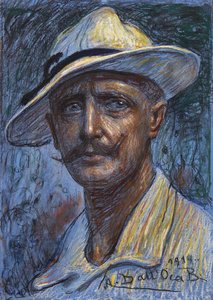
Angelo Dall'Oca Bianca
1858 - 1942 , इटalija
Susiję straipsniai

Lamp Black & Masterpieces: 10 Paintings That Define Shadow & Light |
Delve into the captivating world of 'Lamp Black' tones with 10 iconic paintings by masters like Rembrandt & Caravaggio. Explore Baroque chiaroscuro, dramatic lighting & shadow in art history. Find museum-quality reproductions at

Mars Black Masterpieces: 10 Iconic Paintings & Timeless Art Decor Ideas
Delve into the power of 'Mars Black' with 10 iconic paintings by masters like Rembrandt & Caravaggio. Explore dramatic chiaroscuro, gothic art, and timeless beauty. Find museum-quality reproductions & elevate your home decor on .

Crimson Threads of Narrative: Exploring Symbolism & Representation in Artworks Featuring the Red Dress
Explore the rich symbolism of the red dress in art history! From ancient power displays to iconic portraits like Cézanne’s 'Madame Cezanne', discover the cultural and artistic significance behind this captivating color. Expert analysis & insights.

Mark Rothko: 25 Šedevrai, Apibūdinantys Spalvų Ir Jaustmo Gylį | TopImpressionists
Atraskite 25 įspūdingiausius Mark Rothko kūrinius! Gilinkitės į abstraktaus meno spalvų laukus, ekspresionizmą ir jaustmingas tapybas. Meno reprodukcijos aukščiausia kokybe – TopImpressionists.com

Dark Masterpieces: 10 Iconic Paintings Dominated by Black Tones |
Explore 10 iconic paintings dominated by black tones, from Rembrandt’s chiaroscuro to Goya's dark expressions. Discover the stories behind these masterpieces & find museum-quality art reproductions for your home at .