


 Peržiūrėti realaus dydžio版
 Siųsti
 Dalintis
 Išsamiau
 Vadovas

 Atsisiųsti
 Panašūs eksponatai
 Rentgeno spindulių nuotrauka
 Diaporama
 Statistika
On the Cliffs
 Oil On Canvas
- WallArt
- Impressionism
 1898
1898- 19th Century
 56.0 x 43.0 cm
 Smithsonian American Art Museum
Arthur Bowen Davies’ "On the Cliffs" (1898) – a stunning Impressionist landscape featuring nude figures in a classical setting. Explore this evocative oil painting's beauty & symbolism.
 Rodyti daugiau
Arthur B. Davies (1862–1928) – amerikiečių modernistų veikėjas, žinomas dėl savo eterinių peizažų ir simbolistinio stiliaus. Dalyvavo organizuojant reikšmingą 1913 m. Armory Show parodą, pristatęs europietišką modernizmą JAV.
Rankų darbo aliejinės reprodukcijos
Rankiniu būdu tapytas aliejus ant droblio jūsų pageidaujamame dydį ir rėmuose – mūsų menininkų darbas pagal užsakymą. ( Perjungti į spausdinimą Perejti prie skaitmeninių vaizdų)




P118B €10

P118H €10

P118W €10

P438Z €10

P508JH €12

P508YH €12

P805H €10

P805Z €10

P919BZ €10

P919G €10

P919XJ €10

P959ZH €10

P968JZ €12

W106C €8

W218G €10

W218JH €8

W218Y €10

W307PJ €10

W316G €10

W316PJ €8

W316Y €10

W398PJ €8

W4111J €10

W500HY €15

W500JH €15

W692G €12

W849H €8

W940BG €15

W953PJ €8




Standartinis
individualaus dydžio
CM
INCH
Pasirinkite iš mūsų nustatytų dydžių, atitinkančių originalaus meno kūrinio proporcijas.
Loading sizes...

plotis
aukštis
Galite įvesti savo matmenis, kad jie atitiktų konkretų rėmą ar erdvę. Jei pasirinktas dydis neatitinka originalaus paveikslėlio proporcijų, mes arba apkropsime meno kūrinį, arba papildysime tapybą rankomis dažytい elementais. Prieš pradėdami gamybą, jūsų patvirtinimui atsiųsime skaitmeninį maketą.
Atkreipkite dėmesį, kad ekrane rodomas vaizdas neatspindi tikrojo apkarpymo ar papildymo. Tik maketas tiksliai parodys galutinę kompoziciją.
Nors galima rinktis ir individualius dydžius, rekomenduojame pasirinkti matmenis iš nustatytos sąrašo, kad būtų išlaikytos originalios proporcijos.
Ką galima pakeisti (pavyzdžiai): Pakeisti veidą į kliento nuotrauką; Pridėti augintinį (pvz., pakeisti katę šunimi); Įtraukti paslėptą žinutę fone; Pakeisti fono kraštovaizdį ar elementus.
Gavus užsakymą, TopImpressionists.com komanda susisieks su klientu el. paštu dėl instrukcijų ir pateiks maketo pavyzdį
Gavus užsakymą, TopImpressionists.com komanda susisieks su klientu el. paštu dėl instrukcijų ir pateiks maketo pavyzdį
Pristatymas visame pasaulyje () per 3–4 savaites, o ne įprastai – per 5 savaites. (6 spalis). Kokybė lieka nepakeičiama.

Nemokamas greitasis pristatymas visame pasaulyje

Aukštos kokybės lininis drobė

Pilnas siuntimo draudimas

Muitinės mokesčių grąžinimo garantija

Tikro spalvų atitikimo garantija

100 dienų grąžinimo politika (tik esant įtaigoms)

100% pinigų grąžinimo garantija

Nuolaida dideliems užsakymams
 Stiklo variantas prieinamas tik pasirinkus dydį iki 110 cm

On the Cliffs
Reprodukcijos technika
Reprodukcijos dydis
-


Visų pasirinktų variantų kaina
€ 275
A Symphony of Light and Myth: Rediscovering Arthur B. Davies
In the quiet transition between the nineteenth and twentieth centuries, few artists captured the ethereal boundary between reality and dream as poignantly as Arthur Bowen Davies. His 1898 masterpiece, On the Cliffs, serves as a breathtaking window into an era where American landscape painting began to shed its rigid academic skin to embrace the fluid, emotive possibilities of Impressionism and Symbolism. At first glance, the viewer is greeted by a sweeping coastal vista, yet as the eyes linger, the scene reveals itself to be much more than a mere topographical study. It is a profound dialogue between the physical world and the human spirit, rendered with a delicate touch that suggests the fleeting nature of memory itself.
The composition is anchored by a sense of vertical grandeur, dominated by a towering, ancient tree that stands as a silent sentinel on the right side of the canvas. Through this arboreal presence, Davies guides our gaze across a landscape where mountains dissolve into layers of hazy blue and soft grey, receding into an infinite distance. A winding river carves its way through the valley below, acting as a silver thread that connects the rugged foreground to the misty horizon. The integration of nude female figures within this wild, natural setting elevates the work from a simple landscape to a classical allegory. These figures do not appear as intruders upon the land, but rather as organic extensions of it, embodying a primordial harmony between humanity and the untamed beauty of the earth.
The Mastery of Atmosphere and Technique
To behold On the Cliffs is to experience the tactile magic of oil on canvas. Davies employs a technique that leans heavily into the Impressionist tradition, utilizing loose, rhythmic brushstrokes that prioritize the sensation of light over the precision of line. There are no harsh boundaries here; instead, forms emerge from soft tonal gradations and blended pigments. The artist skillfully manipulates texture to create a sensory feast—the rough, weathered bark of the foreground tree provides a striking contrast to the smooth, luminous sky and the glass-like surface of the distant water. This interplay of textures enhances the painting's depth, pulling the viewer into a world that feels both tangible and otherworldly.
The color palette is a masterclass in subtlety, dominated by muted greens, deep blues, and earthy browns. These tones work in concert to evoke a tranquil, perhaps even slightly melancholic, atmosphere, reminiscent of an overcast day by the sea where the air is thick with salt and mist. This deliberate use of color avoids the jarring brilliance of high Impressionism, opting instead for a Symbolist depth that invites introspection. The soft, diffused lighting eliminates harsh shadows, bathing the entire scene in a gentle, pearlescent glow that softens the edges of reality and allows the imagination to wander through the landscape's many mysteries.
An Eternal Inspiration for the Modern Collector
For the discerning collector or interior designer, On the Cliffs offers much more than aesthetic beauty; it provides a focal point of profound emotional resonance. The painting’s ability to evoke themes of classical mythology and the eternal connection to nature makes it a timeless addition to any curated space. Whether placed in a sunlit gallery or a sophisticated study, the artwork brings with it an aura of serenity and intellectual depth. It is a piece that rewards repeated viewing, revealing new nuances of light and shadow with every encounter.
Investing in a high-quality reproduction of this Davies masterpiece allows one to bring this fragment of American art history into the contemporary home. It serves as a bridge between the historical grandeur of the Hudson River School influences and the avant-garde spirit of early Modernism. As a decorative element, it introduces a sense of movement, peace, and classical elegance, making it an ideal choice for those seeking to inspire wonder and contemplation within their living environments.
问答 (or more naturally for a website heading): Klausimai ir atsakymai
Kur šiandien galima pamatyti kūrinį „On the Cliffs“, autorius – Artūras B. Deivys?
Kūrinys „On the Cliffs“, autorius – Artūras B. Deivys rodomas Smithsonian American Art Museum, Vašingtonas D.C., JAV. Nuoroda į muziejų nurodo originalą, o ne reprodukciją.
Koks yra „On the Cliffs“ formatas?
„On the Cliffs“ formatas yra Portrait. Tai padeda planuojant, kur būtų patalpinta reprodukcija.
Kokia buvo Artūras B. Deivys amžius sukuriant „On the Cliffs"]?
Artūras B. Deivys sukūrė „On the Cliffs“ būdamas 36 metų amžiaus.ت Artistas gimė 1862, o kūrinys datuojamas 1898 metais.
Kas sukūrė „On the Cliffs“?
Kūrinį „On the Cliffs“ sukūrė Artūras B. Deivys. Darbas katalogizuojamas Artūras B. Deivys vardu.
Ar „On the Cliffs“ galima įsigyti kaip aukščiausios kokybės spausdinį?
„On the Cliffs“ galima įsigyti kaip aukščiausios kokybės spausdinys ant medžio siuvinėjamų audinių arba archyvinio kanvas tipo popieriaus. Užsakymus galite pateikti ši ši puslapį, pasirinkę jums tinkamą dydį.
Kuriem metais buvo sukurta „On the Cliffs“, autorius – Artūras B. Deivys?
„On the Cliffs“ sukurta 1898 m. Ši data leidžia įvardyti kūrinį Artūras B. Deivys kūrybinėje karjeroje bei jo epochoje.
Ar „On the Cliffs“, autorius – Artūras B. Deivys, esančį Smithsonian American Art Museum, galima legaliai reprodukcijaoti?
Originalus kūrinys „On the Cliffs“ saugomas Smithsonian American Art Museum, o jo autorinė teisė yra pripa принадле belongs to the public domain – jo autorinė teisė pasibaigusi.
Susiję kūriniai


Autoriaus biografija
Tarp Dvasingumo ir Modernizmo: Arthur B. Davies Gyvenimas bei Kurinys
Arthur Bowen Davies, gimęs 1862 metais Utikoje, Niujorke, užima unikalų ir sudėtingą vietą Amerikos meno istorijoje. Jis ne tik buvo savo epochos dalimi – neramiais XIX–XX amžių sandūros metais – bet aktyviai ją formavo, tarnaujantis tiek Europos modernizmo tiltu, tiek išskirtinių amerikiečių menininkų šalininku. Jo kelionė prasidėjo ankstyvu susižavėjimu peizažo tapybą, įkvėptu parodos, kuri pristatė George Inness ir Hudson River School meistrų darbus. Šis pirmasis susidūrimas su gamtos gročiu įskiepijo jam meilę gamtai ir techniškumą, kurie išliko jo stiliaus bruožu visos karjeros metu. Tačiau Davies nebuvo skirtas tapti tik dar vienu tradicinės peizažo tapytoju; jis turėjo vidinį regėjimą, troškimą reikšti ką nors daugiau nei grynai reprezentacinį. Po studijų Čikagos dizaino akademijoje ir Niujorko dailininkų lygos, jis ėmėsi kelio, kuriame derinti romantines nuotas su besivystančiomis modernistinėmis idėjomis. Ankstyvojoje savo karjeroje jis dirbo iliustratoriumi, tačiau jo tikras pašaukimas buvo tapyba – pasaulių kūrimas, persunktas simbolizmu ir emociniu atgarsiu.„The Eight“, Armory Show ir Pokyčių Katalizatorius
Davieso meninis brendimas vyko priešistorinės socialinių ir kultūrinių permainų fone. Jis susijungė su „The Eight“ grupe, kuri 1908 metais iššūkį metė Nacionalinės Dailės Akademijos konservatyvioms normoms. Nors dažnai siejamas su „Ashcan School“ – judėjimu, žinoma dėl savo grubokių miesto gyvenimo vaizdų – Davies stovėjo šiek tiek atskirai. Ten kur John Sloan ir kiti menininkai sutelkdavo dėmesį į miesto gatvių sunkumus, Davies ieškojo eteriškesnės sferos. Jo paveikslai nebuvo skirti dokumentuoti matomą pasaulį; jie buvo skirti sužadinti nuotaikas, sapnus ir dvasines aistras. Nepaisant to, jo dalyvavimas „The Eight“ parodė įsipareigojimą meninei nepriklausomybei ir norą iššūkį mesti nustatytoms konvencijoms. Šis neatsisakymo dvasia pasibaigė jo svarbiu vaidmeniu organizuojant 1913 metų Armory Show – vandens lūžį, kuris didesniam amerikiečių publikai pristatė Europos modernizmą (Kubizmas, Fauvizmas, Futurizmas). Paroda sukėlė ir pyktį, ir susižavėjimo bangas, negrįžtamai pakeisdama Amerikos meno istorijos eigą. Davieso indėlis nebuvo tik logistinis; jis turėjo išskirtinį supratimą apie šiuolaikinius meninius trendus ir aštrų talentų akį, todėl buvo esminis parodoje eksponuojamų darbų atrankos požiūriu. Jis suprato, kad menas turi atspindėti besikeičiantį pasaulį, net jei tai reiškia priimti radikalias naujas formas.Simbolizmo Kalba ir Eteriški Vaizdai
Davieso brandus stilius pasižymi lyriniu kokybiu, subtiliu teptuku ir paveikiu spalvų vartojimu. Jo paveikslai dažnai vaizduoja figūras – moteris arba mitologinius padarėlius – panirusius į sapniškas peizažus. Tai ne portretai tradicinės prasmės, bet archetipiniai žmogaus emocijų ir dvasinių būsenų atvaizdai. Unicorns: Legend, Sea Calm, galbūt jo garsiausias darbas, puikiai iliustruoja šį požiūrį. Paveiksle vaizduojama eteriškų figūrų grupė, žaidžianti su kupranugariais ramybės krante – scena, kuri yra tiek užburiančiai graži, tiek giliai simboliška. Jo darbai dažnai nagrinėja ilgesio, nuostolių ir atpirkimo paieškos temas. Jis nebuvo įsitikinęs, kad reikia pavaizduoti realybę tokia, kokia ji *yra*, bet kaip ji *atrodo*. Šis dėmesys subjektyviai patirčiai sutelkia jį su Simbolistų tapytojais, tokiais kaip Odilon Redon ir Pierre Puvis de Chavannes, menininkais, kurie siekė išreikšti vidines tiesas per pavežius vaizdus. Davieso paletė dažnai yra atspalvių ir harmoninga, sukelia atmosferą ir paslaptį. Jis meistriškai naudojo tokias technikas kaip glazūra ir skambinimas, kad pasiektų šviesos efektus ir subtilias tono gradacijas. Jo menas kviečia į apmąstymus, ragindamas žiūrovus pažvelgti už paviršiaus ir pasinerti į vaizduotės sferą.Prieštaravimai ir Palikimas
Arthur B. Davies gyvenimas buvo kupinas prieštaravimų. Viešai remdamas meninę laisvę ir eksperimentus, jis išlaikė gana konservatyvią asmeninį gyvenimą – bent jau tą, kuris buvo pristatytas pasauliui. Po jo mirties 1928 metais Florencijoje, Italijoje, atskleista paslaptis, kad jis gyveno dvigubą gyvenimą su dviem šeimomis – Virginia Meriwether Davies, ištekėjusi už jo 1892 metais, ir Edna, pridėjo dar vieną sudėtingumo sluoksnį prie jo meninio portreto. Nepaisant šio asmeninio susitarimo ar galbūt dėl to, Daviesas paliko nepagingus pėdsaką Amerikos mene. Jis buvo esminis veikėjas plėtojant amerikiečių modernizmą, užpildęs tarpą tarp tradicinių estetikų ir avangardinių eksperimentų. Jo įtaka galima pastebėti paskesnėse kartose menininkų, kurie toliau tyrė dvasingumo, simbolizmo ir emocinio išraiškos temas.- Jis lieka liudijimu apie tai, kaip menas gali peržengti ribas – tiek menines, tiek asmenines.
- Jo paveikslai tebesusiduria su žiūrovais, ieškančiais grožio, paslaptingumo ir į žmogiškos sielos glumbį pažvelgimo galimybės.

Artūras B. Deivys
1862 - 1928 , JAV
Trumpa informacija apie kūrėją
- Gimimo Data: 1862
- Gimimo Vieta (Miestas Ir Šalis): Utika, JAV
- Meninis Stilius Ar Kryptis: Modernizmas, Simbolizmas
- Mirties Data: 1928
- Paveikė Šie Artistai:
- George Inness
- Corot
- Millet
- Pilnas Vardas: Arthur Bowen Davies
- Tautybė: Amerikietis
- Įtakojo Šie Artistai Ar Kryptys:
- Amerikos modernizmas
- Ashcan mokykla
- Žymiausi Kūriniai:
- Unicorns: Legend
- Sea Calm
Susiję straipsniai
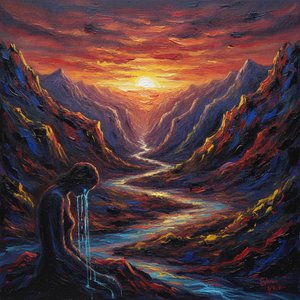
Capturing Emotion: A Journey Through the Soul of Expressionist Landscapes
Explore the profound emotional depth of Expressionist landscapes. Discover how Post-Impressionist masters moved beyond light to capture the soul through vibrant color and form. A curated journey for true art lovers seeking the beauty of expressive mastery.
Tyrinėkite meno kūrinius, suskirstytus pagal temas, stilius ir savybes.


