


 Peržiūrėti realaus dydžio版
 Siųsti
 Dalintis
 Išsamiau
 Vadovas

 Atsisiųsti
 Panašūs eksponatai
 Rentgeno spindulių nuotrauka
 Diaporama
 Statistika
Canadian Jungle
 Acrylic On Canvas
- WallArt
- Canadian Group of Painters
 1946
1946- 19th Century
 44.0 x 53.0 cm
 McMichael Canadian Art Collection
Arthur Lismer's "Canadian Jungle" (1946) captures the lush beauty of Canada’s wilderness with vibrant colors and masterful detail. A stunning landscape painting by a Group of Seven member.
 Rodyti daugiau
Arthur Lismer (1885-1969): Atraskite ryškius kanadiečių peizažus ir įspūdingą karo kamufliažo tapybą! Pagrindinis „Septynių“ narys, turėjęs didelės įtakos Kanados meno ugdymui. Jo palikimas – unikalios vizijos kūriniai.
Šiame puslapyje rodomas meno kūrinys yra saugomas autorių teisių įstatymais, todėl neturime teisės legaliai kurti ar parduoti jo identiškos reprodukcijos. Ši apsauga užtikrinama remiantis tokiais tarptautiniais susitarimais kaip Bernės konvencija ir pagal nacionalines įstatymų nuostatas, įskaitant tas, kurias nurodo JAV autoriškos teisės įstatymas – 17-asis skyrius.
Kaip pagarbią ir teisėtą alternatyvą, mes siūlome pagal užsakymą rankomis dažytus paveikslus, įkvėptus originalo. Mūsų įgudę ir profesionalūs menininkai kruopščiai tiria originalo stilių, nuotaiką ir meninę esmę, kad sukurtų naują, unikalią kūrinį, kuris sukelia tą paties jausmą – išlikdamas tuo tarciau originaliu, savarankišku kūrybiniu darbu.
Šis metodas visiškai atitinka autorių teises, nes jame nėra kūrinio kopijavimo ar dubliavimo. Tai yra kūrybinė reinterpretacija – naujas paveikslas, kurį įkvėpė originalas, tačiau kuris nėra jo identiškas.
Rankų darbo aliejinės reprodukcijos
Rankiniu būdu tapytas aliejus ant droblio jūsų pageidaujamame dydį ir rėmuose – mūsų menininkų darbas pagal užsakymą. ( Perjungti į spausdinimą Perejti prie skaitmeninių vaizdų)




P118B €10

P118H €10

P118W €10

P438Z €10

P508JH €12

P508YH €12

P805H €10

P805Z €10

P919BZ €10

P919G €10

P919XJ €10

P959ZH €10

P968JZ €12

W106C €8

W218G €10

W218JH €8

W218Y €10

W307PJ €10

W316G €10

W316PJ €8

W316Y €10

W398PJ €8

W4111J €10

W500HY €15

W500JH €15

W692G €12

W849H €8

W940BG €15

W953PJ €8




Standartinis
individualaus dydžio
CM
INCH
Pasirinkite iš mūsų nustatytų dydžių, atitinkančių originalaus meno kūrinio proporcijas.
Loading sizes...

plotis
aukštis
Įveskite jums reikiamą plotį ir aukštį, kad paveikslas atitiktų jūsų rėmą ar sieną. Kadangi šis darbas yra rankinio darbo, siekiant išgauti kitokio formos dydį, paveikslas gali būti šiek tiek didesnis (nuo kraštų bus palikta daugiau erdvės) arba mažesnis – pasirinkite jums patogiausią variantą. Prieš pradedant tapyti, atsiųsime jums skaitmeninį maketą patvirtinimui. Šioje puslapio nuotraukoje matomas vaizdas nėra galutinis rezultatas – jį parodys tik sukurtas maketas.
Ką galima pakeisti (pavyzdžiai): Pakeisti veidą į kliento nuotrauką; Pridėti augintinį (pvz., pakeisti katę šunimi); Įtraukti paslėptą žinutę fone; Pakeisti fono kraštovaizdį ar elementus.
Gavus užsakymą, TopImpressionists.com komanda susisieks su klientu el. paštu dėl instrukcijų ir pateiks maketo pavyzdį
Gavus užsakymą, TopImpressionists.com komanda susisieks su klientu el. paštu dėl instrukcijų ir pateiks maketo pavyzdį
Pristatymas visame pasaulyje () per 3–4 savaites, o ne įprastai – per 5 savaites. (22 spalis). Kokybė lieka nepakeičiama.

Nemokamas greitasis pristatymas visame pasaulyje

Aukštos kokybės lininis drobė

Pilnas siuntimo draudimas

Muitinės mokesčių grąžinimo garantija

Tikro spalvų atitikimo garantija

100 dienų grąžinimo politika (tik esant įtaigoms)

100% pinigų grąžinimo garantija

Nuolaida dideliems užsakymams
 Stiklo variantas prieinamas tik pasirinkus dydį iki 110 cm

Canadian Jungle
Reprodukcijos technika
Reprodukcijos dydis
-


Visų pasirinktų variantų kaina
€ 236
A Wilderness Captured: Arthur Lismer’s “Canadian Jungle”
Arthur Lismer's "Canadian Jungle," painted in 1946, isn’t merely a depiction of a forest; it’s a vibrant distillation of the Canadian spirit – a potent blend of rugged wilderness and burgeoning national identity. This oil on canvas, measuring 44.8 x 53.7 cm, transports the viewer to a realm where the raw power of nature collides with a nascent sense of artistic self-definition within Canada. Lismer, a pivotal figure in both the Group of Seven and as an educator at NSCAD University, masterfully employed his experience as a photo-engraver – a profession demanding meticulous detail and a keen eye for visual language – to create a landscape brimming with life and imbued with a quiet intensity.
The painting’s style is firmly rooted in the post-impressionist movement, yet distinctly Canadian. Lismer's brushwork is bold and expressive, eschewing photographic realism in favor of capturing the *feeling* of the forest – its density, its light, and its inherent energy. He utilizes a rich palette dominated by deep greens, browns, and ochres, punctuated by flashes of brighter color that draw the eye to specific details within the scene: the dappled sunlight filtering through the canopy, the vibrant hues of wildflowers, and the subtle variations in texture across the bark of ancient trees. Notice how he doesn’t shy away from a slightly rough application of paint; this adds to the sense of immediacy and authenticity, as if the viewer is stepping directly into the heart of the wilderness.
The Roots of Identity: Lismer's Journey and Context
Lismer’s artistic trajectory is itself a fascinating story. Born in Sheffield, England, his early life was shaped by the industrial realities of working-class existence – a stark contrast to the natural beauty he would later dedicate his art to capturing. His apprenticeship in photo-engraving honed his technical skills and instilled within him an appreciation for visual precision, which he then skillfully applied to landscape painting. His move to Canada in 1911 coincided with a crucial period of artistic development, as he sought to establish himself within the burgeoning Canadian art scene. The rise of the Group of Seven, of which Lismer was a founding member, reflected a desire to forge a distinctly Canadian visual language – one that moved beyond European influences and embraced the unique character of the country’s landscapes.
The painting's creation occurred during World War I, a period of profound social and political change in Canada. Lismer’s service as an official war artist, documenting scenes from Halifax harbor, further informed his understanding of the relationship between humanity and nature – particularly the resilience of the natural world amidst conflict. This experience is subtly reflected in “Canadian Jungle,” suggesting a deeper connection to the land and its enduring strength.
Symbolism Within the Scene: Trees as Guardians
The towering trees that dominate "Canadian Jungle" are more than just elements of the landscape; they function as powerful symbols. They represent not only the physical wilderness but also the ancient wisdom and enduring spirit of Canada itself. Their gnarled branches reach towards the sky, suggesting a connection to something larger than themselves – a sense of continuity and rootedness. The dense undergrowth and tangled vines further reinforce this symbolism, creating a feeling of mystery and hinting at hidden depths.
The inclusion of a small stream winding through the forest adds another layer of meaning. Water is often associated with life, renewal, and purification – qualities that are deeply valued in Canadian culture. It also creates a sense of movement and flow within the composition, drawing the viewer’s eye deeper into the heart of the scene.
A Legacy of Light and Landscape
"Canadian Jungle" is a testament to Arthur Lismer's ability to capture the essence of the Canadian wilderness. It’s a painting that invites contemplation, evoking feelings of awe, tranquility, and connection to nature. Reproductions of this artwork offer a remarkable opportunity to bring this evocative landscape into any space, serving as a constant reminder of Canada’s rich natural heritage and Lismer's enduring legacy as one of its most important artists. The vibrant colors and textured brushwork translate beautifully to high-quality reproductions, ensuring that the spirit of “Canadian Jungle” can be enjoyed for generations to come.
问答 (or more naturally for a website heading): Klausimai ir atsakymai
Kaip galiu peržiūrėti „Canadian Jungle“, autorius – Artūras Lismeras reprodukciją?
Prežiūrėti „Canadian Jungle“, autorius – Artūras Lismeras galima puslapio Peržiūra kūrinio peržiūros puslapyje.
Kokia yra „Canadian Jungle“, autorius – Artūras Lismeras dominuojanti spalva?
„Canadian Jungle“ linksta į Ochre to Sepia atspalvį.
Kokios nacionalinės kilmės šaknys slypi „Canadian Jungle“ Canadian Group of Painters?
„Canadian Jungle“ kūrybinę vadovavo Artūras Lismeras, gimęs/usi Jungtinė Karalystė, remiantisсяs Canadian Group of Painters stiliaus tendencijomis. Kūrėjo kilmė sujungia šį kūrinį su Canadian Group of Painters kryptimi, kurios atstoviai iš Jungtinė Karalystė taip pat laikosi.


Autoriaus biografija
Gyvenimo Pradžia ir Formavimasis Plieno Mieste
Artūro Lismero istorija – tai nuostabus pokytis, kelionė iš aštrių pramonės širdies Šefildo Anglijoje į svarbiausios Kanados meno tapatybės kūrėjo poziciją. Gimęs 1885 metais, jo jaunystę apgaubė darbininkų klasės realybė, fabrikų ir dūmų pasaulis, kuris galbūt nejučia paskatino jį visą gyvenimą trokšti nepaliestos gamtos grožio. Trejų metų amžiaus pradėtas mokymasis foto-graviūrų įmonėje nebuvo tik profesija; tai buvo pasinėrimas į vizualinę kalbą, ugdantį įgūdžius, kurie vėliau tarnavo jo meninių tyrinėjimų pagrindu. Vakarinės pamokos Šefildo meno mokykloje suteikė formalų išsilavinimą, puoselėjant talentą, kuris jau klostėsi per eskizus ir aplinkos stebėjimus – net slaptai Unitarijų bažnyčios pamaldose, nors mama tai švelniai nepatvirtino. Ši ankstyva patirtis buvo ne tik apie techniką; tai buvo apie matymą, tikrąjį *matymą* aplink jį esantį pasaulį – įgūdis, kuris apibrėžė visą jo karjerą. Persikėlimas į Antverpieno Karališkąją akademiją dar labiau praplėtė horizontus, atidarant galimybę susipažinti su Europos meno srovėmis, tokiomis kaip Barbizono mokykla ir Post-Impresionizmas – įtakos, kurios subtiliai formavo besivystantį jo stilių.Nuo Halifakso Uosto Iki Septinto Grupės
Lemtingas sprendimas 1911 metais emigruoti į Kanadą buvo posūkis. Įsikūręs Toronte, Lismeras rado darbą „Grip Ltd.“ komercinės meno firmoje, kurioje lemtingai susitiko su Tomu Thomsonu, kitu menininku, pasmerktu legendiniam statusui Kanados meno istorijoje. Tačiau paskyrimas 1916 metais Halifakso Viktorijos meno ir dizaino mokyklos direktoriumi atskleidė jo įsipareigojimą švietimui. Jis ne tik administravo; jis gaivino mokyklą, plečiant jos programą ir studentų skaičių, aistringai tikėdamas meninio talento ugdymu. Pirmasis pasaulinis karas dramatiškai pakeitė jo kelią. Paskyrus oficialiu karo menininku, Lismeras susižavėjo judraus Halifakso uosto atmosfera – strateginis uostas, gausiai apgyvendintas laivų. Būtent čia jis sukūrė unikalią tapybų seriją, vaizduojančią *dazzle camouflage* papuoštus laivus – revoliucinę techniką, skirtą supainioti priešo povandenius ryškiais raštais ir trikdant spalvomis. Tai nebuvo tik techniniai pratimai; tai buvo įspūdingos vizualinės deklaracijos, demonstruojančios jo gebėjimą pritaikyti meno principus praktiniams karo poreikiams ir pelniusios jam pripažinimą nuo lordo Beaverbrook’o. Grįžęs į Torontą 1919 metais, Lismeras tapo Ontarijo meno kolegijos viceprincipu ir aktyviai bendradarbiavo su menininkų grupe, kurie dalijosi vizija: kurti Kanadai būdingą meną. Ši kolektyvinė grupė buvo žinoma kaip Septintas Grupės.Unikali Kanados Vizija
Lismero meno plėtra nebuvo statiška; tai buvo nuolatinis tobulėjimas, paveiktas jo Europos mokymo ir giliai įtakotas didžiulės ir žalios Kanados gamtos grožio. Pradėjęs naudoti Post-Impresionistines technikas, jis palaipsniui perėjo prie ekspresyvesnio ir asmeniškesnio stiliaus. Jo peizažai nebuvo tik scenos atvaizdai; tai buvo bandymai užfiksuoti Kanados *esenciją* – jos emocinį rezonansą, nenuramintą dvasią. Ryškios spalvos, dinamiški kompozicijos ir drąsūs potepiai tapo jo darbo vizitine kortele. Jis siekė ne tik atvaizduoti tai, ką matė, bet ir perteikti jausmus, kuriuos patyrė panardintas į laukinę gamtą, pajusti gamtos galią ir didybę iš pirmo žvilgsnio. Jo paveiksluose dažnai pasirodydavo suplokštintos perspektyvos ir ekspresyvios tekstūros, atspindinčios norą pereiti nuo paprasto imitavimo prie subjektyvesnės realybės interpretacijos. Septinto Grupės kolektyvinis tikslas buvo ambicingas: sukurti meno tapatybę, nepriklausomą nuo Europos tradicijų, įsišaknijusią unikaliame Kanados aplinkos charakteryje. Lismeras vaidino lemiamą vaidmenį šioje pastangoje, prisidėdamas ne tik savo meniniu talentu, bet ir tvirtu atsidavimu jų bendrai vizijai.Palikimas Ir Nuolatinis Poveikis
Artūro Lismero indėlis apima daugiau nei jo paveikslus. Kaip pedagogas, jis giliai paveikė ištisas Kanados menininkų kartas per savo vadovavimą NSCAD universitete ir Ontarijo meno kolegijoje, įkvėpdamas juos kūrybiškumui ir atsidavimui meno meistriškumui. Jo *dazzle camouflage* darbai išlieka istoriškai reikšmingi, siūlant unikalų vizualinį Pirmąjį pasaulinį karą įamžinantį įrašą ir demonstruojant jo gebėjimą prisitaikyti kaip menininkui. 1967 metais jis buvo paskirtas Kanados ordino nariu, liudijantis apie jo ilgalaikį poveikį Kanados kultūrai. Šiandien Lismeras yra švenčiamas kaip vienas svarbiausių Kanados menininkų, pripažintas už ryškius peizažus, novatoriškas technikas ir tvirtą atsidavimą meno talentui ugdyti. Jo darbai saugomi pagrindinėse viešose ir privačiose kolekcijose visoje šalyje ir tarptautiniu mastu, toliau įkvepdami ir žavinčius publiką savo grožiu bei emociniu gylumu. Jo palikimas yra ne tik apie tai, ką jis nutapė; tai apie tai, kaip jis įkvėpė kitus matyti pasaulį – ir Kanadą – nauja šviesa.Pagrindinės Jo Darbo Charakteristikos
- Ryškios Spalvų Paletės: Naudojant ryškias, ekspresyvias spalvas peizažų emociniam poveikiui užfiksuoti.
- Dinamiškos Kompozicijos: Naudojant stiprius kompozicinius elementus judėjimo ir energijos jausmui sukurti.
- Ekspresyvus Potepas: Būdingi matomi potepiai, perteikiantys tekstūrą ir emocijas.
- Dazzle Camouflage Paveikslai: Unikalūs laivų vaizdai per Pirmąjį pasaulinį karą, demonstruojantys novatorišką rašto ir spalvų naudojimą.
- Susitelkimas Į Kanados Laukinę Gamtą: Gilas ryšys su Kanados kraštovaizdžiais, ypač Šiaurės Ontarijo ir Naujosios Škotijos gamta.

Artūras Lismeras
1885 - 1969 , Jungtinė Karalystė
Trumpa informacija apie kūrėją
- Gimimo Data: 1885 birželio 27 d.
- Gimimo Vieta: Šefildas, Jungtinė Karalystė
- Menininkai, Kuriuos Įtakojo:
- Kanados menas
- Septynetas
- Meninis Stilius: Septynetas, Peizažas
- Mirties Data: 1969 kovo 23 d.
- Pilietybė: Anglų-kanadietis
- Pilnas Vardas: Arthur Lismer
- Įtakoję Menininkai:
- Barbizon mokykla
- Postimpresionizmas
- Žymiausi Darbai:
- Konvojus Bedfordo įlankoje
- Audrų oras, Džordžiano įlanka
- Garnys
- Peizažas
Susiję straipsniai
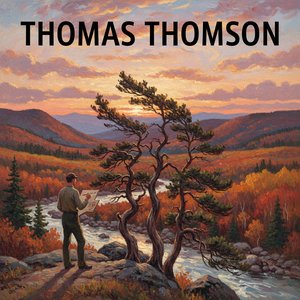
Thomas Thomson: Pioneering Canadian Landscape & the Pursuit of National Identity
Explore the evocative landscapes of Tom Thomson, a pivotal figure in Canadian art & precursor to the Group of Seven. Discover his bold style, lasting legacy, and profound impact on shaping a national artistic identity.

Arthur Lismer: A Pioneer of Canadian Modernism & the Group of Seven's Visionary Spirit
Explore the life & art of Arthur Lismer, a pivotal figure in Canadian Modernism and founding member of the Group of Seven. Discover his landscapes, teaching legacy & lasting influence on Canadian art history.

Arthur William Devis: A Provincial Eye on Georgian Life & Naval History
Explore the life & work of Arthur William Devis (1762-1822), a key figure in Georgian portraiture and naval history painting. Discover his intimate 'conversation pieces' and captivating depictions of colonial India. Learn more at TopImpressionists.

George Agnew Reid: A Canadian Impressionist's Pursuit of Light, Colour, and National Identity
Explore the life & work of George Agnew Reid, a pivotal figure in Canadian Impressionism. Discover his genre paintings, mural commissions, and lasting influence on art education & national identity. A comprehensive guide for collectors & enthusiasts.

Šeimos Simfonija Ant Drobo: Amžinas Atvaizdas Jūsų Artimiesiems
Užsisakykite unikalų šeimos portretą ant drobės iš TopImpressionists! Rankų darbo, aukščiausios kokybės reprodukcijos ir individualizuotas dizainas. Amžinas atvaizdas Jūsų artimiesiems – dovana, kuri puošia namus ir saugo šeimos istoriją.