

 Peržiūrėti realaus dydžio版
 Pasidalinti
 Dalintis
 Išsamiau
 Vadovas

 Atsisiųsti
 Panašūs eksponatai
 Rentgeno spindulių nuotrauka
 Automatinė diorama
 问答
问答 Statistika
Cliffs at Petit Dalles


Admire Camille Pissarro’s ‘Cliffs at Petit Dalles’ (1883). A serene coastal scene of cliffs, beach & ocean waves. Hand-painted reproduction – a timeless landscape masterpiece.
 Skaityti daugiau
Kamilis Pisaro – impresionizmo pradininkas! Mėgaukitės jo peizažais ir kasdienio gyvenimo scenomis, atspindinčiais 19-ojo amžiaus Prancūziją. Paveikslų serija, įkviepusi Van Gogą ir Sezaną.
Giclée / Meno spausdinimas
Muziejų lygio „giclée“ arba drobos spausdinimas: greita gamyba ir lankstios apdailos parinktys. ( Pirkti rankų darbo tapybą Perejti prie skaitmeninių vaizdų)




P118B €10

P118H €10

P118W €10

P438Z €10

P508JH €12

P508YH €12

P805H €10

P805Z €10

P919BZ €10

P919G €10

P919XJ €10

P959ZH €10

P968JZ €12

W106C €8

W218G €10

W218JH €8

W218Y €10

W307PJ €10

W316G €10

W316PJ €8

W316Y €10

W398PJ €8

W4111J €10

W500HY €15

W500JH €15

W692G €12

W849H €8

W940BG €15

W953PJ €8




Standartinis dydis
pagal užsakymą
CM
INCH
Pasirinkite iš mūsų nustatytų dydžių, atitinkančių originalaus meno kūrinio proporcijas.
Loading sizes...

plotis
aukštis
Įveskite jums reikiamą plotį ir aukštį, kad atvaizdas derėtų prie jūsų rėmo ar sienos. Spausdiną galima tik sumažinti, bet nepadidinti virš originalaus paveikslėlio dydžio, todėl keičiant proporcijas, dalis vaizdo prarandama. Prieš spausdinimą atsiųsime jums skaitmeninį maketą patvirtinimui. Šioje puslapio nuotraukoje matomas pjūvis nėra tikslus – jį rodo tik maketas.
Pristatymas visame pasaulyje () per 2 weeks, o ne įprastas 4/5 savaičių laikotarpis. (6 lapkritis)

Nemokamas greitasis pristatymas visame pasaulyje

Aukštos kokybės lininis drobė

Pilnas siuntimo draudimas

Muitinės mokesčių grąžinimo garantija

Tikro spalvų atitikimo garantija

100 dienų grąžinimo politika (tik esant įtaigoms)

100% pinigų grąžinimo garantija

Nuolaida dideliems užsakymams
 Stiklo variantas prieinamas tik pasirinkus dydį iki 110 cm

Cliffs at Petit Dalles
Giclée / Meno spausdinimas
Reprodukcijos matmenys
-


Bendroji kaina
€ 63
A Coastal Symphony in Impressionist Light
In the delicate dance of light and shadow captured within Cliffs at Petit Dalles, we encounter one of Camille Pissarro’s most serene meditations on the natural world. Painted in 1883, this masterpiece transports the viewer to a rugged yet tranquil coastline where the raw power of the earth meets the rhythmic pulse of the sea. The composition is anchored by towering cliffs that overlook a textured shoreline, their stony surfaces rendered with a sensitivity that suggests both permanence and change. Scattered across the foreground, rocks emerge from the sand like ancient sentinels, while a solitary tree on the left periphery provides a vital touch of verdant life, grounding the expansive seascape in a moment of terrestrial intimacy.
Pissarro, a foundational pillar of the Impressionist movement, utilizes his signature technique to dissolve hard edges into a tapestry of light. Rather than focusing on rigid geological precision, he employs broken brushstrokes and a nuanced palette to evoke the atmosphere of the French coast. The ocean itself is not merely a blue expanse but a living entity; waves roll gently toward the shore, their crests catching the light in a way that suggests the salt-misted air and the constant, soothing motion of the tide. This approach allows the viewer to feel the humidity of the breeze and the rhythmic sound of the surf, making the painting less a static image and more an immersive sensory experience.
Historical Resonance and Artistic Legacy
To understand Cliffs at Petit Dalles is to understand the evolution of a master. By 1883, Pissarro had already played a pivotal role in shaping the trajectory of modern art, influencing giants such as Cézanne and Van Gogh. This particular work reflects his profound ability to find the extraordinary within the ordinary landscape. While many of his contemporaries sought the dramatic or the sensational, Pissario found divinity in the subtle shifts of light upon a rocky beach. His background—a rich tapestry of French and Caribbean influences—imbued his work with a unique perspective on color and luminosity that distinguishes his landscapes from the more structured works of his peers.
For the discerning collector or interior designer, this painting offers much more than mere decoration; it serves as a window into a moment of profound peace. The artwork possesses a timeless quality that allows it to integrate seamlessly into diverse environments, from a contemporary minimalist gallery to a classic, richly textured study. Its emotional impact lies in its ability to evoke serenity—a quiet, contemplative strength that can transform the atmosphere of any room. Bringing a high-quality reproduction of this work into a space invites a sense of coastal calm and an appreciation for the enduring beauty of the Impressionist vision.
Klausimai ir atsakymai
Atsižvelgiant į spalvas, oje rekomenduojamas „Cliffs at Petit Dalles“ – Kamilis Pisaro?
Dėl savo Neutrals paletės, „„Cliffs at Petit Dalles“ – Kamilis Pisaro“ rekomenduojamas Wellness Center. Spalvų derinys yra viena iš šios rekomendacijos priežasčių.
Kokią spalvų paletę naudoja „Cliffs at Petit Dalles“?
„Cliffs at Petit Dalles“ – Kamilis Pisaro spalvų paletė apibūdinama kaip Neutrals. Tai glaustas kūrinio spalvų aprašymas.
Kokia yra „Cliffs at Petit Dalles“ – Kamilis Pisaro kūrybos data?
„Cliffs at Petit Dalles“ sukurta 1883 m. Ši data leidžia įvardyti kūrinį Kamilis Pisaro kūrybinėje karjeroje bei jo epochoje.
panašūs kūriniai


Autoriaus biografija
Šviesos ir Gyvenimo Atvaizdas: Kamilio Pisaro Pasaulis
Kamilis Pisaro, vardas sinonimiškas impresionizmo gimimui ir jo evoliucijai, buvo menininkas, kurio gyvenimas atspindėjo nuolat besikeičiančius peizažus, kuriuos jis tokia uole užfiksavo ant drobės. Gimė Jakobas Abrahomas Kamilis Pisaro 1830 metų liepos 10 dieną Šarlotė Amalijoje, Sent Tomo saloje – tuometinėje Danijos Vakarų Indijos teritorijoje, dabar JAV Mergelių salos – jo kilmės buvo tokios pat įvairialypės ir ryškios, kaip scenos, kurios vėliau apibrėžė jo meninę viziją. Jo tėvas, portugalų žydas prekiautojas su prancūziškomis giminės šaknimis, o motina – iš prancūzų-žydų šeimos saloje, įskiepijo jam unikalų kultūrinį palikimą. Ši vaikystė, kiek neįprasta dėl šeimyninių sudėtingumų, skatino ankstyvąjį pasaulio suvokimą – kokybę, kuri taps pagrindiniu jo meninės praktikos akmeniu. Jo pradiniai formalūs mokymai Savario akademijoje netoliese Paryžiaus suteikė tradicinių technikų pagrindą, tačiau tik grįžęs į Sent Tomą ir vėlesnis darbas kaip krovinių muitininkas iš tiesų uždegė jo aistrą stebėjimuisi. Upiantis uostas, gyvybingas vietos gyvenimas ir Karibų salyno žavi gamta tapo jo pirmomis temomis, formavusios akį, kuri buvo imlus kasdienio buities niuansams.Nuo Realizmo iki Revoliucijos: Meninis Ugdymasis
Pisaro meninis kelias buvo nuolatinio tyrinėjimo ir tobulinimo procesas. Po laikotarpio, kai jis padėjo danų tapytojui Anton Melbye Paryžiuje, jis panėrė į Gustave Courbet, Jean-Baptiste-Camille Corot ir Honoré Daumier darbą – menininkus, kurie propagavo realizmą ir socialinę kritiką. Jis pirmiausia siekė pripažinimo užmegdęs ryšius su įkurtaisiais meno pasaulio sluoksniais, eksponuodamas Paryžiaus Salone, tačiau netrukus pajuto, kad jo ribos yra ribojančios. Esminis momentas atėjo su *plein air* tapybos priėmimu – dirbant tiesiogiai iš gamtos lauke – praktika, kurią skatino Corot ir kuri taps centrine impresionizmo dalimi. Šis poslinkis nebuvo tik technologinis; tai reiškė filosofinį pokytį, norimą užfiksuoti šviesos ir atmosferos praskrendančius efektus, scenos esmę, o ne jos tikslų atvaizdą. Jis pradėjo eksperimentuoti su laisvesniais teptukų judesiais ir ryškesnėmis paletėmis, atsisakydamas akademinių konvencijų link labiau subjektyvaus ir ekspresyvaus stiliaus. Jo ankstyvieji peizažai, nors vis dar remiasi realizmu, numatė revoliucinį kelią, kuriuo jis ruošės žengti. Šis laikotarpis parodė jam kovojant su savo balso paieškos procesais tarp Paryžiaus besisklandančio meno fermento, miesto, kuris patyrė greitas transformacijas ir suteikė begalę įkvėpimo šaltinių.Impresionizmo Tėvo Figūra
Kamilis Pisaro nebuvo tik *vienas* impresionistas; galima sakyti, kad jis buvo labiausiai stabilus ir suvienijantis jėga. Unikalus faktas yra tai, kad jis eksponavo visose aštuoniose Paryžiaus impresionistų parodose tarp 1874 m. ir 1886 m., veikdamas stabilizuojančia jėga grupėje, kurią dažnai pasižymėjo vidiniais nesutarimais ir individualiomis ambicijomis. Jis nebuvo tik dalyvis – jis aktyviai skatino savo kolegų menininkus, suteikdavo paramą, patarimus ir reikalingą bendruomenės jausmą. Dėl to jam buvo duotas meilužis pravardė „tėvo figūra“. Jo atsisakymas pripažinti kritikos neigiamumą ir visuomenės abejingumą buvo nepajudinas. Jis tikėjo kolektyvaus veiksmo galia ir propagavo menininkų nepriklausomą ekspoziciją nuo Salono ribojančių taisyklių. Be savo darbų, Pisaro įtaka išsiplėtė ir į jaunesnę menininkų kartą, įskaitant Paul Cézanne, Vincent van Gogh ir Paul Gauguin, kuriems jis buvo mentorius ir giliai paveikė. Jis suteikė jiems ne tik techninius patarimus, bet ir filosofinę priemonę jų meninių tyrimų atžvilgiu. Jo noras eksperimentuoti trumpam nuvedė jį į Neo-Impresionizmą, įkvėptas Georges Seurat ir Paul Signac taškų technikomis, prieš galutinai grįždamas prie asmeniškesnio stiliaus, kuriame susijungia jo ankstyvesnės įtakos su naujais atradimais.Gyvenimo Peizažai: Temos ir Palikimas
Pisaro kūrybos apimtis buvo nepaprastai įvairi, tačiau nuolat sutelkiama į jį supantį pasaulį. Jis yra gerbiamas už savo kaimo ir miesto peizažų atvaizdus, dažnai vaizduodamas kasdienio gyvenimo scenas – laukuose dirbančius valstiečius, judrius Paryžiaus gatves, ramus kaimo aikštes. Jo paveikslai nebuvo tik gražūs vaizdai; tai buvo socialinės komentarų, atspindinčių jo gilią empatiją darbininkų klasės atžvilgiu ir įsipareigojimą pavaizduoti jų gyvenimus su orumu ir pagarba.- Peizažai: Gerbiamas už gebėjimą užfiksuoti tiek kaimo, tiek miesto gyvenimo grožį.
- Paryžiaus Gyvenimo Scenos: Ryškūs greitai besikeičiančio didmiesčio vaizdai.
- Valstiečių Gyvenimas: Atspindi jo socialinį sąmoningumą ir empatiją darbininkų klasės atžvilgiu.

Kamilis Pisaro
1830 - 1903 , JAV Mergelių salos
Trumpa informacija
- Gimimo Data: 1830 m. liepos 10 d.
- Gimimo Vieta: Šarlotė Amalija, JAV Mergelių salos
- Meninis Stilius: Impresionizmas, neoinpresionizmas
- Mirties Data: 1903 m. lapkričio 13 d.
- Pilnas Vardas: Kamilis Pisaro
- Poveikį Patyrę Dailininkai:
- Sesanas
- Van Gogas
- Goginas
- Tautybė: Danijos-prancūzų
- Įtakingiausi Dailininkai:
- Korbetas
- Koro
- Daumjė
Susiję straipsniai
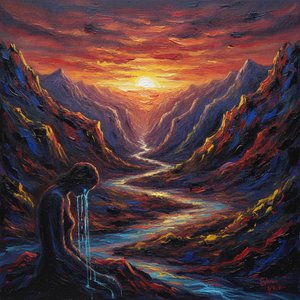
Capturing Emotion: A Journey Through the Soul of Expressionist Landscapes
Explore the profound emotional depth of Expressionist landscapes. Discover how Post-Impressionist masters moved beyond light to capture the soul through vibrant color and form. A curated journey for true art lovers seeking the beauty of expressive mastery.
Tyrinėkite meno kūrinius, suskirstytus pagal temas, stilius ir savybes.


