

 Peržiūrėti realaus dydžio版
 Pasidalinti
 Dalintis
 Išsamiau
 Vadovas

 Atsisiųsti
 Panašūs eksponatai
 Rentgeno spindulių nuotrauka
 Automatinė diorama
 问答
问答 Statistika
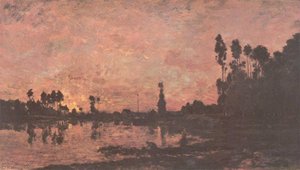
Evening on the Oise

- 99.0 x 200.0 cm


Experience Charles-François Daubigny’s serene ‘Evening on the Oise,’ a captivating 1863 landscape painting showcasing atmospheric impressionism and a tranquil river scene perfect for art lovers to admire or own.
 Skaityti daugiau
Charles-François Daubigny (1817–1878) – pradininkas atmosferinio impresionizmo. Žymiausi kraštovaizdžio tapytojas, Barbizon mokyklos atstovas, įkvėpęs Monet ir Cézanne. Atraskite 'Derliaus' paveikslą ir kitus jo šedevrus!
Giclée / Meno spausdinimas
Muziejų lygio „giclée“ arba drobos spausdinimas: greita gamyba ir lankstios apdailos parinktys. ( Pirkti rankų darbo tapybą Perejti prie skaitmeninių vaizdų)




P118B €10

P118H €10

P118W €10

P438Z €10

P508JH €12

P508YH €12

P805H €10

P805Z €10

P919BZ €10

P919G €10

P919XJ €10

P959ZH €10

P968JZ €12

W106C €8

W218G €10

W218JH €8

W218Y €10

W307PJ €10

W316G €10

W316PJ €8

W316Y €10

W398PJ €8

W4111J €10

W500HY €15

W500JH €15

W692G €12

W849H €8

W940BG €15

W953PJ €8




Standartinis dydis
pagal užsakymą
CM
INCH
Pasirinkite iš mūsų nustatytų dydžių, atitinkančių originalaus meno kūrinio proporcijas.
Loading sizes...

plotis
aukštis
Įveskite jums reikiamą plotį ir aukštį, kad atvaizdas derėtų prie jūsų rėmo ar sienos. Spausdiną galima tik sumažinti, bet nepadidinti virš originalaus paveikslėlio dydžio, todėl keičiant proporcijas, dalis vaizdo prarandama. Prieš spausdinimą atsiųsime jums skaitmeninį maketą patvirtinimui. Šioje puslapio nuotraukoje matomas pjūvis nėra tikslus – jį rodo tik maketas.
Pristatymas visame pasaulyje () per 2 weeks, o ne įprastas 4/5 savaičių laikotarpis. (5 lapkritis)

Nemokamas greitasis pristatymas visame pasaulyje

Aukštos kokybės lininis drobė

Pilnas siuntimo draudimas

Muitinės mokesčių grąžinimo garantija

Tikro spalvų atitikimo garantija

100 dienų grąžinimo politika (tik esant įtaigoms)

100% pinigų grąžinimo garantija

Nuolaida dideliems užsakymams
 Stiklo variantas prieinamas tik pasirinkus dydį iki 110 cm

Evening on the Oise
Giclée / Meno spausdinimas
Reprodukcijos matmenys
-


Bendroji kaina
€ 62
Charles-François Daubigny’s “Evening on the Oise”: A Symphony of Light and Leisure
Evening on the Oise, painted in 1863 by Charles-François Daubigny, is more than just a depiction of a riverbank; it's a carefully constructed meditation on light, atmosphere, and the simple pleasures of rural life. Measuring 99 x 200 cm, this canvas captures a quintessential French scene – the Oise River meandering through a verdant landscape, dotted with figures engaged in quiet pursuits. Daubigny, a pivotal figure in the development of Atmospheric Impressionism, masterfully translates his observations of nature into a work brimming with nuanced color and a palpable sense of tranquility.
- A Pioneer’s Vision: Daubigny's artistic journey was marked by a deliberate rejection of rigid academic conventions. Influenced by his travels to Italy – particularly the landscapes of the region – he sought to represent nature not as an idealized subject for historical or mythological narratives, but as it existed in its raw, fleeting beauty.
- Technique and Color: The painting’s remarkable luminosity stems from Daubigny's innovative use of color and brushwork. He employed broken strokes and juxtaposed complementary hues – blues and oranges, greens and purples – to create a shimmering effect, mimicking the play of light on water and foliage. This technique, anticipating the later developments of Impressionism, prioritizes the immediate sensory experience over precise representation.
The Essence of Atmospheric Impressionism
Daubigny’s approach aligns perfectly with the burgeoning movement of Atmospheric Impressionism, which sought to capture not just the subject matter but also the *impression* of a scene – its mood, light, and atmosphere. Unlike earlier landscape painters who meticulously rendered every detail, Daubigny focused on conveying the ephemeral qualities of the environment. The hazy evening light, diffused through the trees, is particularly striking, creating a sense of depth and mystery. Notice how he uses subtle gradations of color to suggest the movement of water and the shifting shadows cast by the foliage.
- Plein Air Painting: Daubigny was a fervent advocate for *plein air* painting – working directly outdoors – believing it essential for accurately capturing natural light. This commitment is evident in the freshness and immediacy of his brushwork.
- Social Context: The mid-19th century witnessed a growing interest in leisure activities and the beauty of the French countryside. Daubigny’s painting reflects this trend, depicting figures enjoying a peaceful evening by the river – a scene that resonated with the aspirations of a burgeoning middle class.
Symbolism and Emotional Impact
Beyond its technical brilliance, Evening on the Oise possesses a quiet emotional resonance. The scattered figures, engaged in simple activities like boating and sketching, evoke a sense of serenity and connection with nature. The river itself symbolizes fluidity, change, and the passage of time – themes frequently explored in art throughout history. The composition invites the viewer to step into the scene, to share in the tranquility and contemplate the beauty of the natural world. Daubigny’s ability to evoke such a profound sense of peace is a testament to his artistic skill and his deep understanding of the human condition.
- Historical Significance: This painting represents a crucial moment in the development of French landscape art, foreshadowing the innovations of Impressionism.
- Perfect for Your Space: A hand-painted reproduction of this artwork will bring a touch of timeless elegance and tranquility to any interior space – from a formal living room to a serene bedroom.
Klausimai ir atsakymai
Kam rekomenduojamas naudojimui „Evening on the Oise“ spausdinys?
„Evening on the Oise“ – Šarlis Fransua Dobinji reprodukcija rekomenduojama Accent. Šis pasiūlymas grindžiamas kūrinio tema, nuotaika ir spalvomis.
Kokią spalvų harmoniją išpriešia „Evening on the Oise“ – Šarlis Fransua Dobinji?
„Evening on the Oise“ – Šarlis Fransua Dobinji pasižymi Unified Palette spalvų harmonija.
Kokia spalva labiausiai išsiskiria kūryniame „Evening on the Oise“?
Pagrindinė „Evening on the Oise“ spalva – Gray (#8e826b). Dominuojančia spalva padeda lengviau suderinti kūrinį su interjeru.
panašūs kūriniai


Autoriaus biografija
Ankstyvieji Metai ir Formavimasis
Charles-François Daubigny, gimęs Paryžiuje 1817 metais, augo šeimoje, pasižyminčioje stipriomis meno tradicijomis – jo tėvas, Edmé François Daubigny, ir dėdė Pierre Daubigny, abu tapytojai, padėjo pamatus ankstyvam jo mokymui. Tačiau jaunasis Charles greitai ėmėsi kurti savo kelią, atsisakydamas akademinio apribojimo siekdamas tiesiogiau susipažinti su gamtos pasauliu. Pradinės studijos po Paul Delaroche suteikė techninių įgūdžių, tačiau kelionė į Italiją 1836 metais, kurią jis atliko nepriklausomai kartu su kolega Henri Mignan, išties uždegė jo artistinę viziją. Ši patirtis jam įskiepijo gilų pagarbą gamtovaizdžiui ir norą jį užfiksuoti ne kaip idealizuotą sceną, o kaip gyvą, kvėpuojantį organizmą. Grįžęs į Paryžių, Daubigny derino komercinį darbą – iliustravo knygas ir dekoratyvines paneles – su augančiu aštraus lauko tapybos pomėgiu, kuris apibrėžė jo karjerą. Jis buvo artistų bendruomenės narys Rue des Amandiers-Popincourt, skatinant bendradarbiavimą ir naujų meno požiūrių tyrinėjimą.Barbizono Mokykla Ir Gamtos Apimtis
Daubigny artistinė trajektorija pasuko lemiamu posūkiu 1843 metais, kai jis apsigyveno Barbizone, nedideliame kaimelyje įsikūrusiame Fontenblo miške. Tai žymėjo jo formalų susijungimą su Barbizon mokykla, grupe menininkų, kurie atsisakė poliruoto akademinio tapymo dirbtinumo, naudodamiesi tiesiogine stebėjimu ir sąžininga kaimo gyvenimo bei kraštovaizdžio reprezentacija. Skirtingai nuo anksčiau buvusių kraštovaizdžių tapytojų, kurie dažnai eskizuodavo lauke ir baigdavo savo darbus studijoje, Barbizon menininkai – įskaitant Théodore Rousseau, Jean-François Millet ir Camille Corot – priėmė *en plein air* tapybą kaip pagrindinį principą. Daubigny draugystė su Corot pasirodė ypač įtakinga; kartu jie tyrinėjo Fontenblo miškus, užfiksuodami subtilius šviesos ir atmosferos niuansus. Būtent tuo laikotarpiu Daubigny sukūrė savo novatorišką “Botin”, valtelę-studiją, kurią naudojo plaukiant Prancūzijos upėmis – ypač Sena ir Oise – suteikdamas jam neprivalomo priėjimo prie įvairių kraštovaizdžių ir skatinant intymų ryšį su gamta. Ši mobilioji studija tapo sinonimu jo artistinei praktikai, simbolizuodama jo įsipareigojimą tapyti tiesiogiai iš gyvos gamtos.Tiltas Tarp Realizmo Ir Impresionizmo
Daubigny darbai užima unikalią vietą XIX amžiaus meno istorijoje, tarnaudami kaip lemiamas ryšys tarp Barbizon mokyklos realizmo ir besiformuojančio impresionistinio judėjimo. Nors tvirtai įsitvirtinęs Barbizon tradicijoje vaizduodamas gamtą ištikimai ir nuoširdžiai, jo paveikslai vis labiau pabrėždavo atmosferinius efektus, trumpalaikius šviesos momentus ir subjektyvų suvokimą – kokybes, kurios pranašavo Monet, Renoir ir jų kolegų naujoves. Jis eksperimentavo su tokiais metodais kaip *cliché verre*, procesu, apjungiančiu fotografiją ir spaudą, rodydamas atvirumą naujoms technologijoms ir artistinėms galimybėms. Jo kraštovaizdžiai pasižymi platais, laisvais potepiais, prislopta palete ir dėmesiu į šviesos ir oro efemeriškas savybes užfiksuoti. Paveikslai, tokie kaip “Derlius” (1857) ir “Gylieu tvenkiniai” (1864), pavyzdžiuoja jo gebėjimą sukelti nuotaikos ir atmosferos jausmą, perkeldami žiūrovą į Prancūzijos kaimo širdį. Jis ne tik užrašinėjo tai, ką matė; jis perteikė *kaip* jautėsi būnant tą akimirką.Palikimas Ir Ilgalaikis Poveikis
Charles-François Daubigny mirė Paryžiuje 1878 metais, palikęs turtingą artistinį palikimą, kuris ir šiandien rezonuoja. Jo įtaka apėmė jo artimiausių mokinių ratą – įskaitant jo sūnų Karl, Achille Oudinot ir Hippolyte Camille Delpy – įkvėpdami kraštovaizdžių tapytojų kartas. Jis buvo svarbus skatinant ryšius tarp Barbizon mokyklos ir besiformuojančio impresionistinio judėjimo, pristatydamas Claude Monet ir Paul Cézanne naujus būdus matyti ir tapyti. Jo įsipareigojimas *en plein air* tapybai, atmosferinių efektų tyrinėjimui ir noras priimti naujoves nutiesė kelią radikalioms artistinėms transformacijoms, kurios apibrėžė XIX amžiaus pabaigą. Daubigny paveikslai dabar laikomi pagrindiniuose muziejuose visame pasaulyje, įskaitant Musée d'Orsay Paryžiuje ir Cincinnati Art Museum, liudydami jo ilgalaikį indėlį meno istorijoje. Jis išlieka esminė figūra – atmosferinio realizmo meistras, kuris numatė impresionizmo atėjimą ir padėjo formuoti modernios tapybos eigą.Žymiausi Darbai
- Derlius (1857): Esminis Daubigny gebėjimo užfiksuoti kaimo gyvenimą ir atmosferą pavyzdys, dabar saugomas Musée d'Orsay.
- Gylieu tvenkiniai (1864): Demonstruoja jo meistriškumą kraštovaizdžių tapyboje ir atmosferinėje perspektyvoje, šiuo metu Cincinnati Art Museum.
- Mėnulio Šviesa (1865): Parodo Daubigny įgūdžius vaizduojant naktines scenas subtiliomis šviesos efektais.
- Auvers-sur-Oise (1868): Įtraukiantis Prancūzijos kaimo vaizdas, atspindintis jo gilų ryšį su regionu.
- Jūraskraštovaizdis (1876): Impresionistinis bangų ir pakrantės grožio vaizdavimas.

Šarlis Fransua Dobinji
1817 - 1878 , Prancūzija
Trumpa informacija
- Gimimo Data: 1817 m. vasario 15 d.
- Gimimo Vieta: Paryžius, Prancūzija
- Menininkai, Kuriuos Įtakojo:
- Impresionizmas
- Claude Monet
- Meninis Stilius: Barbizon mokykla, Impresionizmas
- Mirties Data: 1878 m. vasario 19 d.
- Pilnas Vardas: Charles-François Daubigny
- Tautybė: Prancūzas
- Įtakoję Menininkai:
- Camille Corot
- Gustave Courbet
- Žymiausi Darbai:
- Derlius (1857)
- Gylieu tvenkiniai (1864)
- Mėnulio šviesa (1865)
Susiję straipsniai

Capturing the Light: A Journey Through the Soul of American Impressionism and the Hudson River School
Explore the luminous beauty of American Impressionism and the Hudson River School. Discover a curated journey through light, landscape, and history, celebrating the enduring legacy of masters through exquisite, hand-painted oil reproductions for the discerning art lover.
Tyrinėkite meno kūrinius, suskirstytus pagal temas, stilius ir savybes.

