

 Peržiūrėti realaus dydžio版
 Pasidalinti
 Dalintis
 Išsamiau
 Vadovas

 Atsisiųsti
 Panašūs eksponatai
 Rentgeno spindulių nuotrauka
 Automatinė diorama
 Q&A
Q&A Statistika
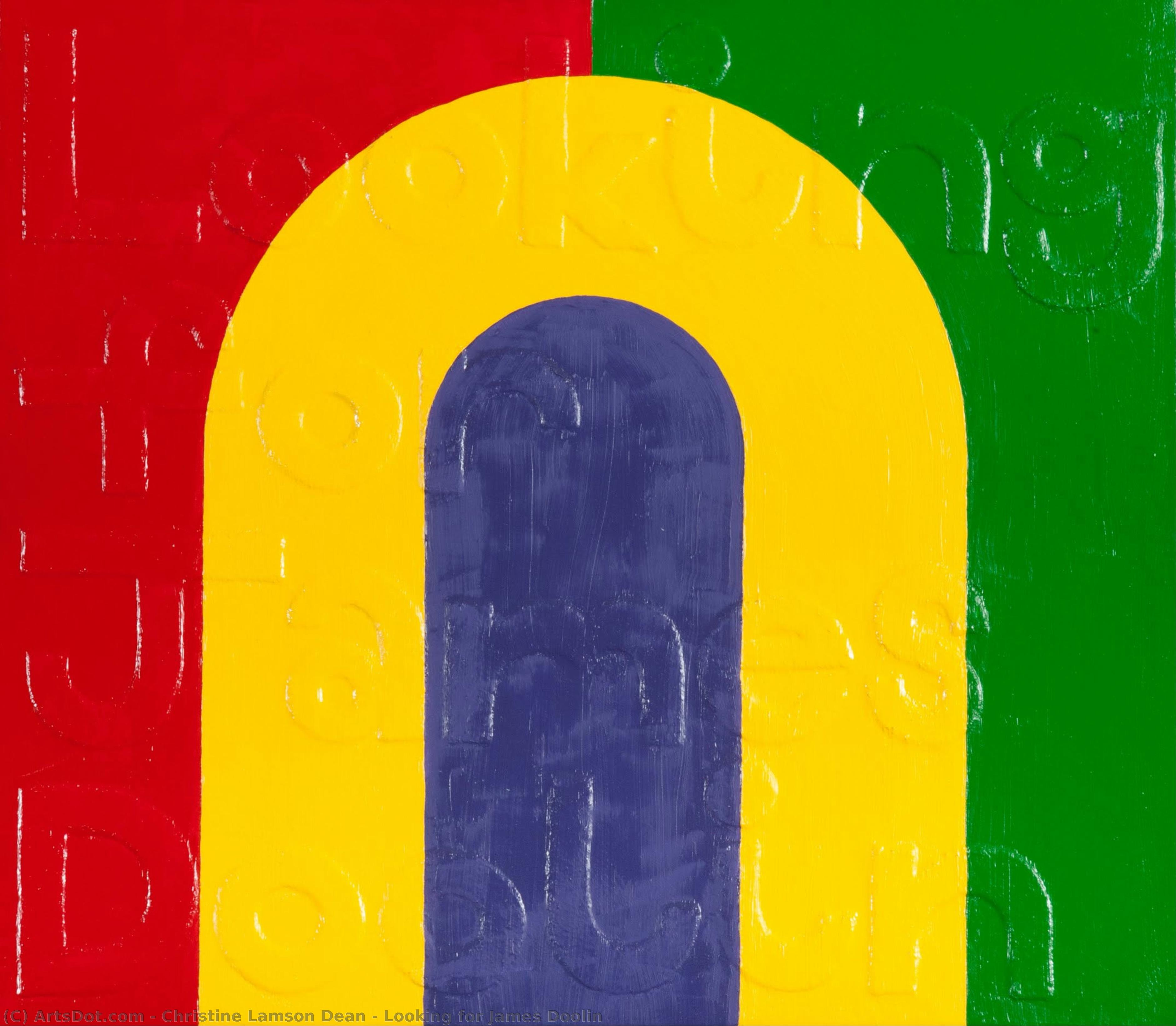
Looking for James Doolin
 Painting
- Late Modernism
 2002
2002- Contemporary
 35.0 x 40.0 cm
 Penrith Regional Gallery - Lewers paliego namai
A striking composition of vibrant geometric triangles defines this late modernist abstract painting by Christine Lamson Dean, offering a profound exploration of color and form for your private collection.
 Skaityti daugiau
Atraskite Christine Lamson Dean (g. 1963) abstrakčias ir tekstines paveikslus – australinės menininkės, įkvėptos vėliojo modernizmo. Jos kūryboje juožiamas poetiškumas ir politika bei išskirtinis kompozicinio meistriškumo lygis.
Šiame puslapyje rodomas meno kūrinys yra saugomas autorių teisių įstatymais, todėl neturime teisės legaliai kurti ar parduoti jo identiškos reprodukcijos. Ši apsauga užtikrinama remiantis tokiais tarptautiniais susitarimais kaip Bernės konvencija ir pagal nacionalines įstatymų nuostatas, įskaitant tas, kurias nurodo JAV autoriškos teisės įstatymas – 17-asis skyrius.
Šis metodas visiškai atitinka autorių teises, nes jame nėra saugomo kūrinio kopijavimo ar dubliavimo. Tai yra kūrybinė reinterpretacija – naujas paveikslas, kurį įkvėpė originalas, tačiau kuris nėra jo identiškas.
Giclée / Meno spausdinimas
Muziejų lygio „giclée“ arba drobos spausdinimas: greita gamyba ir lankstios apdailos parinktys. ( Pirkti rankų darbo tapybą Perejti prie skaitmeninių vaizdų)




































Standartinis dydis
pagal užsakymą
CM
INCH
Pasirinkite iš mūsų nustatytų dydžių, atitinkančių originalaus meno kūrinio proporcijas.
Loading sizes...

plotis
aukštis
Įveskite jums reikiamą plotį ir aukštį, kad atvaizdas derėtų prie jūsų rėmo ar sienos. Spausdiną galima tik sumažinti, bet nepadidinti virš originalaus paveikslėlio dydžio, todėl keičiant proporcijas, dalis vaizdo prarandama. Prieš spausdinimą atsiųsime jums skaitmeninį maketą patvirtinimui. Šioje puslapio nuotraukoje matomas pjūvis nėra tikslus – jį rodo tik maketas.
Pristatymas visame pasaulyje () per 2 weeks, o ne įprastas 4/5 savaičių laikotarpis. (30 spalis)

Nemokamas greitasis pristatymas visame pasaulyje

Aukštos kokybės lininis drobė

Pilnas siuntimo draudimas

Muitinės mokesčių grąžinimo garantija

Tikro spalvų atitikimo garantija

100 dienų grąžinimo politika (tik esant įtaigoms)

100% pinigų grąžinimo garantija

Nuolaida dideliems užsakymams
 Stiklo variantas prieinamas tik pasirinkus dydį iki 110 cm

Looking for James Doolin
Giclée / Meno spausdinimas
Reprodukcijos matmenys
-


Bendroji kaina
€ 61
A Geometric Dialogue with Modernism
In the vibrant landscape of contemporary Australian abstraction, Christine Lamson Dean stands as a profound interlocutor between the past and the present. Her 2002 masterpiece, "Looking for James Doolin," serves as a captivating visual meditation on the legacies of late modernism. The painting is not merely an arrangement of shapes but a sophisticated intellectual inquiry, born from her transformative residency at the Penrith Regional Gallery. Through a masterful command of color and form, Dean invites the viewer into a space where geometry meets memory, creating a composition that feels both structurally rigorous and poetical in its execution.
The artwork is anchored by a commanding yellow triangle, a bold geometric protagonist that commands the eye's immediate attention. This central figure acts as a focal point for a rhythmic dance of secondary triangles in shades of deep blue, verdant green, and striking red. These overlapping forms create a sense of layered depth, suggesting a complex architectural or celestial map. The interplay of these primary and secondary colors evokes the spirit of mid-century abstraction, yet Dean infuses the piece with a contemporary sensibility that feels fresh and vital. The deliberate use of sharp edges and saturated hues creates a visual tension that is both stimulating and harmoniously balanced.
The Art of Reference and Resonance
To look upon "Looking for James Doolin" is to engage in a scholarly pursuit of art history. Dean’s technique involves a delicate layering of references, where each shape and color choice pays homage to the giants of Australian modernism. The painting breathes with the influence of Margo Lewers and the Hinder duo, weaving their aesthetic DNA into its very fabric. By referencing academic critics like Clement Greenberg, Dean elevates the canvas from a simple abstract study to a profound commentary on the philosophical foundations of art practice. This intellectual depth makes the piece an extraordinary choice for collectors who value art that functions as both a visual delight and a conversation starter.
Beyond its formal qualities, the painting possesses a unique emotional resonance. There is a sense of searching—a literal and metaphorical "looking"—that permeates the work. The way the smaller triangles drift in the background suggests a fragmented landscape or perhaps the fleeting nature of memory itself. For an interior designer, this piece offers a versatile yet commanding presence; its bright, energetic palette can breathe life into a minimalist modern space, while its historical weight provides a sophisticated anchor for more eclectic, curated environments. It is a work that does not merely decorate a wall but enriches the very atmosphere of a room, offering a window into the enduring power of abstract thought.
Klausimai ir atsakymai
Kada ir kokiais medžiagomis buvo sukurta „Looking for James Doolin“?
„Looking for James Doolin“ – Kristina Lamsono Din technika – Painting, kūrybinė data – 2002.
Kaip atsisiųsti „Looking for James Doolin“ – Kristina Lamsono Din vaizdą?
Kūrinio „Looking for James Doolin“ – Kristina Lamsono Din vaizdą galite atsisiųsti puslapio Atsisiųsti skaitmeninį vaizdą skiltyje: aukštos raiškos skaitmeninio vaizdo atsisiuntimas.
Kokią emociją perteikia „Looking for James Doolin“ – Kristina Lamsono Din?
„Looking for James Doolin“ kūryboje Bold nuotaika lydi Reflective emociją.
Autoriaus biografija
ankstyvasis gyvenimas ir išsilavinimas
christine lamson dean, 1963 metais Australijoje gimusi kūrybinė asmenybė, savo sugalvojančiais įdėmumas paveikslukais jau seniai sužavė meno pasaulį. Jos meninė kelionė, prasidėjusi Sidneyje, buvo tvirtai įtvirtinta studijuojant Sidney universitete, kur įgijo dailės bacheloriaus laipsnį, o vėliau, 1989 metais, tamamė vidurinio meno mokymo diplomą Sidney mokytojų kolegijoje.meninė karjera ir stilius
kūrybinė deano plėtra pasižymi unikaliu abstrakcijos ir teksto derininiu, dažnai įtraukiant poetiškus bei politinius elementus. Jos stiliui, įkvėptam vėliojo modernizmo, didelę įtaką darė studijos Europos ir Amerikos meno judėjimams. Šios intelektualios ieškomosios tendencijos rezultatas – jos paveikslai dažnai užgoja žinomų meistrų pėdsakus, tokių kaip margo lewers, lyndon dadswell bei frank and margel hinder.pastebimos parodos ir rezidencija
viena ryškiausių deano kūrybinės veiklos akimirkų buvo 2003 metais vykusi rezidencija Penrith regioninėje galerijoje, kurioje ji sukūrė darbų seriją, įkvėptą šios galerijos kolekcijos. Ši kūrybinė patirtis tapo pagrindu keliems svarbiems kūriniams, įskaitant:- see you at central street (tim johnson) – paveikslą, kuris demonstruoja jos išskirtinį stilių ir techniką.
- handbag monochrome – dar vieną pavyzdį, tyrinėjantį ryšį tarp abstrakcijos ir teksto.
- after paul hopmeier and lyndon dadswell – kūrinį, įrodantį jos gebėjimą sujungti skirtingus meninius įkvėpimus.
mokymas ir kuravimas
be savo veiklos kaip dailininkės, deana taip pat paliko didelę ž empre lį kaip edukatore ir kuratore. Jos mokymo procesas visada koncentruojasi į abstrakcijos ir teksto santykio vystymą, perduodant kompozicinę meistriškę būsimoms menininkų kartoms. pagrindinės nuorodos iš TopImpressionists.com: rekomenduojama skaityti:
Kristina Lamsono Din
1963 - , Australija
Trumpa informacija
- Artistic Movement Or Style: Vėlioji modernizacija
- Artists Who Influenced This Artist:
- Margo Lewers
- Lyndon Dadswell
- Frank Hinder
- Margel Hinder
- Date Of Birth: 1963
- Full Name: Christine Lamson Dean
- Nationality: Australijos
- Notable Artworks:
- Susitiksime Central Street gatvėje (Tim Johnson)
- Handbag monochrome
- Apie Paulą Hopmeier ir Lyndoną Dadswell
- Place Of Birth: Sidney, Australija
Susiję straipsniai

Slate Blue Masterpieces: 10 Iconic Paintings & Timeless Home Decor Ideas
Immerse yourself in the captivating world of slate blue! Explore 10 iconic paintings by Monet, Van Gogh & Renoir. Discover their stories, techniques & find museum-quality art reproductions for your home at .

Verdant Visions: Exploring the Symbolism & Aesthetic Impact of Green in Art History
Explore the rich history & symbolism of green in art! Discover iconic paintings, techniques, and how to bring verdant harmony into your home with TopImpressionists's expert guide.

Top 10 Abstraktus Ekspresionizmas: Simboliai ir Grožio Paslaptys
Atraskite 10 legendinių abstraktus ekspresionizmo kūrinių! Pažinkite Pollocko, Rothko ir kitų genijų istorijas bei jų spalvingas meno interpretacijas. Puikios meninės reprodukcijos jūsų namams – TopImpressionists.com

Geometrinės Abstrakcijos Šedevrai: 10 Kūrinių, Pakeitusių Meną | TopImpressionists.com
Atraskite 10 geometrinės abstrakcijos šedevrų – nuo Mondriano iki Malevičiaus! Sužinokite apie Piet Mondrian, Kazimir Malevič ir kitus menininkus. Meno kūriniai jūsų interjerui | TopImpressionists.com

Kandinsky's Masterpieces: 25 Paintings That Define Abstract Art | TopImpressionists
Journey through Wassily Kandinsky's 25 most iconic abstract paintings. Explore his revolutionary use of color, form & spiritual expressionism. Find museum-quality Kandinsky reproductions and elevate your home decor with TopImpressionists.com. Discover all masterpieces on TopImpressionists.com!