

 Siųsti
 Dalintis
 Išsamiau
 Vadovas

 Atsisiųsti
 Panašūs eksponatai
 Diaporama
 Statistika
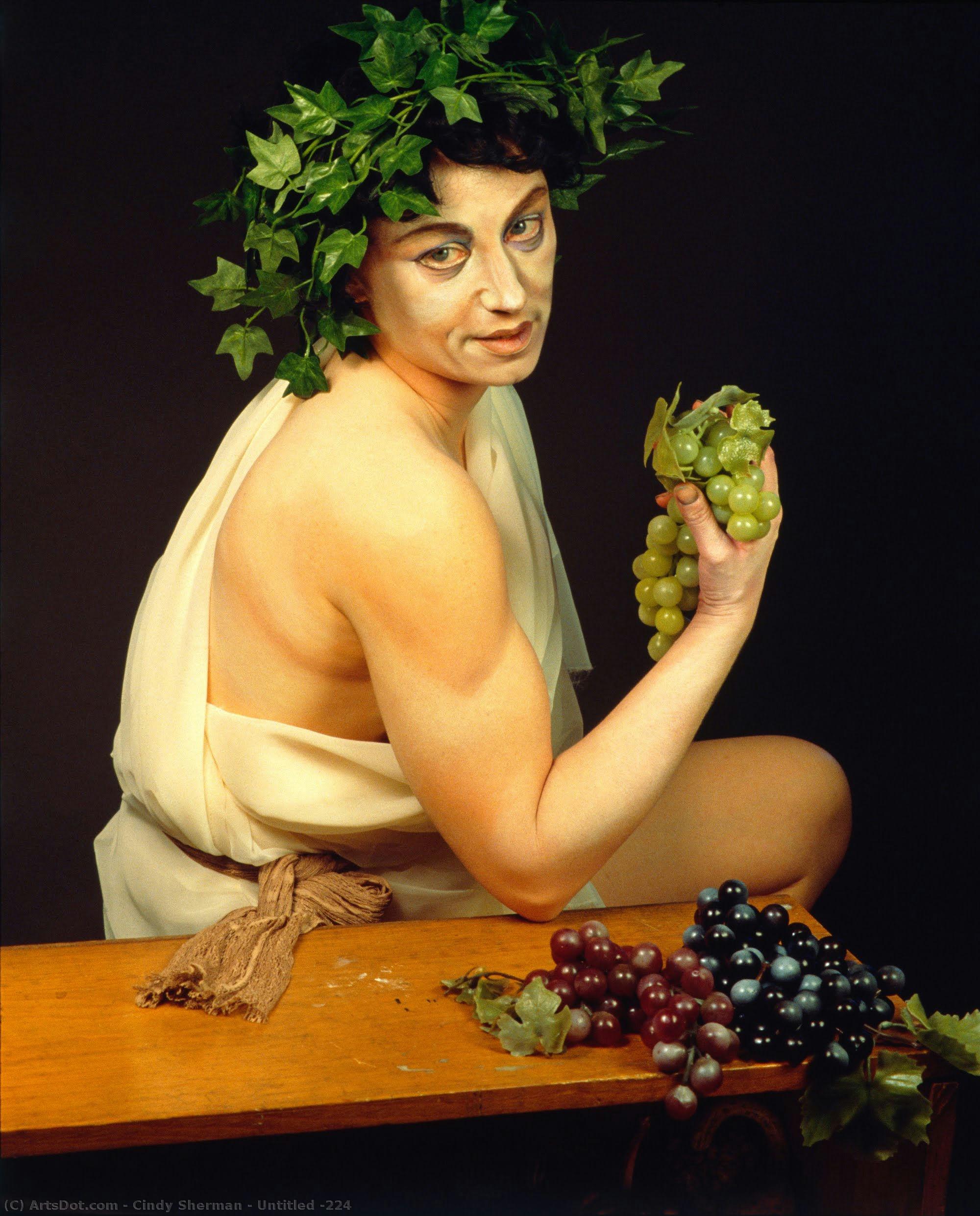
Untitled #224
 Black and White Photography
- Photo
- Contemporary Art
 1990
1990- Contemporary
 121.0 x 96.0 cm
 The Feminist Institute
A haunting black and white photograph of a woman with a crown of leaves and grapes by Cindy Sherman captures a sense of profound unease, inviting you to explore this powerful deconstruction of identity.
 Rodyti daugiau
Atraskite transformatyvius Cindy Sherman, svarbios amerikietės fotografės, autoportretus. Dekonstruodama tapatybę ir lytį per tokias ikonomines serijas kaip „Untitled Film Stills“, ji meta iššūkį menui ir medioms.
Šiame puslapyje rodomas meno kūrinys yra saugomas autorių teisių įstatymais, todėl neturime teisės legaliai kurti ar parduoti jo identiškos reprodukcijos. Ši apsauga užtikrinama remiantis tokiais tarptautiniais susitarimais kaip Bernės konvencija ir pagal nacionalines įstatymų nuostatas, įskaitant tas, kurias nurodo JAV autoriškos teisės įstatymas – 17-asis skyrius.
Kaip pagarbią ir teisėtą alternatyvą, mes siūlome pagal užsakymą rankomis dažytus paveikslus, įkvėptus originalo. Mūsų įgudę ir profesionalūs menininkai kruopščiai tiria originalo stilių, nuotaiką ir meninę esmę, kad sukurtų naują, unikalią kūrinį, kuris sukelia tą paties jausmą – išlikdamas tuo tarciau originaliu, savarankišku kūrybiniu darbu.
Šis metodas visiškai atitinka autorių teises, nes jame nėra kūrinio kopijavimo ar dubliavimo. Tai yra kūrybinė reinterpretacija – naujas paveikslas, kurį įkvėpė originalas, tačiau kuris nėra jo identiškas.
Rankų darbo aliejinės reprodukcijos
Rankiniu būdu tapytas aliejus ant droblio jūsų pageidaujamame dydį ir rėmuose – mūsų menininkų darbas pagal užsakymą. ( Perjungti į spausdinimą Perejti prie skaitmeninių vaizdų)




































Standartinis
individualaus dydžio
CM
INCH
Pasirinkite iš mūsų nustatytų dydžių, atitinkančių originalaus meno kūrinio proporcijas.
Loading sizes...

plotis
aukštis
Įveskite jums reikiamą plotį ir aukštį, kad paveikslas atitiktų jūsų rėmą ar sieną. Kadangi šis darbas yra rankinio darbo, siekiant išgauti kitokio formos dydį, paveikslas gali būti šiek tiek didesnis (nuo kraštų bus palikta daugiau erdvės) arba mažesnis – pasirinkite jums patogiausią variantą. Prieš pradedant tapyti, atsiųsime jums skaitmeninį maketą patvirtinimui. Šioje puslapio nuotraukoje matomas vaizdas nėra galutinis rezultatas – jį parodys tik sukurtas maketas.
Ką galima pakeisti (pavyzdžiai): Pakeisti veidą į kliento nuotrauką; Pridėti augintinį (pvz., pakeisti katę šunimi); Įtraukti paslėptą žinutę fone; Pakeisti fono kraštovaizdį ar elementus.
Gavus užsakymą, TopImpressionists.com komanda susisieks su klientu el. paštu dėl instrukcijų ir pateiks maketo pavyzdį
Gavus užsakymą, TopImpressionists.com komanda susisieks su klientu el. paštu dėl instrukcijų ir pateiks maketo pavyzdį
Pristatymas visame pasaulyje () per 3–4 savaites, o ne įprastai – per 5 savaites. (23 spalis). Kokybė lieka nepakeičiama.

Nemokamas greitasis pristatymas visame pasaulyje

Aukštos kokybės lininis drobė

Pilnas siuntimo draudimas

Muitinės mokesčių grąžinimo garantija

Tikro spalvų atitikimo garantija

100 dienų grąžinimo politika (tik esant įtaigoms)

100% pinigų grąžinimo garantija

Nuolaida dideliems užsakymams
 Stiklo variantas prieinamas tik pasirinkus dydį iki 110 cm

Untitled #224
Reprodukcijos technika
Reprodukcijos dydis
-


Visų pasirinktų variantų kaina
€ 236
A Shadowed Feast
The camera captures a moment frozen in monochrome, where a woman sits amidst an abundance of fruit that feels both heavy and unsettling. A crown of leaves rests upon her head, its organic edges pressing against her brow as she holds clusters of grapes with a grip that seems more burdened than celebratory. Around her, the table is scattered with more dark, ripe bunches, their textures rendered in sharp, silvered tones. There is a palpable sense of unease in her gaze, an expression that drifts away from the viewer toward something unseen and perhaps troubling. The light falls across the scene in stark contrasts, highlighting the smooth skin of the fruit against the deeper shadows of the composition.
Every element in this frame feels carefully placed to disrupt a sense of classical peace. While the presence of grapes and leaves suggests a pastoral or mythological setting, the atmosphere remains thick with tension. The woman does not appear as a figure of leisure, but rather as someone caught in a state of profound discomfort. This tension pulls at the edges of the image, making the natural elements feel strangely artificial, as if the entire scene is a carefully constructed stage where the actors are momentarily lost in their own private anxieties.
The Weight of Representation
This work emerges from a period of intense exploration into how images are built and perceived. Created in 1990, it belongs to a series that looks back at the traditions of historical portraiture only to pull them apart. The composition alludes to much older visual languages, specifically referencing the way masters like Caravaggio depicted figures such as his Young Sick Bacchus. By using these familiar motifs—the crown, the fruit, the classical arrangement—the photograph engages with a long history of painting, yet it does so through the lens of contemporary photography and deliberate artifice.
The use of black and white strips away the distraction of color, forcing the eye to focus on the raw textures of the leaves, the skin, and the woman's face. This technique emphasizes the construction of the scene, making the props and costumes feel visible and intentional. It is a study in how identity can be performed through external objects. The discomfort felt by the subject becomes a tool to question the very idea of the portrait, turning a moment that looks like a classical painting into a modern interrogation of what it means to be seen.
问答 (or more naturally for a website heading): Klausimai ir atsakymai
Kas parduoda rankų darbo kopijas kūrinio „Untitled #224“, autorius – Sindi Šerman?
„Untitled #224“ galima įsigyti kaip rankomis dažyta aliejų reprodukcija ant lininio drobos. Užsakymą galite padaryti atskiroje Rankų darbo reprodukcija puslapio, pasirinkę tinkamą dydį.
Kokiam stiliui priklauso „Untitled #224“?
„Untitled #224“ yra Contemporary Art kūrinys. Šis stilius nurodo meninę tradiciją, kurios šis darbas yra dalis.
Kokią spalvų harmoniją išpriešia „Untitled #224“, autorius – Sindi Šerman?
„Untitled #224“, autorius – Sindi Šerman pasižymi Strong Color Unity spalvų harmonija.
Autoriaus biografija
Tapatybės dekonstrukcija: Cindy Sherman pasaulis
Gimusi 1954 m. Niudžėjje, Glen Ridge, Cynthia Morris Sherman tapo lūžio metu 20 ir 21 amžiaus meno figūra, tačiau ne per tradicinį portretą, o per jo tyčinį išardymą. Labiau žinoma kaip Cindy Sherman, ji neieškojo panašumo į asmenį; vietoj to ji siekė atskleisti pačios tapatybės konstruktą – tai, kaip ją formuoja masinės komunikacijos priemonės, visuomenės lūkesčiai ir pats žvilgsnio aktas. Jos kūrinys nėra apie tai, *kas* žmogus yra, o gana apie tai, *kaip* mes jį suvokime ir kokius vaidmenis priskiriame remdamiesi paviršutinėmis užuominomis. Augdama gana griežtoje šeimoje, kurios galas buvo skirstomas tarp inžinieriaus tėvo ir su vaikais, patiriančiais mokymosi sunkumų, dirbančios motinos, Sherman ankstyvoji gyvenimo patirtis tapo tyliu fone protrpėjančiai mintims, vėliau intensyviai susitelkusios į stebėjimą ir performatyvumą. Šis formavimosi laikotarpis į jos kūrybinį genijų įsisodino aštri suvokimas apie socialinę dinamiką ir subtilią konformizmo spaudimo jėgą – temas, kurios vėliau persmelkė visą jos meninę praktiką.Nuo tapybos iki fotografinio performanso
Sherman meninė kelionė prasidėjo tapyba Buffalo State universitete 1972 m., tačiau ji greitai pajuto nusivylimą tuo, ką suprato kaip šio medio ribojimus. Nebuvo pakanka tiesiog *atvaizduoti* realybės; ji norėjo ją skelbti, išanalizuoti jos slopinančias mechanizmus. Fotografija jai pasi offeredo naują kalbą – tokią, kuri leido tiesiogiai įsitraukti į reprezentaciją ir vaizdo manipuliaciją. Šis lūžis tapo tvirtu pagrindu vedančiu į jos revoliucinę seriją Bus Riders (1976), kurioje ji pradėjo eksperimentuoti su inkognito ir charakterizacija, stebėdama ir įkūnydama kasdienius žmones viešajiuose transporto priemonėse. Tačiau būtent Untitled Film Stills (1977–1980) išštumiavo ją pasaulinė atsidavimas. Ši pramintina 70 juodai baltų fotografijų serija pristatė pačią Sherman kaip archetipinius moteriškus veikėjus, tiesiog ištrauktus iš B-klasės filmų ir televizijos vizualinio žodyno. Tai nebuvo tik atkūrimai, o labiau evokacija – kruopščiai sukonstruoti scenarijai, kurie užsimino naratyvą, bet niekada jo pilnai neatskleidė. Kiekvienas vaizdas jaučiamas vienu metu tiek pažįstamais, tiek nerūpestingu, skatindamas žiūrėjus sudoubtoti dėl savo įsitikinimų apie lyties vaidmenis ir kinematografinius tropus. Ši serija nebuvo tiesiog *apie* šiuos veikėjus; tai buvo komentaras apie pačią vaizdo kūrimo aktą, atskleidžiantis, kaip vaizdai formuoja mūsų supratimą apie tapatybę.Archetipo ir visuomenės vaidmens tyrimas
Visą 1980-ąjį dešimtmečį ir vėliau Sherman toliau tyrinėja konstruktuotos tapatybės ir visuomenės lūkesčių temas per įvairias serijas. Jos Centerfolds & Fashion Series tiesiogiai susidūrė su moterų objektavimo tendencija media, kūrybiškai atkurdama žurnalų puslapius kritiniu žvilgsniu. Fairy Tales and Disasters (80-ųjų dešimtmečio vidurio–galvos) periodu ji nukelia į fantastines ir groteskiškas teritorijas, naudojama protezus ir sudėtingą grįžtą, kad sukurtų sutrikdantį vaizdą, kuris iššūkė konvencinius grožio ir naratyvo supratimus. History Portraits (90-ųjų pradžia) buvo ypač intriguojantys – tai istorinių paveikslų rekonstrukcijos su subtiliomis, tačiau reikšmingomis pakeitimais, kvestiuojančios autentiškumą ir galios dinamiką, būdingą tradiciniam portretui. Ji nebuvo tiesiog kopijuojanti šiuos darbus; ji juos nagrinėjo, atskleisdama jų konstruktinę prigimtį ir iššūkėdama pačią meninių „aukščiausiųjų kūrynių“ sąvoką. Vėlesni darbai tęsė šią tyrimą, dažnai įtraukdami didelio formato spalvinę fotografiją ir skaitmeninę manipuliaciją, kad dar labiau išlydytų ribas tarp realybės ir iliuzijos.Įtampų palikimas ir ilgalaikis pavadinimas
Sherman kūryba yra giliai įsišaknijusi Konceptualiame mene, kuriame idėjos yra svarbesnės už tradicinį meninį meistriškumą. Ji daug remiasi Feministine teorija, dalyvaudama kritikoje apie reprezentaciją ir vyriškąjį žvilgsnį, ypač taip, kaip tai buvo išsakyta Laura Mulvey savo įtakingame eseje „Visual Pleasure and Narrative Cinema“. Mulvey koncepcija „būti žiūrėtinei“ – moterų objektavimas kino struktūrose – tapo esmine temა Sherman darbe. Nors tiesiaginių įtakų nustatyti sunku, kūryboje galima pastebėti ir surrealizmo atmezgines, jos tyrinėjant priešawareness ir nerūpestingu vaizdų suderinimą. Jos poveikis šiuolaikiniam menui buvo neįtikėtinas. Ji laikoma esmine „Pictures Generation“ figūra – menininkų grupe, tyrinėjančios masinės komunikacijos įtaką kultūrai. Atzalaidą suteikė prestižiniai apd奖ai, tokie kaip MacArthur Fellowship (1995), o jos fotografijos šiandien laikomos didžiuosiuose pasaulio muziekuose, įskaitant MoMA ir Nelson-Atkins meno muziejų. Cindy Sherman inovatyvus požiūris į savitrauką ne tik perdefinuojavo šį žanrą, bet ir toliau skatina kritinį dialogą apie tapatybę, reprezentaciją bei viską apimantį vaizdų galią formuojant mūsų suvokimą apie save ir aplinkinį pasaulį. Jos darbai išlieka neįtikėtinai aktualūs šiandien, skatindami nuolatinę diskusiją apie autentiškumą, performansą ir nuolat evoluojantį savęs supratimą media prisituptusiame visuomenės struktūroje.
Sindi Šerman
1954 - , JAV
Trumpa informacija apie kūrėją
- Artistic Movement Or Style: Konceptualus menas, Fotografija
- Artists Or Movements Influenced By This Artist: ['„Pictures Generation“']
- Artists Who Influenced This Artist: ['Laura Mulvey']
- Date Of Birth: 1954-01-19
- Full Name: Cindy Sherman
- Nationality: Amerikos Unitedosios
- Notable Artworks:
- „Untitled Film Stills“
- „Bus Riders“
- „Centerfolds“
- „Fairy Tales“
- „History Portraits“
- Place Of Birth (City And Country): Glen Ridge, JAV
Susiję straipsniai

Shadow & Soul: Why Black & White Photography Remains the Ultimate Power Move in Modern Art
Discover why black & white photography remains a powerful force in contemporary art. Explore the impact of light, shadow, and texture through a visual journey of monochrome mastery and learn how to elevate your space with timeless grayscale aesthetics.

Monochrome Visions: Exploring the Aesthetic & Historical Significance of Black & White Photography
Explore the rich history & artistic power of black and white photography. From early techniques to iconic masters like Ansel Adams, discover why monochrome continues to captivate art lovers today. Expert insights for collectors.

White on Canvas: 10 Masterpieces & Timeless Elegance for Your Home Decor
Explore 10 iconic white paintings by Monet, Whistler & Rothko! Discover the stories behind these serene masterpieces and their impact on art history. Find museum-quality reproductions for your home decor at .

Mars Black Masterpieces: 10 Iconic Paintings & Timeless Art Decor Ideas
Delve into the power of 'Mars Black' with 10 iconic paintings by masters like Rembrandt & Caravaggio. Explore dramatic chiaroscuro, gothic art, and timeless beauty. Find museum-quality reproductions & elevate your home decor on .

Dark Masterpieces: 10 Iconic Paintings Dominated by Black Tones |
Explore 10 iconic paintings dominated by black tones, from Rembrandt’s chiaroscuro to Goya's dark expressions. Discover the stories behind these masterpieces & find museum-quality art reproductions for your home at .
Tyrinėkite meno kūrinius, suskirstytus pagal temas, stilius ir savybes.


