

Paveikslėlyje: · Su rėmu:
 Peržiūrėti realaus dydžio版
 Pasidalinti
 Dalintis
 Išsamiau
 Vadovas

 Atsisiųsti
 Panašūs eksponatai
 Rentgeno spindulių nuotrauka
 Automatinė diorama
 问答
问答 Statistika

€ 240
Rankų darbo aliejinės reprodukcijos
Rankiniu būdu tapytas aliejus ant droblio jūsų pageidaujamame dydį ir rėmuose – tai mūsų menininkų pagal užsakymą sukurtas darbas. ( Perjungti į spausdinamus版作品 Perejti prie skaitmeninių vaizdų)
Dydis
·Standartinis dydis
pagal užsakymą
CM
INCH
Pasirinkite iš mūsų nustatytų dydžių, atitinkančių originalaus meno kūrinio proporcijas.
Kraunami dydžiai...

plotis
aukštis
Įveskite jums reikiamą plotį ir aukštį, kad paveikslas atitiktų jūsų rėmą ar sieną. Kadangi šis darbas yra rankinio darbo, siekiant išgauti kitokios formos dydį, paveikslas gali būti šiek tiek didesnis (nuo kraštų bus palikta daugiau erdvės) arba mažesnis – pasirinkite jums patogiausią variantą. Prieš pradedant tapyti, atsiųsime jums skaitmeninį maketą patvirtinimui. Šioje puslapio nuotraukoje matomas vaizdas nėra galutinis rezultatas – jį parodys tik sukurtas maketas.
 Skaityti daugiau
Baigiamasis etapas
·
Baltas apasutojimas €1

Išblėstantis šonas €1

Išplėstinis €1

P118B €10

P118H €10

P118W €10

P438Z €10

P508JH €12

P508YH €12

P805H €10

P805Z €10

P919BZ €10

P919G €10

P919XJ €10

P959ZH €10

P968JZ €12

W106C €8

W218G €10

W218JH €8

W218Y €10

W307PJ €10

W316G €10

W316PJ €8

W316Y €10

W398PJ €8

W4111J €10

W500HY €15

W500JH €15

W692G €12

W849H €8

W940BG €15

W953PJ €8

H24-GOLD €30

H24-SILVER €30

H36-GOLD €45

H36-SILVER €45
Siunčiama saugiame vamzdelyje, paruošta patys sukomentuoti jūsų rėmeliais.
Virš 105 cm rėmas siunčiamas kaip rinkinys profesionaliam rėmininkui — skaitykite detales.
Papildomos paslaugos
nebūtinaKą apima papildomos paslaugos?
Pavyzdžiai, ką galima pakeisti: pakeisti veidą nuotrauka su klientu; pridėti augintinį (pvz., pakeisti kucingą šuniu); įtraukti paslaptingą žinutę fone; pakeisti fono kraštotvę ar elementus.
Gavus užsakymą, TopImpressionists.com komanda susisieks su klientu el. paštu dėl nurodymų ir pateiks preliminarią maketą.
Gavus užsakymą, TopImpressionists.com komanda susisieks su klientu el. paštu dėl nurodymų ir pateiks preliminarią maketą.
Pristatymas visame pasaulyje () per 3–4 savaites, o ne įprastai – per 5 savaites. (7 lapkritis). Kokybė lieka nepakeičiama.
Apsauginis lakas
Pavadinimo lentelė
Išgraviruotos bronzinės plokštelės detalės
This elegant plaque features the artist's name and the title of the artwork, finely engraved for a timeless presentation.
It is made from bronze with a refined, elegant finish. The text is precisely laser-engraved for a sharp and permanent result. Measuring 9x2 cm, the plaque is compact yet easy to read. It's built to be durable and scratch-resistant, offering a professional, museum-quality look. Mounting is simple thanks to the included adhesive backing.
Skaidrios akrilo plokštelės informacija
The plaque includes essential engraved details such as the artist's name, the title of the artwork, the date it was created, the type of media used-like oil on canvas or watercolor-a brief description of the piece, and a QR code that links to the complete artwork information.
It is crafted from clear acrylic, offering a sleek, modern appearance. The text is UV-engraved in black to ensure strong visual contrast. With a size of 10x15 cm, it ensures optimal readability. It comes equipped with two metal hooks for secure wall mounting. The plaque is designed to be weather-resistant, making it suitable for various environments, and it includes interactive features that work seamlessly with smartphone scanning.
Juodos akrilo plokštelės informacija
This elegant plaque includes engraved information such as the artist's name, the title of the artwork, the date it was created, the type of media used (like oil on canvas or watercolor), a short description of the artwork, and a QR code for quick access to more information.
The plaque itself is made from refined black acrylic with a premium finish. The text is laser-engraved in white for high contrast and readability. Its size is 10x15 cm, designed to be easy to read. It comes with two metal hooks for professional mounting. The design is sleek and fits any interior style. It is also weather-resistant and durable, with built-in digital integration for mobile compatibility.
Stiklo variantas prieinamas tik pasirinkus dydį iki 110 cm
 Stiklo variantas prieinamas tik pasirinkus dydį iki 110 cm
- Nemokamas greitasis pristatymas visame pasaulyje
- Aukštos kokybės lininis drobė
- Pilnas siuntimo draudimas
- Muitinės mokesčių grąžinimo garantija
- Tikro spalvų atitikimo garantija
- 100 dienų grąžinimo politika (tik esant įtaigoms)
- 100% pinigų grąžinimo garantija
- Nuolaida dideliems užsakymams


Kolekcinio objekto aprašas
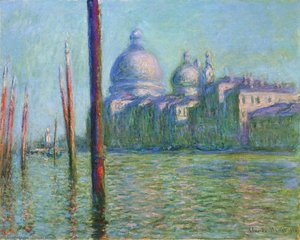
Experience Claude Monet's 'The Grand Canal,' a vibrant depiction of Venice’s iconic waterway. Capturing light and atmosphere, this Impressionist masterpiece showcases the beauty of the city.
Autoriaus biografija
Atraskite Klodo Monės pasaulį – impresionizmo meistro, garsaus dėl savo ikoninių peizažų, tokių kaip „Vandens lelijos“ ir „Šienapjūtės“, kuriais jis įamžino laikiną šviesą ir spalvas.
Apie paveisdelį
The Grand Canal’s Shimmering Embrace: Monet's Venetian Reverie
Claude Monet’s “The Grand Canal,” painted in 1908 during a fleeting visit to Venice, isn’t merely a depiction of a waterway; it’s an immersion into the very soul of light and atmosphere. Captured at a pivotal moment in his career – a time when he was wrestling with the challenges of translating the ephemeral effects of light onto canvas – this work embodies Monet's radical Impressionist philosophy: to paint not what the eye *sees*, but what the eye *feels*. The painting, a cornerstone of his Venetian series, reveals a profound shift in his approach, moving beyond simple representation towards an exploration of color and its transformative power. It’s a testament to how a single location, viewed through the lens of a master's perception, can become a universe of shimmering sensations.
The scene unfolds with remarkable immediacy. A broad expanse of water dominates the composition, reflecting the vibrant hues of the Venetian sky and buildings in a dazzling dance of light and color. A dozen gondolas, rendered as dark silhouettes against the luminous backdrop, glide along the canal’s surface, their presence subtly suggesting the bustling life that teemed beneath the city's elegant facade. Prominently featured is the Santa Maria della Salute church, its iconic dome rising majestically above the scene – a beacon of faith and architectural grandeur. Monet doesn’t attempt to meticulously recreate every detail; instead, he strategically simplifies forms, prioritizing the play of light and shadow, and the overall impression of movement and atmosphere. The clock tower, a key element in the composition, adds a vertical anchor, drawing the eye upwards and emphasizing the vastness of the sky.
Monet’s Impressionist TechniqueMonet's brushstrokes are loose and visible, characteristic of the Impressionist style. He employed short, broken strokes of pure color – a technique he developed to capture the fleeting effects of light on surfaces. Notice how he uses complementary colors—blues and oranges, greens and reds—to create visual excitement and depth. The painting is built up layer by layer, with each stroke contributing to the overall luminosity. He deliberately avoided blending colors on his palette, allowing them to mingle optically when applied to the canvas, creating a vibrant, almost iridescent effect. This technique was revolutionary at the time, challenging traditional academic painting methods that emphasized smooth transitions and realistic detail.
- Color Palette: Dominated by blues, greens, yellows, and oranges – reflecting the Venetian light.
- Brushwork: Loose, broken strokes of pure color, creating a sense of movement and vibrancy.
- Light & Shadow: Monet masterfully captures the interplay of sunlight and shadow, emphasizing the shimmering reflections on the water’s surface.
A Window into Venice – Context and Symbolism
Monet's Venetian journey was a significant departure from his usual landscapes of France. He initially expressed reservations about painting Venice, describing it as “too beautiful to be painted,” yet he couldn’t resist its allure. This trip coincided with a period of intense experimentation for Monet, driven by his desire to capture the essence of light and atmosphere in a more systematic way. The Venetian series became a crucial part of this exploration, allowing him to study how light transformed the same scene at different times of day and under varying weather conditions.
Beyond its purely visual appeal, “The Grand Canal” is rich with symbolism. The church of Santa Maria della Salute, standing proudly on the horizon, represents faith and spiritual aspiration – a powerful contrast to the fleeting beauty of the natural world that Monet sought to capture. The gondolas themselves evoke images of Venetian romance and tradition, while the water symbolizes fluidity, change, and the passage of time. The painting can be interpreted as a meditation on the relationship between art, nature, and human experience.
Monet’s Legacy – A Timeless Masterpiece
“The Grand Canal” is more than just a beautiful painting; it's a pivotal work in the history of modern art. Monet’s innovative use of color and light paved the way for subsequent generations of Impressionist and Post-Impressionist painters, including Van Gogh, Renoir, and Cézanne. His emphasis on capturing fleeting moments and subjective perceptions profoundly influenced the course of Western art.
Today, reproductions of “The Grand Canal” continue to captivate audiences worldwide, offering a glimpse into Monet’s extraordinary vision. Its shimmering colors, dynamic composition, and evocative atmosphere evoke a sense of wonder and transport viewers to the heart of Venice. Whether displayed in a grand salon or a cozy corner, this masterpiece serves as a reminder of the power of art to transform our perception of the world around us.
Further Information: For high-resolution images and detailed information about Claude Monet’s “The Grand Canal,” please visit TopImpressionists.com.
Klausimai ir atsakymai
Kokia „The Grand Canal“ – Klodas Monet nuotaika yra apibūdinama?
„The Grand Canal“ dvelkia Calm atmosfera.
Į kokį laikotarpį buvo sukurta „The Grand Canal“ – Klodas Monet?
Istorinis laikotarpis kūriniam „The Grand Canal“ – Klodas Monet yra Modern. Ši klasifikacija priskiria šį kūrinį konkrečiam meno istorijos etapui.
Kokia spalvų ryškumas ir intensyvumas pasižymi „The Grand Canal“ – Klodas Monet?
Kūrinys „The Grand Canal“ – Klodas Monet pasižymi Subtle Color nasyginimu ir Balanced intensyvumu.
Trumpos faktinės datos ir meno viktorina
Apie Klodas Monet

Klodas Monet
1840 - 1926, Prancūzija
Autoriaus biografija
Šviesos Įmėnimas: Klodo Monė Pasaulis
Oskar-Klodas Monet, vardas sinonimiškas Impresionizmui, nebuvo tik peizažų dailininkas; jis buvo trumpalaikių akimirkų kronikuotojas, šviesos ir spalvos poetas. Gimė Paryžiuje 1840 m. lapkričio 14 d., jo ankstyvieji metai patyrė nenumatytą posūkį, kai šeima persikėlė į Le Havrę, Normandijoje, penkerių metų amžiaus. Nors iš pradžių skirtas verslo karjerai pagal savo tėvo planus, jaunojo Klodo gimtoji meninė talentas greitai atsiskleidė, pirmiausia pasireiškiant anglies karikatūromis, pardavinėjomomis vietiniams gyventojams – tai bylojo tiek apie jo įgūdžius, tiek apie verslumo dvasią. Tačiau esminiu momentu tapo susitikimas su Ogene Boudinu. Boudinas ne tik mokė Monetę kaip dažyti; jis įskiepijo jam revoliucinę idėją – tiesiogiai iš gamtos, *en plein air* – dažyti, praktiką, kuri apibrėš jo visą meninę kelionę.
Monetės formalus mokymasis prasidėjo Paryžiuje, trumpam Akademijoje Suisse ir vėliau pas Charles Gleyre. Būtent čia jis sukūrė ilgalaikius ryšius su kitais dailininkais, tokiais kaip Ogustas Renoiras, ryšys paremtas bendromis meninėmis nuoskaudomis ir noru praspręsti iš tradicinio akademinio tapybos rėmų. Ankstyvieji jo darbai, nors ir demonstravo techninį įgūdį, neturėjo to skiriamojo balso, kuris vėliau būtų apibūdinęs jo stilių. Po to sekė neramumų laikotarpis – Prancūzijos-Prūsijos karas privertė Monetę ieškoti prieglobsčio Londone, kur jis panėrė į anglų peizažo meistrų, tokių kaip Džonas M. U. Turneris, kūrybą, pasisemdamas atmosferos efektų ir naujoviško spalvų naudojimo.
Estetinės Revoliucijos Gimimas
Grįžęs į Prancūziją Monetė tapo svarbiu buržuazinio meno sukilimo figūra. Nesumontuojant konservatyviems Salono standartams, jis suvienijo jėgas su kitais panašiais požiūriais turinčiais dailininkais, kad organizuotų nepriklausomas parodas. 1874 m. paroda pasirodė esanti lūžis ne tik Monetės, bet ir visos meno pasaulio akimis. Būtent čia buvo parodyta jo drobė „Impression, soleil levant“ (Impresionas, saulėtekis), ir iš jos kilo paniekinis terminas „impresionizmas“. Tačiau pavadinimas įsitvirtino, tapo garbės ženklu judėjui, siekiančiam užfiksuoti tikrą *įspūdį* nuo scenos, o ne jos tikslią atkartojimą.
Šiuo laikotarpiu Monetės savitas stilius sužydėjo: laisvos, matomos teptukų linijos, ryškios ir dažnai nemaišytos spalvos dedamos viena šalia kitos (technika, žinoma kaip „sudaužyta spalva“) ir nepajudinama koncentracija į nuolatinius šviesos aspektus. Jis atkakliai tęsė savo en plein air praktiką, greitai dirbdamas, kad užfiksuotų savo tiesioginę suvokimą, kol besikeičiančios sąlygos pakeistų sceną. Tai nebuvo tik tai, kaip jis *matė*, bet kaip jis *jautėsi* atsakydamas į tai – radikali nuokrypa nuo meninių konvencijų.
Giverny: Šviesos ir Atspindžių Rojus
1883 m. Monetė apsigyveno Givernyje, šiaurės vakaruose nuo Paryžiaus, įkurdindamas namą ir sodą, kurie tapo tiek jo priegloba, tiek didžiausia įkvėpimo šaltiniu. Jis atidžiai pavertė turto teritoriją išskirtine oaze, kurioje buvo egzotinių gėlių, veriančiųjų beržių ir garsiausių vandens lelijų baseino su japoniško pėdos tiltu. Tai nebuvo tik dekoratyvus sodas; tai buvo gyvenimo laboratorija, kur Monetė galėjo studijuoti šviesos efektus ant vandens, lapijos ir atspindžių kontroliuojamomis sąlygomis.
Jo gyvenimo paskutiniojoje dešimtmetyje jis beveik visą laiką skyrė vandens lelijų piešiniams. Jis imasi monumentalios Vandens lelijų (Nymphéas) serijos, sukurdamas dideles drobės, kuriose baseino paviršių vaizduoja kaip nuolat besikeičiančią spalvų ir šviesos tapestiją. Tai nebuvo tik gėlių paveikslai; tai buvo imersiniai patyrimai, skirti apgaubti žiūrovą tylios grožio ir kontempliatyvos pasaulyje. Šių darbų mastas yra kvapą atimantis, peržengiantis tradicinio tapybos ribas ir numatant abstraktaus ekspresionizmo formas.
Palikimas: Nuolatinis Poveikis Meno Istorijai
Klodo Monetės įtaka meno istorijai yra neįvertinama. Jis nebuvo tik Impresionizmo pradininkas; jis fundamentaliai pakeitė, kaip dailininkai suvokė ir atvaizdavo pasaulį aplink save. Jo akcentas į subjektyvią patirtį, jo en plein air tapybos priėmimas ir naujoji technika atidarė kelią modernaus meno abstrakcijos ir ne reprezentacinių formų tyrimams.
Monetė per savo gyvenimą pasiekė didelę komercinę sėkmę – tai retas reiškinys tarp avangardinių dailininkų. Jo darbai ir toliau įkvepia nuostabą ir žavumą visame pasaulyje, tvirtindami jo vietą kaip vieną svarbiausių Vakarų meno figūrų. Jis mirė 1926 m. gruodžio 5 d., palikęs palikimą, kuris rezonuoja per kartas menininkų ir meno entuziastų.
Pagrindinės Meninės Technikos
- Plein Air Tapyba: Centrinis jo vystymuisi, leidžiantis tiesiogiai stebėti šviesą ir atmosferą.
- Sudaužyta Spalva: Taikant mažus gryno spalvos potėpius viena prie kitos optiniam maišymuisi.
- Serijų Tapyba: Vaizduojant tą patį motyvą skirtingomis apšvietimo ir oro sąlygomis – demonstruojant laiko ir šviesos transformacijos galią.
Trumpa informacija apie Klodas Monet
- Artistic Movement Or Style: Impresionizmas
- Artists Or Movements Influenced By This Artist: ['Modernus menas']
- Artists Who Influenced This Artist:
- Eugène Boudin
- J.M.W. Turner
- Date Of Birth: 1840 m. lapkričio 14 d.
- Date Of Death: 1926 m. gruodžio 5 d.
- Full Name: Oskar-Klodas Monetė
- Nationality: Prancūzas
- Notable Artworks:
- Impression, Sunrise
- Nymphéas (Water Lilies)
- Haystacks series
- Rouen Cathedral series
- Place Of Birth: Paryžius, Prancūzija
panašūs kūriniai



Tyrinėkite meno kūrinius, suskirstytus pagal temas, stilius ir savybes.


Klodas Monet
The Grand Canal
() ·
Su rėmu: · Rankiniu būdu tapyta aliejumi ant lineno
Viso suma