


 Peržiūrėti realaus dydžio版
 Siųsti
 Dalintis
 Išsamiau
 Gidas
Gidas

 Atsisiųsti
 Panašūs eksponatai
 Rentgeno spindulių nuotrauka
 Diaporama
 Statistika
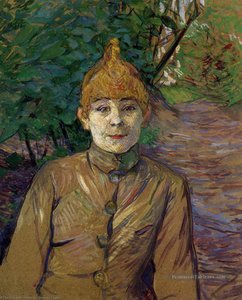
Woman Seated in a Garden


 Rodyti daugiau
Atgaukite Henri de Tulūz Lotreką (1864–1901), Post-Impressionizmo meistrą! Tyrinėkite ikoninius paveikslus, spaudinius ir Montmartro bohemišką pasaulį. Jo kūriniuose – Paryžiaus naktinis gyvenimas, kabaretų atmosfera ir drąsios linijos.
Rankų darbo aliejinės reprodukcijos
Rankiniu būdu tapytas aliejus ant droblio jūsų pageidaujamame dydį ir rėmuose – mūsų menininkų darbas pagal užsakymą. ( Perjungti į spausdinimą Perejti prie skaitmeninių vaizdų)




P118B $10

P118H $10

P118W $10

P438Z $10

P508JH $12

P508YH $12

P805H $10

P805Z $10

P919BZ $10

P919G $10

P919XJ $10

P959ZH $10

P968JZ $12

W106C $8

W218G $10

W218JH $8

W218Y $10

W307PJ $10

W316G $10

W316PJ $8

W316Y $10

W398PJ $8

W4111J $10

W500HY $15

W500JH $15

W692G $12

W849H $8

W940BG $15

W953PJ $8




Standartinis
individualaus dydžio
CM
INCH
Pasirinkite iš mūsų nustatytų dydžių, atitinkančių originalaus meno kūrinio proporcijas.
Loading sizes...

plotis
aukštis
Galite įvesti savo matmenis, kad jie atitiktų konkretų rėmą ar erdvę. Jei pasirinktas dydis neatitinka originalaus paveikslėlio proporcijų, mes arba apkropsime meno kūrinį, arba papildysime tapybą rankomis dažytい elementais. Prieš pradėdami gamybą, jūsų patvirtinimui atsiųsime skaitmeninį maketą.
Atkreipkite dėmesį, kad ekrane rodomas vaizdas neatspindi tikrojo apkarpymo ar papildymo. Tik maketas tiksliai parodys galutinę kompoziciją.
Nors galima rinktis ir individualius dydžius, rekomenduojame pasirinkti matmenis iš nustatytos sąrašo, kad būtų išlaikytos originalios proporcijos.
Ką galima pakeisti (pavyzdžiai): Pakeisti veidą į kliento nuotrauką; Pridėti augintinį (pvz., pakeisti katę šunimi); Įtraukti paslėptą žinutę fone; Pakeisti fono kraštovaizdį ar elementus.
Gavus užsakymą, TopImpressionists.com komanda susisieks su klientu el. paštu dėl instrukcijų ir pateiks maketo pavyzdį
Gavus užsakymą, TopImpressionists.com komanda susisieks su klientu el. paštu dėl instrukcijų ir pateiks maketo pavyzdį
Pristatymas visame pasaulyje () per 3–4 savaites, o ne įprastai – per 5 savaites. (23 rugsėjis). Kokybė lieka nepakeičiama.

Nemokamas greitasis pristatymas visame pasaulyje

Aukštos kokybės lininis drobė

Pilnas siuntimo draudimas

Muitinės mokesčių grąžinimo garantija

Tikro spalvų atitikimo garantija

100 dienų grąžinimo politika (tik esant įtaigoms)

100% pinigų grąžinimo garantija

Nuolaida dideliems užsakymams
 Stiklo variantas prieinamas tik pasirinkus dydį iki 110 cm

Woman Seated in a Garden
Reprodukcijos technika
Reprodukcijos dydis
-


Visų pasirinktų variantų kaina
$ 269
Woman Seated in a Garden – A Portrait of Parisian Life
Henri de Toulouse-Lautrec’s “Woman Seated in a Garden” is more than just a depiction of a woman; it's a vibrant snapshot of Montmartre at the turn of the 20th century. Painted in 1891, this work captures the essence of Parisian bohemian life – a world of fleeting encounters, passionate art, and a raw, unvarnished beauty that drew Toulouse-Lautrec relentlessly to its heart.
(Image: Henri de Toulouse-Lautrec, “Woman Seated in a Garden”, 1891)
The Artist’s Vision – A Master of Impressionistic Detail
Toulouse-Lautrec was a pivotal figure in the transition from Impressionism to Post-Impressionism. While he embraced the Impressionists' focus on light and color, he moved beyond mere optical representation, injecting his paintings with a distinctly personal vision. “Woman Seated in a Garden” exemplifies this approach. Notice the meticulous attention to detail – the delicate folds of the woman’s white dress, the textured surface of the leaves, the subtle play of light and shadow. This isn't simply a portrait; it’s an immersive experience of a specific moment in time, rendered with remarkable precision.
His technique involved rapid brushstrokes layered to create a sense of movement and atmosphere. He utilized broken color – applying small strokes of pure pigment side-by-side rather than blending them – to achieve a shimmering effect that captured the vibrancy of Parisian life. The clock in the upper right corner, an unexpected detail, adds a layer of narrative, hinting at the passage of time and the ephemeral nature of experience.
Symbolism & Context - Montmartre’s Soul
The painting is deeply rooted in the social and artistic landscape of Montmartre. This district was a hotbed of creativity – artists, writers, musicians, and performers flocked to its streets, creating a uniquely vibrant and often chaotic atmosphere. Toulouse-Lautrec himself became an integral part of this scene, documenting it with his art. The woman’s pose, slightly turned away, suggests contemplation or perhaps a brief moment of observation, mirroring the transient nature of encounters in Montmartre.
The garden setting itself is significant. It represents a refuge from the bustle of the city, a space for quiet reflection – yet even here, the artist captures the underlying energy and movement of the scene. The inclusion of the clock subtly references the relentless march of time, a recurring theme in Toulouse-Lautrec’s work.
A Legacy of Impressionistic Brilliance
“Woman Seated in a Garden” stands as a testament to Toulouse-Lautrec's genius – his ability to capture not just appearances but also the spirit and soul of Paris. His influence can be seen in subsequent generations of artists, particularly those interested in portraying urban life with honesty and emotion. This reproduction offers an unparalleled opportunity to own a piece of art history, bringing the captivating world of Toulouse-Lautrec into your home or office.
Susiję kūriniai




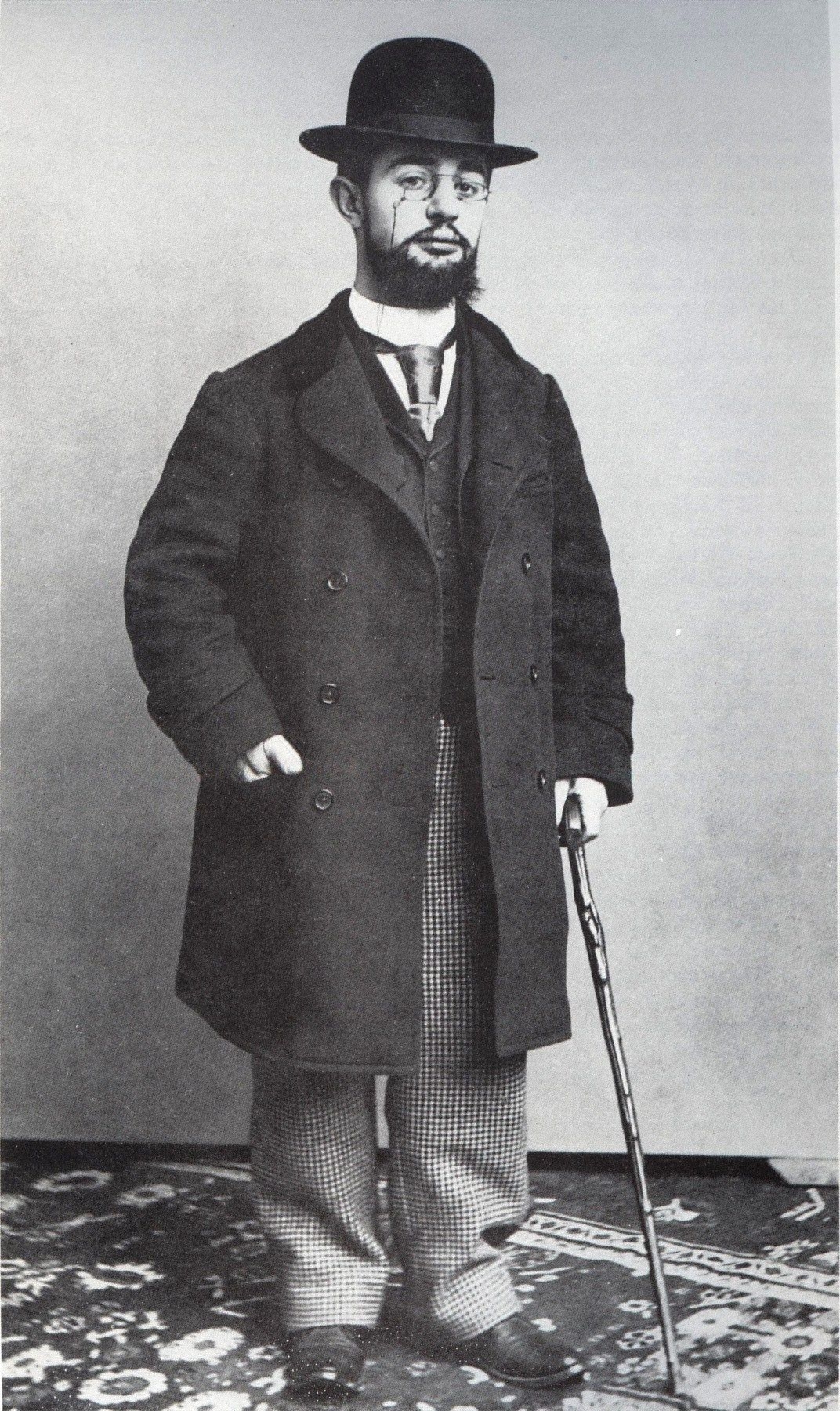
Autoriaus biografija
Henri de Toulouse-Lautrec: Paryžiaus Naktų Atspaudai
Henri Mariu Raymondą de Tolozė-Lotreką-Monfą, amžinai žinomą tiesiog kaip Tolozė-Lotreką, galima vadinti vienu įsimylėtiniausių XIX a. pab. veikėjų. Gimęs Albyje, pietų Prancūzijoje, 1864 m. lapkričio 24 d., jo gyvenimas buvo pažymėtas ir išskirtiniais privalumais, ir giliu fiziniu iššūkiu. Retas genetiinis sutrikimas, spėjama, kad tai buvo piknodizostozė – nors diskusijos vyksta iki šiol – sustabdė jo kojų augimą jau ankstyvame amžiuje, palikdamas jam neproporcingai mažą apatinę kūno dalį ir suaugusio vyro viršutinės. Šis fizinis skirtumas giliai paveikė jo perspektyvą, nukreipdamas jį ne į savęs gailėjimąsi, o į intensyvią ir empatišką Paryžiaus visuomenės paribyje gyvenančių figūrų stebėjimo ir supratimo. Jo aristokratiška padėtis suteikė jam galimybę įsitraukti į meno mokymus, tačiau būtent gyvybingas, kartais skandalinis Montmartro pasaulis iš tiesų uždegė jo kūrybinį džiaugsmą.Nuo Akademinių Mokslų iki Bohemiško Rapsodijos
Tolozė-Lotreko formaliosios meno kelionės pradėjo Paryžiuje, mokydamasis pas Léon Bonnat ir vėliau Fernand Cormon. Nors jis įvaldė Salon dailininko lūkesčius atitinkančias technines įgūdžijas, būtent jo panardinimas į Montmartro bohemiškojo širdies plaučiai negrįžtamai pakeitė jo kryptį. Jis atsisakė vyraujančio akademinio dėmesio istorinėms ar mitologinėms temoms, vietoj to nukreipdamas savo aštrų žvilgsnį į kasdienę dramą, kuri vyksta aplink jį: Moulin Rouge šokėjai, rue des Moulins prostitutės, cirkoko artistas ir kavinės dainininkai, kurie gyveno Paryžiaus naktiniu gyvenimu. Tai nebuvo tik stebėjimas; tai buvo gilumas į pasaulį, kurio dažnai vengė gera visuomenė. Jis ne tik piešė *apie* šiuos žmones, bet ir gyveno jų erdvėse, suprasdamas jų pažeidžiamumą ir šlobindamas jų atsigręžimą. Ankstyvieji jo darbai rodo aiškų akademijos pagrindą, tačiau greitai pereina į drąsesnį ir nekonvencionalesnį stilių, paveiktas japonų medžio raižinių – tuomet populiarių Europoje – su jų ryškiomis kompozicijomis ir plokščiais požiūriais.Linijų ir Spalvų Magistras: Stiliaus Apibrėžimas
Tolozė-Lotreko meniniai naujovės lengvai pastebimi jo išskirtiniame stilyje. Jis buvo linijų meistras, naudodamas ją ne tik apriboti formos, bet ir perteikti judesį, emocijas bei charakterį. Jo spalvų paletė, nors dažnai atspalvių, turėjo nepaprastą ryškumą, užfiksavusi Paryžiaus kabarečių dujų šviesos dirbtinį žėrjimą ir rūkymo atmosferą. Jis su ypatingu entuziazmu priėmė litografiją, suprasdamas jos potencialą masinei reprodukcijai ir meniniam išreiškimui. Tai leido jo vaizdams plačiai cirkuliuoti, dar labiau įtvirtindamas jo reputaciją kaip modernaus gyvenimo kronikininko. Jo plakatai, skelbiantys apie tokius atlikėjus kaip Jane Avril ir Yvette Guilbert, nebuvo tik reklaminės medžiagos; tai buvo patys meno kūriniai, lengvai atpažįstami dėl savo dinamiškų kompozicijų ir įspūdingų vaizdų. La Blanchisseuse, parduotas aukcione už 22,4 mln. JAV dolerių 2005 m., puikiai iliustruoja jo ankstyvąjį talentą, tačiau būtent Montmartro paveikslais iš tiesų apibrėžiamas jo palikimas. Jis nebuvo suinteresuotas idealizuoti savo subjektų; jis pateikė juos be kompromisų sąžiningumu, užfiksavęs jų trūkumus ir pažeidžiamumą kartu su grobiu ir dvasia.Palikimas ir Pastovi Poveikis
Tolozė-Lotreko gyvenimą tragiškai nutraukė 36 metų amžiuje rugsėjo 9 dieną, 1901 m., dėl daugelio metų kovos su alkoholizmu ir sifiliu. Nepaisant santykinai trumpo karjeros, jo įtaka meno pasauliui yra neįvertinama. Jis stovi kaip kertinis akmuo pereidamas nuo Impresionizmo prie modernaus meno, atverdamas kelią menininkams, kurie toliau tyrinės subjektyvią patirtį ir psichologinę gylį. Jis laikomas vienu iš pagrindinių Post-Impressionistų dailininkių šalia Cézanne'o, Van Gogho, Gauguino ir Seurato. Jo įtaka galima pastebėti visur – nuo ankstyvojo XX amžiaus iliustracijų iki šiuolaikinio grafinio dizaino. Jis ne tik piešė tai, ką matė; jis atskleidė paslėptą pasaulį, iššaukdamas įprastas grožio ir moralės koncepcijas. Jo darbai ir šiandien sužadina emocijas, primindami mums meno galią apšviesti žmogaus būklę visa jo sudėtingumu ir prieštaravimais.Tyrinėjant Tolozė-Lotreko Pasaulį
- Atraskite visapusišką jo darbų kolekciją adresu /en/artists/comte-henri-marie-raymond-de-toulouse-lautrec-monfa.
- Pasigilinkite į Post-Impressionizmo pasaulį ir jo pagrindinius menininkus adresu /en/art-movements/post-impressionism.
- Sužinokite daugiau apie jo gyvenimą ir meninę kelionę naudodamiesi tokiais ištekliais kaip Wikipedia: https://en.wikipedia.org/wiki/Henri_de_Toulouse-Lautrec

Tuluz Lotrekas
1864 - 1901 , Prancūzija
Trumpa informacija apie kūrėją
- Gimimo Data: 1864 m. lapkričio 24 d.
- Gimimo Vieta: Albis, Prancūzija
- Meninis Stilius: Post-Impressionizmas
- Mirties Data: 1901 m. rugsėjo 9 d.
- Pilnas Vardas: Komte Henri Mari Raymond de Tuluz Lotrek-Monfa
- Poveikį Darė: ['Léon Bonnat']
- Tautybė: Prancūzas
- Įtaką Padarė:
- Paul Cézanne
- Vincent van Gogh
- Žymiausi Kūriniai:
- La Blanchisseuse
- In the Wings at the Circus
- Moteris lovoje
Tyrinėkite meno kūrinius, suskirstytus pagal temas, stilius ir savybes.


