


 Peržiūrėti realaus dydžio版
 Siųsti
 Dalintis
 Išsamiau
 Vadovas

 Atsisiųsti
 Panašūs eksponatai
 Rentgeno spindulių nuotrauka
 Diaporama
 Statistika
Lyndra, Sunset, Aldbourne

Explore 'Lyndra, Sunset, Aldbourne' by Derwent Lees – a captivating Australian Post-Impressionist portrait. Discover its textured oil painting & evocative rural scene.
Discover Derwent Lees (1884-1931), Australian landscape painter & Slade School artist. Explore his Post-Impressionist style, Fauvist connections, and poignant story as the only Australian at the 1913 Armory Show. His career was tragically cut short b
 Rodyti daugiau
Giclée / Meno spausdinimas
Muziejų lygio „giclée“ arba drobos spausdinimas: greita gamyba ir lankstios apdailos parinktys. ( Pirkti rankomis tapytą reprodukciją Perejti prie skaitmeninių vaizdų)




































Standartinis
individualaus dydžio
CM
INCH
Pasirinkite iš mūsų nustatytų dydžių, atitinkančių originalaus meno kūrinio proporcijas.
Loading sizes...

plotis
aukštis
Galite nurodyti savo matmenis, kad vaizdas atitiktų konkretų rėmą ar erdvę. Jei pasirinktas dydis nesutaps su originalaus paveikslėlio proporcijomis, mes arba apkirpsime kūrinį, arba išplėsime vaizdą naudojant veideliu atspindėtą arba vientisą šoną. Skaitmeninis maketas bus išsiųstas jums patvirtinti prieš pradedant gamybą.
Atkreipkite dėmesį, kad ekrane matomas vaizdinys neatspindi tikrojo apkirpimo ar išplėtimo. Tik maketas tiksliai parodytų galutinę kompoziciją.
Nors galima rinktis ir individualius dydžius, rekomenduojame pasirinkti vieną iš išanksti nustatytų matmenų, kad būtų išlaikytos originalios proporcijos.
Pristatymas visame pasaulyje () per 2 weeks, o ne įprastas 4/5 savaičių laikotarpis. (26 rugsėjis)

Nemokamas greitasis pristatymas visame pasaulyje

Aukštos kokybės lininis drobė

Pilnas siuntimo draudimas

Muitinės mokesčių grąžinimo garantija

Tikro spalvų atitikimo garantija

100 dienų grąžinimo politika (tik esant įtaigoms)

100% pinigų grąžinimo garantija

Nuolaida dideliems užsakymams
 Stiklo variantas prieinamas tik pasirinkus dydį iki 110 cm

Lyndra, Sunset, Aldbourne
Giclée / Meno spausdinimas
Reprodukcijos dydis
-


Visų pasirinktų variantų kaina
$ 69
Susiję kūriniai


Autoriaus biografija
A Life Defined by Light and Shadow
The story of Derwent Lees is one of profound resilience and a relentless pursuit of beauty amidst personal tragedy. Born Desmond Lees in the rugged landscape of Hobart, Tasmania, his early years were marked by a pivotal moment of hardship that would forever alter his physical journey. At the age of nineteen, a riding accident resulted in the amputation of his left foot, yet this physical limitation could not tether his soaring artistic spirit. Instead, it seemed to sharpen his focus on the ephemeral qualities of the world around him. Driven by an unyielding ambition, Lees moved from Australia to London in 1905, seeking the rigorous academic training that would eventually allow him to translate his inner visions onto canvas.
Enrolling at the prestigious Slade School of Fine Art, Lees entered a vibrant intellectual ecosystem. It was here that he forged enduring bonds with fellow luminaries such as Augustus John and James Dickson Innes. Together, this creative quartet sought inspiration in the dramatic landscapes of Nant Ddu, Wales, where the interplay of mist, mountain, and light became a central theme in their collective explorations. These summer retreats were more than mere painting excursions; they were crucibles of intense creative energy, allowing Lees to refine a style that balanced the delicate observations of Impressionism with a burgeoning, more expressive intensity.
The Convergence of Impressionism and Fauvism
Lees’s technical evolution is a fascinating study in the blending of disparate movements. He was deeply enamored with the Impressionist masters, particularly Monet and Sisley, adopting their reverence for the fleeting moment and the atmospheric weight of light. His canvases often capture the tranquil beauty of a sunset or the shimmering surface of a lake, utilizing loose, textured brushstrokes to evoke a sense of movement and air. However, to categorize him solely as an Impressionist would be to overlook the striking emotional depth found in his more experimental works.
As his career progressed, a Fauvist influence began to permeate his palette. He moved beyond mere observation toward a more subjective expression, utilizing jarring colors and expressive distortions to convey psychological weight. This stylistic tension—between the serene light of his landscapes and the raw, emotive power of his color choices—mirrors the duality of his own life. His work often feels as though it is caught in a struggle between the external world's tranquility and an internal, unsettling turbulence, perhaps reflecting the mental illness that would later tragically curtail his prolific career.
A Visionary on the Global Stage
The historical significance of Derwent Lees extends far beyond the borders of Australia. In 1913, he achieved a monumental milestone by becoming the sole Australian artist to participate in the groundbreaking Armory Show in New York City. This exhibition, which introduced much of the American public to the radical avant-garde movements of Europe, placed Lees at the very center of the international artistic dialogue. His presence in such a pivotal moment solidified his reputation as a visionary painter capable of navigating the complexities of modernism.
Despite the tragic conclusion of his life in 1931, the legacy of Derwent Lees remains etched in the annals of art history. His ability to weave together the following elements makes his body of work uniquely enduring:
- Atmospheric Mastery: A profound ability to capture the ephemeral qualities of light and weather.
- Stylistic Synthesis: The seamless integration of Impressionistic softness with Fauvist intensity.
- Emotional Resonance: A rare capacity to imbue landscapes with a sense of human vulnerability and psychological depth.
- International Impact: His role as a bridge between the Australian landscape tradition and the global avant-garde.
Today, when we look upon his works, such as 'Evening' or 'Lyndra, Sunset, Aldbourne', we do not merely see landscapes; we witness a soul attempting to capture the infinite within the finite, leaving behind a luminous trail of color that continues to haunt and inspire.

Derwent Lees
1884 - 1931 , Australia
Trumpa informacija apie kūrėją
- Artistic Movement Or Style: Post-Impressionism
- Artists Or Movements Influenced By This Artist: ['Fauvism']
- Artists Who Influenced This Artist:
- Augustus John
- James Dickson Innes
- Date Of Birth: 1884
- Date Of Death: 1931
- Full Name: Derwent Lees
- Nationality: Australian
- Notable Artworks:
- Evening
- Lyndra, Sunset, Aldbourne
- Place Of Birth: Hobart, Australia
Susiję straipsniai

The Beauty of Impermanence: Capturing Decay through Impressionist Eyes
Explore the profound beauty of impermanence through Impressionist and Post-Impressionist eyes. Discover how masters like Monet and Van Gogh captured fleeting light and the poetic essence of nature's transitions in our deep dive into art history and emotional landscapes.

Capturing the Soul: The Most Emotionally Moving Impressionist and Post-Impressionist Masterpieces
Discover the profound emotional depth of Impressionist and Post-Impressionist masterpieces. Explore how legends like Monet, Van Gogh, and Gauguin captured light and soul through evocative landscapes and vibrant brushwork for a timeless connection to art history.
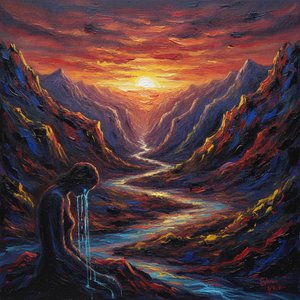
Capturing Emotion: A Journey Through the Soul of Expressionist Landscapes
Explore the profound emotional depth of Expressionist landscapes. Discover how Post-Impressionist masters moved beyond light to capture the soul through vibrant color and form. A curated journey for true art lovers seeking the beauty of expressive mastery.

Beyond the Light: Capturing Raw Emotion and Subjective Vision in Post-Impressionist Landscapes
Explore the profound emotional depth of Post-Impressionist landscapes. Discover how masters like Van Gogh moved beyond light to capture raw human feeling through vibrant color and expressive texture in this expert art history retrospective.
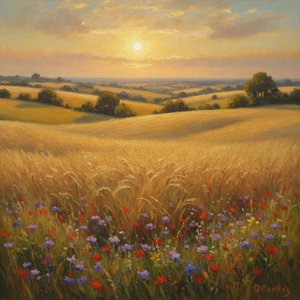
Golden Fields & Sun-Drenched Meadows: Capturing the Soul of Impressionist Landscapes
Immerse yourself in the luminous world of Impressionist landscapes. Discover how masters like Monet and Gauguin captured ephemeral light through plein air painting, and learn to bring the soul of sun-drenched meadows into your home with exquisite, hand-painted oil reproductions.