

 Peržiūrėti realaus dydžio版
 Pasidalinti
 Dalintis
 Išsamiau
 Vadovas

 Atsisiųsti
 Panašūs eksponatai
 Rentgeno spindulių nuotrauka
 Automatinė diorama
 问答
问答 Statistika
Permanent Press Landscape

- 244.0 x 173.0 cm


Douglas Coupland's 'Permanent Press Landscape' reimagines iconic Canadian landscapes through digital manipulation, questioning national identity and celebrating artistic innovation.
 Skaityti daugiau
Douglas Coupland: Kanados rom novelistis ir vaizdo meno kūrėjas, tyrinėjantis Gen X, skaitmeninę kultūrą ir šiuolaikinį gyvenimą. Žinomas dėl QR kodų meno, skulptūrų ir visame pasaulyje eksponuojamų įtuginančių kūrinių.
Šiame puslapyje rodomas meno kūrinys yra saugomas autorių teisių įstatymais, todėl neturime teisės legaliai kurti ar parduoti jo identiškos reprodukcijos. Ši apsauga užtikrinama remiantis tokiais tarptautiniais susitarimais kaip Bernės konvencija ir pagal nacionalines įstatymų nuostatas, įskaitant tas, kurias nurodo JAV autoriškos teisės įstatymas – 17-asis skyrius.
Šis metodas visiškai atitinka autorių teises, nes jame nėra saugomo kūrinio kopijavimo ar dubliavimo. Tai yra kūrybinė reinterpretacija – naujas paveikslas, kurį įkvėpė originalas, tačiau kuris nėra jo identiškas.
Giclée / Meno spausdinimas
Muziejų lygio „giclée“ arba drobos spausdinimas: greita gamyba ir lankstios apdailos parinktys. ( Pirkti rankų darbo tapybą Perejti prie skaitmeninių vaizdų)




P118B €10

P118H €10

P118W €10

P438Z €10

P508JH €12

P508YH €12

P805H €10

P805Z €10

P919BZ €10

P919G €10

P919XJ €10

P959ZH €10

P968JZ €12

W106C €8

W218G €10

W218JH €8

W218Y €10

W307PJ €10

W316G €10

W316PJ €8

W316Y €10

W398PJ €8

W4111J €10

W500HY €15

W500JH €15

W692G €12

W849H €8

W940BG €15

W953PJ €8




Standartinis dydis
pagal užsakymą
CM
INCH
Pasirinkite iš mūsų nustatytų dydžių, atitinkančių originalaus meno kūrinio proporcijas.
Loading sizes...

plotis
aukštis
Įveskite jums reikiamą plotį ir aukštį, kad atvaizdas derėtų prie jūsų rėmo ar sienos. Spausdiną galima tik sumažinti, bet nepadidinti virš originalaus paveikslėlio dydžio, todėl keičiant proporcijas, dalis vaizdo prarandama. Prieš spausdinimą atsiųsime jums skaitmeninį maketą patvirtinimui. Šioje puslapio nuotraukoje matomas pjūvis nėra tikslus – jį rodo tik maketas.
Pristatymas visame pasaulyje () per 2 weeks, o ne įprastas 4/5 savaičių laikotarpis. (8 lapkritis)

Nemokamas greitasis pristatymas visame pasaulyje

Aukštos kokybės lininis drobė

Pilnas siuntimo draudimas

Muitinės mokesčių grąžinimo garantija

Tikro spalvų atitikimo garantija

100 dienų grąžinimo politika (tik esant įtaigoms)

100% pinigų grąžinimo garantija

Nuolaida dideliems užsakymams
 Stiklo variantas prieinamas tik pasirinkus dydį iki 110 cm

Permanent Press Landscape
Giclée / Meno spausdinimas
Reprodukcijos matmenys
-


Bendroji kaina
€ 62
Douglas Coupland’s “Permanent Press Landscape”: A Fractured Canadian Identity
Douglas Coupland's "Permanent Press Landscape" isn’t merely a painting; it’s an excavation of memory, a meditation on the shifting landscape of Canada itself. Born from a digital archive of degraded images unearthed online – fragments of classic Canadian landscapes rendered in low resolution – this work transcends simple reproduction, becoming something far more complex and profoundly unsettling. Coupland doesn't aim to recreate beauty, but rather to expose its fragility, its vulnerability to the relentless churn of information and the distortions inherent in mediated experience.
The composition is deceptively simple: a rugged, rocky terrain dominated by a colossal white boulder. Yet, within this apparent stillness lies a potent tension. The rock itself appears fractured, pieced together from smaller elements – a deliberate visual metaphor for the constructed nature of national identity. Coupland’s masterful manipulation of color—a palette of muted blues, grays, and ochres—evokes a sense of melancholy and distance, as if viewing these scenes through a faded photograph or a pixelated screen. The inclusion of three faint stars adds an element of ethereal beauty, hinting at the enduring power of nature even within this fragmented representation.
Deconstructing the Canadian Myth
Coupland’s work directly engages with the historical narrative of Canada – its romanticized vision of wilderness and pioneering spirit. Traditionally, landscape painting has served as a cornerstone of national identity, celebrating vast expanses of unspoiled nature and portraying a heroic past. However, “Permanent Press Landscape” actively dismantles this idealized image. By utilizing low-resolution digital images, Coupland strips away the grandeur and romanticism, revealing the underlying imperfections and the potential for manipulation. The act of reducing these iconic landscapes to flat planes of color suggests a loss of depth, both literal and metaphorical – a flattening of experience in an increasingly digitized world.
This deliberate deconstruction isn’t intended as a critique of nature itself, but rather a questioning of *how* we perceive and represent it. Coupland forces us to confront the mediated reality through which we understand Canada, prompting reflection on the role of technology and image in shaping our collective memory.
The Language of Fragmentation
Coupland’s technique is characterized by its geometric precision and a deliberate sense of disruption. The reduction of the landscape to simple planes—a process reminiscent of early computer graphics – creates an almost unsettlingly sterile effect. This fragmentation mirrors the breakdown of traditional narratives and the increasing prevalence of fragmented information in contemporary culture. The use of acrylic paint on canvas further emphasizes this starkness, creating a surface that feels both solid and vulnerable.
Interestingly, Coupland’s process echoes the methods of early photography – the manipulation of prints, the layering of images – suggesting a dialogue with the history of visual representation itself. He's not simply copying; he's actively transforming, reinterpreting, and ultimately questioning the very act of seeing.
A Contemporary Iconography
"Permanent Press Landscape" speaks to a crucial moment in Canadian cultural identity: the collision between tradition and modernity, nature and technology. It’s a work that invites viewers to consider what it means to be “Canadian” in the 21st century – a question increasingly complex in an era defined by globalization, digital media, and shifting perceptions of place. The painting's quiet intensity and its subtle critique of established narratives make it a powerful and enduring statement about the complexities of national identity and the ever-evolving relationship between image and reality.
This artwork is available as a high-quality reproduction, offering a unique opportunity to bring this thought-provoking piece into your home or office. Its evocative imagery and subtle commentary will undoubtedly spark conversation and serve as a poignant reminder of Canada’s rich history and its uncertain future.
Klausimai ir atsakymai
Kaip galiu įsigyti „Permanent Press Landscape“ – Duglas Koplendas skaitmeninį vaizdą?
Skaitmeninį „Permanent Press Landscape“ – Duglas Koplendas vaizdą galima įsigyti šio kūrinio Skaitmeninis vaizdas puslapio skiltyje: aukštos raiškos skaitmeninio vaizdo atsisiuntimas.
Kas yra „Permanent Press Landscape“ kūrybos autorius?
„Permanent Press Landscape“ priskiriamas Duglas Koplendas.
Kur galiu įsigyti rankinio darbo „Permanent Press Landscape“ – Duglas Koplendas reprodukciją?
Rankumų „Permanent Press Landscape“ – Duglas Koplendas rankumų kopijos yra parduodamos ši ši internetinė svetainė svetainėje: rankomis dažyta aliejaus reprodukcija ant lininio drobos, užsakomos per jos Rankų darbo aliejinis reprodukcija puslapį.
Autoriaus biografija
Šiuolaicinės kultūros kartografas: Douglas Coupland gyvenimas ir kūryba
Douglas Couplandas į kultūros laivį įžengė ankstyvojo devintųjų metais ne tik kaip romانو rašytojas, bet ir kaip savo eras diagnostikas. Gimęs 1961 m. gruodžio 30 d. Kanados karinėje bazėje Baden-Söllingen, Vokietijoje, jis augo nuolatinio kelionių ritmu, kol galiausiai įsikūrė Vankuverio mieste, Kanadoje – šioje metropolėje, kuri lemdavo gilią jo meninę jautrią. Ši ankstyvoji patirtis jį suformavo kaip itin tikslų stebėtoją, pajautį subtilius pokyčius ir nerimą, tykintį šiuolaikinį gyvenimą. Nors pradžioje studijavo skulptūrą Emily Carr meno ir dizaino kolegijoje, Couplandas savo tikrąją paskirtį rado ne molduojant fizines formas, o įvardinant neįtangias šiuolaikinės egzistencijos tekstūras per žodžius, o vėliau – per įtraukiančią regėjimo meno ir skaitmeninių technologijų sintezę. Jis ne tik atspindėjo kultūrą; jis jai suteikė pavadinimus, suteikdamas balsą neįvardintoms jausmams, kuriais gyvena greitai akseleruojant tame pasaulyje.Nuo „Generation X“ iki vizualinio komentaro
Couplando proveržis įvyko 1991 m., išėmus 1Generation X: Tales for an Accelerated Culture. Šis romanas nebuvo tik literatūrinė sėkmė; jis tapo kultūriniu fenomenu, suformuodamas terminą, kuris akimirksniu atgremė milijonus žmonių, kovojančių dėl savo tapatybės ir paskirties postindustrialioje visuomenėje. Tokie terminai kaip „McJob“ į into įrašė žodyną, tapdami neįtikėtinumo ir išgriebėjimo simboliu vėlyvųjų XX amžiaus darbo aplinkose. Tačiau Couplando ambicijos siekė daug daugiau nei tik kartos pažymėjimas. Jis siekė tyrinėti psichologinį pasaulį, prisituptusią nuo medių, vartojimo kultūros ir technologinių pokyčių. Šis tyrimas nesibaigė literatūra. Jis sklandžiai perėjo į regėjimo meną, vedamas noro išreikšti savo idėjas per įvairias priemones. Jo kūrybinė praktika yra neįtikėtinai įvairiapusis – ji apima tapybą, skulptūrą, fotografiją ir dizainą – ir viską vienija viena tema: šiuolaikinio gyvenimo išnagrinėjimas. Sukūręs 1atsisakant 13 romanų, dvi eShortų rinkinius, septynis populiariųjų temų knygas ir daugybę scenarijų filmams bei televizijai, jis įrodė savo neįtikėtiną kūrybinę galybę.QR kodų kalba ir praradimo svoris
Couplando regėjimo menas pasižymi unikalia abstrakcijos, popkultūros referencijų ir technologinių inovacijų sinteze. Galbūt labiausiai žinomas dėl savo serijų, kuriose į tapybą įtraukiami QR kodai. Tai nėra tik dekoratyviniai elementai; tai portalai į paslėptus prasmės sluoksnius, kviečiantys žiūrėjus aktyviai bendrauti su kūryiniu darbu naudodami savo išmaniuosius telefonus. Šių kodų skenavimas atskleidžia glaustus komentarus, suteikdami dar vieną dimensiją vizualinei patirčiai – tai įrodymas Couplando susižavėjimo meno ir technologijų sankryžos tema. Be šios inovatyvios technikos, jo darbai dažnai gręžia į gilias praradimo ir mirties temas. Pavyzdžiui, Dead Grads Series yra jautrus atsidavimas tragiškai nutrauktam jaunystės keliui, kur kiekvienas paveikslas turi tokius pavadinimus kaip „Guns“, „Car Crash“ ar „Overdose“ – tai šiurpus priminimas apie gyvenimo trapumą ir neišvengiamą skausmo įtaką. Silver Boogeyman, stulbinantis kūrinys, kuris per išmanųjį telefoną parodo Osama bin Ladeno veidą, demonstruoja jo gebėjimą paskatinti mąstymą ir iššūkį kelti suvokimui, priverčiant žiūrovus susidurti su nemaloniomis tiesomis apie pasaulį po 9/11 įvykių.Skulptūriniai pareiškimai ir nacionalinė tapatybė
Couplando meninė vizija išsiplėčia už dvimensionalių plėstinių į skulptūros sferą. The Ice Storm, monumentalus plieno struktūra, stovi kaip galingas Kanados tapatybės ir pažeidžiamumo atspindys. Skulptūros forma sukviečia tiek stiprybę, tiek trapumą, atspindirčią šalies istorijos sudėtingumą ir ryšį su gamtos pasauliu. Jo mišmedžių koliažai, tokie kaip God, demonstruoja meistriškumą naudojant sluoksniavimo technikas ir grafinio dizaino įgūdžius, įtraukiant simbolinius elementus, tokius kaip „Lord Jim“ ir geometrinę raidę „D“, kurdamas vizualiai intriguojančias kompozicijas, kviečiančias į įvairias interpretacijas. Šie darbai nėra tik estetiniai objektai; tai intelektualūs galvosūkiai, reikalaujantys nuo žiūrovos aktyvaus dalyvavimo. Jo kūriniai buvo eksponuojami prestižinėse vietose, tokiose kaip Vankuverio meno galerija ir McMichael Kanados meno kolekcija, taip užtvirtindami jo vietą kaip svarbaus šiuolaikinio meno veikėjo.Observacijos ir inovacijų palikimas
Douglas Couplando indėlis tiek į literatūrą, tiek į regėjimo meną pelnino jam plačią pripažinimą, įskaitant paskyrimą Kanados ordino pareiginuoju ir narystę Britanijos Kolumbijos ordene. Jis išlieka gyva balsu Kanados mene ir literatūroje, žinomas dėl savo įžvalgių, inovatyvios meninės išraiškos ir gebėjimo spręsti sudėtingus socialinius bei kultūrinius klausimus. Jo kūryba toliau rezonuoja su auditorija visame pasaulyje, skatindama dialogą apie šiuolaikinę kultūrą, technologijas ir žmogaus būtį. Couplandas nėra tik menininkas; jis yra kultūros kartografas, tikslingai ir empatiškai žemėlapiuodantis nuolat besikeičiančią šiuolaikinio gyvenimo terėną. Jis paliko neištrinamas žymą mūsų suvokime apie save ir pasaulį aplink mus, užtikrindamas savo vietą kaip vieno svarbiausių Kanados šiuolaikinių menininkų.- Pagrindinės temos: Generation X, skaitmeninė kultūra, technologijos, praradimas, tapatybė, vartojimo kultūra, kanadiška tapatybė.
- Įt响iai: Pop artas, minimalizmas, konstruktyvizmas, Japonijos verslo mokslas, šiuolaikinė literatūra.

Duglas Koplendas
1961 - , Kanada
Trumpa informacija
- Artinis Stilius Ar Kryptis: Pop artas, skaitmeninė kultūra
- Gimimo Data: 1961 m. gruodžio 30 d.
- Gimimo Vieta: Vankūris, Kanada
- Tautybė: Kanados
- Visas Vardas Ir Pavardė: Douglas Coupland
- Žinomos Kūriniai:
- Dievas
- Ledų audra
- Thomson Nr. 5
- Sidabrinis baisiukas
Susiję straipsniai

George Agnew Reid: A Canadian Impressionist's Pursuit of Light, Colour, and National Identity
Explore the life & work of George Agnew Reid, a pivotal figure in Canadian Impressionism. Discover his genre paintings, mural commissions, and lasting influence on art education & national identity. A comprehensive guide for collectors & enthusiasts.

10 Romantinių Peizažų Simbolių: Tapybos Majestatės Viršūnės
Atraskite 10 legendinių romantinio peizažo kūrinių! Pasinerkite į Claude Lorrain, Caspar David Friedrich ir J.M.W. Turner genijaus pasaulį. Išmokite apie tapybos meistriškumą bei gamtos grožį. Aukščiausios kokybės meno reprodukcijos – TopImpressionists.com. Tyrinėkite kolekciją!
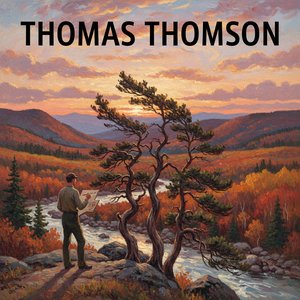
Thomas Thomson: Pioneering Canadian Landscape & the Pursuit of National Identity
Explore the evocative landscapes of Tom Thomson, a pivotal figure in Canadian art & precursor to the Group of Seven. Discover his bold style, lasting legacy, and profound impact on shaping a national artistic identity.

Digital Painting 101: A Collector's Guide to the New Era of Digital Mastery and Algorithmic Art
Master the new era of art with our expert guide to digital painting. Discover how modern aesthetics like Glitch Pop meet traditional mastery, offering sophisticated insights for collectors looking to curate meaningful, high-value contemporary works for their home.

From Lens to Canvas: The Evolution of Photography and the Artistry of the Digital Renaissance
Explore the profound evolution of photography from the camera obscura to the digital renaissance. Discover how light-sensitive chemistry paved the way for modern digital artistry and the enduring connection between lens and canvas in fine art.