

 Peržiūrėti realaus dydžio版
 Pasidalinti
 Dalintis
 Išsamiau
 Vadovas

 Atsisiųsti
 Panašūs eksponatai
 Rentgeno spindulių nuotrauka
 Automatinė diorama
 问答
问答 Statistika
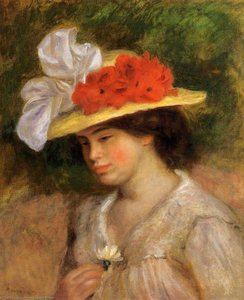
Berthe Morisot


This photograph showcases Édouard Manet’s etching depicting Berthe Morisot. The composition centers on Morisot’s portrait adorned with an elaborate hat featuring feathers and ribbons—a hallmark of Impressionistic style characterized by loose lines and subtle detail. Manet's meticulous technique aims to convey a moment in time, reflecting the spirit of Parisian life during his era.
 Skaityti daugiau
Pažinkite Édouard Manetą (1832–1883), reikšmingą figūrą tarp realizmo ir impresionizmo! Apžiūrėkite ikoninius kūrinius 'Pusryčiai ant žolės' ir 'Olimpija', bei jo palikimą moderniajame mene.
Giclée / Meno spausdinimas
Muziejų lygio „giclée“ arba drobos spausdinimas: greita gamyba ir lankstios apdailos parinktys. ( Pirkti rankų darbo tapybą Perejti prie skaitmeninių vaizdų)




P118B €10

P118H €10

P118W €10

P438Z €10

P508JH €12

P508YH €12

P805H €10

P805Z €10

P919BZ €10

P919G €10

P919XJ €10

P959ZH €10

P968JZ €12

W106C €8

W218G €10

W218JH €8

W218Y €10

W307PJ €10

W316G €10

W316PJ €8

W316Y €10

W398PJ €8

W4111J €10

W500HY €15

W500JH €15

W692G €12

W849H €8

W940BG €15

W953PJ €8




Standartinis dydis
pagal užsakymą
CM
INCH
Pasirinkite iš mūsų nustatytų dydžių, atitinkančių originalaus meno kūrinio proporcijas.
Loading sizes...

plotis
aukštis
Įveskite jums reikiamą plotį ir aukštį, kad atvaizdas derėtų prie jūsų rėmo ar sienos. Spausdiną galima tik sumažinti, bet nepadidinti virš originalaus paveikslėlio dydžio, todėl keičiant proporcijas, dalis vaizdo prarandama. Prieš spausdinimą atsiųsime jums skaitmeninį maketą patvirtinimui. Šioje puslapio nuotraukoje matomas pjūvis nėra tikslus – jį rodo tik maketas.
Pristatymas visame pasaulyje () per 2 weeks, o ne įprastas 4/5 savaičių laikotarpis. (6 lapkritis)

Nemokamas greitasis pristatymas visame pasaulyje

Aukštos kokybės lininis drobė

Pilnas siuntimo draudimas

Muitinės mokesčių grąžinimo garantija

Tikro spalvų atitikimo garantija

100 dienų grąžinimo politika (tik esant įtaigoms)

100% pinigų grąžinimo garantija

Nuolaida dideliems užsakymams
 Stiklo variantas prieinamas tik pasirinkus dydį iki 110 cm

Berthe Morisot
Giclée / Meno spausdinimas
Reprodukcijos matmenys
-


Bendroji kaina
€ 62
A Glimpse Through the Etching
The world settles into a quiet, grainy stillness as we look upon this portrait of Berthe Morisot. She sits within an interior space, her presence anchored by a gaze that drifts outward, meeting the viewer with a sense of contemplative calm. There is a certain weight to her expression, a thoughtful pause in the middle of a busy afternoon. Around her, the edges of the room begin to dissolve; figures linger in the background, their forms blurred and indistinct, as if they are mere echoes of a passing moment. The light does not strike the scene with harsh clarity but instead filters through a soft, diffused haze, settling upon the textures of her clothing and the elaborate architecture of her hat.
The hat itself commands attention, heavy with the delicate textures of feathers and ribbons. It rests upon her head like a crown of social grace, yet its very complexity hints at the layers of identity she carries. Beneath the brim, strands of hair escape in loose, energetic lines, adding a sense of movement to an otherwise stationary pose. The atmosphere feels thick with the quietude of the Belle Époque, a moment caught before the next breath or movement breaks the spell.
The Language of Line and Shadow
Every mark on this surface tells a story of deliberate spontaneity. Using the etching technique, the artist employs rapid, sketchy strokes that prioritize feeling over photographic precision. There is no attempt to smooth away the process; instead, the visible, biting lines of the etching create a sense of depth through tonal variation alone. The shadows are not solid blocks but are built from layers of fine, intersecting marks that suggest form and volume. This approach rejects the polished, seamless finish of academic tradition in favor of something much more immediate and raw.
The palette remains muted, leaning into the monochromatic depths of black and white to emphasize light and shadow. This lack of color forces the eye to wander through the textures—the grain of the paper, the sharpness of a silhouette, and the soft, feathered edges of the subject's attire. It is an impressionistic way of seeing, where the artist captures the ephemeral quality of light rather than the rigid boundaries of objects. The composition feels flattened, pulling the viewer closer to the subject, making the encounter feel personal and direct.
A Portrait of Identity
Beyond the technical execution, there is a deeper resonance within this depiction of Morisot. The elaborate adornments of her hat speak to the social status and feminine expectations of her era, yet her intense, inward-looking gaze suggests a mind far removed from mere decoration. There is a quiet tension here between the outward symbols of her station and the private, intellectual world reflected in her eyes. She exists as both a subject of beauty and a person of profound thought.
The way the lines delineate her face and hair creates an impression of life that is fleeting and fragile. It reminds us that this is a study of a living soul, captured during a period of great artistic rebellion when painters were beginning to break free from established rules to find new ways of portraying modern existence. The emotional impact lies in this very intimacy—the feeling that we are witnessing a private moment of introspection, preserved forever in the delicate, etched grooves of the plate.
Klausimai ir atsakymai
Kokiam stiliui priklauso „Berthe Morisot“?
„Berthe Morisot“ yra Impressionism stiliaus kūrinys. Šis dailos kryptis nurodo meninę tradiciją, kurios šis darbas yra dalis.
Ar „Berthe Morisot“ – Eduaras Manė yra ryškus ar tamsus kūrinys?
Perceptinis „Berthe Morisot“ – Eduaras Manė ryškumas yra brilliant. Jį galima suderinti su intended erdvės apšvietimu.
Ar „Berthe Morisot“ bendroje apimatyje yra labiau šviesus ar tamsus kūrinys?
„Berthe Morisot“ – Eduaras Manė užfiksuotas kaip brilliant, pasižymintis Luminous šviesos intensyvumu.
panašūs kūriniai


Autoriaus biografija
Paryžiaus Maištininkas: Édouard Manet ir Jo Amžininkų Dailė
Édouard Manetas, gimęs 1832 metais Paryžiuje turtingoje ir tvirtoje šeimoje, nuo pat pradžių atrodė netinkamas revoliucinio meno gyvenimui. Jo tėvas, gerbiamas teisėjas, vylėsi saugumo sūnaus ateities teisininko arba galbūt jūroje – garbūs profesijos, derantys su jų visuomeniniu statusu. Tačiau net ir jaunystėje Maneto širdis priklausė menui. Būdamas vienuolikos metų jis pradėjo formalizuotus piešimo pamokslų kursus, nors trumpam buvo apmokytas akademinis dailininkas Thomas Couture, jis greitai pajuto, kad Couture’s griežtos metodikos yra ribojančios. Šis ankstyvas pasipriešinimas pranašavo visą gyvenimą, skiriamą meninių konvencijų iššūkio metimui. Manetas ne norėjo tiesiogiai atkartoti praeitį; jis siekė užfiksuoti šiuolaikinio Paryžiaus gyvybingumą – ir kartais neramus realumus. Jis lankydavosi Luvre, ne tik kopijuodamas Senos meistrus, bet ir analizuodamas jų technikas, mokydamasis iš tokių dailininkų kaip Caravaggio ir Velázquez, kaip šviesa ir šešėlis gali skulptūruoti formas ir sužadinti emocijas. Tačiau meno srautų poslinkis, ypač Gustave Courbet‘o remiamas Realizmas, tikrai įžiebė Maneto kūrybinę kelią. Courbet‘o užsispyrimas vaizduoti kasdienį gyvenimą be idealizavimo giliai atrezonavo su Manetu, išlaisvindamas jį nuo istorinių ar mitologinių temų apribojimų.Tradicijų Sulaužymas: Skandalai ir Inovacijos
1860-ųjų dešimtmetis Paryžiuje buvo kupinas intensyvaus meno fermento, o Manetas atsidūrė jo epicentre. Japonų gravirų – *ukiyo-e* – atėjimas giliai paveikė jo estetinę suvokimą. Jis buvo sužavėtas jų plokščių perspektyvų, ryžių kompozicijų ir striking spalvų naudojimo, elementais, kurie taps jo stiliaus bruksniais. Šis įtaka, kartu su augančiu akademiniu poliruojimu atmetimu, sukėlė darbus, kurie šokiravo ir skandalizavo Paryžiaus meno pasaulį. Le Déjeuner sur l'herbe (Pietūs ant žolės), parodytas Salon des Refusés parodoje 1863 metais – paroda darbams, atsisakytoms oficialiojo Salono – tapo kontroversijų epicentru. Paveikslas, kuriame pavaizduota nuoga moteris paprastai piknikuojanti su dviem visiškai apsirengusiais vyrais, nebuvo tik apie nuotykį; tai buvo apie tai, *kaip* šis nuotykis buvo pateiktas. Maneto figūros neturėjo tradicinių nuotykių idealizuotų formų ir mitologinio konteksto. Jie buvo neabejotinai modernūs, priešpriešinant žiūrovą nerimą keliančiu tiesiogumu. Skandalas aplink Le Déjeuner tik sustiprėjo su jo 1865 metų šedevru, Olympia. Šis paveikslas, sąmoningai perkurpintas Titiano *Urbino Veneros*, pateikė šiuolaikinę prostitutę, drąsiai žiūrinčią į žiūrovą. Neatpažįstama realizacija ir provokuojanti tema buvo sutiktos su plačiu pasmerkimo. Kritikų apkaltintas grubumu ir meniniu netobulumu, tačiau neapykantos požiūriu slypėjo pripažinimas, kad jis fundamentaliai keičia tapybos kalbą.Tiltas į Impresionizmą: Šviesa, Teptukai ir Šiuolaikinis Gyvenimas
Nors Manetas niekada visiškai neprisiėmė “Impresionisto” etiketės, jo įtaka judėjui buvo nepaneigiama. Jis dalijosi jų atmetimu akademinių konvencijų ir pasiryžimu užfiksuoti praeinančių šviesos ir atmosferos efektus. Jis parodė darbą su Monetu, Renoir, Degas ir kitais Nepriklausomų impresionistų parodose, įtvirtindamas savo poziciją avangardo veikėjui. Maneto technika vystėsi link laisvesnio teptukų braižymo, prioritetą skyrus formos įspūdžiui, o ne tikslioms detalėms. Jis eksperimentavo su spalvomis, dažnai naudodamas ryškias kontrasto efektus, kad sukurtų dramatiškus efektus. Be skandalinių nuotykių, Manetas tyrė platų temų spektrą: portretus – įskaitant striking vaizdus savo žmonos Suzanne ir kolegos dailininko Émile Zola; Paryžiaus naktinio gyvenimo scenas, tokias kaip A Bar at the Folies-Bergère, kuri meistriškai užfiksuoja modernaus miesto gyvenimo atskyrimą ir spektaklį; ir intymius buitinius vaizdus. Jis ne tik dokumentavo šias temas; jis jas nagrinėjo, klausdamosis visuomenės normų ir iššūkio konvencinėms grožio sąvokoms.Palikimas ir Nuolatinis Poveikis
Édouard Maneto ankstyva mirtis 1883 metais nuo sifilio nutraukė karjerą, kuri jau negrįžtamai pakeitė meno istorijos eigą. Nors jo reputacija po mirties žymiai padidėjo, jo įtaka buvo pajusta jaunesnių dailininkų, kurie jame atpažino išvaduotoją. Jis sudraskė sienas, iššūkio konvencinėms temoms, technikoms ir meniniam tikslui.- Jo pabrėžimas šiuolaikinį gyvenimą paveikė Impresionizmą ir Post-Impressionizmą.
- Jo naujoji teptukų braižymo ir spalvų naudojimo technika įkvėpė daugybės dailininkų kartas.
- Jo pasiryžimas susidurti su nepatogiomis tiesomis apie visuomenę privertė žiūrovus abejoti savo pačių prielaidomis.

Eduaras Manė
1832 - 1883 , Prancūzija
Trumpa informacija
- Artistic Movement Or Style: Realizmas, Impresionizmas
- Artists Or Movements Influenced By This Artist:
- Claude Monet
- Pierre-Auguste Renoir
- Edgar Degas
- Impresionizmas
- Artists Who Influenced This Artist:
- Caravaggio
- Diego Velázquez
- Gustave Courbet
- Date Of Birth: Sausio 23, 1832
- Date Of Death: 1883 m. balandžio 30 d.
- Full Name: Édouard Manet
- Nationality: Prancūzas
- Notable Artworks:
- Le Déjeuner sur l'herbe
- Olympia
- A Bar at the Folies-Bergère
- Place Of Birth: Paryžius, Prancūzija
Susiję straipsniai

10 Iconic Etchings That Revolutionized the World of Art
Journey through history with 10 legendary etchings that redefined art. From Rembrandt to Goya, explore the stories behind these timeless masterpieces and find museum-quality reproductions for your decor. Discover all masterpieces on TopImpressionists.com.

10 Masterpieces Defined by the Magic of Cobalt Violet
Immerse yourself in the enchanting allure of cobalt violet. Explore 10 iconic masterpieces, from Impressionist classics to modern marvels, and learn the stories behind their vibrant hues. Find museum-quality art reproductions for your decor. Discover all masterpieces on TopImpressionists.com.
Tyrinėkite meno kūrinius, suskirstytus pagal temas, stilius ir savybes.


