

 Peržiūrėti realaus dydžio版
 Siųsti
 Dalintis
 Išsamiau
 Gidas
Gidas

 Atsisiųsti
 Panašūs eksponatai
 Rentgeno spindulių nuotrauka
 Diaporama
 Statistika
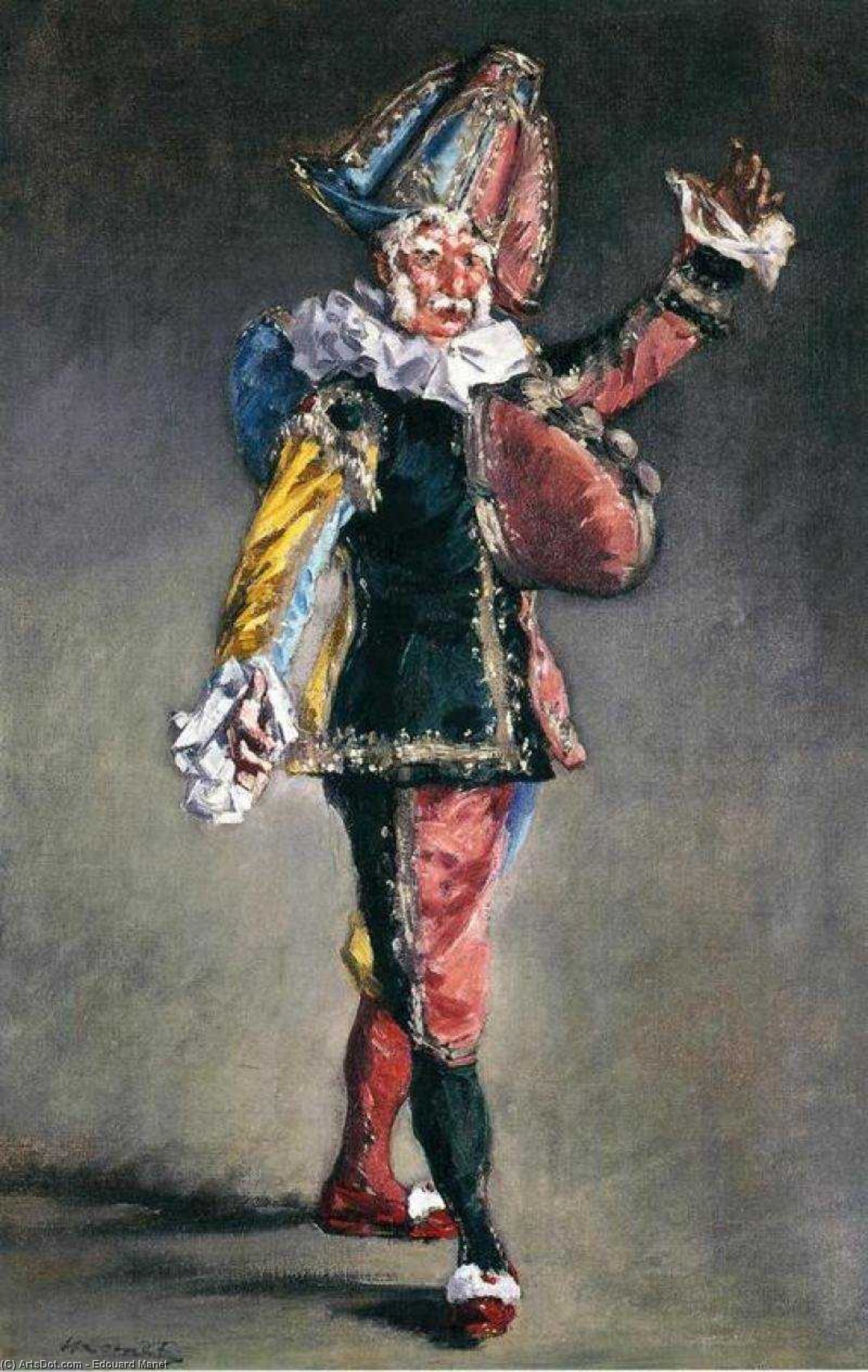
Polichinelle
 Akrilas ant drobės
- Sieninis menas
- Realizmas
 1873
1873 50.0 x 34.0 cm
Atsisakykite nuo akademinio meno stilistiko ir įtraukite į savo kūrinį gyvenimo tikrąją išraišką – taip įvyko „Le Déjeuner sur l'herbe“, „Olympia“ bei Manė šiuolaikinės dailės paveldas.
 Rodyti daugiau
Pažinkite Édouard Manetą (1832–1883), reikšmingą figūrą tarp realizmo ir impresionizmo! Apžiūrėkite ikoninius kūrinius 'Pusryčiai ant žolės' ir 'Olimpija', bei jo palikimą moderniajame mene.
Rankų darbo aliejinės reprodukcijos
Rankiniu būdu tapytas aliejus ant droblio jūsų pageidaujamame dydį ir rėmuose – mūsų menininkų darbas pagal užsakymą. ( Perjungti į spausdinimą Perejti prie skaitmeninių vaizdų)




P118B $10

P118H $10

P118W $10

P438Z $10

P508JH $12

P508YH $12

P805H $10

P805Z $10

P919BZ $10

P919G $10

P919XJ $10

P959ZH $10

P968JZ $12

W106C $8

W218G $10

W218JH $8

W218Y $10

W307PJ $10

W316G $10

W316PJ $8

W316Y $10

W398PJ $8

W4111J $10

W500HY $15

W500JH $15

W692G $12

W849H $8

W940BG $15

W953PJ $8




Standartinis
individualaus dydžio
CM
INCH
Pasirinkite iš mūsų nustatytų dydžių, atitinkančių originalaus meno kūrinio proporcijas.
Loading sizes...

plotis
aukštis
Galite įvesti savo matmenis, kad jie atitiktų konkretų rėmą ar erdvę. Jei pasirinktas dydis neatitinka originalaus paveikslėlio proporcijų, mes arba apkropsime meno kūrinį, arba papildysime tapybą rankomis dažytい elementais. Prieš pradėdami gamybą, jūsų patvirtinimui atsiųsime skaitmeninį maketą.
Atkreipkite dėmesį, kad ekrane rodomas vaizdas neatspindi tikrojo apkarpymo ar papildymo. Tik maketas tiksliai parodys galutinę kompoziciją.
Nors galima rinktis ir individualius dydžius, rekomenduojame pasirinkti matmenis iš nustatytos sąrašo, kad būtų išlaikytos originalios proporcijos.
Ką galima pakeisti (pavyzdžiai): Pakeisti veidą į kliento nuotrauką; Pridėti augintinį (pvz., pakeisti katę šunimi); Įtraukti paslėptą žinutę fone; Pakeisti fono kraštovaizdį ar elementus.
Gavus užsakymą, TopImpressionists.com komanda susisieks su klientu el. paštu dėl instrukcijų ir pateiks maketo pavyzdį
Gavus užsakymą, TopImpressionists.com komanda susisieks su klientu el. paštu dėl instrukcijų ir pateiks maketo pavyzdį
Pristatymas visame pasaulyje () per 3–4 savaites, o ne įprastai – per 5 savaites. (23 rugsėjis). Kokybė lieka nepakeičiama.

Nemokamas greitasis pristatymas visame pasaulyje

Aukštos kokybės lininis drobė

Pilnas siuntimo draudimas

Muitinės mokesčių grąžinimo garantija

Tikro spalvų atitikimo garantija

100 dienų grąžinimo politika (tik esant įtaigoms)

100% pinigų grąžinimo garantija

Nuolaida dideliems užsakymams
 Stiklo variantas prieinamas tik pasirinkus dydį iki 110 cm

Polichinelle
Reprodukcijos technika
Reprodukcijos dydis
-


Visų pasirinktų variantų kaina
$ 269
Polichinelle: A Portrait of Performance and Paradox
Édouard Manet’s “Polichinelle,” completed in 1873, stands as a cornerstone of Impressionism while simultaneously embodying the spirit of Realism. More than just a depiction of a performer—a clown or jester—the painting delves into themes of identity, social commentary, and the elusive nature of artistic representation itself. Measuring 50 x 34 cm, this oil on canvas exemplifies Manet’s meticulous attention to detail and his masterful manipulation of light and color.
Composition and Technique: Capturing Fleeting Moments
The scene unfolds against a dark backdrop that serves to heighten the vibrancy of the central figure—a man dressed in flamboyant attire. His outstretched arms hold aloft a ball and a hat, gestures characteristic of theatrical performance yet imbued with an unsettling stillness. Manet’s brushstrokes are loose and expressive, prioritizing capturing the immediacy of observation over precise imitation. He employs a technique reminiscent of Velázquez, utilizing subtle gradations of color to create depth and texture—particularly noticeable in the folds of the costume and the man's face.
Historical Context: Challenging Academic Conventions
Painted during a period of significant artistic upheaval, “Polichinelle” reflects Manet’s rejection of the rigid formalism championed by the Académie des Beaux-Arts. Influenced by artists like Hals and Caravaggio, he sought to portray subjects with honesty and psychological insight—a deliberate departure from the idealized depictions favored by his contemporaries. The painting's subject matter – a performer – resonated deeply with Manet’s fascination for capturing the everyday realities of Parisian life.
Symbolism: Isolation and Performance
Beyond its visual beauty, “Polichinelle” carries symbolic weight. The man’s solitary pose suggests an alienation from society—a feeling prevalent in Impressionist circles grappling with anxieties about modernity. Simultaneously, his theatrical gestures convey a sense of performance, highlighting the constructed nature of identity and challenging viewers to consider how appearances conceal deeper truths. The dark background amplifies this effect, emphasizing the figure's presence as if illuminated by an inner radiance.
Legacy: An Icon of Impressionist Art
"Polichinelle" resides in the Staatliche Museen zu Berlin, a testament to its enduring artistic significance. Its influence extends far beyond the confines of the 19th century, inspiring artists across generations who strive to capture fleeting moments and explore complex psychological landscapes. Reproductions of this masterpiece offer an opportunity to appreciate Manet’s genius and immerse oneself in the captivating atmosphere of Impressionist art.
Susiję kūriniai


Autoriaus biografija
Paryžiaus Maištininkas: Édouard Manet ir Jo Amžininkų Dailė
Édouard Manetas, gimęs 1832 metais Paryžiuje turtingoje ir tvirtoje šeimoje, nuo pat pradžių atrodė netinkamas revoliucinio meno gyvenimui. Jo tėvas, gerbiamas teisėjas, vylėsi saugumo sūnaus ateities teisininko arba galbūt jūroje – garbūs profesijos, derantys su jų visuomeniniu statusu. Tačiau net ir jaunystėje Maneto širdis priklausė menui. Būdamas vienuolikos metų jis pradėjo formalizuotus piešimo pamokslų kursus, nors trumpam buvo apmokytas akademinis dailininkas Thomas Couture, jis greitai pajuto, kad Couture’s griežtos metodikos yra ribojančios. Šis ankstyvas pasipriešinimas pranašavo visą gyvenimą, skiriamą meninių konvencijų iššūkio metimui. Manetas ne norėjo tiesiogiai atkartoti praeitį; jis siekė užfiksuoti šiuolaikinio Paryžiaus gyvybingumą – ir kartais neramus realumus. Jis lankydavosi Luvre, ne tik kopijuodamas Senos meistrus, bet ir analizuodamas jų technikas, mokydamasis iš tokių dailininkų kaip Caravaggio ir Velázquez, kaip šviesa ir šešėlis gali skulptūruoti formas ir sužadinti emocijas. Tačiau meno srautų poslinkis, ypač Gustave Courbet‘o remiamas Realizmas, tikrai įžiebė Maneto kūrybinę kelią. Courbet‘o užsispyrimas vaizduoti kasdienį gyvenimą be idealizavimo giliai atrezonavo su Manetu, išlaisvindamas jį nuo istorinių ar mitologinių temų apribojimų.Tradicijų Sulaužymas: Skandalai ir Inovacijos
1860-ųjų dešimtmetis Paryžiuje buvo kupinas intensyvaus meno fermento, o Manetas atsidūrė jo epicentre. Japonų gravirų – *ukiyo-e* – atėjimas giliai paveikė jo estetinę suvokimą. Jis buvo sužavėtas jų plokščių perspektyvų, ryžių kompozicijų ir striking spalvų naudojimo, elementais, kurie taps jo stiliaus bruksniais. Šis įtaka, kartu su augančiu akademiniu poliruojimu atmetimu, sukėlė darbus, kurie šokiravo ir skandalizavo Paryžiaus meno pasaulį. Le Déjeuner sur l'herbe (Pietūs ant žolės), parodytas Salon des Refusés parodoje 1863 metais – paroda darbams, atsisakytoms oficialiojo Salono – tapo kontroversijų epicentru. Paveikslas, kuriame pavaizduota nuoga moteris paprastai piknikuojanti su dviem visiškai apsirengusiais vyrais, nebuvo tik apie nuotykį; tai buvo apie tai, *kaip* šis nuotykis buvo pateiktas. Maneto figūros neturėjo tradicinių nuotykių idealizuotų formų ir mitologinio konteksto. Jie buvo neabejotinai modernūs, priešpriešinant žiūrovą nerimą keliančiu tiesiogumu. Skandalas aplink Le Déjeuner tik sustiprėjo su jo 1865 metų šedevru, Olympia. Šis paveikslas, sąmoningai perkurpintas Titiano *Urbino Veneros*, pateikė šiuolaikinę prostitutę, drąsiai žiūrinčią į žiūrovą. Neatpažįstama realizacija ir provokuojanti tema buvo sutiktos su plačiu pasmerkimo. Kritikų apkaltintas grubumu ir meniniu netobulumu, tačiau neapykantos požiūriu slypėjo pripažinimas, kad jis fundamentaliai keičia tapybos kalbą.Tiltas į Impresionizmą: Šviesa, Teptukai ir Šiuolaikinis Gyvenimas
Nors Manetas niekada visiškai neprisiėmė “Impresionisto” etiketės, jo įtaka judėjui buvo nepaneigiama. Jis dalijosi jų atmetimu akademinių konvencijų ir pasiryžimu užfiksuoti praeinančių šviesos ir atmosferos efektus. Jis parodė darbą su Monetu, Renoir, Degas ir kitais Nepriklausomų impresionistų parodose, įtvirtindamas savo poziciją avangardo veikėjui. Maneto technika vystėsi link laisvesnio teptukų braižymo, prioritetą skyrus formos įspūdžiui, o ne tikslioms detalėms. Jis eksperimentavo su spalvomis, dažnai naudodamas ryškias kontrasto efektus, kad sukurtų dramatiškus efektus. Be skandalinių nuotykių, Manetas tyrė platų temų spektrą: portretus – įskaitant striking vaizdus savo žmonos Suzanne ir kolegos dailininko Émile Zola; Paryžiaus naktinio gyvenimo scenas, tokias kaip A Bar at the Folies-Bergère, kuri meistriškai užfiksuoja modernaus miesto gyvenimo atskyrimą ir spektaklį; ir intymius buitinius vaizdus. Jis ne tik dokumentavo šias temas; jis jas nagrinėjo, klausdamosis visuomenės normų ir iššūkio konvencinėms grožio sąvokoms.Palikimas ir Nuolatinis Poveikis
Édouard Maneto ankstyva mirtis 1883 metais nuo sifilio nutraukė karjerą, kuri jau negrįžtamai pakeitė meno istorijos eigą. Nors jo reputacija po mirties žymiai padidėjo, jo įtaka buvo pajusta jaunesnių dailininkų, kurie jame atpažino išvaduotoją. Jis sudraskė sienas, iššūkio konvencinėms temoms, technikoms ir meniniam tikslui.- Jo pabrėžimas šiuolaikinį gyvenimą paveikė Impresionizmą ir Post-Impressionizmą.
- Jo naujoji teptukų braižymo ir spalvų naudojimo technika įkvėpė daugybės dailininkų kartas.
- Jo pasiryžimas susidurti su nepatogiomis tiesomis apie visuomenę privertė žiūrovus abejoti savo pačių prielaidomis.

Eduaras Manė
1832 - 1883 , Prancūzija
Trumpa informacija apie kūrėją
- Artistic Movement Or Style: Realizmas, Impresionizmas
- Artists Or Movements Influenced By This Artist:
- Claude Monet
- Pierre-Auguste Renoir
- Edgar Degas
- Impresionizmas
- Artists Who Influenced This Artist:
- Caravaggio
- Diego Velázquez
- Gustave Courbet
- Date Of Birth: Sausio 23, 1832
- Date Of Death: 1883 m. balandžio 30 d.
- Full Name: Édouard Manet
- Nationality: Prancūzas
- Notable Artworks:
- Le Déjeuner sur l'herbe
- Olympia
- A Bar at the Folies-Bergère
- Place Of Birth: Paryžius, Prancūzija
Susiję straipsniai

Impressionism's Masterpieces: 10 Paintings That Defined a Movement | TopImpressionists
Journey through Impressionism's heart with 10 iconic paintings by Monet, Renoir & Degas. Explore light, color & the stories behind these masterpieces. Find museum-quality art reproductions and elevate your home decor on TopImpressionists.com.

Impressionizmo Deimantai: 10 Šedevrų, Apibrėžusių Revoliucinį Meną
Atraskite 10 impresionizmo šedevrų, kurie pakeitė meno pasaulį! Monet, Renoir ir kiti meistrai – jų kūriniai, istorijos bei spalvų magija. Puikios dailės reprodukcijos jūsų namams. Išskirtinis dizainas TopImpressionists.com!

Édouard Manet: 25 Šedevrai, Pakeitę Meną | TopImpressionists.com
Atraskite 25 įspūdingiausius Édouard Manet šedevrus! Sužinokite apie impresionizmą, realizmą ir prancūzų meno istoriją. Meno reprodukcijos aukščiausia kokybe interjero dekorui – TopImpressionists.com

Impressionistic Realism's Finest: 10 Masterpieces for Your Home | TopImpressionists
Journey through Impressionistic Realism with 10 iconic masterpieces by Monet, Renoir & Van Gogh. Explore art history, techniques & find museum-quality reproductions for your home at TopImpressionists.com. Discover all masterpieces online!

Édouard Manet: Pioneering Modernism & Challenging Artistic Conventions
Explore the life & art of Édouard Manet, a pivotal figure bridging Realism and Impressionism. Discover his revolutionary techniques, controversial masterpieces like 'Olympia,' and lasting impact on modern art history.
Tyrinėkite meno kūrinius, suskirstytus pagal temas, stilius ir savybes.


