

 Peržiūrėti realaus dydžio版
 Siųsti
 Dalintis
 Išsamiau
 Vadovas

 Atsisiųsti
 Panašūs eksponatai
 Rentgeno spindulių nuotrauka
 Diaporama
 Statistika
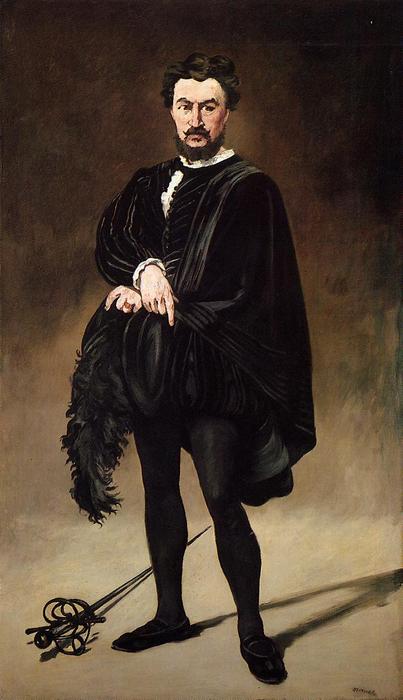
The Tragic Actor


Edouard Manet's 'The Tragic Actor' (1865) captures a theatrical performance with bold brushstrokes and dramatic lighting, reflecting the artist’s fascination with modern life & art.
 Rodyti daugiau
Pažinkite Édouard Manetą (1832–1883), reikšmingą figūrą tarp realizmo ir impresionizmo! Apžiūrėkite ikoninius kūrinius 'Pusryčiai ant žolės' ir 'Olimpija', bei jo palikimą moderniajame mene.
Įsigykite aukštos skiriamosios raiškos, patobulintą skaitmeninį vaizdą, gerokai pranašesnį už internetinę peržiūrą.
Kiekvieną failą mūsų specialistai kruopščiai paruošia naudojant pažangias technologijas ir profesionalų rankinį retušavimą. Užtikriname, kad kiekvienas vaizdas pasižymėtų išskirtiniu aiškumu, tikslia spalvų atspalviu ir smulkiomis detalėmis.
Baigiamas failas el. paštu pristatomas per 72 valandas; jis optimizuotas nedelsiant naudojimui profesionalioje, redakcinėje ir spausdinimo aplinkoje. Tai ta pati kokybė, kuria pasitiki aukščiausios klasės dizaino studijos, leidyklos ir galerijos.
Skaitmeninis vaizdas
Atsisiųskite didelės raiškos failą asmeniniam naudojimui, spausdinimui ir kūrybiniams projektams. ( Perjungti į spausdinimą Pirkti rankomis tapytą reprodukciją)
Kiekvieną skaitinio vaizdo užsakymą papildė
Profesionalus skaitmeninis vaizdų pristatymas, garantuotas
Pasirinkę TopImpressionists.com, jūs ne tik gaunate paveikslėlį – jūs gaunate profesionaliai patobudintą skaitmeninį kūrinį, sukurtą itin tikniai ir užtikrinantį pasitenkinimą. Štai viską, kas automatiškai pritékia jūsų užsakymui:

Greitas nuotraukų gavimas el. paštu
Jūsų aukštos raiškos skaitmeninis vaizdo failas bus išsiųstas el. paštu per 72 valandas nuo užsakymo – jis bus paruoštas naudoti be jokių papildomų veiksmų.

Skaitmeninis failas su dirbtiniu intelektu
Jūsų meno kūrinys profesionaliai optimizuojamas naudojant pažangius dirbtinio intelekto įrankius ir rankinį redagavimą, užtikrinant maksimalią detalę, aiškumą ir spalvų tikslumą.

Nemokamas visam laikui pakartotinis siuntimas
Atsitiktinai ištrytikote ar praradote savo failą? Nebijokite – bet kuriuo metu atsiųsime jį jums vėl nemokamai.

Jokio importo mokesčio – niekada
Mėgaukitės savo meno kūriniu akimirka – skaitiniai failai visada yra neapmokestinami, todėl nereikės mokėti muitinės, mokesčių ar pristatymo mokesčių.

Spalvų tikslumo garantija
Naudodami profesionalią įrangą ir spalvų valdymo sistemas, užtikriname, kad jūsų skaitmeninis vaizdas kuo tiksliau atspindėtų originalias spalvas.

100 dienų patikimumo garantija
Jei nebuvosite patenkinti įsigyto skaitmeninio vaizdo, mes jį tališkai koreguosime arba grąžinsime 100% sumą per 100 dienų – be jokių klausimų.

100% pinigų grąžinimo garantija
Nesitenkinate? Gaukite visą sumokėtą sumą per 100 dienų nuo skaitmeninio failo gavimo – be jokių papildomų klausimų.

Nuolaidos dideliems užsakymams
Pirkti 3 nuotraukas – 10% nuolaida – Pirkti 5 – 15% nuolaida – Pirkti 10 ir daugiau – 20% nuolaida. Puikiai tinka kūrybiniams projektams, galerijoms bei agentūroms.
The Tragic Actor: A Window into 19th-Century Theater and Manet’s Modern Vision
Édouard Manet's “The Tragic Actor” (1865) is more than just a depiction of a stage performer; it’s a carefully constructed tableau brimming with symbolism, challenging conventions, and offering a profound glimpse into the artistic landscape of mid-19th century Paris. Housed within the National Gallery of Art in Washington D.C., this oil on canvas painting immediately draws the viewer in with its dramatic lighting and the central figure—a man enveloped in a richly textured costume, holding a prop sword, and radiating an aura of intense emotion.
The scene unfolds on what appears to be a darkened stage, though the background is deliberately vague, almost dissolving into shadow. The actor, identified as Philibert Rouvière, stands poised, his posture echoing the classic theatrical pose—a deliberate reference to earlier masters like Velázquez and Poussin. This isn’t simply a portrait; it's an *arrangement*, a carefully orchestrated composition designed to evoke a specific mood. Manet masterfully employs chiaroscuro – the dramatic contrast between light and dark – to sculpt the figure, emphasizing his musculature and highlighting the weight of his costume. The use of strong shadows creates a sense of depth and drama, pulling the viewer into the performance.
A Fusion of Realism and Artistic Tradition
Manet’s approach was revolutionary for its time. While rooted in academic traditions – he initially studied under Thomas Couture – “The Tragic Actor” moves decisively beyond mere imitation. He skillfully blends realism with a heightened sense of theatricality, drawing inspiration from the world of opera and theater, which were immensely popular during this period. The costume itself is a key element, rich in detail and suggesting a character steeped in tragedy—a reference to Shakespeare’s Hamlet, as evidenced by the actor's pose and the inclusion of a feathered hat reminiscent of the Prince’s iconic headwear.
The prop sword, held with deliberate intensity, adds another layer of meaning. It symbolizes both power and vulnerability, reflecting the precarious nature of an actor’s career and the inherent drama of his profession. The bird perched on the sword further amplifies this sense of fragility and perhaps even foreshadowing—a subtle nod to the themes of fate and destiny often explored in tragic narratives.
Technique and Context: Impressionism's Early Seeds
The painting’s execution showcases Manet’s distinctive style – bold brushstrokes, vibrant colors, and a willingness to depict modern life with unflinching honesty. He utilized oil on canvas, a common medium for the time, but his application was markedly loose and expressive, anticipating the techniques of Impressionism that would soon emerge. The National Gallery of Art's collection, encompassing works by both Manet and Monet, provides valuable context for understanding this transition in artistic style.
Furthermore, “The Tragic Actor” reflects the broader social and cultural shifts occurring in 19th-century France. The rise of theater as a popular form of entertainment, coupled with growing interest in realism and social commentary, created fertile ground for artists like Manet to challenge established conventions. His work was initially met with mixed reactions – some critics praised his innovative approach, while others condemned its perceived lack of polish or adherence to traditional artistic standards.
A Reproduction Worth Cherishing
TopImpressionists offers meticulously crafted, handmade oil painting reproductions of “The Tragic Actor,” allowing art lovers to own a tangible piece of this pivotal work. These reproductions faithfully capture the original’s dramatic lighting, rich textures, and emotional intensity, bringing Manet's vision to life in a stunningly authentic way. Beyond its aesthetic value, "The Tragic Actor" serves as a powerful reminder of Manet’s enduring legacy as one of the most important figures in modern art – an artist who dared to break with tradition and pave the way for future generations.
To explore more works by Édouard Manet or to commission your own reproduction, please visit TopImpressionists’s dedicated page.
Susiję kūriniai



Autoriaus biografija
Paryžiaus Maištininkas: Édouard Manet ir Jo Amžininkų Dailė
Édouard Manetas, gimęs 1832 metais Paryžiuje turtingoje ir tvirtoje šeimoje, nuo pat pradžių atrodė netinkamas revoliucinio meno gyvenimui. Jo tėvas, gerbiamas teisėjas, vylėsi saugumo sūnaus ateities teisininko arba galbūt jūroje – garbūs profesijos, derantys su jų visuomeniniu statusu. Tačiau net ir jaunystėje Maneto širdis priklausė menui. Būdamas vienuolikos metų jis pradėjo formalizuotus piešimo pamokslų kursus, nors trumpam buvo apmokytas akademinis dailininkas Thomas Couture, jis greitai pajuto, kad Couture’s griežtos metodikos yra ribojančios. Šis ankstyvas pasipriešinimas pranašavo visą gyvenimą, skiriamą meninių konvencijų iššūkio metimui. Manetas ne norėjo tiesiogiai atkartoti praeitį; jis siekė užfiksuoti šiuolaikinio Paryžiaus gyvybingumą – ir kartais neramus realumus. Jis lankydavosi Luvre, ne tik kopijuodamas Senos meistrus, bet ir analizuodamas jų technikas, mokydamasis iš tokių dailininkų kaip Caravaggio ir Velázquez, kaip šviesa ir šešėlis gali skulptūruoti formas ir sužadinti emocijas. Tačiau meno srautų poslinkis, ypač Gustave Courbet‘o remiamas Realizmas, tikrai įžiebė Maneto kūrybinę kelią. Courbet‘o užsispyrimas vaizduoti kasdienį gyvenimą be idealizavimo giliai atrezonavo su Manetu, išlaisvindamas jį nuo istorinių ar mitologinių temų apribojimų.Tradicijų Sulaužymas: Skandalai ir Inovacijos
1860-ųjų dešimtmetis Paryžiuje buvo kupinas intensyvaus meno fermento, o Manetas atsidūrė jo epicentre. Japonų gravirų – *ukiyo-e* – atėjimas giliai paveikė jo estetinę suvokimą. Jis buvo sužavėtas jų plokščių perspektyvų, ryžių kompozicijų ir striking spalvų naudojimo, elementais, kurie taps jo stiliaus bruksniais. Šis įtaka, kartu su augančiu akademiniu poliruojimu atmetimu, sukėlė darbus, kurie šokiravo ir skandalizavo Paryžiaus meno pasaulį. Le Déjeuner sur l'herbe (Pietūs ant žolės), parodytas Salon des Refusés parodoje 1863 metais – paroda darbams, atsisakytoms oficialiojo Salono – tapo kontroversijų epicentru. Paveikslas, kuriame pavaizduota nuoga moteris paprastai piknikuojanti su dviem visiškai apsirengusiais vyrais, nebuvo tik apie nuotykį; tai buvo apie tai, *kaip* šis nuotykis buvo pateiktas. Maneto figūros neturėjo tradicinių nuotykių idealizuotų formų ir mitologinio konteksto. Jie buvo neabejotinai modernūs, priešpriešinant žiūrovą nerimą keliančiu tiesiogumu. Skandalas aplink Le Déjeuner tik sustiprėjo su jo 1865 metų šedevru, Olympia. Šis paveikslas, sąmoningai perkurpintas Titiano *Urbino Veneros*, pateikė šiuolaikinę prostitutę, drąsiai žiūrinčią į žiūrovą. Neatpažįstama realizacija ir provokuojanti tema buvo sutiktos su plačiu pasmerkimo. Kritikų apkaltintas grubumu ir meniniu netobulumu, tačiau neapykantos požiūriu slypėjo pripažinimas, kad jis fundamentaliai keičia tapybos kalbą.Tiltas į Impresionizmą: Šviesa, Teptukai ir Šiuolaikinis Gyvenimas
Nors Manetas niekada visiškai neprisiėmė “Impresionisto” etiketės, jo įtaka judėjui buvo nepaneigiama. Jis dalijosi jų atmetimu akademinių konvencijų ir pasiryžimu užfiksuoti praeinančių šviesos ir atmosferos efektus. Jis parodė darbą su Monetu, Renoir, Degas ir kitais Nepriklausomų impresionistų parodose, įtvirtindamas savo poziciją avangardo veikėjui. Maneto technika vystėsi link laisvesnio teptukų braižymo, prioritetą skyrus formos įspūdžiui, o ne tikslioms detalėms. Jis eksperimentavo su spalvomis, dažnai naudodamas ryškias kontrasto efektus, kad sukurtų dramatiškus efektus. Be skandalinių nuotykių, Manetas tyrė platų temų spektrą: portretus – įskaitant striking vaizdus savo žmonos Suzanne ir kolegos dailininko Émile Zola; Paryžiaus naktinio gyvenimo scenas, tokias kaip A Bar at the Folies-Bergère, kuri meistriškai užfiksuoja modernaus miesto gyvenimo atskyrimą ir spektaklį; ir intymius buitinius vaizdus. Jis ne tik dokumentavo šias temas; jis jas nagrinėjo, klausdamosis visuomenės normų ir iššūkio konvencinėms grožio sąvokoms.Palikimas ir Nuolatinis Poveikis
Édouard Maneto ankstyva mirtis 1883 metais nuo sifilio nutraukė karjerą, kuri jau negrįžtamai pakeitė meno istorijos eigą. Nors jo reputacija po mirties žymiai padidėjo, jo įtaka buvo pajusta jaunesnių dailininkų, kurie jame atpažino išvaduotoją. Jis sudraskė sienas, iššūkio konvencinėms temoms, technikoms ir meniniam tikslui.- Jo pabrėžimas šiuolaikinį gyvenimą paveikė Impresionizmą ir Post-Impressionizmą.
- Jo naujoji teptukų braižymo ir spalvų naudojimo technika įkvėpė daugybės dailininkų kartas.
- Jo pasiryžimas susidurti su nepatogiomis tiesomis apie visuomenę privertė žiūrovus abejoti savo pačių prielaidomis.

Eduaras Manė
1832 - 1883 , Prancūzija
Pagrindinė informacija
- Artistic Movement Or Style: Realizmas, Impresionizmas
- Artists Or Movements Influenced By This Artist:
- Claude Monet
- Pierre-Auguste Renoir
- Edgar Degas
- Impresionizmas
- Artists Who Influenced This Artist:
- Caravaggio
- Diego Velázquez
- Gustave Courbet
- Date Of Birth: Sausio 23, 1832
- Date Of Death: 1883 m. balandžio 30 d.
- Full Name: Édouard Manet
- Nationality: Prancūzas
- Notable Artworks:
- Le Déjeuner sur l'herbe
- Olympia
- A Bar at the Folies-Bergère
- Place Of Birth: Paryžius, Prancūzija