
 Peržiūrėti realaus dydžio版
 Pasidalinti
 Dalintis
 Išsamiau
 Vadovas

 Atsisiųsti
 Panašūs eksponatai
 Rentgeno spindulių nuotrauka
 Automatinė diorama
 问答
问答 Statistika
Harvest


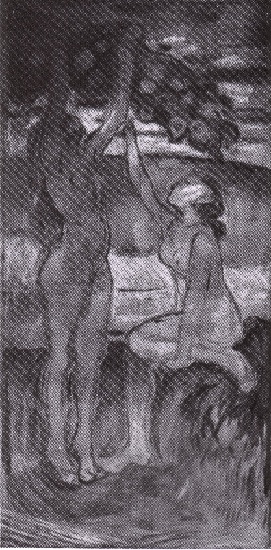
A hauntingly beautiful black and white Expressionist study of two women amidst nature, Edvard Munch's Harvest captures profound themes of loss and mortality, inviting you to explore this evocative masterpiece.
 Skaityti daugiau
Pažinkite Edvardą Munchą (1863–1944), ekspresionizmo pionierį! Atraskite jo ikoninius kūrinius, pavyzdžiui, 'Šauksmą', bei meno tyrinimus apie nerimą, mirtį, meilę ir psichologines temas. Norvegų dailininkas, paveikęs XX a. avangardą.
Gaukite spausdinimui paruoštą failą, kurio kokybė gerokai viršija internetinę peržiūrą. Kiekvienas mūsų parduodamas skaitmeninis vaizdas yra ištrauktas iš aukštos raiškos pagrindinio failo mūsų duomenų bazėje — paprastai jis siekia nuo 5 000 iki 15 000 pikselių plotio — todėl galite drąsiai spausdinti didelius formatus, apkirpti vaizdą ar reprodukcija užtikrins visas smulkias detales.
Mūsų studijoje nė viena kopija nelieka neapdorota. Skaitmeninio vaizdo ekspertas, lygiu su originaliu paveikslu, patikrina spalvas ir, jei reikia, jas koreguoja, o tada profesionaliais retušavimo įrankiais padidina aiškumą bei detales — visada išlaikydamas ištikimybę autoriaus teptuko traukoms ir stiliui. Rezultatas – vaizdas, kuris atrodo kaip tikras paveikslas, o ne kaip su filtrais apdorotas skenavimas.
Patvirtinate prieš užsakymo pabaigą: mūsų ekspertas per 72 valandas el. laišku atsiųsta vaizdą jūsų peržiūrai. Nepasitenkinate rezultatu? Paprašykite patobulinimų ar pataisymų arba prašykite pinigų grąžinimo, jei kokybė neatitinka jūsų lūkesčių.
Ši kokybė yra patikima leidybos įstaigoms, dizaino studijoms, galerijoms ir spaudos įmonėms.
Skaitmeninis vaizdas
Atsisiųskite didelės raiškos failą asmeniniam naudojimui, spausdinimui ir kūrybiniams projektams. ( Perjungti į spausdinamus版作品 Pirkti rankų darbo tapybą)
Kiekvieną skaitinio vaizdo užsakymą papildė
Profesionalus skaitmeninis vaizdų pristatymas, garantuotas
Pasirinkę TopImpressionists.com, jūs ne tik gaunate paveikslėlį – jūs gaunate profesionaliai patobudintą skaitmeninį kūrinį, sukurtą itin tikniai ir užtikrinantį pasitenkinimą. Štai viską, kas automatiškai pritékia jūsų užsakymui:

Greitas pristatymas el. paštu
Jūsų aukštos raiškos skaitmeninis vaizdo failas bus išsiųstas el. paštu per 72 valandas nuo užsakymo – jis bus paruoštas naudoti be jokių papildomų veiksmų.

Dirbtiniu intelektu tobulintas skaitmeninis failas
Jūsų meno kūrinys profesionaliai optimizuojamas naudojant pažangius dirbtinio intelekto įrankius ir rankinį redagavimą, užtikrinant maksimalią detalę, aiškumą ir spalvų tikslumą.

Nemokamas visam laikui pakartotinis siuntimas
Atsitiktinai ištrytikote ar praradote savo failą? Nebijokite – bet kuriuo metu atsiųsime jį jums vėl nemokamai.

Jokio importo mokesčio – niekada
Mėgaukitės savo meno kūrynu be jokių muitinės mokesčių, įkainų ar pristatymo išlaidų – skaitiniai failai visada yra neapmokestinami.

Spalvų tikslumo garantija
Naudodami profesionalią įrangą ir spalvų valdymo sistemas, užtikriname, kad jūsų skaitmeninis vaizdas kuo tiksliau atspindėtų originalias spalvas.

100 dienų patikimumo garantija
Jei nebuvosite patenkinti įsigyto skaitmeninio vaizdo, mes jį tališkai koreguosime arba grąžinsime 100% sumą per 100 dienų – be jokių klausimų.

100% pinigų grąžinimo garantija
Nesitenkinate? Gaukite visą sumokėtą sumą per 100 dienų nuo skaitmeninio failo gavimo – be jokių papildomų klausimų.

Nuolaidos dideliems užsakymams
Pirkti 3 nuotraukas – 10% nuolaida – Pirkti 5 – 15% nuolaida – Pirkti 10 ir daugiau – 20% nuolaida. Puikiai tinka kūrybiniams projektams, galerijoms bei agentūroms.
A Somber Symphony in Monochrome
In the quiet, evocative depths of Edvard Munch's 1909 masterpiece, "Harvest," we encounter a world where the boundaries between the physical landscape and the human psyche begin to dissolve. This striking black and white canvas serves as more than a mere depiction of a pastoral moment; it is a profound meditation on the cyclical nature of life, loss, and the enduring embrace of the natural world. As an exemplar of Expressionism, the painting eschews the objective clarity of realism to instead prioritize the visceral, emotional truth of the scene. Through a deliberate use of tonal variation and gestural brushwork, Munch invites the viewer into a space of quiet contemplation, where the rustle of leaves and the stillness of the figures suggest a moment suspended in time.
The composition is masterfully centered around two female figures positioned within a grove of trees. There is an intimate, almost voyeuristic quality to their placement, as if we have stumbled upon a private vigil. Munch employs a flattened perspective that heightens this sense of intimacy, bringing the background foliage into a closer, more pressing relationship with the subjects. The trees themselves, rendered with loose and spontaneous lines, reach upward like skeletal fingers, partially obscuring the sky and creating a sense of enclosure. This lack of rigid geometric structure allows for a dynamic portrayal of movement, where the organic shapes of the women's forms blend seamlessly into the irregular, textured contours of the landscape.
The Texture of Memory and Grief
To behold "Harvest" is to feel the weight of Munch’s personal history. The artist’s life was profoundly shaped by the shadows of mortality, specifically the premature deaths of his mother and sister from tuberculosis. These early traumas infused his work with a haunting preoccupation with grief and the fragility of existence. In this piece, the monochromatic palette—a spectrum of somber grays and deep blacks—acts as a visual echo of such sorrow. The absence of vibrant color strips away any superficial distractions, forcing the eye to focus on the impasto technique, where thick, layered applications of paint create a rugged, tactile surface. This textural richness mirrors the weathered landscape, suggesting that even in decay, there is a profound, textured beauty.
For the discerning collector or interior designer, "Harvest" offers an unparalleled emotional depth that can anchor a room with its quiet intensity. The painting does not demand attention through loud colors but commands it through atmospheric resonance. It functions as a window into the soul of Expressionism, making it an ideal centerpiece for spaces designed for reflection and intellectual engagement. Whether viewed as a study in light and shadow or as a symbolic narrative of life's fleeting nature, the artwork provides a sophisticated layer of storytelling to any curated collection.
Ultimately, Munch’s "Harvest" remains a timeless exploration of the human condition. It captures the tension between the vulnerability of the individual and the indomitable strength of nature. By embracing imperfection through his gestural strokes and avoiding the trap of photographic precision, Munch achieves a level of emotional resonance that continues to captivate modern audiences. It is a piece that does not merely sit upon a wall; it breathes with the heavy, beautiful rhythm of memory and the eternal cycle of the earth.
Klausimai ir atsakymai
Ar „Harvest“ spalvos atrodo ryškios ar švelnios?
„Harvest“ – Edvardas Munkas pasižymi Monochromatic spalvų intensyvumu.
Kokia spalvų ryškumas ir intensyvumas pasižymi „Harvest“ – Edvardas Munkas?
Kūrinys „Harvest“ – Edvardas Munkas pasižymi Muted nasyginimu ir Monochromatic intensyvumu.
Kokią spalvų harmoniją išpriešia „Harvest“ – Edvardas Munkas?
„Harvest“ spalvų harmonija yra apibūdinama kaip Unified Palette.
Autoriaus biografija
Edvard Munkas: Šešėlių ir Jausmų Simfonija
Edvardas Munkas, gimęs 1863 metais Adalsbruko kaime, Norvegijoje, tapo menininku, kurio kūriniai amžiams įtvirtino modernios eros nerimą ir emocinį sukrėtimą. Jo gyvenimas, giliai pažymėtas nuostolių ir visapusiškos melancholijos, buvo neatsiejamas nuo jo išskirtinio meno. Vaikystės šešėlį metė motinos ir sesers ankstyva mirtis nuo tuberkuliozės – tragedija, kuri įskiepijo jam obsesiją dėl mirtingumo, ligų ir žmogaus egzistencijos trapumo. Tėvo griežtos religinės nuostatos bei jo pačių kovos su psichikos liga dar labiau sustiprino Munką apėmusį baimės jausmą, formavusį ne tik asmeninį gyvenimą, bet ir jo paveikslų simbolinę kalbą. Jis ne tiesiog piešė scenas; jis išreikšdavo savo vidinį pasaulį, psichologinius sukrėtimus paversdamas vizualia forma.Meninės Virsmo Genesis: Įtaka ir Raida
Munkas formaliai mokėsi Karališkajame meno ir dizaino institute Kristianijoje (dabartinė Osle), tačiau jo kūrybos ugnį uždegė susidūrimas su bohemišku pasauliu ir Hanso Jægerio nihiliistinės filosofijos įtaka. Jægeris skatino Munką atsisakyti tradicinių akademinių stilių ir pasinerti į savo subjektyvios patirties gelmes, ką menininkas pavadino „sielos tapybos“ koncepcija. Šis lūžis pažymėjo pradžią Munkui būdingam stiliui – žiauriai emocijai, iškreiptoms formoms ir atsisakymui nuo natūralistinio vaizdavimo. Kelionės į Paryžių 1890-ųjų dešimtmetyje atvėrė jam Post-Impressionistų judėjimo duris, kur jis pasisemė įkvėpimo iš tokių menininkų kaip Paulis Gauguinas, Vincentas van Goghas ir Henri de Toulouse-Lautrec. Šių meistrų ryškios spalvos, ekspresyvūs potėliai ir psichologinis intensyvumas giliai atrezgėjo Munkui. Jis ne tiesiog kopijavo jų techniką; jis sintezavo jas į kažką unikalaus – vizualinę kalbą, pajėgią perteikti pačius giluminius ir nerimą keliantį žmogaus emocijas. Taip pat svarbi buvo jo viešnagė Berlyne, kuri padėjo susipažinti su dramaturgu Augustu Strindbergu, kurio psichologinių temų tyrinimas dar labiau sustūmė Munką į meninius eksperimentus.Ikoniškos Vizijos: Pagrindiniai Darbai ir Jų Simbolinė Naštą
Munkui skirta kūrinių galerija kupina vaizdų, kurie tapo giliai įsišaknyję bendroje sąmonėje. „Šauksmas“, galbūt jo žinomiausias darbas, pranoksta paveikslo statusą ir tampa universaliu egzistencinio nerimo simboliu. Sūkuriuojantis, ugninis kraštovaizdis ir figūros iškreiptas veidas įkūnija pirminį šauksmą prieš visatos abejingumą. „Madona“, kontroversiška ir giliai asmeniška kūrinys, tyrinėja seksualumo, motinystės ir mirtingumo temas su nerimą keliančiu atvirumu. Pakartotiniai motifai, tokie kaip „Sergantis vaikas“ – įkvėptas jo sesers Sofijos netekties – yra skaudūs priminimai apie Munkui vaikystėje paliktą traumą ir visada artėjančią mirties šešėlį. „Melancholija I ir II“, gilią liūdesio ir vienatvės parodantys paveikslai, atskleidžia pažeidžiamumą, kuris yra tiek giliai asmeniškas, tiek universaliai suvokiamas. Šie darbai nėra tiesiog atvaizdai išorinės realybės; tai langai į menininko sielą, suteikiantys žiūrovams beprotišką pažvelgimą į žmogaus psichikos tamsiausius kampelius. Munkas nesiekė sukurti gražių paveikslų; jis siekė perteikti tiesą – net jei ta tiesa buvo skausminga ir nerimą kelianti.Pavelės Palikimas: Istorinė Signifikacija ir Nuolatinis Įtaka
Edvardo Munkui indėlis į moderniąją dailę yra neįvertinamas. Jis stovi kaip kertinis veikėjas formuojant Ekspresionizmą, atverdamas kelią menininkams, kurie prioritetą teikia subjektyvioms emocijoms virš objektyvaus vaizdavimo. Jo nesavanaudingo tyrinimo apie universalią žmogaus patirtį – meilę, nuostolius, nerimą ir mirtį – poveikis išlieka iki šių dienų, įtvirtindamas jo vietą kaip vieno svarbiausių ir ilgiausiai trunkanciu menininkų pasaulyje. Jo darbai giliai paveikė paskesnes kartas menininkų, paveikdami tokius judėjimus kaip Vokietijos ekspresionizmas ir kitus. Jis drąsiai susidūrė su žmogaus būties tamsiais aspektais, iššaukdamas tradicinius grožio ir meno atvaizdo suvokimą. Netgi pasiekęs šlovę ir pripažinimą – kulminacija tapo Munkio muziejaus įkūrimu Osle – jo asmeninis gyvenimas liko neramus, pažymėtas psichikos nestabilumo ir vienatvės laikotarpiais. Tačiau per viską jis tęsė kurti, palikdamas kūrinių rinkinį, kuris ir toliau provokuoja, iššaukia ir įkvepia. Munkui palikimas yra ne tik patys paveikslai; tai drąsa susidurti su žmogaus egzistencijos sudėtingumu ir versti tuos reiškinius į meną, kalbantį į mūsų esybės giliausius aspektus.
Edvardas Munkas
1863 - 1944 , Švedija
Trumpa informacija
- Artistic Movement Or Style: Ekspresionizmas
- Artists Or Movements Influenced By This Artist: ['Vokietijos ekspresionizmas']
- Artists Who Influenced This Artist:
- Paulius Gogenas
- Van Gogas
- Toulouse-Lautrec
- Date Of Birth: 1863 m. gruodžio 12 d.
- Date Of Death: 1944 m. sausio 23 d.
- Full Name: Edvardas Munkas
- Nationality: Norvegų
- Notable Artworks:
- The Scream
- Madonna
- The Sick Child
- Melancholy I & II
- Place Of Birth: Ådalsbruk, Švedija