

 Peržiūrėti realaus dydžio版
 Pasidalinti
 Dalintis
 Išsamiau
 Vadovas

 Atsisiųsti
 Panašūs eksponatai
 Rentgeno spindulių nuotrauka
 Automatinė diorama
 问答
问答 Statistika
Tavern in St. Cloud

- 48.0 x 64.0 cm


Experience Edvard Munch's iconic 'Two Men' (1890) – a haunting portrayal of isolation and anxiety. This hand-painted reproduction captures the raw emotion of Munch’s masterpiece, offering a timeless meditation on human experience.
 Skaityti daugiau
Pažinkite Edvardą Munchą (1863–1944), ekspresionizmo pionierį! Atraskite jo ikoninius kūrinius, pavyzdžiui, 'Šauksmą', bei meno tyrinimus apie nerimą, mirtį, meilę ir psichologines temas. Norvegų dailininkas, paveikęs XX a. avangardą.
Giclée / Meno spausdinimas
Muziejų lygio „giclée“ arba drobos spausdinimas: greita gamyba ir lankstios apdailos parinktys. ( Pirkti rankų darbo tapybą Perejti prie skaitmeninių vaizdų)




P118B €10

P118H €10

P118W €10

P438Z €10

P508JH €12

P508YH €12

P805H €10

P805Z €10

P919BZ €10

P919G €10

P919XJ €10

P959ZH €10

P968JZ €12

W106C €8

W218G €10

W218JH €8

W218Y €10

W307PJ €10

W316G €10

W316PJ €8

W316Y €10

W398PJ €8

W4111J €10

W500HY €15

W500JH €15

W692G €12

W849H €8

W940BG €15

W953PJ €8




Standartinis dydis
pagal užsakymą
CM
INCH
Pasirinkite iš mūsų nustatytų dydžių, atitinkančių originalaus meno kūrinio proporcijas.
Loading sizes...

plotis
aukštis
Įveskite jums reikiamą plotį ir aukštį, kad atvaizdas derėtų prie jūsų rėmo ar sienos. Spausdiną galima tik sumažinti, bet nepadidinti virš originalaus paveikslėlio dydžio, todėl keičiant proporcijas, dalis vaizdo prarandama. Prieš spausdinimą atsiųsime jums skaitmeninį maketą patvirtinimui. Šioje puslapio nuotraukoje matomas pjūvis nėra tikslus – jį rodo tik maketas.
Pristatymas visame pasaulyje () per 2 weeks, o ne įprastas 4/5 savaičių laikotarpis. (8 lapkritis)

Nemokamas greitasis pristatymas visame pasaulyje

Aukštos kokybės lininis drobė

Pilnas siuntimo draudimas

Muitinės mokesčių grąžinimo garantija

Tikro spalvų atitikimo garantija

100 dienų grąžinimo politika (tik esant įtaigoms)

100% pinigų grąžinimo garantija

Nuolaida dideliems užsakymams
 Stiklo variantas prieinamas tik pasirinkus dydį iki 110 cm

Tavern in St. Cloud
Giclée / Meno spausdinimas
Reprodukcijos matmenys
-


Bendroji kaina
€ 62
Edvard Munch’s ‘Tavern Scene’: A Window into Modern Anxiety
TopImpressionists.com presents a meticulously hand-painted reproduction of Edvard Munch's seminal work, “Tavern Scene” (1890), a painting that transcends its subject matter to become a potent symbol of the anxieties and uncertainties simmering beneath the surface of late 19th-century society. This isn’t merely a depiction of two men in a bar; it’s an intensely psychological portrait, rendered with a raw emotional honesty that continues to resonate powerfully today. Munch, deeply influenced by Symbolism and his own personal struggles – particularly the loss of his mother and sister to tuberculosis – sought not to represent reality objectively but to convey subjective experience, specifically the unsettling feeling of impending doom.
- Style & Technique: The painting exemplifies Munch’s signature style, characterized by bold, expressive brushstrokes, flattened perspective, and a deliberate distortion of form. He employs a technique known as ‘soul painting,’ prioritizing emotional impact over realistic representation. Notice the almost violent application of paint, particularly in the darker tones, creating a sense of unease and agitation. The use of complementary colors – the blues and oranges – intensifies this effect, generating visual tension within the composition.
- Composition & Perspective: Munch masterfully utilizes perspective to draw the viewer into the scene. The receding lines of the table and walls create a sense of depth, while the figures are positioned in a way that emphasizes their isolation and vulnerability. The slightly skewed angle of the table contributes to the overall feeling of instability and disorientation.
- Material & Reproduction: Our hand-painted reproduction utilizes archival quality materials, meticulously replicating Munch’s original techniques. We employ traditional oil painting methods, ensuring color accuracy and a texture that closely mimics the feel of the original canvas. The size of 48 x 64 cm offers an ideal scale for display, allowing the artwork's emotional intensity to be fully appreciated.
Symbolism & Psychological Depth
“Tavern Scene” is laden with symbolic meaning, reflecting Munch’s preoccupation with themes of death, illness, and psychological distress. The two men seated at the table are often interpreted as representations of the artist himself and his friend Herman Geinfeld, engaged in a conversation that borders on despair. The single, stark light source – likely representing an unseen, perhaps malevolent force – casts long, distorted shadows, amplifying the sense of dread. The empty space around the figures suggests isolation and loneliness, further emphasizing their vulnerability.
Key Symbolic Elements:- The Empty Space: Represents a void, a lack of connection, or perhaps an impending death.
- The Harsh Light: Symbolizes exposure, judgment, or the intrusion of unwelcome truths.
- The Men’s Expressions: Convey a sense of weariness, anxiety, and possibly suppressed grief.
Historical Context & Munch's Vision
Painted during a period of significant social and intellectual upheaval – the rise of industrialization, urbanization, and the questioning of traditional values – “Tavern Scene” reflects the growing anxieties of the modern age. Munch was part of a broader artistic movement that rejected realism in favor of exploring subjective experience and psychological states. His work anticipated many of the themes explored by Expressionist artists who would follow him, solidifying his place as a pioneer of modern art. The painting’s raw emotional power speaks to a universal human condition – the awareness of mortality and the struggle to find meaning in a chaotic world.
Emotional Impact & Collecting
More than just a beautiful image, “Tavern Scene” is an emotionally charged work that invites contemplation and introspection. It’s a painting that demands attention, prompting viewers to confront their own fears and anxieties. Whether you are an art collector seeking to expand your collection of iconic works, an interior designer looking for a statement piece to evoke emotion and create atmosphere, or simply someone drawn to the power of artistic expression, this hand-painted reproduction offers a unique opportunity to experience the profound impact of Edvard Munch’s genius. Own a piece of art history that continues to resonate with its timeless exploration of the human psyche.
Klausimai ir atsakymai
Kiek žmonių žiūri į „Tavern in St. Cloud“?
„Tavern in St. Cloud“ – Edvardas Munkas puslapio Statistika statistika rodo viešųjų apsilankymų duomenis: šio kūrinio mėnesinius apsilankymus, palyginimą su daugiausia peržiūrėtomis šio autoriaus dalimis bei lankytojų kilmės regionus.
Kokia paletė ir pagrindinė spalva apibrėžė „Tavern in St. Cloud“?
„Tavern in St. Cloud“ apibūdiną Earthy paletė, kurioje dominuoja Driftwood (#d4965f).
Kokia bendra „Tavern in St. Cloud“ – Edvardas Munkas nuotauda?
Bendrąją „Tavern in St. Cloud“ – Edvardas Munkas nuotaiką apibrėžia Dramatic. Ši nuotaika atspindi bendrą kūrinio atmosferą.


Autoriaus biografija
Edvard Munkas: Šešėlių ir Jausmų Simfonija
Edvardas Munkas, gimęs 1863 metais Adalsbruko kaime, Norvegijoje, tapo menininku, kurio kūriniai amžiams įtvirtino modernios eros nerimą ir emocinį sukrėtimą. Jo gyvenimas, giliai pažymėtas nuostolių ir visapusiškos melancholijos, buvo neatsiejamas nuo jo išskirtinio meno. Vaikystės šešėlį metė motinos ir sesers ankstyva mirtis nuo tuberkuliozės – tragedija, kuri įskiepijo jam obsesiją dėl mirtingumo, ligų ir žmogaus egzistencijos trapumo. Tėvo griežtos religinės nuostatos bei jo pačių kovos su psichikos liga dar labiau sustiprino Munką apėmusį baimės jausmą, formavusį ne tik asmeninį gyvenimą, bet ir jo paveikslų simbolinę kalbą. Jis ne tiesiog piešė scenas; jis išreikšdavo savo vidinį pasaulį, psichologinius sukrėtimus paversdamas vizualia forma.Meninės Virsmo Genesis: Įtaka ir Raida
Munkas formaliai mokėsi Karališkajame meno ir dizaino institute Kristianijoje (dabartinė Osle), tačiau jo kūrybos ugnį uždegė susidūrimas su bohemišku pasauliu ir Hanso Jægerio nihiliistinės filosofijos įtaka. Jægeris skatino Munką atsisakyti tradicinių akademinių stilių ir pasinerti į savo subjektyvios patirties gelmes, ką menininkas pavadino „sielos tapybos“ koncepcija. Šis lūžis pažymėjo pradžią Munkui būdingam stiliui – žiauriai emocijai, iškreiptoms formoms ir atsisakymui nuo natūralistinio vaizdavimo. Kelionės į Paryžių 1890-ųjų dešimtmetyje atvėrė jam Post-Impressionistų judėjimo duris, kur jis pasisemė įkvėpimo iš tokių menininkų kaip Paulis Gauguinas, Vincentas van Goghas ir Henri de Toulouse-Lautrec. Šių meistrų ryškios spalvos, ekspresyvūs potėliai ir psichologinis intensyvumas giliai atrezgėjo Munkui. Jis ne tiesiog kopijavo jų techniką; jis sintezavo jas į kažką unikalaus – vizualinę kalbą, pajėgią perteikti pačius giluminius ir nerimą keliantį žmogaus emocijas. Taip pat svarbi buvo jo viešnagė Berlyne, kuri padėjo susipažinti su dramaturgu Augustu Strindbergu, kurio psichologinių temų tyrinimas dar labiau sustūmė Munką į meninius eksperimentus.Ikoniškos Vizijos: Pagrindiniai Darbai ir Jų Simbolinė Naštą
Munkui skirta kūrinių galerija kupina vaizdų, kurie tapo giliai įsišaknyję bendroje sąmonėje. „Šauksmas“, galbūt jo žinomiausias darbas, pranoksta paveikslo statusą ir tampa universaliu egzistencinio nerimo simboliu. Sūkuriuojantis, ugninis kraštovaizdis ir figūros iškreiptas veidas įkūnija pirminį šauksmą prieš visatos abejingumą. „Madona“, kontroversiška ir giliai asmeniška kūrinys, tyrinėja seksualumo, motinystės ir mirtingumo temas su nerimą keliančiu atvirumu. Pakartotiniai motifai, tokie kaip „Sergantis vaikas“ – įkvėptas jo sesers Sofijos netekties – yra skaudūs priminimai apie Munkui vaikystėje paliktą traumą ir visada artėjančią mirties šešėlį. „Melancholija I ir II“, gilią liūdesio ir vienatvės parodantys paveikslai, atskleidžia pažeidžiamumą, kuris yra tiek giliai asmeniškas, tiek universaliai suvokiamas. Šie darbai nėra tiesiog atvaizdai išorinės realybės; tai langai į menininko sielą, suteikiantys žiūrovams beprotišką pažvelgimą į žmogaus psichikos tamsiausius kampelius. Munkas nesiekė sukurti gražių paveikslų; jis siekė perteikti tiesą – net jei ta tiesa buvo skausminga ir nerimą kelianti.Pavelės Palikimas: Istorinė Signifikacija ir Nuolatinis Įtaka
Edvardo Munkui indėlis į moderniąją dailę yra neįvertinamas. Jis stovi kaip kertinis veikėjas formuojant Ekspresionizmą, atverdamas kelią menininkams, kurie prioritetą teikia subjektyvioms emocijoms virš objektyvaus vaizdavimo. Jo nesavanaudingo tyrinimo apie universalią žmogaus patirtį – meilę, nuostolius, nerimą ir mirtį – poveikis išlieka iki šių dienų, įtvirtindamas jo vietą kaip vieno svarbiausių ir ilgiausiai trunkanciu menininkų pasaulyje. Jo darbai giliai paveikė paskesnes kartas menininkų, paveikdami tokius judėjimus kaip Vokietijos ekspresionizmas ir kitus. Jis drąsiai susidūrė su žmogaus būties tamsiais aspektais, iššaukdamas tradicinius grožio ir meno atvaizdo suvokimą. Netgi pasiekęs šlovę ir pripažinimą – kulminacija tapo Munkio muziejaus įkūrimu Osle – jo asmeninis gyvenimas liko neramus, pažymėtas psichikos nestabilumo ir vienatvės laikotarpiais. Tačiau per viską jis tęsė kurti, palikdamas kūrinių rinkinį, kuris ir toliau provokuoja, iššaukia ir įkvepia. Munkui palikimas yra ne tik patys paveikslai; tai drąsa susidurti su žmogaus egzistencijos sudėtingumu ir versti tuos reiškinius į meną, kalbantį į mūsų esybės giliausius aspektus.
Edvardas Munkas
1863 - 1944 , Švedija
Trumpa informacija
- Artistic Movement Or Style: Ekspresionizmas
- Artists Or Movements Influenced By This Artist: ['Vokietijos ekspresionizmas']
- Artists Who Influenced This Artist:
- Paulius Gogenas
- Van Gogas
- Toulouse-Lautrec
- Date Of Birth: 1863 m. gruodžio 12 d.
- Date Of Death: 1944 m. sausio 23 d.
- Full Name: Edvardas Munkas
- Nationality: Norvegų
- Notable Artworks:
- The Scream
- Madonna
- The Sick Child
- Melancholy I & II
- Place Of Birth: Ådalsbruk, Švedija
Susiję straipsniai

Lamp Black & Masterpieces: 10 Paintings That Define Shadow & Light |
Delve into the captivating world of 'Lamp Black' tones with 10 iconic paintings by masters like Rembrandt & Caravaggio. Explore Baroque chiaroscuro, dramatic lighting & shadow in art history. Find museum-quality reproductions at

Dark Masterpieces: 10 Iconic Paintings Dominated by Black Tones |
Explore 10 iconic paintings dominated by black tones, from Rembrandt’s chiaroscuro to Goya's dark expressions. Discover the stories behind these masterpieces & find museum-quality art reproductions for your home at .
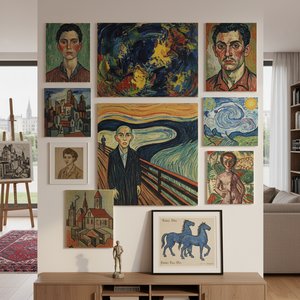
Ekspresionizmo Deimantai: 10 Šedevrai Jūsų Namų Dekorui
Atraskite ekspresionizmo šedevrus! 10 įtakingiausių meno kūrinių, atskleisiančių Muncho, Kirchnerio ir kitų meistrų emocijas. Išmokite apie tapybos stilius bei spalvų paletę. Aukščiausios kokybės dailės reprodukcijos jūsų namams – TopImpressionists.com.

Edvard Munch: Top 25 Šedevrai – Aliejaus Tapyba Jūsų Interjerui | TopImpressionists
Atraskite 25 įspūdingiausius Edvard Munch šedevrus! Išsami informacija apie aliejaus tapybą, ekspresionizmą ir jo paveikslų istoriją. Meno reprodukcijos interjerui – TopImpressionists.com

Edvard Munch: Anxiety, Modernity & the Dawn of Expressionism
Explore the profound world of Edvard Munch, pioneer of Expressionism. Discover the origins of 'The Scream' & his haunting depictions of anxiety, mortality, and love. Expert analysis & high-quality reproductions at TopImpressionists.
Tyrinėkite meno kūrinius, suskirstytus pagal temas, stilius ir savybes.


