


 Peržiūrėti realaus dydžio版
 Pasidalinti
 Dalintis
 Išsamiau
 Vadovas

 Atsisiųsti
 Panašūs eksponatai
 Rentgeno spindulių nuotrauka
 Automatinė diorama
 Q&A
Q&A Statistika
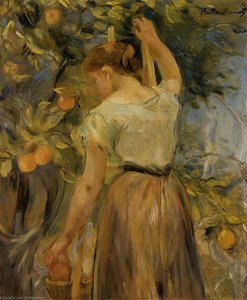
Tree
 27.0 x 22.0 cm
Discover Elizabeth Muntz's evocative landscapes & studies of nature (1894-1977). Explore her detailed depictions of trees, boats, and harbors through TopImpressionists.
 Skaityti daugiau
Šiame puslapyje rodomas meno kūrinys yra saugomas autorių teisių įstatymais, todėl neturime teisės legaliai kurti ar parduoti jo identiškos reprodukcijos. Ši apsauga užtikrinama remiantis tokiais tarptautiniais susitarimais kaip Bernės konvencija ir pagal nacionalines įstatymų nuostatas, įskaitant tas, kurias nurodo JAV autoriškos teisės įstatymas – 17-asis skyrius.
Kaip pagarbią ir teisėtą alternatyvą, mes siūlome pagal užsakymą rankomis dažytus paveikslus, įkvėptus originalo. Mūsų įgudę ir profesionalūs menininkai kruopščiai tiria originalo stilių, nuotaiką ir meninę esmę, kad sukurtų naują, unikalią kūrinį, kuris sukelia tą paties jausmą – išlikdamas tuo tarciau originaliu, savarankišku kūrybiniu darbu.
Šis metodas visiškai atitinka autorių teises, nes jame nėra saugomo kūrinio kopijavimo ar dubliavimo. Tai yra kūrybinė reinterpretacija – naujas paveikslas, kurį įkvėpė originalas, tačiau kuris nėra jo identiškas.
Rankų darbo aliejinės reprodukcijos
Rankiniu būdu tapytas aliejus ant droblio jūsų pageidaujamame dydį ir rėmuose – tai mūsų menininkų pagal užsakymą sukurtas darbas. ( Perjungti į spausdinamus版作品 Perejti prie skaitmeninių vaizdų)




































Standartinis dydis
pagal užsakymą
CM
INCH
Pasirinkite iš mūsų nustatytų dydžių, atitinkančių originalaus meno kūrinio proporcijas.
Loading sizes...

plotis
aukštis
Įveskite jums reikiamą plotį ir aukštį, kad paveikslas atitiktų jūsų rėmą ar sieną. Kadangi šis darbas yra rankinio darbo, siekiant išgauti kitokios formos dydį, paveikslas gali būti šiek tiek didesnis (nuo kraštų bus palikta daugiau erdvės) arba mažesnis – pasirinkite jums patogiausią variantą. Prieš pradedant tapyti, atsiųsime jums skaitmeninį maketą patvirtinimui. Šioje puslapio nuotraukoje matomas vaizdas nėra galutinis rezultatas – jį parodys tik sukurtas maketas.
Ką galima pakeisti (pavyzdžiai): Pakeisti veidą į kliento nuotrauką; Pridėti augintinį (pvz., pakeisti katę šunimi); Įtraukti paslėptą žinutę fone; Pakeisti fono kraštovaizdį ar elementus.
Gavus užsakymą, TopImpressionists.com komanda susisieks su klientu el. paštu dėl instrukcijų ir pateiks maketo pavyzdį
Gavus užsakymą, TopImpressionists.com komanda susisieks su klientu el. paštu dėl instrukcijų ir pateiks maketo pavyzdį
Pristatymas visame pasaulyje () per 3–4 savaites, o ne įprastai – per 5 savaites. (28 spalis). Kokybė lieka nepakeičiama.

Nemokamas greitasis pristatymas visame pasaulyje

Aukštos kokybės lininis drobė

Pilnas siuntimo draudimas

Muitinės mokesčių grąžinimo garantija

Tikro spalvų atitikimo garantija

100 dienų grąžinimo politika (tik esant įtaigoms)

100% pinigų grąžinimo garantija

Nuolaida dideliems užsakymams
 Stiklo variantas prieinamas tik pasirinkus dydį iki 110 cm

Tree
Reprodukcijos technika
Reprodukcijos matmenys
-


Bendroji kaina
€ 237
panašūs kūriniai


Autoriaus biografija
Elizabeth Muntz: A Dorset Visionary of Trees and Light
Born in Toronto, Canada, in 1894, Elizabeth Muntz’s artistic journey was one shaped by a confluence of European influences and a deep connection to the natural world. Her early life provided a foundation rooted in Canadian heritage, yet it was her relocation to Paris at a young age that truly ignited her creative spirit. Studying under Antoine Bourdelle at the Académie de la Grande Chaumière, Muntz absorbed the principles of classical sculpture while simultaneously embracing the burgeoning Impressionist movement – a synthesis that would profoundly inform her later work. This formative period instilled in her a meticulous attention to form and an appreciation for capturing fleeting moments of light and atmosphere, qualities she would carry with her throughout her career.
Returning to England in the mid-1920s, Muntz established herself as a significant figure within the British art scene. She quickly joined influential groups like The Artist-Craftsmen Group and the London Group, demonstrating a willingness to engage with contemporary artistic dialogues. Her relocation to Dorset, specifically to Apple Tree Cottage in East Chaldon, proved to be a pivotal moment. This idyllic setting, nestled amidst rolling hills and ancient woodlands, became the primary source of inspiration for her art – particularly her celebrated depictions of trees and landscapes. Her close relationship with her aunt, Laura Muntz Lyall, another accomplished Canadian painter, undoubtedly contributed to her artistic sensibilities, fostering an appreciation for capturing the beauty of the natural world through a sensitive and observant lens.
The Language of Trees: Style and Technique
Muntz’s art is characterized by a remarkable sensitivity to detail and a masterful command of technique. While she initially trained in sculpture, her paintings demonstrate a profound understanding of color, texture, and composition. Her landscapes are not merely representations of scenery; they are imbued with a palpable sense of atmosphere – the dappled sunlight filtering through leaves, the subtle shifts in tone as clouds drift across the sky, the quiet stillness of a coastal harbor. She frequently employed a loose, expressive brushstroke, prioritizing capturing the *feeling* of a place over precise realism. Her use of color was particularly noteworthy; she favored warm, earthy tones – ochres, siennas, and umbers – to evoke the richness and depth of the Dorset countryside.
A key element of Muntz’s artistic practice was her meticulous study of trees. She produced numerous detailed studies of individual specimens, capturing their unique forms, textures, and patterns of light and shadow. These studies weren't simply botanical illustrations; they were explorations of the tree as a living entity – a symbol of resilience, growth, and connection to the earth. Her work often reveals an almost meditative quality, suggesting a deep reverence for the natural world.
A Dorset Legacy: Exhibitions and Recognition
Throughout her career, Muntz exhibited widely in both Britain and abroad, gaining recognition from prominent art critics and collectors. She was a regular participant in London Group exhibitions, showcasing her paintings alongside works by other leading artists of the period. Her work also appeared at The Modern Group of Artist-Craftsmen Second Exhibition and with the Seven and Five Society at the Beaux Arts Gallery. In 1932, she held a solo exhibition featuring drawings and sculptures at Cooling Galleries in London. Later in her career, Muntz’s paintings were exhibited at the Royal Academy, Goupil Gallery, and the Society of Women Artists, demonstrating her continued relevance within the British art world.
Notably, Muntz was awarded the title of Freeman of the Ancient Order of Purbeck Marblers and Stonecutters in 1960 – a testament to her connection with the local community and her appreciation for Dorset’s rich artistic heritage. Her legacy extends beyond her individual artworks; she also played a role in nurturing young artists, offering instruction at Bryanston School. A memorial stone carved by Muntz honoring Llewelyn Powys stands on the Dorset Cliffs, serving as a lasting reminder of her contribution to the region's cultural landscape.
The Enduring Vision
Elizabeth Muntz’s art continues to resonate with viewers today due to its profound sense of place and its intimate portrayal of the natural world. Her paintings offer a glimpse into a bygone era, yet they retain a timeless quality – a testament to her skill as an artist and her deep connection to the Dorset countryside. Her work is held in several British collections, including those at Dorset Museum & Art Gallery, ensuring that her vision will continue to inspire and captivate audiences for generations to come.

Elizabeth Muntz
1894 - 1977
Trumpa informacija
- Full Name: Elizabeth Muntz
- Nationality: Canadian
- Date Of Birth: 1894
- Date Of Death: 1977
- Place Of Birth: Toronto, Canada
- Notable Artworks:
- Study of Fence & Trees
- Queen Elizabeth II Law Courts
- Artistic Movement Or Style: Impressionism
- Artists Who Influenced This Artist:
- Antoine Bourdelle
- Frank Dobson
- Artists Or Movements Influenced By This Artist:
- Maillolesque tradition
- London Group