Atelier — Complimentary worldwide shipping — Pristatymo laikas – 2–6 savaitės
Wishlist Krepšelis
Pirkti atspaudą Pirkti atspaudąPirkti skaitmeninį paveikslą Pirkti skaitmeninį paveikslą PasidalintiPasidalinti
IšsamiauIšsamiau Pridėti į mėgstamiausius Pridėti į mėgstamiausius AtsisiųstiAtsisiųsti Panašūs eksponataiPanašūs eksponatai Rentgeno nuotraukaRentgeno nuotrauka Automatinė dioramaAutomatinė diorama

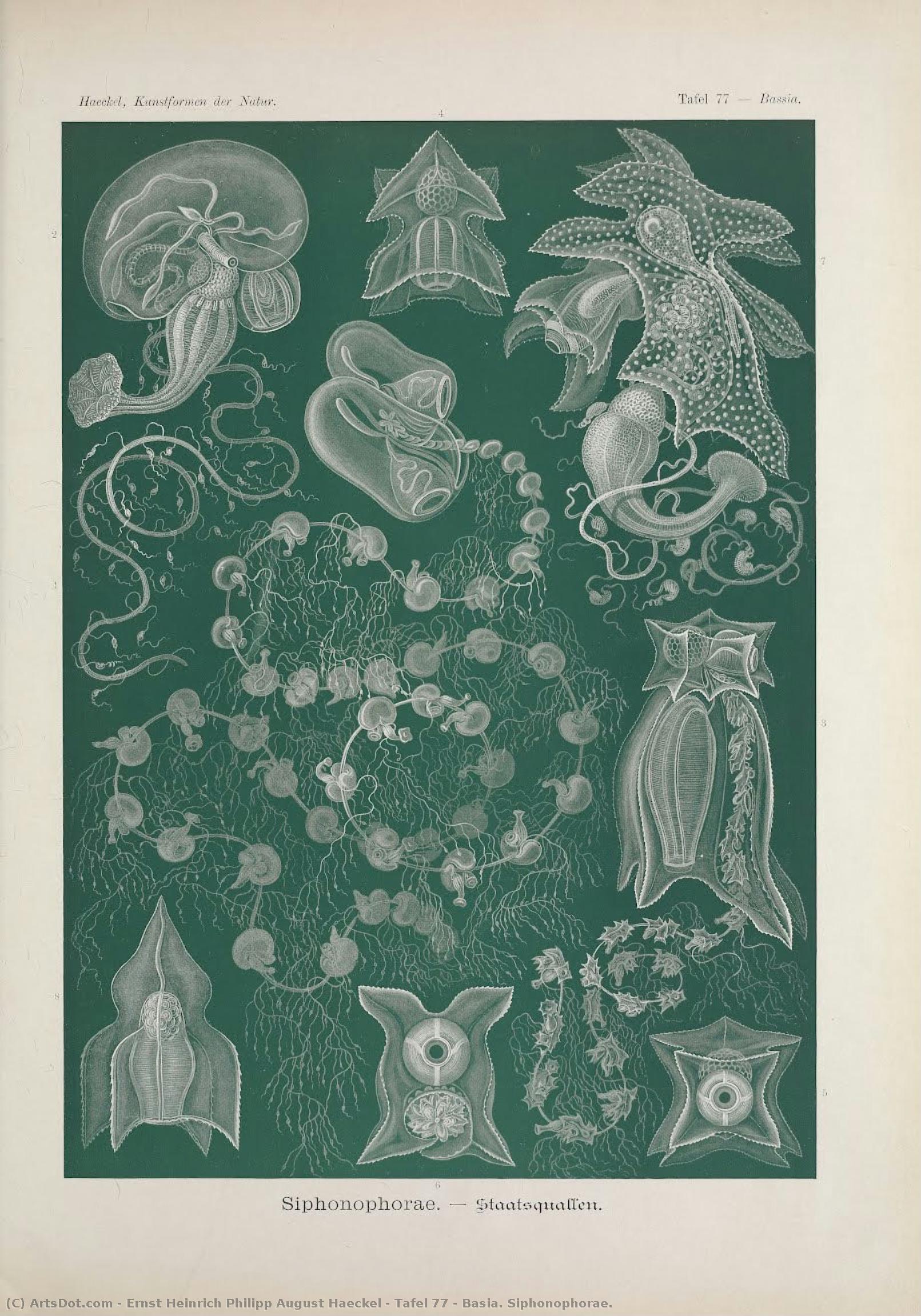
Tėlo 77 - Basia. Šlangastyrės.

Žavinga Ernst Haeckel šlangastyrės dekoratyvinė drobė iš 1904 m., kuri įkvepia įsikelti į jūrinį pasaulį. Aukštos kokybės reprodukcija, puiki sienų apdaila.

Ernst Haeckel (1834-1919) was a German zoologist & artist who popularized Darwin's work. Known for stunning 'Art Forms of Nature' illustrations, coined biological terms like ecology & phylogeny. Influenced Art Nouveau & scientific thought.

Rankų darbo aliejinės reprodukcijos

Rankiniu būdu tapytas aliejus ant droblio jūsų pageidaujamame dydį ir rėmuose – mūsų menininkų darbas pagal užsakymą.

P118B $10
P118H $10
P118W $10
P438Z $10
P508JH $12
P508YH $12
P805H $10
P805Z $10
P919BZ $10
P919G $10
P919XJ $10
P959ZH $10
P968JZ $12
W106C $8
W218G $10
W218JH $8
W218Y $10
W307PJ $10
W316G $10
W316PJ $8
W316Y $10
W398PJ $8
W4111J $10
W500HY $15
W500JH $15
W692G $12
W849H $8
W940BG $15
W953PJ $8

Standard
custom
CM
INCH

Pasirinkite iš mūsų nustatytų dydžių, atitinkančių originalaus meno kūrinio proporcijas.

plotis
aukštis

Galite įvesti savo matmenis, kad jie atitiktų konkretų rėmą ar erdvę. Jei pasirinktas dydis neatitinka originalaus paveikslėlio proporcijų, mes arba apkropsime meno kūrinį, arba papildysime tapybą rankomis dažytい elementais. Prieš pradėdami gamybą, jūsų patvirtinimui atsiųsime skaitmeninį maketą.
Atkreipkite dėmesį, kad ekrane rodomas vaizdas neatspindi tikrojo apkarpymo ar papildymo. Tik maketas tiksliai parodys galutinę kompoziciją.
Nors galima rinktis ir individualius dydžius, rekomenduojame pasirinkti matmenis iš nustatytos sąrašo, kad būtų išlaikytos originalios proporcijos.

Ką galima pakeisti (pavyzdžiai): Pakeisti veidą į kliento nuotrauką; Pridėti augintinį (pvz., pakeisti katę šunimi); Įtraukti paslėptą žinutę fone; Pakeisti fono kraštovaizdį ar elementus.
Gavus užsakymą, TopImpressionists.com komanda susisieks su klientu el. paštu dėl instrukcijų ir pateiks maketo pavyzdį.

Pristatymas visame pasaulyje () per 3–4 savaites, o ne įprastai – per 5 savaites. (17 liepa). Kokybė lieka nepakeičiama.

why_choose_icon
Nemokamas greitasis pristatymas visame pasaulyje
why_choose_icon
Aukštos kokybės lininis drobė
why_choose_icon
Pilnas siuntimo draudimas
why_choose_icon
Muitinės mokesčių grąžinimo garantija
why_choose_icon
Tikro spalvų atitikimo garantija
why_choose_icon
60 dienų grąžinimo politika (tik esant gamyklinėms defektams)
why_choose_icon
100% pinigų grąžinimo garantija
why_choose_icon
Nuolaida už kelias reprodukcijas

Visų darbų kaina

-

reproduction

Tėlo 77 - Basia. Šlangastyrės.

Reprodukcijos technika

Reprodukcijos matmenys

-

Galutinė kaina

-

Trumpos informacija

  • Artistic style: Victorian Scientific Illustration
  • Medium: Painting
  • Location: Private Collection
  • Title: Tafel 77 - Basia. Siphonophorae.
  • Influences: Darwinism
  • Movement: Zoology
  • Subject or theme: Marine Biology

Karo viktorina

Kiekviename klausime yra tik vienas teisingas atsakymas.

Klausimas 1:
What scientific discipline is Ernst Haeckel primarily associated with?
Klausimas 2:
The photograph depicts a painting by Haeckel titled ‘Tafel 77 - Basia. Siphonophorae.’ What is the subject matter of this painting?
Klausimas 3:
What artistic movement influenced Haeckel's visual style, as evidenced by the detailed depiction of jellyfish in ‘Tafel 77 - Basia. Siphonophorae’?
Klausimas 4:
In what year was Haeckel's painting ‘Tafel 77 - Basia. Siphonophorae’ created?
Klausimas 5:
The photograph highlights the intricate detail of jellyfish presented in Haeckel's artwork. Why was Haeckel considered a pioneer?

Kūrinio aprašymas

Ernst Haeckelio „Tafel 77 – Basia. Siphonophorae“: Žuvų pasaulio įvykis Vaizduojamuoju Švietimu

Ernst Heinrich Philipp August Haeckel (1834–1919) išsiskiria kaip vienas svarbiausių mokslininkų ir artistas, žmogus, kurio nepriekšėjęs žingeivos ir gilūs įžvalgos iššūkė mūsų supratimą apie gyvenimą pačiame. Jis gimęs į teisės dinastiją Potsdamėje, Prancūzijoje – linija, kuri įtraukė įtakingus advokatų šeimos narius – jo vaikystė buvo užgausiama dėl švietimo ir mokymosi pasaulio žinių. Šis ankstyvas gyvenimas sukėlė pagrindą karjerai, kuri išaugo dešimtmečius, rezultatas yra reikšmingi radiniai zoologijoje, jūrinėje biologijoje, filosofijoje ir svarbiausia – unikalu įvykių vaizduojamuoju švietimu. Haeckelio pavadinimas nėra tik mokslinis pasiekimas; jis yra neišsiskyręs nuo jo meno vizualinės kalbos. Jis buvo įsitikinęs, kad žingeivos ir įžvalgos yra svarbios gyvenimo supratimui.
  • Šūkaulis Žuvų Pasaulyje:
  • Haeckelio „Tafel 77“ yra išraiškingas žuvų pasaulio įvykis, kuriame naudojamas šūkaulių vaizduojimas. Šūkauliai yra įdomūs dėl savo įvairovės ir spalvų gamai, kurią Haeckelio mokslininkai mėgėjo perteikti į meno kūrinį.
  • Žaidimų Stilė:
  • Vaizdo kūrėjai pasirinko Žaidimų stilę. Štai kaip žaidimų stilė išraiškino savo laikmetį – Žaidimų stilė buvo įtakinga Art Nouveau estetikai, kurią galima pamatyti detalėms ir kompozicijoje.
  • Technika:
  • Haeckelio „Tafel 77“ buvo pagamintas naudojant aukštos kokybės techniką. Šūkaulių vaizduojimą įvykdė labai kruopšti meistras, kuris įdėjo daug darbo į šūkaulio detalę.

Istorinis Kontextas ir Simbolika

Šūkaulis Žuvų Pasaulyje buvo labai svarbus mokslininkams XIX amžiaus pradžioje. Haeckelio „Tafel 77“ yra įvykis žuvų pasaulyje, kuriame naudojamas šūkaulių vaizduojimas. Šūkauliai yra įdomūs dėl savo įvairovės ir spalvų gamai, kurią Haeckelio mokslininkai mėgėjo perteikti į meno kūrinį.

Emocinis Impaktas

Šūkaulių vaizduojimas yra įdomus dėl savo emocinio poveikio žiūrėtojui. Šūkauliai yra įdomūs dėl savo spalvų gamai, kurią Haeckelio mokslininkai mėgėjo perteikti į meno kūrinį.

Šūkaulių Vaizduojimas Žuvų Pasaulyje

Žaidimų stilė buvo labai įtakinga Art Nouveau estetikai. Štai kaip žaidimų stilė išraiškino savo laikmetį – Žaidimų stilė buvo įtakinga Art Nouveau estetikai, kurią galima pamatyti detalėms ir kompozicijoje.

Autoriaus biografija

Ernst Haeckel: A Pioneer of Biology and Artistic Vision

Ernst Heinrich Philipp August Haeckel (1834-1919) stands as a monumental figure in the annals of science and art, a man whose relentless curiosity and profound insights reshaped our understanding of life itself. Born into a family steeped in legal tradition in Potsdam, Prussia – a lineage that included prominent lawyers – Haeckel’s early fascination with the natural world quickly eclipsed any inherited legal aspirations. He possessed an innate drive to observe, classify, and ultimately, comprehend the intricate tapestry of existence, a passion nurtured by his mother's love for botany and a childhood spent collecting specimens. This formative period laid the groundwork for a career that would span decades, yielding groundbreaking discoveries in zoology, marine biology, philosophy, and, crucially, a uniquely compelling visual language. Haeckel’s legacy isn’t solely rooted in scientific advancement; it’s inextricably linked to his extraordinary artistic talent, particularly evident in his meticulously rendered illustrations – works that profoundly influenced the burgeoning Art Nouveau movement.

Early Life and Scientific Foundations

Haeckel's formal education began at the Domgymnasium, a prestigious cathedral school in Merseburg, where he demonstrated an exceptional aptitude for learning and a remarkable independence of thought. He then pursued studies in medicine at Berlin and Würzburg, immersing himself in the rigorous disciplines of anatomy and physiology under esteemed mentors like Albert von Kölliker, Franz Leydig, Rudolf Virchow, and Johannes Peter Müller. These formative years instilled within him a deep respect for scientific methodology and a fascination with the underlying principles governing the natural world. Crucially, his encounter with Charles Darwin’s *On the Origin of Species* in 1860 served as a catalyst, igniting a fervent commitment to evolutionary theory and shaping his subsequent research trajectory. Haeckel quickly recognized the transformative potential of Darwin's ideas and dedicated himself to popularizing and expanding upon them within Germany – a role that would both elevate him to prominence and ultimately lead to controversy.

Revolutionary Discoveries and the Recapitulation Theory

Haeckel’s scientific career blossomed during his tenure as professor of zoology at the University of Jena, beginning in 1861. He embarked on extensive expeditions – traversing the Canary Islands, Mediterranean Sea, Norway, Croatia, Egypt, Turkey, and Greece – meticulously documenting thousands of previously unknown species, primarily within the realms of radiolaria and medusae. His systematic approach to classification resulted in the naming of nearly seven hundred new marine invertebrates, solidifying his reputation as a leading authority in his field. Perhaps Haeckel’s most enduring contribution lies in his development of the “recapitulation theory,” often referred to as “ontogeny recapitulates phylogeny.” This provocative concept posited that an organism's embryonic development mirrors its evolutionary history – essentially suggesting that a creature briefly embodies all stages of its lineage. While now largely discredited due to subsequent discoveries in genetics, this theory, powerfully illustrated through his stunning artistic renderings, captivated the public imagination and profoundly influenced scientific thought at the time. His detailed illustrations, particularly those found in *Kunstformen der Natur* (Art Forms of Nature), weren’t merely depictions of marine life; they were visual arguments for his evolutionary theories, showcasing a remarkable synthesis of science and art.

Artistic Influence and ‘Kunstformen der Natur’

Beyond his scientific achievements, Haeckel was a gifted artist whose illustrations transcended the boundaries of mere documentation. *Kunstformen der Natur* (1897), a monumental work comprising over 100 meticulously rendered plates, stands as a testament to his artistic vision and scientific rigor. These images – depicting everything from jellyfish and sea urchins to insects and plants – are not simply beautiful; they’re imbued with a sense of dynamism and evolutionary narrative. Haeckel's ability to capture the essence of each organism through precise detail and evocative composition profoundly influenced the Art Nouveau movement, which embraced organic forms, flowing lines, and a celebration of nature’s beauty. His work demonstrated that scientific observation could be elevated to an art form, creating a powerful bridge between the natural world and artistic expression. The influence can still be seen in contemporary design and illustration today.

Controversies and Lasting Legacy

Despite his significant contributions to science and art, Haeckel’s career was not without controversy. His fervent advocacy for Darwinism often clashed with religious dogma, and he became embroiled in heated debates regarding the origins of humanity. Furthermore, Haeckel embraced ideas rooted in scientific racism – a disturbing aspect of his legacy that demands careful consideration. He promoted the concept of “racial hygiene,” advocating for selective breeding to improve the perceived genetic quality of populations. These views are unequivocally reprehensible and should not be excused or minimized. However, it’s crucial to acknowledge that Haeckel's work was produced within a specific historical context – a time when scientific ideas were rapidly evolving, often influenced by prevailing social biases. Despite these troubling aspects, Ernst Haeckel remains a pivotal figure in the history of science, an artist whose illustrations continue to inspire awe and wonder, and a complex individual whose life and work warrant continued scrutiny and critical engagement. His legacy is one of both remarkable achievement and profound ethical challenges, reminding us that scientific progress must always be tempered by moral responsibility.

Trumpa informacija

  • Artistic Movement Or Style: Art Nouveau influence
  • Artists Or Movements Influenced By This Artist: ['Art Nouveau']
  • Artists Who Influenced This Artist: ['Charles Darwin']
  • Date Of Birth: February 16, 1834
  • Date Of Death: August 9, 1919
  • Full Name: Ernst Heinrich Philipp August Haeckel
  • Nationality: German
  • Notable Artworks:
    • Kunstformen der Natur
    • Tafel 7 - Epibulia. Siphonophorae
  • Place Of Birth: Potsdam, Germany
Tyrinėkite meno kūrinius, suskirstytus pagal temas, stilius ir savybes.
© TopImpressionists.com — Visos teisės saugomos  ·  100% Rankų darbo · Užtikrintas meistriškumas · Nemokamas pristatymas į viso pasaulioES
VISA MASTERCARD