


 Peržiūrėti realaus dydžio版
 Pasidalinti
 Dalintis
 Išsamiau
 Vadovas

 Atsisiųsti
 Panašūs eksponatai
 Rentgeno spindulių nuotrauka
 Automatinė diorama
 Statistika
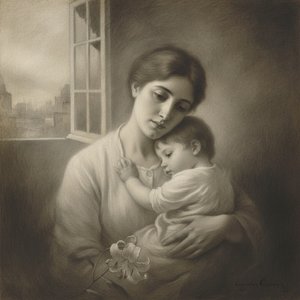
Maternity


Experience Eugène Carrière’s ‘Maternity,’ a poignant monochrome portrait of a nursing mother and child, capturing tender gestures and spiritual resonance. This iconic Symbolist work by the ‘painter of Breast-Feeding’ invites contemplation on domestic tranquility and inner light.
 Skaityti daugiau
Eugène Carrière (1849-1906) – prancūzų simbolizmo meistras, žinomas dėl intymių buitinių scenų ir monochrominės tapybos. Jo darbai įkvėpė Picasso, o kūriniai „Jauna motina“ ir „Sergantis vaikas“ yra meno istorijos klasika.
Giclée / Meno spausdinimas
Muziejų lygio „giclée“ arba drobos spausdinimas: greita gamyba ir lankstios apdailos parinktys. ( Pirkti rankų darbo tapybą Perejti prie skaitmeninių vaizdų)




P118B €10

P118H €10

P118W €10

P438Z €10

P508JH €12

P508YH €12

P805H €10

P805Z €10

P919BZ €10

P919G €10

P919XJ €10

P959ZH €10

P968JZ €12

W106C €8

W218G €10

W218JH €8

W218Y €10

W307PJ €10

W316G €10

W316PJ €8

W316Y €10

W398PJ €8

W4111J €10

W500HY €15

W500JH €15

W692G €12

W849H €8

W940BG €15

W953PJ €8




Standartinis dydis
pagal užsakymą
CM
INCH
Pasirinkite iš mūsų nustatytų dydžių, atitinkančių originalaus meno kūrinio proporcijas.
Loading sizes...

plotis
aukštis
Įveskite jums reikiamą plotį ir aukštį, kad atvaizdas derėtų prie jūsų rėmo ar sienos. Spausdiną galima tik sumažinti, bet nepadidinti virš originalaus paveikslėlio dydžio, todėl keičiant proporcijas, dalis vaizdo prarandama. Prieš spausdinimą atsiųsime jums skaitmeninį maketą patvirtinimui. Šioje puslapio nuotraukoje matomas pjūvis nėra tikslus – jį rodo tik maketas.
Pristatymas visame pasaulyje () per 2 weeks, o ne įprastas 4/5 savaičių laikotarpis. (28 spalis)

Nemokamas greitasis pristatymas visame pasaulyje

Aukštos kokybės lininis drobė

Pilnas siuntimo draudimas

Muitinės mokesčių grąžinimo garantija

Tikro spalvų atitikimo garantija

100 dienų grąžinimo politika (tik esant įtaigoms)

100% pinigų grąžinimo garantija

Nuolaida dideliems užsakymams
 Stiklo variantas prieinamas tik pasirinkus dydį iki 110 cm

Maternity
Giclée / Meno spausdinimas
Reprodukcijos matmenys
-


Bendroji kaina
€ 61
A Portrait of Maternal Reverence: Eugène Carrière’s Maternity
Eugène Anatole Carrière stands apart from his contemporaries—Monet, Degas, Cézanne—not merely in stylistic preference but in a profound philosophical commitment to capturing the essence of human experience. Born in 1849 in Gournay-sur-Marne, France, he embarked on an artistic journey marked by unwavering dedication to exploring themes of spirituality and domestic tranquility. His formative years were shaped by exposure to Rubens’s luminous palette and the crucible of imprisonment in Dresden, experiences that instilled within him a sensitivity to light and color—though he would ultimately abandon them for a distinctive monochrome aesthetic. This singular approach cemented his reputation as “the painter of Breast-Feeding,” a genre he pursued with fervent conviction throughout his prolific career. ### The Monochrome Palette: A Symbol of Inner Light Carrière’s artistic signature is undeniably his masterful manipulation of color—or rather, the deliberate absence thereof. Rejecting the Impressionist obsession with capturing fleeting moments of visual sensation, he sought to distill emotion into its purest form: a subdued brown hue that permeated nearly all his canvases. This stylistic choice wasn't simply an aesthetic preference; it represented a deeply held belief in the primacy of inner contemplation and spiritual illumination. As Edmond de Goncourt eloquently observed during Carrière’s lifetime, “This Carrière really is the painter of Breast-Feeding.” He meticulously studied gestures and expressions, striving to convey not just what he saw but what he felt—a palpable resonance with the viewer's own emotional landscape. The monochromatic palette served as a conduit for conveying profound psychological depth, mirroring the stillness and serenity of domestic life. ### Maternity: A Study in Tender Gestures and Spiritual Resonance “Maternity,” completed in 1890, exemplifies Carrière’s artistic vision at its zenith. This evocative portrait depicts a woman cradling her infant child, bathed in soft light emanating from an unseen source—a deliberate allusion to divine grace and nurturing compassion. The composition is strikingly simple yet powerfully expressive: the woman's gaze directs upwards, suggesting contemplation of something beyond the immediate physical realm; her hands are outstretched, conveying warmth and protection. Two figures flank the central scene, adding depth and subtly hinting at the broader context of familial devotion. Véronique Milin Dumesnil, Carrière’s granddaughter, recounted that the models for Maternity were his wife and one of their seven children—Jean René or Leon—underscoring the artist's personal connection to the subject matter. ### Technique and Historical Context: Embracing Rubensian Influence Carrière’s technique is characterized by meticulous detail and painstaking layering of paint—a testament to his unwavering commitment to capturing nuanced textures and tonal variations. He achieved this remarkable effect through a process of gradual buildup, applying thin glazes over thicker underlayers to create an illusion of depth and luminosity despite the absence of color. This approach harkens back to Rubens’s masterful use of chiaroscuro—the dramatic interplay between light and shadow—a technique that Carrière adopted with unwavering fidelity. The painting emerged during a period marked by growing interest in Symbolism, a movement that sought to transcend mere representation and delve into realms of psychological and spiritual significance. Like many Symbolist artists, Carrière aimed to evoke emotion rather than depict reality objectively, inviting viewers to contemplate the profound mysteries of human existence. ### Legacy and Emotional Impact: A Timeless Expression of Maternal Love “Maternity” remains a captivating masterpiece—a testament to Carrière’s artistic genius and his unwavering belief in the transformative power of art. Its enduring appeal lies not only in its exquisite craftsmanship but also in its ability to resonate deeply with audiences across generations. The painting captures the essence of maternal tenderness, conveying a sense of serenity and spiritual contemplation that transcends time and culture. It serves as an inspiring reminder of the beauty and significance of familial bonds—a timeless expression of love, compassion, and faith.Klausimai ir atsakymai
Kaip galiu įsigyti „Maternity“ – Žene Anatolis Karjeras skaitmeninį vaizdą?
Skaitmeninį „Maternity“ – Žene Anatolis Karjeras vaizdą galima įsigyti šio kūrinio Skaitmeninis vaizdas puslapio skiltyje: aukštos raiškos skaitmeninio vaizdo atsisiuntimas.
Koks yra rekomenduojamas „Maternity“ spausdinimo formatas – koks dydis ir orientacija?
Dėl „Maternity“ rekomenduojamas spausdinimo nustatymas yra Large dydžio ir Portrait orientacijos.
Kas sukūrė „Maternity“ ir kokiais metais?
„Maternity“ kūrybinį darbinį sukūrė Žene Anatolis Karjeras 1880 metais.
Autoriaus biografija
Ankstyvieji Metai ir Formavimasis
Žymus prancūzų simbolizmo dailininkas Žanas Anatolis Karjeras (Eugène Anatole Carrière) gimė 1849 metų sausio 16 dieną Gurė-sur-Marne, netoli Paryžiaus. Jo tėvai buvo menininkai, todėl nuo mažų dienų jis augo kūrybiškoje aplinkoje. Baigęs vidurinę mokyklą, Karjeras stojo į Paryžiaus Beaux-Arts akademiją, kur studijavo tapybą ir skulptūrą. Ten jis susipažino su garsiais to meto menininkais, tokiais kaip Aleksandras Kabnelis (Alexandre Cabanel), kuris turėjo didelės įtakos jo ankstyvajam stiliui. Karjeras greitai pasižymėjo savo talentu ir ryškia individualybe, tačiau jo kūrybinis kelias nebuvo lengvas. Jis nuolat ieškojo naujų formų ir technikų, siekdamas išreikšti savo viziją pasaulyje.Unikalus Stilius Ir Įtakos
Karjeras labiausiai žinomas dėl savo savito monochrominio stiliaus, kuriame dominuoja rudos spalvos atspalviai. Šis unikalus bruožas tapo jo vizitine kortele ir pritraukė daugelio meno kritikų bei kolekcionierių dėmesį. Dailininko darbuose galima pastebėti įtaką Peterio Pauliaus Rubenso kūrybai, su kuriuo Karjeras susipažino kalėjime Drezdene. Būtent Rubenso spalvų žaismas ir kompozicijos subtilybė padarė didelę įtaką Karjero ankstyvajai tapybai. Tačiau vėliau dailininkas ėmė eksperimentuoti su šviesos ir šešėlio kontrastais, sukuriant ypatingą atmosferą savo paveiksluose. „Jauna Motina“ (1879), tapytas ankstyvuoju laikotarpiu, yra vienas iš žymiausių Karjero darbų, kuriame jau galima pastebėti jo būdingą stilių ir tematiką – šeimos santykiai bei motinystės grožis.Svarbiausi Darbai Ir Parodos
Per savo gyvenimą Karjeras sukūrė daugybę iškilių paveikslų, kurie pelnė jam pripažinimą ir pagarbą meno pasaulyje. Tarp svarbiausių darbų galima paminėti „Serganti Vaiko“ (Montargis), kuriame dailininkas vaizduoja motinos rūpestį sergančiu vaiku, „Pirmasis Komunija“ (Tulonas), atspindintį religinę tematiką ir šeimos vertybes, bei „Portretas Lui-Henri Devilezo“ (1887), kuriame Karjeras demonstruoja savo meistriškumą portreto žanre. Dailininko darbai buvo eksponuojami prestižinėje Société Nationale des Beaux-Arts parodoje, kurio įkūrimui jis aktyviai prisidėjo. Be to, Karjeras turėjo didelės įtakos kaip meno pedagogas Académie de la Palette akademijoje, ugdydamas naują kartą prancūzų dailininkų.Palikimas Ir Įtaka Moderniajam Menui
Karjero monochrominis stilius turėjo didelės įtakos moderniojo meno raidai. Ypač stiprią įtaką jis padarė Pablo Pikaso kūrybai, ypač jo „mėlynajame“ laikotarpyje. Pikaso dažnai prisipažindavo, jog Karjero darbuose rado įkvėpimo savo pačio tapybai. Karjeras buvo vienas iš pirmųjų menininkų, kuris ėmė eksperimentuoti su spalvų ribojimu ir emocijų perteikimu per subtilius atspalvius. Jo darbai atspindi gilią humanistinę poziciją ir rūpestį žmogaus likimais. Karjero palikimas tebeinspiriuoja menininkus ir meno entuziastus visame pasaulyje, o jo kūryba laikoma prancūzų simbolizmo aukštuma. Daugiau apie Karjero darbus galima rasti TopImpressionists.com/eugène anatole carrière, o jo ankstyvieji darbai saugomi Roueno meno muziejuje (discovering the musée des beaux-arts de carcassonne (france)). Simbolizmo judėjimo įtaką menui galima sužinoti čia.
Žene Anatolis Karjeras
1849 - 1906 , Prancūzija
Trumpa informacija
- Gimimo Data: sausio 16 d., 1849
- Gimimo Vieta: Gournay-sur-Marne, Prancūzija
- Meninis Stilius: Simbolizmas, Monochromas
- Mirties Data: kovo 27 d., 1906
- Pilietybė: Prancūzas
- Pilnas Vardas: Eugène Anatole Carrière
- Įtakoję Menininkai: ['Rubensas']
- Įtakoti Artistai: ['Picasso (Mėlynasis laikotarpis)']
- Žymiausi Darbai:
- Serganti vaikas
- Jauna motina
- Pirmasis komunija
Susiję straipsniai

The Evocative Realm of Symbolism: Exploring Meaning & Mysticism in Late 19th-Century Art
Explore the captivating world of Symbolism art! Discover key artists, defining themes & its lasting influence on modern movements. A deep dive into late 19th-century masterpieces.

Monochrome Visions: Exploring the Aesthetic & Historical Significance of Black & White Photography
Explore the rich history & artistic power of black and white photography. From early techniques to iconic masters like Ansel Adams, discover why monochrome continues to captivate art lovers today. Expert insights for collectors.

The Subtleties of Shade: Exploring Monochrome's Enduring Power in Art History & Contemporary Practice
Explore the captivating world of monochrome painting! Discover its rich history, from Renaissance chiaroscuro to contemporary minimalism. Uncover the emotional power and artistic techniques behind this enduring art form.
Eugène Carrière: The 'Peintre d'Âme' & Symbolist Portraiture’s Intimate Vision
Explore the haunting world of Eugène Carrière, a pivotal French Symbolist artist known for his deeply intimate portraits & 'peinture d'âme'. Discover his life, style, and lasting influence on modern masters like Picasso. Shop high-quality reproductions at TopImpressionists.

Late Medieval Masterpieces: 10 Artworks That Defined an Era | TopImpressionists
Journey through 10 defining Late Medieval masterpieces – from Giotto's frescoes to Jan van Eyck’s realism. Explore the stories, techniques & vibrant colors of Gothic art. Find museum-quality reproductions and elevate your home decor with TopImpressionists.com! Discover all masterpieces on TopImpressionists.com