

 Peržiūrėti realaus dydžio版
 Pasidalinti
 Dalintis
 Išsamiau
 Vadovas

 Atsisiųsti
 Panašūs eksponatai
 Rentgeno spindulių nuotrauka
 Automatinė diorama
 Q&A
Q&A Statistika
The First Communion

- 65.0 x 53.0 cm


Eugene Anatole Carrière’s ‘The First Communion’ (1896) is a haunting Symbolist monochrome painting of a young girl receiving communion. Explore its ethereal beauty & influence on Picasso.
 Skaityti daugiau
Eugène Carrière (1849-1906) – prancūzų simbolizmo meistras, žinomas dėl intymių buitinių scenų ir monochrominės tapybos. Jo darbai įkvėpė Picasso, o kūriniai „Jauna motina“ ir „Sergantis vaikas“ yra meno istorijos klasika.
Giclée / Meno spausdinimas
Muziejų lygio „giclée“ arba drobos spausdinimas: greita gamyba ir lankstios apdailos parinktys. ( Pirkti rankų darbo tapybą Perejti prie skaitmeninių vaizdų)




P118B €10

P118H €10

P118W €10

P438Z €10

P508JH €12

P508YH €12

P805H €10

P805Z €10

P919BZ €10

P919G €10

P919XJ €10

P959ZH €10

P968JZ €12

W106C €8

W218G €10

W218JH €8

W218Y €10

W307PJ €10

W316G €10

W316PJ €8

W316Y €10

W398PJ €8

W4111J €10

W500HY €15

W500JH €15

W692G €12

W849H €8

W940BG €15

W953PJ €8




Standartinis dydis
pagal užsakymą
CM
INCH
Pasirinkite iš mūsų nustatytų dydžių, atitinkančių originalaus meno kūrinio proporcijas.
Loading sizes...

plotis
aukštis
Įveskite jums reikiamą plotį ir aukštį, kad atvaizdas derėtų prie jūsų rėmo ar sienos. Spausdiną galima tik sumažinti, bet nepadidinti virš originalaus paveikslėlio dydžio, todėl keičiant proporcijas, dalis vaizdo prarandama. Prieš spausdinimą atsiųsime jums skaitmeninį maketą patvirtinimui. Šioje puslapio nuotraukoje matomas pjūvis nėra tikslus – jį rodo tik maketas.
Pristatymas visame pasaulyje () per 2 weeks, o ne įprastas 4/5 savaičių laikotarpis. (2 lapkritis)

Nemokamas greitasis pristatymas visame pasaulyje

Aukštos kokybės lininis drobė

Pilnas siuntimo draudimas

Muitinės mokesčių grąžinimo garantija

Tikro spalvų atitikimo garantija

100 dienų grąžinimo politika (tik esant įtaigoms)

100% pinigų grąžinimo garantija

Nuolaida dideliems užsakymams
 Stiklo variantas prieinamas tik pasirinkus dydį iki 110 cm

The First Communion
Giclée / Meno spausdinimas
Reprodukcijos matmenys
-


Bendroji kaina
€ 61
The Haunting Beauty of "The First Communion": A Symbolist Portrait of Innocence
Eugène Anatole Carrière’s “The First Communion,” painted in 1896, isn't merely a depiction of a religious ceremony; it’s a profoundly evocative exploration of childhood innocence, spiritual yearning, and the subtle anxieties that lie beneath the surface of faith. This masterpiece, now housed within the collections of art institutions worldwide, exemplifies Carrière’s signature style – a near-monochrome palette dominated by muted browns and greys, creating an atmosphere of ethereal mystery and quiet melancholy. The painting immediately draws the viewer into a dreamlike space, where reality seems to soften and blur at the edges.
Carrière's artistic journey was deeply influenced by his time as a prisoner in Dresden during the Franco-Prussian War. Exposure to the works of Peter Paul Rubens, with their rich, glowing colors and dramatic lighting, left an indelible mark on his approach to painting. This influence is subtly present in “The First Communion,” though Carrière ultimately developed his own distinctive style – one characterized by a deliberate reduction of color to its most essential tones, emphasizing mood and atmosphere over precise representation. The use of brown creates a sense of timelessness, suggesting that the scene unfolds outside of specific time or place, existing instead within a realm of spiritual contemplation.
A Study in Symbolism: Veil, Light, and Shadow
The central figure of the painting – a young girl receiving communion – is enveloped in a veil, a potent symbol of purity, concealment, and nascent faith. The veil isn’t simply an article of clothing; it acts as a visual barrier, hinting at the mysteries surrounding religious initiation and the vulnerability inherent in entering into a sacred tradition. The lighting within the painting is equally significant. A diffused light source casts long shadows across the girl's face and gown, contributing to the overall sense of solemnity and introspection. The interplay of light and shadow creates a visual metaphor for the spiritual journey – a movement from darkness towards enlightenment.
Carrière’s technique is notable for its meticulous layering of paint and subtle blending. He eschews sharp outlines and bold brushstrokes, opting instead for a fluid, almost watercolor-like application that lends the scene an ethereal quality. The smooth texture of the canvas, combined with the delicate gradations of color, creates a sense of translucence, as if the girl herself is partially obscured by a veil of spiritual mist. The simplified forms and flattened perspective further enhance this dreamlike effect, distancing the viewer from a realistic portrayal and inviting them to contemplate the painting’s symbolic meaning.
Historical Context and Artistic Legacy
"The First Communion" was created during the late 19th century, a period of profound social and artistic change. The Symbolist movement, which Carrière embraced, sought to express subjective emotions and spiritual experiences through art, often rejecting the realism and materialism of earlier artistic traditions. This painting aligns perfectly with the Symbolist aesthetic – it’s not about depicting a literal event but rather conveying a complex range of feelings associated with religious initiation and the transition from childhood innocence to adult faith.
Carrière's work had a significant impact on subsequent generations of artists, particularly Pablo Picasso. The influence of Carrière’s monochrome palette and his exploration of psychological themes can be seen in Picasso’s Blue Period, demonstrating the enduring legacy of this enigmatic French artist. “The First Communion” remains a powerful testament to Carrière's artistic vision – a hauntingly beautiful portrayal of faith, innocence, and the mysteries of the human spirit.
Collecting a Timeless Masterpiece: Reproductions and Beyond
TopImpressionists offers high-quality reproductions of “The First Communion,” allowing art lovers worldwide to experience the beauty and emotional depth of this iconic painting. Whether you’re seeking a stunning addition to your home or office, or simply want to connect with the artistic legacy of Eugène Carrière, our meticulously crafted reproductions capture the essence of the original while offering exceptional value. Explore our collection today and bring this evocative masterpiece into your world.
Klausimai ir atsakymai
Koks reprodukcijos dydis rekomenduojamas kūriniui „The First Communion“ – Žene Anatolis Karjeras?
Rekomenduojamas spausdinimo dydis kūriniui „The First Communion“ – Žene Anatolis Karjeras yra Medium.
Kur ir kokiam tikslui rekomenduojamas „The First Communion“?
„The First Communion“ – Žene Anatolis Karjeras rekomenduojamas Statement, idealiai – Living Room erdvėje. Naudojimo paskirtis ir erdvė padeda suprasti, kur ši reprodukcija tiktų geriausiai.
Ar „The First Communion“ – Žene Anatolis Karjeras naudoja ryškius kontrastus ar švelnias harmonijas?
„The First Communion“ – Žene Anatolis Karjeras spalvų kompozicijoje Serene kontrastas susilieja su Unified Palette harmonija.
Autoriaus biografija
Ankstyvieji Metai ir Formavimasis
Žymus prancūzų simbolizmo dailininkas Žanas Anatolis Karjeras (Eugène Anatole Carrière) gimė 1849 metų sausio 16 dieną Gurė-sur-Marne, netoli Paryžiaus. Jo tėvai buvo menininkai, todėl nuo mažų dienų jis augo kūrybiškoje aplinkoje. Baigęs vidurinę mokyklą, Karjeras stojo į Paryžiaus Beaux-Arts akademiją, kur studijavo tapybą ir skulptūrą. Ten jis susipažino su garsiais to meto menininkais, tokiais kaip Aleksandras Kabnelis (Alexandre Cabanel), kuris turėjo didelės įtakos jo ankstyvajam stiliui. Karjeras greitai pasižymėjo savo talentu ir ryškia individualybe, tačiau jo kūrybinis kelias nebuvo lengvas. Jis nuolat ieškojo naujų formų ir technikų, siekdamas išreikšti savo viziją pasaulyje.Unikalus Stilius Ir Įtakos
Karjeras labiausiai žinomas dėl savo savito monochrominio stiliaus, kuriame dominuoja rudos spalvos atspalviai. Šis unikalus bruožas tapo jo vizitine kortele ir pritraukė daugelio meno kritikų bei kolekcionierių dėmesį. Dailininko darbuose galima pastebėti įtaką Peterio Pauliaus Rubenso kūrybai, su kuriuo Karjeras susipažino kalėjime Drezdene. Būtent Rubenso spalvų žaismas ir kompozicijos subtilybė padarė didelę įtaką Karjero ankstyvajai tapybai. Tačiau vėliau dailininkas ėmė eksperimentuoti su šviesos ir šešėlio kontrastais, sukuriant ypatingą atmosferą savo paveiksluose. „Jauna Motina“ (1879), tapytas ankstyvuoju laikotarpiu, yra vienas iš žymiausių Karjero darbų, kuriame jau galima pastebėti jo būdingą stilių ir tematiką – šeimos santykiai bei motinystės grožis.Svarbiausi Darbai Ir Parodos
Per savo gyvenimą Karjeras sukūrė daugybę iškilių paveikslų, kurie pelnė jam pripažinimą ir pagarbą meno pasaulyje. Tarp svarbiausių darbų galima paminėti „Serganti Vaiko“ (Montargis), kuriame dailininkas vaizduoja motinos rūpestį sergančiu vaiku, „Pirmasis Komunija“ (Tulonas), atspindintį religinę tematiką ir šeimos vertybes, bei „Portretas Lui-Henri Devilezo“ (1887), kuriame Karjeras demonstruoja savo meistriškumą portreto žanre. Dailininko darbai buvo eksponuojami prestižinėje Société Nationale des Beaux-Arts parodoje, kurio įkūrimui jis aktyviai prisidėjo. Be to, Karjeras turėjo didelės įtakos kaip meno pedagogas Académie de la Palette akademijoje, ugdydamas naują kartą prancūzų dailininkų.Palikimas Ir Įtaka Moderniajam Menui
Karjero monochrominis stilius turėjo didelės įtakos moderniojo meno raidai. Ypač stiprią įtaką jis padarė Pablo Pikaso kūrybai, ypač jo „mėlynajame“ laikotarpyje. Pikaso dažnai prisipažindavo, jog Karjero darbuose rado įkvėpimo savo pačio tapybai. Karjeras buvo vienas iš pirmųjų menininkų, kuris ėmė eksperimentuoti su spalvų ribojimu ir emocijų perteikimu per subtilius atspalvius. Jo darbai atspindi gilią humanistinę poziciją ir rūpestį žmogaus likimais. Karjero palikimas tebeinspiriuoja menininkus ir meno entuziastus visame pasaulyje, o jo kūryba laikoma prancūzų simbolizmo aukštuma. Daugiau apie Karjero darbus galima rasti TopImpressionists.com/eugène anatole carrière, o jo ankstyvieji darbai saugomi Roueno meno muziejuje (discovering the musée des beaux-arts de carcassonne (france)). Simbolizmo judėjimo įtaką menui galima sužinoti čia.
Žene Anatolis Karjeras
1849 - 1906 , Prancūzija
Trumpa informacija
- Gimimo Data: sausio 16 d., 1849
- Gimimo Vieta: Gournay-sur-Marne, Prancūzija
- Meninis Stilius: Simbolizmas, Monochromas
- Mirties Data: kovo 27 d., 1906
- Pilietybė: Prancūzas
- Pilnas Vardas: Eugène Anatole Carrière
- Įtakoję Menininkai: ['Rubensas']
- Įtakoti Artistai: ['Picasso (Mėlynasis laikotarpis)']
- Žymiausi Darbai:
- Serganti vaikas
- Jauna motina
- Pirmasis komunija
Susiję straipsniai

Sacred Narratives on Canvas: Exploring Religious Painting Through History
Explore the rich history of religious painting with TopImpressionists.com! Discover iconic artworks, symbolism & techniques from antiquity to the Renaissance. Enhance your art appreciation today.

Simon Vouet: A Baroque Master's Journey from Italian Influence to French Classicism
Explore the life & art of Simon Vouet, a pivotal French Baroque painter who introduced Italian styles to France. Discover his masterpieces and lasting influence on 17th-century art.
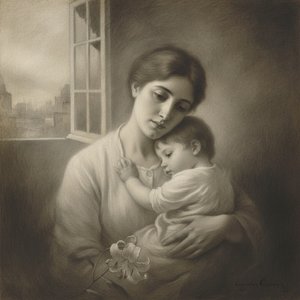
Eugène Carrière: The 'Peintre d'Âme' & Symbolist Portraiture’s Intimate Vision
Explore the haunting world of Eugène Carrière, a pivotal French Symbolist artist known for his deeply intimate portraits & 'peinture d'âme'. Discover his life, style, and lasting influence on modern masters like Picasso. Shop high-quality reproductions at TopImpressionists.

Sacred Narratives Embodied: A Comprehensive Exploration of Religious Iconography in Art History
Explore the rich history of religious iconography in art! Discover symbolism, movements & masterpieces from Byzantine to Renaissance periods. Expert insights for collectors and enthusiasts at TopImpressionists.

Charles Le Brun: Master of French Baroque Classicism & His Enduring Legacy
Explore the life & art of Charles Le Brun, master of French Baroque Classicism. Discover his royal commissions, influence on Versailles, and enduring legacy through detailed analysis & stunning artworks.