

 Peržiūrėti realaus dydžio版
 Pasidalinti
 Dalintis
 Išsamiau
 Vadovas

 Atsisiųsti
 Panašūs eksponatai
 Rentgeno spindulių nuotrauka
 Automatinė diorama
 Q&A
Q&A Statistika
Siesta


Polo Gogenio „Iš kur mes ateiname? Kas mes? Kur mes einame?“ – svarbus simbolizmo kūrinys. Tahiti laikotarpiu sukurtas darbas demonstruoja inovatyvų spalvų ir formų derinį, sujungiant impresionizmą bei primitivizmo techniką.
 Skaityti daugiau
Paul Gauguin: Revoliucioninis Pošto impresionizmo dailininkas, žinomas dėl ryškios spalvos, egzotiškų temų ir simbolistinių motyvų. Išvishė savo kelionę finansams į meno legendą.
Giclée / Meno spausdinimas
Muziejų lygio „giclée“ arba drobos spausdinimas: greita gamyba ir lankstios apdailos parinktys. ( Pirkti rankų darbo tapybą Perejti prie skaitmeninių vaizdų)




P118B €10

P118H €10

P118W €10

P438Z €10

P508JH €12

P508YH €12

P805H €10

P805Z €10

P919BZ €10

P919G €10

P919XJ €10

P959ZH €10

P968JZ €12

W106C €8

W218G €10

W218JH €8

W218Y €10

W307PJ €10

W316G €10

W316PJ €8

W316Y €10

W398PJ €8

W4111J €10

W500HY €15

W500JH €15

W692G €12

W849H €8

W940BG €15

W953PJ €8




Standartinis dydis
pagal užsakymą
CM
INCH
Pasirinkite iš mūsų nustatytų dydžių, atitinkančių originalaus meno kūrinio proporcijas.
Loading sizes...

plotis
aukštis
Įveskite jums reikiamą plotį ir aukštį, kad atvaizdas derėtų prie jūsų rėmo ar sienos. Spausdiną galima tik sumažinti, bet nepadidinti virš originalaus paveikslėlio dydžio, todėl keičiant proporcijas, dalis vaizdo prarandama. Prieš spausdinimą atsiųsime jums skaitmeninį maketą patvirtinimui. Šioje puslapio nuotraukoje matomas pjūvis nėra tikslus – jį rodo tik maketas.
Pristatymas visame pasaulyje () per 2 weeks, o ne įprastas 4/5 savaičių laikotarpis. (1 lapkritis)

Nemokamas greitasis pristatymas visame pasaulyje

Aukštos kokybės lininis drobė

Pilnas siuntimo draudimas

Muitinės mokesčių grąžinimo garantija

Tikro spalvų atitikimo garantija

100 dienų grąžinimo politika (tik esant įtaigoms)

100% pinigų grąžinimo garantija

Nuolaida dideliems užsakymams
 Stiklo variantas prieinamas tik pasirinkus dydį iki 110 cm

Siesta
Giclée / Meno spausdinimas
Reprodukcijos matmenys
-


Bendroji kaina
€ 61
Paul Gauguin's "Where Do We Come From? What Are We? Where Are We Going?" - A Masterpiece of Synthesized Symbolism
The Subject and Historical Context: A Philosophical Inquiry in Paint
Paul Gauguin’s monumental canvas, “Where Do We Come From? What Are We? Where Are We Going?” (1897-1898), stands as a profound philosophical inquiry rendered in paint. Created during a period of intense personal and artistic exploration, the work reflects Gauguin's fascination with Polynesian culture and his desire to synthesize Western artistic traditions with non-Western spiritual beliefs. Having relocated to Tahiti in 1891, seeking refuge from European societal constraints and artistic conventions, Gauguin immersed himself in the island’s vibrant landscape and indigenous customs. This relocation profoundly influenced his artistic vision, leading him to embrace a more expressive and symbolic style.
The painting's genesis was spurred by a conversation with art dealer Daniel-Henri Kahnweiler, who challenged Gauguin to create a work that would encapsulate the essence of human existence. The resulting canvas is not a literal depiction of Polynesian life but rather a complex allegorical representation of humanity’s journey through time and space.
Style and Technique: Synthesizing Impressionism, Symbolism, and Primitivism
Gauguin's artistic style in this painting is a remarkable synthesis of Impressionistic color palettes, Symbolist allegorical themes, and Primitivist expressive techniques. While initially influenced by Impressionism’s emphasis on capturing fleeting moments of light and atmosphere, Gauguin gradually moved towards a more subjective and symbolic approach to art. He rejected the Impressionists' focus on objective observation in favor of conveying emotional states and spiritual truths.
The painting is characterized by its flattened perspective, bold color contrasts, and simplified forms. Gauguin employed a technique known as “cloisonnism,” which involves outlining shapes with dark, flat lines, reminiscent of stained-glass windows or medieval illuminated manuscripts. This technique further enhances the painting’s symbolic quality, creating a sense of otherworldliness and timelessness.
Symbolism and Interpretation: A Tapestry of Human Existence
The composition is divided into three distinct sections, each representing a stage in human existence. The left-hand section depicts the birth of humanity, with figures emerging from the earth, symbolizing our connection to nature and ancestral origins. The central section portrays the peak of human life, with a group of individuals engaged in various activities, reflecting the complexities and contradictions of human experience. The right-hand section represents death and the afterlife, with figures receding into the distance, suggesting the cyclical nature of existence.
The central figure, a woman holding a child, is often interpreted as representing Eve or Mother Earth, symbolizing fertility and maternal love. The presence of Polynesian figures alongside Westernized individuals underscores Gauguin’s desire to bridge cultural divides and explore universal themes of human existence. The painting's title itself—"Where Do We Come From? What Are We? Where Are We Going?"—is a direct quote from the Book of Ecclesiastes, further emphasizing its philosophical nature.
Emotional Impact: A Meditation on Mortality and Meaning
“Where Do We Come From? What Are We? Where Are We Going?” evokes a profound sense of contemplation and introspection. The painting’s somber color palette, flattened perspective, and symbolic imagery create an atmosphere of mystery and timelessness. It invites viewers to reflect on the fundamental questions of human existence—our origins, our purpose, and our ultimate fate.
The work's enduring appeal lies in its ability to resonate with audiences across cultures and generations. It is a testament to Gauguin’s artistic genius and his profound understanding of the human condition. The painting serves as a powerful meditation on mortality, meaning, and the search for spiritual truth.
Klausimai ir atsakymai
Kokio dydžio „Siesta“ spausdinimas tiktų mano kambariui?
Rekomenduojamas derinimas kūriniui „Siesta“ – Eugenas Henri Paulas Gauginas: Vidutinis dydis dydžio spausdinimas, skirtas Viešbučio svetainė.
Kokia buvo Eugenas Henri Paulas Gauginas amžius sukuriant „Siesta“?
Eugenas Henri Paulas Gauginas buvo 43 metų, kai 1891 m. sukūrė kūrinį „Siesta“. Amžius apskaičiuotas remiantis gimimo metais 1848.
Ar galiu pamatyti „Siesta“ – Eugenas Henri Paulas Gauginas rentgeno nuotrauką?
Darbino „Siesta“ – Eugenas Henri Paulas Gauginas puslapio Rentgeninis vaizdas veją yra interaktyvus naršyklė, leidžiantis peržiūrėti vienu metu vieną iš vienylika optinių vaizdo sluoksnių, įskaitant rentgeno tipo vaizdą.
panašūs kūriniai


Autoriaus biografija
Drąvingais traukais gyvenimas: Pauliaus Gauguino pasaulis
Eugène Henri Paul Gauguin – vardas, kuris skamba ryškia spalva ir sukilusi dviešėlia, yra esminė figūra pereinant nuo impresionizmo prie moderniojo meno. 1848 metais Paryzuje gimęs dailininkas gyveno ne visai konvencionaliai. Jo vaikystę lemė neįprasta kilmė: tėvas buvo žurnalistas, o motina kilus iš Peru aristokratijos – jos sengrandė, Flora Tristan, buvo pionierių prieš feminizmą ir socialistinę rašytoja, kurios idealai neabejotinai skambėjo šeimos viduje. Ši paveldėdė giliai įformavo Gauguino meninę viziją, įsidiegdama jį susižavėti kultūjąms už Europos ribų. Formatyvus laikotarpį Peru, praleistą vaikystėje po šeimos persikrausto 1850 metais, jis įmerpė į pasaulį, visiškai skirtingą nuo pariziškos visuomenės – tai patirtis liko jį lydėti ir galiausiai paskatino jo ieškojimus autentiškumui paveikti meną. Grįžęs į Prancūziją po tėvo mirties, Gauguin gavo oficialų išsilavinimą, tačiau jį prciąsė ne akademija, o augantis finansų pasaulis; jis pradėjo karjerą kaip akcijų brokeris – kelias, kuris iš pirmo žvilgsnio atrodė nesuderinamas su menišku jo paskutiniu laukimu.Nuo finansų iki meninio pašaukimo
Years daužius Gauguin gyveno dvigubą gyvenimą, skrupmeniškai siekdamas verslo sėkmės, tačiau slaptai puoselėdamas meilę tapui. Pradinai paveiktas impresionistų, laisvu metu jis pradėjo eksperimentuoti su spalva ir šviesa, tačiau greitai pasij 느끼 ribojimų dėl jų siekio įamžinti trumpalaikę realybės akimirką. 1882 metų finansinė krizė tapo lūžio tašku, privertusi jį palikti pelningą karjerą ir visiškai atiduoti save meniniam pašaukimui. Tai nebuvo tik profesijos pakeitimas; tai buvo fundamentalus pasaulybės suvokimo pokytis. Jis ieškojo patarimų iš Camille Pissarro, kuris skatino jo vystymąsi ir pristatė jį Paryžiaus avantgardos ratams. Tačiau Gauguin greitai pradėjo atsisvaistyti nuo impresionistinių principų, trokšdamas kažko išraišmingesnio, simboliškesnio – būdo perteikti ne tik tai, ką jis *matė*, bet ir tai, ką jis *jautė*. Šis troškimas nukreipė jį į meninę tyrinėjimą, kuris išvedė jį daleko už Paryžiaus salonų ir į „primityvinių“ kultūrų širdį. Jis nebuvo tiesiog susidomėję šių kultūrų vaizdavimu; jis siekė suaupt jų esęją, tikėdamas, kad jos sėdi grynumą, prarastą Vakarų civilizacijoje.Bretanijos ir Tahiti kvietimas
Gauguino meninė evoliucija buvo neatsiejama nuo jo kelionių. Jis praleido laiką Bretanijoje, užburintas kietų kraštlandžių ir gilių žmonių tradicijų. Šis laikotarpis atsimintinas eksperimentais su plokščiais formų, drąsiais kontūrais ir kompozicijos supaprastinimu – technika, kuri jį atstūmė nuo naturalizmo ir priartino prie simbolinio kalbos. Tačiau tik 1891 metų kelionė į Tahiti tikrai išlaisvino jo kūrybinį potencialą. Siekdamas rasti prieglobę tai, ką jis suvokė kaip duslintą Europos civilizacijos ribojimą, Gauguin tikėjosi rasti įkvėpiimą Polinezijos kultūroje, tikėdamas, kad ji siūlo grynesnį, autentiškesnį gyvenimo būdą. Tai nebuvo tik meninis siekis; tai buvo dvasinis ieškojimas. Jis pasinerė į vietinius papročius ir įsitikinimus, per savo unikalią prizmę vaizduodamas polineziečių moteris, kraštlandžius ir religines praktikas. Paveiktas Japonijos grafikos – Japonismo – ir viduramžių meno, jis sukūrė išskirtinę estetiką, pasižinčiantį ryškiomis spalvomis, egzotiška tema ir paslapties aura. Tokie ikoniški paveikslai kaip „Vahine no te miti“ (Moteris su mango), „Manao Tupapau“ (Mirusiojo dvasios stebimas) ir „Dievų diena“ iškilo būtent šiuo laikotarpiu, užtvirtindami jo reputaciją kaip vizionieriaus. Jo spalvų naudojimas tapo vis drąsesnis ir neimitausiškas, tarnydamas ne realybės atkartojimui, o emocijų ir dvasinės prasmės ištrykdymui.Palikimas ir kontroversijos
Nepaisant meninių proveržiučių, Gauguino gyvenimą dažnai lydėjo sunkumai. Jis kovojo su finansiniais iššūkiais ir sveikatos silpstančiavimu savo laiką praleidęs Tahiti ir vėliau Markizų salose, kur galiausiai ir įsikūrė. Vis dėlto jis toliau tapo labai kūrybiškas, nuolat tyrinėdamas gyvenimo, mirties ir dvasinės siela temas. Jis mirė 1903 metais Hiva Oa, nuogų saloje Markizų archipelage, didzumui neatpažintas savo genijų. Tik po jo mirties Gauguino kūriniai pradėjo gauti pagarbą, kurią jie nusipelnė. Šiandien jis yra švenčiamas kaip esminė figūra vystant modernųjį meną, užtraukiantis tiltą tarp impresionizmo ir simbolizmo bei pavediantis kelią tokiems judėjimams kaip fauvizmas. Jo spalvų naudojimas, supaprastintos formos ir simbolinė vaizdinė medžiaga giliai paveikė tokius menininkus kaip Pablo Picasso, Henri Matisse ir daugybę kitų. Tačiau Gauguin išlieka kontroversiška figūra dėl asmeninio gyvenimo aspektų – ypač santykių su jaunomis polineziečių moterimis – kurie toliau yra diskutuojami ir perinterpretuojami atsižvelgiant į šiuolaikines etikos vertybes. Nepaisant to, jo meninės įtakos neįginamos, o palikimas toliau įkvepia menininkus ir meno mėgėjus visame pasaulyje. Jis buvo tikras inovatorius, rebeliantas, kuris drąsiai iššaukė konvencijas ir sukūrė savo kelią, palikdamas kūrybinį turtą, kuris yra toks pat įtraukiantis ir paslaptingas, kaip ir pats jis.Pagrindinės įtakos ir meninės savybės
- Impresionizmas: ankstyva įtaka spalvai ir šviesai, vėliau atmetama dėl dėmesio trumpalaikei realybei.
- Japonizmas: įkvėpė plokščius perspektyvų vaizdus, drągius kontūrus ir dekoratyvius raštus.
- Viduramžių menas: paveikė simbolinę vaizdinę medžiagą ir griežto realizmo atsisakymą.
- Sintezizmas: stilius, kurį sukūrė Gauguin, pabrėžiantis meno kūrimą remiantis subjektyvia patirtimi, o ne objektyviu stebėjimu.
- Primitivizmas: susižavimas nevakarysisse kultūrose, tikėjimą, kad jos siūlo autentiškesnį ir dvasinį gyvenimo būdą. Tai atsisprendžia jo temose ir stilistiniuose pasirinkimuose.

Eugenas Henri Paulas Gauginas
1848 - 1903 , Prancūzija
Trumpa informacija
- Artistic Movement Or Style: Post-Impressionizmas, Simbolizmas
- Artists Or Movements Influenced By This Artist: ['Pablo Picasso']
- Artists Who Influenced This Artist: ['Camille Pissarro']
- Date Of Birth: 1848 metų jūnijus 7.
- Date Of Death: 1903 metų maijus 8.
- Full Name: Eugène Henri Paul Gauguin
- Nationality: Prancūzas
- Notable Artworks:
- Clearing
- Vahine no te miti
- Manao Tupapau
- Little Breton Shepherd
- Place Of Birth: Parižius, Prancūzija
Susiję straipsniai

Beyond the Light: Discovering the Soul and Emotional Depth of Post-Impressionism
Embark on a cultural journey through Post-Impressionism. Discover the profound emotional depth of masters like Van Gogh and Cézanne, exploring how they moved beyond light to capture the very soul of human experience through vibrant color and symbolic form.
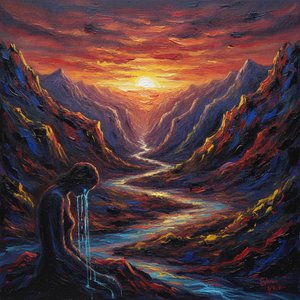
Capturing Emotion: A Journey Through the Soul of Expressionist Landscapes
Explore the profound emotional depth of Expressionist landscapes. Discover how Post-Impressionist masters moved beyond light to capture the soul through vibrant color and form. A curated journey for true art lovers seeking the beauty of expressive mastery.
Tyrinėkite meno kūrinius, suskirstytus pagal temas, stilius ir savybes.


