


 Peržiūrėti realaus dydžio版
 Siųsti
 Dalintis
 Išsamiau
 Vadovas

 Atsisiųsti
 Panašūs eksponatai
 Rentgeno spindulių nuotrauka
 Diaporama
 Statistika
Olympic Theater


A vibrant 1907 watercolour capturing the electric energy of a live stage performance by Ashcan School master Everett Shinn, inviting you to bring this captivating glimpse of early 20th-century theatre into your collection.
 Rodyti daugiau
Everett Shinn (1876-1953): „Ashcan School“ tapytojas, įamžinęs gyvybingą Niujorko gyvenimą, akinančias teatro scenas ir autentišką miesto tikrovę. Atraskite jo pasteles ir įtraukiusius urbanistinius peizažus!
Rankų darbo aliejinės reprodukcijos
Rankiniu būdu tapytas aliejus ant droblio jūsų pageidaujamame dydį ir rėmuose – mūsų menininkų darbas pagal užsakymą. ( Perjungti į spausdinimą Perejti prie skaitmeninių vaizdų)




P118B €10

P118H €10

P118W €10

P438Z €10

P508JH €12

P508YH €12

P805H €10

P805Z €10

P919BZ €10

P919G €10

P919XJ €10

P959ZH €10

P968JZ €12

W106C €8

W218G €10

W218JH €8

W218Y €10

W307PJ €10

W316G €10

W316PJ €8

W316Y €10

W398PJ €8

W4111J €10

W500HY €15

W500JH €15

W692G €12

W849H €8

W940BG €15

W953PJ €8




Standartinis
individualaus dydžio
CM
INCH
Pasirinkite iš mūsų nustatytų dydžių, atitinkančių originalaus meno kūrinio proporcijas.
Loading sizes...

plotis
aukštis
Įveskite jums reikiamą plotį ir aukštį, kad paveikslas atitiktų jūsų rėmą ar sieną. Kadangi šis darbas yra rankinio darbo, siekiant išgauti kitokio formos dydį, paveikslas gali būti šiek tiek didesnis (nuo kraštų bus palikta daugiau erdvės) arba mažesnis – pasirinkite jums patogiausią variantą. Prieš pradedant tapyti, atsiųsime jums skaitmeninį maketą patvirtinimui. Šioje puslapio nuotraukoje matomas vaizdas nėra galutinis rezultatas – jį parodys tik sukurtas maketas.
Ką galima pakeisti (pavyzdžiai): Pakeisti veidą į kliento nuotrauką; Pridėti augintinį (pvz., pakeisti katę šunimi); Įtraukti paslėptą žinutę fone; Pakeisti fono kraštovaizdį ar elementus.
Gavus užsakymą, TopImpressionists.com komanda susisieks su klientu el. paštu dėl instrukcijų ir pateiks maketo pavyzdį
Gavus užsakymą, TopImpressionists.com komanda susisieks su klientu el. paštu dėl instrukcijų ir pateiks maketo pavyzdį
Pristatymas visame pasaulyje () per 3–4 savaites, o ne įprastai – per 5 savaites. (19 spalis). Kokybė lieka nepakeičiama.

Nemokamas greitasis pristatymas visame pasaulyje

Aukštos kokybės lininis drobė

Pilnas siuntimo draudimas

Muitinės mokesčių grąžinimo garantija

Tikro spalvų atitikimo garantija

100 dienų grąžinimo politika (tik esant įtaigoms)

100% pinigų grąžinimo garantija

Nuolaida dideliems užsakymams
 Stiklo variantas prieinamas tik pasirinkus dydį iki 110 cm

Olympic Theater
Reprodukcijos technika
Reprodukcijos dydis
-


Visų pasirinktų variantų kaina
€ 234
A Glimpse Into the Glittering Past
In the heart of the early twentieth century, the pulse of urban life beat strongest within the velvet-draped confines of the theater, and no artist captured this electric atmosphere quite like Everett Shinn. His 1907 masterpiece, Olympic Theater, serves as a luminous window into a bygone era of spectacle and stagecraft. Through the delicate medium of watercolour, Shinn invites us to step away from the grit of the city streets and into the warmth of a live performance. The scene is centered upon a man on stage, poised with a hat in hand, embodying the formal elegance and theatrical flair of the period. As he presents himself to the crowd, the viewer is not merely an observer but a participant, caught in the flickering light and the shared breath of an audience held in suspense.
The technique employed in this work reveals Shinn’s profound mastery over the fluidity of watercolour. Rather than relying on heavy, opaque layers, he utilizes the transparency of the medium to create a sense of movement and ephemeral light. This allows the colors to bleed and blend with a rhythmic energy that mirrors the very essence of a theatrical production. The composition is expertly balanced, guiding the eye from the central performer toward the surrounding figures—fellow actors and captivated spectators—creating a layered depth that suggests a much larger, bustling world just beyond the frame. Every brushstroke contributes to a sense of spontaneity, as if the artist were sketching the scene in real-time, capturing the fleeting magic of a moment that would otherwise vanish into history.
The Soul of the Ashcan School
To understand Olympic Theater, one must understand Shinn’s place within the legendary Ashcan School. While many of his contemporaries focused on the darker, more somber realities of urban poverty, Shinn—often referred to as "the dandy of the realists"—found beauty in the dazzling lights of nightlife and the vibrant energy of entertainment. This painting represents a sophisticated intersection of realism and romanticism. There is an undeniable truth to the depiction of the clothing, the stage setting, and the social etiquette of 1907, yet there is also a poetic idealization of the theater as a sanctuary of joy and human connection.
For the discerning collector or interior designer, this piece offers more than just historical interest; it provides a profound emotional resonance. The artwork possesses a unique ability to breathe life into a room, injecting a sense of sophisticated nostalgia and cultural richness. Whether placed in a contemporary gallery setting or a classic study, the painting acts as a conversation piece that celebrates the enduring human desire for storytelling and spectacle. It is an invitation to appreciate the artistry of the past and to bring a fragment of the world's most enchanting stages into the modern home.
问答 (or more naturally for a website heading): Klausimai ir atsakymai
Ar galiu užsisakyti „Olympic Theater“ aliejinį reprodukciją?
„Olympic Theater“ galima įsigyti kaip rankomis dažyta aliejų reprodukcija ant lininio drobos. Užsakymą galite padaryti atskiroje Rankų darbo reprodukcija puslapio, pasirinkę tinkamą dydį.
Kokia yra „Olympic Theater“, autorius – Everetas Šinas technika ir kūrybos data?
„Olympic Theater“ sukurtas 1907 m., naudojant Watercolor.
Ar „Olympic Theater“, autorius – Everetas Šinas yra paveikslas, piešinys ar grafika?
Kataloge „Olympic Theater“, autorius – Everetas Šinas yra priskirtas kategorijai WallArt. Ši kategorija padeda rasti panašius kūrinius.
Autoriaus biografija
Ankstyvieji Metai ir Formavimasis: Everetto Shinno Kelionė
Everett Shinn, gimęs 1876 metais Woodstowne, Naujojoje Džersio valstijoje, nebuvo tik tapytojas – jis buvo besiklostančios metropolijos vizualinis poetas. Jis užfiksavo ankstyvosios XX amžiaus Amerikos žalią energiją, ryškų spektaklį ir dažnai slypinčią kietumą su tokiu tiesmumu, kuris jį išskyrė. Nuo pradžios kaip laikraščio iliustratoriaus iki svarbios vietos „Ashcan School“ judėjime, Shinno artistinė kelionė atspindi įsipareigojimą vaizduoti gyvenimą tokį, koks jis buvo – neapdorotą, įtraukiantį ir tikrą. Menų istorikas Sam Hunter meiliai pavadino jį „realistų dandy“, pravardžiavimas atspindintis tiek jo rafinuotą estetiką, tiek jo pomėgį miesto malonumams. Ankstyvieji mokymai Spring Garden Institute ir vėliau Pensilvanijos meno akademijoje Filadelfijoje suteikė tvirtą pagrindą, tačiau darbas kaip menininkas-reporteris Filadelfijos laikraščiuose – *Press*, *Inquirer* ir *Ledger* – išties lavino jo stebėjimo įgūdžius. Ši patirtis jam įskiepijo susižavėjimą miesto gyvenimu ir gebėjimą užfiksuoti trumpalaikius momentus prieš tai, kai jie dingtų.Iš Filadelfijos Gatvių Į Niujorko Scenas
Perėjimas į Niujorko miestą 1897 metais buvo lūžio taškas. Shinn greitai rado darbą kaip iliustratorius, bendradarbiaudamas su leidiniais, tokiais kaip *Harper’s Weekly*, tačiau auganti draugystė su kitais menininkais – George Luks, John Sloan, William J. Glackens ir Robert Henri – išties formavo jo artistinę kryptį. Šie ryšiai jį atvedė į „Ashcan School“ širdį – grupę, dedikuotą miesto egzistencijos kasdienybei vaizduoti, dažnai sutelkiant dėmesį į scenas, kurių ignoravo tradiciškesni meno ratai. Nors daugelis jo bendraamžių pasirinko aliejinius dažus, Shinn išsiskyrė meistrišku pastelių naudojimu – priemone, leidusia unikalią spontaniškumo ir subtilios detalės kombinaciją. Jis ypač įkvėpimo semdavosi miesto teatruose, sužavėtas jų apakinti šviesos, spalvos ir pasirodymų. Darbai, tokie kaip „Olympic Theater“ ir „Revue“, yra ne tik pramogų vaizdai; tai ryškūs žmogaus sąveikos tyrimai, užfiksuojantys nakties išėjimo energiją ir susijaudinimą mieste. Teatrinis pasaulis Shinno siūlė sceną tyrinėti iliuzijos, spektaklio temoms ir sudėtingiems santykiams tarp atlikėjo ir auditorijos. Jis ne tik įrašinėjo tai, ką matė; jis interpretavo tai dramatišku stiliumi ir psichologiniu įžvalgumu.„Ashcan School“ Ir Toliau
Shinno asociacija su „Ashcan School“ buvo labai svarbi jo artistinei plėtrai, iššūkiu metant akademiniams standartams ir atsisakant idealizuotų vaizdų miesto gyvenimo sąžiningo pavaizdavimo naudai – jos skurdo, gyvybingumo, kovos ir džiaugsmo. Jų darbai dažnai sutelkdavo dėmesį į darbininkų klasių kaimynynes, barus ir šokių sales, temas, anksčiau laikytas netinkamomis rimtam meniniam dėmesiui. Shinno dalyvavimas istoriniame parodoje „The Eight“ 1908 metais sustiprino jo padėtį šiame judėjime, nors jis visada išlaikė šiek tiek rafinuotesnę estetiką nei kai kurie kolegos. Jis nesikoncentravo vien į socialinius komentarus; jį lygiai taip pat domino modernaus gyvenimo spektaklis ir žavesys. Jo universalumas apėmė ne tik tapybą, kaip parodė jo sienos paveikslai privatiems namams ir viešosioms erdvėms, įskaitant tuos Stuyvesanto teatre ir Plaza Hotelyje. Net ir toliau evoliucionuojant jo darbui už griežtų „Ashcan School“ kanonų ribų, realizmo įsipareigojimas ir aštrus žmogaus elgesio stebėjimas išliko pagrindiniu jo artistinės vizijos elementu. Jis tęsė miesto gyvenimo temas tyrinėdamas, tačiau didesnį dėmesį skirdamas jo blizgesiui ir teatrališkumui.Gyvenimas Pažymėtas Aistra Ir Nerimu
Everetto Shinno asmeninis gyvenimas buvo toks pat dinamiškas ir sudėtingas kaip scenos, kurias jis vaizdavo savo darbuose. Jis išgyveno kelis santuokų periodus – keturis iš viso – ir turėjo reputaciją mėgstantis miesto gyvenimo malonumus, prisidedant prie jo „dandy“ įvaizdžio. Šie asmeniniai iššūkiai dažnai susidurdavo su jo artistiniais siekiais, paveikdami jo temų pasirinkimą ir pridedant emocinio gylio jo darbams. Nepaisant finansinių sunkumų laikotarpių, ypač per Didžiąją depresiją, Shinn tęsė tapybą ir eksponavo savo darbus, sulaukęs pripažinimo iš tokių institucijų kaip Nacionalinė dizaino akademija ir Amerikos meno ir literatūros akademija vėliau jo karjeroje. Jis mirė 1953 metais, palikdamas paveldo, kuris ir šiandien rezonuoja su publika. Jo gyvenimas buvo įrodymas artistinės vizijos galiai ir nuolatinis miesto patirties užfiksavimo patrauklumas net ir asmeninių sunkumų bei visuomenės pokyčių viduryje.Pastovus Palikimas
Everetto Shinno įtaka Amerikos menui išlieka reikšminga.- Įtaka Amerikos realizmui: Shinno darbai labai prisidėjo prie Amerikos realizmo plėtros, praversdami kelią ateities kartoms menininkų, siekusių vaizduoti kasdienį gyvenimą sąžiningai ir autentiškai.
- Užfiksuojant Momentą Laike: Jo paveikslai ir pastelės suteikia vertingų įžvalgų apie ankstyvosios XX amžiaus Amerikos socialinį ir kultūrinį kraštovaizdį, teikiant vizualų greitai besikeičiančio pasaulio įrašą.
- Meistriška Technika: Shinno novatoriškas pastelių naudojimas kaip smulkiosios meno priemonės išplėtė šios dažnai nepakankamai vertinamos technikos galimybes.
- Teatrališkumas Ir Spektaklis: Jo teatrinių scenų vaizdai yra ne tik pramogų reprezentacijos; tai žmogaus psichologijos, socialinės dinamikos ir iliuzijų žavesio tyrimai.

Everetas Šinas
1876 - 1953
Trumpa informacija apie kūrėją
- Gimimo Data: 1876
- Gimimo Vieta: Woodstown, JAV
- Meninis Stilius: Ashcan School, realizmas
- Meno Judėjimų Įtaka: ['Amerikietiškasis realizmas']
- Mirties Data: 1953
- Pilietybė: Amerikietis
- Pilnas Vardas: Everett Shinn
- Žymiausi Darbai:
- Olympic Theater
- Revue
- London Music Hall
Susiję straipsniai

The Unvarnished Truth: A Cultural Journey Through the Soul of American Realism
Explore the profound beauty of American Realism. From the Ashcan School's urban grit to intimate portraits, discover how artists captured the authentic soul of a nation through unvarnished truth and masterful observation.
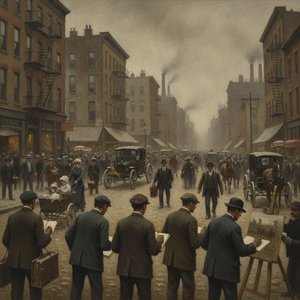
The Ashcan School: Capturing the Raw, Unfiltered Soul of Urban Life through American Realism
Discover the raw beauty of the Ashcan School. Explore how masters like Bellows and Henri captured the gritty, vibrant soul of early 20th-century New York through profound American Realism and evocative urban landscapes.

Capturing Forever: How Live-Painted Wedding Art Creates Unforgettable Keepsakes for Your Guests
Discover how live-painted wedding art elevates luxury celebrations. Learn to integrate bespoke fine art into your event design to create timeless, hand-painted heirlooms that captivate guests and transform fleeting moments into lasting masterpieces.

Capturing the Light: A Journey Through the Soul of American Impressionism and the Hudson River School
Explore the luminous beauty of American Impressionism and the Hudson River School. Discover a curated journey through light, landscape, and history, celebrating the enduring legacy of masters through exquisite, hand-painted oil reproductions for the discerning art lover.