

Paveikslėlyje: · Su rėmu:
 Peržiūrėti realaus dydžio版
 Pasidalinti
 Dalintis
 Išsamiau
 Vadovas

 Atsisiųsti
 Panašūs eksponatai
 Rentgeno spindulių nuotrauka
 Automatinė diorama
 问答
问答 Statistika
- 81.0 x 65.0 cm


€ 352
Rankų darbo aliejinės reprodukcijos
Rankiniu būdu tapytas aliejus ant droblio jūsų pageidaujamame dydį ir rėmuose – tai mūsų menininkų pagal užsakymą sukurtas darbas. ( Perjungti į spausdinamus版作品 Perejti prie skaitmeninių vaizdų)
Dydis
·Standartinis dydis
pagal užsakymą
CM
INCH
Pasirinkite iš mūsų nustatytų dydžių, atitinkančių originalaus meno kūrinio proporcijas.
Kraunami dydžiai...

plotis
aukštis
Įveskite jums reikiamą plotį ir aukštį, kad paveikslas atitiktų jūsų rėmą ar sieną. Kadangi šis darbas yra rankinio darbo, siekiant išgauti kitokios formos dydį, paveikslas gali būti šiek tiek didesnis (nuo kraštų bus palikta daugiau erdvės) arba mažesnis – pasirinkite jums patogiausią variantą. Prieš pradedant tapyti, atsiųsime jums skaitmeninį maketą patvirtinimui. Šioje puslapio nuotraukoje matomas vaizdas nėra galutinis rezultatas – jį parodys tik sukurtas maketas.
 Skaityti daugiau
Baigiamasis etapas
·
Baltas apasutojimas €1

Išblėstantis šonas €1

Išplėstinis €1

P118B €10

P118H €10

P118W €10

P438Z €10

P508JH €12

P508YH €12

P805H €10

P805Z €10

P919BZ €10

P919G €10

P919XJ €10

P959ZH €10

P968JZ €12

W106C €8

W218G €10

W218JH €8

W218Y €10

W307PJ €10

W316G €10

W316PJ €8

W316Y €10

W398PJ €8

W4111J €10

W500HY €15

W500JH €15

W692G €12

W849H €8

W940BG €15

W953PJ €8

H24-GOLD €30

H24-SILVER €30

H36-GOLD €45

H36-SILVER €45
Siunčiama saugiame vamzdelyje, paruošta patys sukomentuoti jūsų rėmeliais.
Virš 105 cm rėmas siunčiamas kaip rinkinys profesionaliam rėmininkui — skaitykite detales.
Papildomos paslaugos
nebūtinaKą apima papildomos paslaugos?
Pavyzdžiai, ką galima pakeisti: pakeisti veidą nuotrauka su klientu; pridėti augintinį (pvz., pakeisti kucingą šuniu); įtraukti paslaptingą žinutę fone; pakeisti fono kraštotvę ar elementus.
Gavus užsakymą, TopImpressionists.com komanda susisieks su klientu el. paštu dėl nurodymų ir pateiks preliminarią maketą.
Gavus užsakymą, TopImpressionists.com komanda susisieks su klientu el. paštu dėl nurodymų ir pateiks preliminarią maketą.
Pristatymas visame pasaulyje () per 3–4 savaites, o ne įprastai – per 5 savaites. (8 lapkritis). Kokybė lieka nepakeičiama.
Apsauginis lakas
Pavadinimo lentelė
Išgraviruotos bronzinės plokštelės detalės
This elegant plaque features the artist's name and the title of the artwork, finely engraved for a timeless presentation.
It is made from bronze with a refined, elegant finish. The text is precisely laser-engraved for a sharp and permanent result. Measuring 9x2 cm, the plaque is compact yet easy to read. It's built to be durable and scratch-resistant, offering a professional, museum-quality look. Mounting is simple thanks to the included adhesive backing.
Skaidrios akrilo plokštelės informacija
The plaque includes essential engraved details such as the artist's name, the title of the artwork, the date it was created, the type of media used-like oil on canvas or watercolor-a brief description of the piece, and a QR code that links to the complete artwork information.
It is crafted from clear acrylic, offering a sleek, modern appearance. The text is UV-engraved in black to ensure strong visual contrast. With a size of 10x15 cm, it ensures optimal readability. It comes equipped with two metal hooks for secure wall mounting. The plaque is designed to be weather-resistant, making it suitable for various environments, and it includes interactive features that work seamlessly with smartphone scanning.
Juodos akrilo plokštelės informacija
This elegant plaque includes engraved information such as the artist's name, the title of the artwork, the date it was created, the type of media used (like oil on canvas or watercolor), a short description of the artwork, and a QR code for quick access to more information.
The plaque itself is made from refined black acrylic with a premium finish. The text is laser-engraved in white for high contrast and readability. Its size is 10x15 cm, designed to be easy to read. It comes with two metal hooks for professional mounting. The design is sleek and fits any interior style. It is also weather-resistant and durable, with built-in digital integration for mobile compatibility.
Stiklo variantas prieinamas tik pasirinkus dydį iki 110 cm
 Stiklo variantas prieinamas tik pasirinkus dydį iki 110 cm
- Nemokamas greitasis pristatymas visame pasaulyje
- Aukštos kokybės lininis drobė
- Pilnas siuntimo draudimas
- Muitinės mokesčių grąžinimo garantija
- Tikro spalvų atitikimo garantija
- 100 dienų grąžinimo politika (tik esant įtaigoms)
- 100% pinigų grąžinimo garantija
- Nuolaida dideliems užsakymams


Kolekcinio objekto aprašas
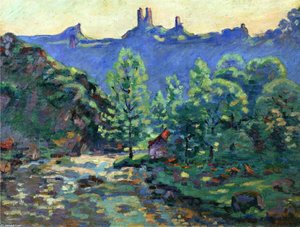
This stunning oil painting depicts a bustling river landscape from 1890, skillfully executed by Ferdinand Guillaumin. Impasto technique creates textural depth, reflecting shimmering sunlight on the water's surface and conveying a tranquil mood amidst industrial activity.
Autoriaus biografija
Atraskite Ferdinand Guillaumin, prancūzų impresionistą, žinomą dėl svajingų peizažų ir ryškių spalvų. Tyrinėkite jo simbolistinį stilių bei palikimą kartu su Monet. Impresionizmo meno kūrinių meistras.
Apie paveisdelį
River Scene – A Window Into Impressionistic Vision
“River Scene,” painted by Ferdinand Guillaumin in 1890, stands as a quintessential example of Impressionism’s fascination with capturing fleeting moments and sensory impressions. More than just a depiction of a riverside landscape, it's an invitation to experience the atmosphere of a bygone era—a testament to Guillaumin’s ability to distill the essence of light and color into a single canvas.
Subject Matter & Composition
The artwork portrays a bustling waterway dominated by several boats – barges laden with cargo, smaller vessels navigating calmer stretches – reflecting the industrial growth occurring in France during the late 19th century. Guillaumin skillfully employs horizontal lines to emphasize the expansive space of the river and horizon, creating a visual rhythm that draws the viewer’s eye across the composition. The arrangement of boats contributes to this sense of movement and dynamism.
Style & Technique – Impasto and Atmospheric Light
Guillaumin's distinctive style is characterized by “impasto,” where thick layers of paint are applied directly onto the canvas, creating a palpable textural surface that captures the shimmering effect of sunlight on the water’s surface. Short, broken brushstrokes dominate the technique, mirroring the fragmented nature of perception itself—a hallmark of Impressionism’s rejection of academic realism.
Color Palette & Symbolism
The color palette leans heavily towards blues and greens – reflecting the dominant hues of the river environment – punctuated by yellows and browns that add warmth and depth. Guillaumin utilizes a muted tonal range, prioritizing atmospheric light over precise representation. The boats themselves could symbolize progress, trade, or perhaps even the passage of time, subtly enriching the artwork’s narrative.
Historical Context & Artistic Legacy
Painted during the height of Impressionism's influence, “River Scene” aligns perfectly with the movement’s core principles—a deliberate departure from traditional artistic conventions. Its inclusion in exhibitions alongside Claude Monet solidified Guillaumin’s place within the canon of Impressionist art. Today, reproductions of this evocative piece continue to inspire collectors and interior designers seeking a connection to the beauty and immediacy of nature.
Additional Research
Further exploration into Ferdinand Guillaumin's artistic career reveals his membership in the Société Nautique de Marne, where he championed the depiction of maritime subjects. His work at the Musée d’Art Moderne de Paris alongside Monet exemplifies the collaborative spirit that propelled Impressionism forward.
Klausimai ir atsakymai
Ar Ferdinandas Guijomenas kūrinys „River Scene“ yra viešosios nuoslegos ir kodėl?
„River Scene“, kurį sukūrė Ferdinandas Guijomenas, yra yra viešosios erdvės dalis – jo autorinė teisė pasibaigusi. Autorinės teisės apsaugos terminai skaičiuojami nuo autoriaus mirties, o Ferdinandas Guijomenas mirė 1927 m.
Kokia spalvų intensyvumas pasižymi „River Scene“ – Ferdinandas Guijomenas?
„River Scene“ – Ferdinandas Guijomenas spalvų nasyginimas yra Muted. Nasyginimas apibūdina, kokių spalvos yra ryškių arba išblukusių.
Iš ko ir kokiu stiliumi sukurta „River Scene“?
Kūrybinėje darbe „River Scene“ Oil On Canvas technika susilieja su Impressionism kryptimi.
Trumpos faktinės datos ir meno viktorina
Apie Ferdinandas Guijomenas

Ferdinandas Guijomenas
1841 - 1927, Prancūzija
Autoriaus biografija
Ankstyvas gyvenimas ir karjeros pradžia
Ferdinandas Guillaumin, prancūzų impresionistų tapytojas ir litografas, gimė 1841 metų vasario 16 dieną Paryžiuje. Jo meninis kelias prasidėjo XIX amžiaus viduryje, kai Prancūzijoje įsibėgėjo impresionizmo judėjimas. Nors Guillaumin nebuvo vienas iš pirmųjų šio stiliaus pradininkų, jis greitai tapo svarbiu jo dalyviu, prisidėdamas prie naujų vizualios kalbos kūrimo ir populiarinimo.
Indėlis į impresionizmą
Guillaumin’s darbai turėjo reikšmingos įtakos impresionizmo plėtrai – judėjimas, siekusiame užfiksuoti trumpalaikius šviesos ir spalvos įspūdžius gamtos pasaulyje. Kaip aktyvus šios grupės narys, jis dalyvavo keliose parodose, demonstruodamas savo unikalų stilių. Jo paveikslai dažnai vaizdavo svajingus, minkštus peizažus, kurie atspindėjo impresionizmo dvasią. Guillaumin’s spalvų naudojimas ir laisvas teptuko braižas papildė judėjimo būdingą spontaniškumą.
Meninis brendimas ir įtakos
Guillaumin nebuvo izoliuotas menininkas; jo kūrybai didelę įtaką darė bendravimas su kitais impresionistais. Ypač artimi ryšiai susiklostė su Claude Monet, su kuriuo abu dažnai eksponavo savo darbus kartu. Tačiau Guillaumin’s meninis horizontas neapsiribojo vien impresionizmu. Jo kūriniuose galima aptikti simbolizmo įtakų – judėjimo, pabrėžusio sapnų ir mistikos pasaulį. Tai pasireiškia ryškiomis spalvomis ir emocingais motyvais.
Svarbiausi darbai ir asociacijos
Nors Guillaumin’s vardas galbūt nėra toks žinomas kaip Monet ar Renoir, jo kūryba yra vertinga impresionizmo paveldo dalis. Mount Holyoke College Art Museum, kuriame saugoma įspūdinga meno kolekcija, įskaitant Guillaumin’s darbus, yra svarbi institucija, prisidėjusi prie jo palikimo išsaugojimo. Jo paveikslai dažnai atspindi ramius kaimo peizažus, kuriuose šviesa ir spalva susilieja į harmoningą visumą. Guillaumin’s tapyba – tai subtilus gamtos grožio ir emocijų pasaulis.
Palikimas ir atmintis
Ferdinandas Guillaumin mirė 1927 metų birželio 26 dieną, tačiau jo indėlis į impresionizmą išlieka neįkainojamas. Jo darbai galima rasti įvairiuose muziejuose ir kolekcijose, įskaitant Mount Holyoke College Art Museum (Jungtinės Valstijos). Guillaumin’s kūryba primena apie impresionizmo judėjimo grožį, spontaniškumą ir šviesos magiją. Jo paveikslai kviečia mus sustoti ir įvertinti gamtos grožį bei emocijų gilumą.
Trumpa informacija apie Ferdinandas Guijomenas
- Gimimo Data: 1841 vasario 16 d.
- Gimimo Vieta: Paryžius, Prancūzija
- Meninis Stilius: Impresionizmas
- Mirties Data: 1927 birželio 26 d.
- Pilnas Vardas: Jean Baptiste Armand Guillaumin
- Tautybė: Prancūzas
- Turėjo Įtakos:
- Vincent van Gogh
- Paul Cézanne
- Camille Pissarro
- Įtakojo: ['Claude Monet']
- Žymiausi Darbai:
- Sodas Janville'e birželį
- Upės vaizdas
- Puy de Dôme vaizdas
panašūs kūriniai




Ferdinandas Guijomenas
River Scene
() ·
Su rėmu: · Rankiniu būdu tapyta aliejumi ant lineno
Viso suma