


 Peržiūrėti realaus dydžio版
 Pasidalinti
 Dalintis
 Išsamiau
 Vadovas

 Atsisiųsti
 Panašūs eksponatai
 Rentgeno spindulių nuotrauka
 Automatinė diorama
 Q&A
Q&A Statistika
Installation view, Dresses, CINEMA section


Experience Fernanda Gattinoni's 'Installation view, Dresses, CINEMA section' – a captivating photographic display of mannequins showcasing elegant dresses from 1951. A minimalist masterpiece celebrating Italian couture and Hollywood glamour.
 Skaityti daugiau
Discover Fernanda Gattinoni, the Italian fashion icon known for elegant minimalism & exquisite embroidery. Explore her designs for stars like Audrey Hepburn & legacy in Italian couture. #fashiondesign #italianstyle #vintagefashion
Šiame puslapyje rodomas meno kūrinys yra saugomas autorių teisių įstatymais, todėl neturime teisės legaliai kurti ar parduoti jo identiškos reprodukcijos. Ši apsauga užtikrinama remiantis tokiais tarptautiniais susitarimais kaip Bernės konvencija ir pagal nacionalines įstatymų nuostatas, įskaitant tas, kurias nurodo JAV autoriškos teisės įstatymas – 17-asis skyrius.
Šis metodas visiškai atitinka autorių teises, nes jame nėra saugomo kūrinio kopijavimo ar dubliavimo. Tai yra kūrybinė reinterpretacija – naujas paveikslas, kurį įkvėpė originalas, tačiau kuris nėra jo identiškas.
Giclée / Meno spausdinimas
Muziejų lygio „giclée“ arba drobos spausdinimas: greita gamyba ir lankstios apdailos parinktys. ( Pirkti rankų darbo tapybą Perejti prie skaitmeninių vaizdų)




P118B €10

P118H €10

P118W €10

P438Z €10

P508JH €12

P508YH €12

P805H €10

P805Z €10

P919BZ €10

P919G €10

P919XJ €10

P959ZH €10

P968JZ €12

W106C €8

W218G €10

W218JH €8

W218Y €10

W307PJ €10

W316G €10

W316PJ €8

W316Y €10

W398PJ €8

W4111J €10

W500HY €15

W500JH €15

W692G €12

W849H €8

W940BG €15

W953PJ €8




Standartinis dydis
pagal užsakymą
CM
INCH
Pasirinkite iš mūsų nustatytų dydžių, atitinkančių originalaus meno kūrinio proporcijas.
Loading sizes...

plotis
aukštis
Įveskite jums reikiamą plotį ir aukštį, kad atvaizdas derėtų prie jūsų rėmo ar sienos. Spausdiną galima tik sumažinti, bet nepadidinti virš originalaus paveikslėlio dydžio, todėl keičiant proporcijas, dalis vaizdo prarandama. Prieš spausdinimą atsiųsime jums skaitmeninį maketą patvirtinimui. Šioje puslapio nuotraukoje matomas pjūvis nėra tikslus – jį rodo tik maketas.
Pristatymas visame pasaulyje () per 2 weeks, o ne įprastas 4/5 savaičių laikotarpis. (29 spalis)

Nemokamas greitasis pristatymas visame pasaulyje

Aukštos kokybės lininis drobė

Pilnas siuntimo draudimas

Muitinės mokesčių grąžinimo garantija

Tikro spalvų atitikimo garantija

100 dienų grąžinimo politika (tik esant įtaigoms)

100% pinigų grąžinimo garantija

Nuolaida dideliems užsakymams
 Stiklo variantas prieinamas tik pasirinkus dydį iki 110 cm

Installation view, Dresses, CINEMA section
Giclée / Meno spausdinimas
Reprodukcijos matmenys
-


Bendroji kaina
€ 61
A Whisper of Elegance: Fernanda Gattinoni’s Cinematic Vision
The photograph captures a moment frozen in time – an installation view within a store or museum setting dedicated to the glamour and artistry of cinema. Mannequins, draped in exquisite gowns, stand as silent witnesses to a bygone era of Hollywood elegance. This isn't merely a display of clothing; it’s a carefully constructed tableau vivant, a testament to Fernanda Gattinoni’s singular approach to design: an unwavering commitment to understated sophistication and the transformative power of embroidery.
The scene immediately evokes a sense of timelessness. The dresses themselves are a study in restrained luxury – rich fabrics like moiré silk, velvet, and satin mingle with delicate lace and intricate beadwork. Each garment speaks to a specific mood or character, hinting at the stories they might tell on screen. Notice the subtle variations in style; some pieces lean towards classic silhouettes, while others embrace more fluid, almost ethereal forms. The inclusion of a coat amongst the mannequins adds another layer of visual interest, suggesting a broader narrative – perhaps a glamorous evening out, a dramatic entrance, or a quiet moment of reflection.
The Minimalist Muse: Fernanda Gattinoni’s Artistic Philosophy
Fernanda Gattinoni (1906-2002) was more than just a fashion designer; she was a meticulous craftsman and a staunch advocate for the enduring beauty of simplicity. Born in Novara, Italy, her early exposure to European avant-garde movements – particularly Surrealism and Cubism – profoundly shaped her aesthetic sensibilities. These influences manifested not through overt ornamentation but through an appreciation for geometric forms, unconventional textures, and a deliberate rejection of excess. Her atelier became renowned for its dedication to detail, with each garment painstakingly crafted by hand, often employing hundreds of hours of meticulous embroidery.
Gattinoni’s philosophy was rooted in the belief that true elegance resided not in flashy displays but in the subtle refinement of form and texture. She famously eschewed revealing clothing, arguing that “Nakedness is not stylish.” Instead, she sought to create garments that enhanced a woman's natural beauty through delicate embellishments – a whisper of lace, a strategically placed bead, or an intricate embroidered motif. This approach aligned perfectly with the mood of Italian cinema in the mid-20th century, where understated glamour and sophisticated storytelling were highly valued.
A Legacy Woven in Silk: The Influence of Cinema
Gattinoni’s collaboration with the world of film was pivotal to her career. Her designs graced the wardrobes of iconic actresses like Audrey Hepburn, Ingrid Bergman, and Gina Lollobrigida, elevating their performances through carefully considered attire. The photograph itself offers a glimpse into this world – a direct reference to the “Installation view, Dresses, CINEMA section” exhibition, highlighting Gattinoni’s contribution to the visual language of Hollywood. The choice of mannequins dressed in these exquisite gowns speaks volumes about her understanding of how clothing can shape perception and contribute to the overall narrative of a film.
Her work for “War and Peace,” in particular, is celebrated for its revival of the Empire silhouette – a bold move that demonstrated Gattinoni’s willingness to challenge conventional fashion norms. This commitment to innovation, combined with her unwavering dedication to craftsmanship, cemented her legacy as one of Italy's most influential couturiers.
A Timeless Reproduction: Bringing Gattinoni’s Vision to Life
TopImpressionists offers high-quality reproductions of this captivating image, allowing you to bring Fernanda Gattinoni’s cinematic vision into your home or office. Each print is meticulously crafted using archival inks on premium canvas, ensuring that the delicate details and subtle nuances of the original photograph are faithfully reproduced. Whether you're an art collector, a design enthusiast, or simply someone who appreciates timeless elegance, this reproduction offers a beautiful tribute to a remarkable designer and her enduring legacy.
Klausimai ir atsakymai
Kokia „Installation view, Dresses, CINEMA section“ vieta ir populiarumas Cubism veikloje?
Kataloge kūrinys „Installation view, Dresses, CINEMA section“ vertinamas kaip Recognized tarp Cubism stiliaus darbų.
Kokią nuotaiką „Installation view, Dresses, CINEMA section“ – Fernanda Gattinoni suteikia interjerui?
Savo Elegant nuotaika „Installation view, Dresses, CINEMA section“ siūloma Living Room erdvei.
Kokia naudojimo paskirtis ir erdvė rekomenduojama kūriniam darbui „Installation view, Dresses, CINEMA section“ – Fernanda Gattinoni?
„Installation view, Dresses, CINEMA section“ – Fernanda Gattinoni rekomenduojamas Statement, idealiai – Living Room erdvėje. Naudojimo paskirtis ir erdvė padeda suprasti, kur ši reprodukcija tiktų geriausiai.
Autoriaus biografija
Fernanda Gattinoni: The Minimalist Muse of Italian Couture
Fernanda Gattinoni (December 2, 1906 – November 27, 2002) stands as a singular figure in the annals of Italian fashion history—a designer who championed understated elegance and transformed embroidery into an art form. Born in Cocquio Trevisago, Italy, Gattinoni’s journey began with formative years spent honing her craft under the tutelage of renowned fashion houses like Molineaux in London, shaping her aesthetic sensibilities before returning to her homeland in 1930 to establish the Gattinoni atelier. This atelier quickly became synonymous with refined Italian style and a dedication to meticulous detail.- Early Influences: Gattinoni’s artistic vision was profoundly impacted by European avant-garde movements of the early 20th century, particularly Surrealism and Cubism, which instilled in her a fascination for geometric forms and unconventional textures—elements that would subtly permeate her designs.
- The Gattinoni Atelier: Founded in 1946, Gattinoni’s atelier wasn't merely a production facility; it was a crucible of creativity where she nurtured talent and championed innovative techniques. Her insistence on employing skilled embroiderers—a practice considered almost obsolete at the time—elevated embroidery beyond mere ornamentation to become an integral component of her garments.
Notable Collaborations & Cinematic Achievements
Gattinoni’s collaborations extended far beyond the atelier walls, reaching into the realm of cinema and adorning the costumes of iconic actresses. Her work on Audrey Hepburn's unforgettable portrayal in *War and Peace* earned her an Academy Award nomination for Best Costume Design—a testament to her ability to capture the spirit of a film through sartorial artistry. She continued to grace the wardrobes of Lucia Bosè, Clara Calamai, and Elizabeth Taylor, demonstrating her versatility and understanding of theatrical storytelling.- Audrey Hepburn: Gattinoni’s designs for Hepburn were characterized by their simplicity and grace—a deliberate rejection of flamboyant embellishments in favor of flowing fabrics and subtle embroidery that accentuated Hepburn's natural beauty.
- Other Collaborations: Her involvement spanned across multiple genres, from historical dramas to romantic comedies, cementing her reputation as a stylist who could elevate performances through carefully considered attire.
A Philosophy of Elegance: Minimalism and Texture
Gattinoni’s aesthetic philosophy revolved around the concept of “nakedness,” advocating for garments that allowed the wearer's form to shine through without excessive adornment. She believed in harnessing the power of texture—particularly embroidery—to create pieces that possessed both visual appeal and tactile comfort. Her meticulous attention to detail ensured that every garment was a masterpiece of craftsmanship, reflecting her unwavering commitment to excellence.Recognition & Legacy
Fernanda Gattinoni’s contributions to Italian fashion were recognized with prestigious honors including Knight Commander of the Grand Cross of the Order of Merit of the Italian Republic in 1998 and “La Lupetta” recognition from Rome City Hall in 2001. Her enduring influence can be seen in contemporary designers who embrace minimalist silhouettes combined with intricate embroidery—a stylistic echo of Gattinoni’s pioneering vision. She remains a celebrated figure, embodying the spirit of understated sophistication and artistic integrity within the history of couture.Further Exploration
Visit Fernanda Gattinoni's page on TopImpressionists to delve deeper into her designs and collaborations: TopImpressionists. Read about Fernanda Gattinoni here.
Fernanda Gattinoni
1906 - 2002 , Italy
Trumpa informacija
- Full Name: Fernanda Gattinoni
- Nationality: Italian
- Date Of Birth: 1906
- Date Of Death: 2002
- Place Of Birth: Novara, Italy
- Notable Artworks: ['War and Peace costumes']
- Artistic Movement Or Style: Minimalism
- Artists Who Influenced This Artist: ['Chanel']
- Artists Or Movements Influenced By This Artist: ['Audrey Hepburn']
Susiję straipsniai

Gianfranco Ferré: Deconstructing Haute Couture – A Legacy of Architectural Form
Explore the revolutionary world of Gianfranco Ferré, 'the architect of fashion.' Discover his architectural approach to haute couture, iconic Dior designs, and lasting influence on luxury style. A deep dive for collectors & enthusiasts.

Cristóbal Balenciaga: Deconstructing Haute Couture's Architectural Legacy
Explore the revolutionary world of Cristóbal Balenciaga, the 'couturier's couturier'. Discover his architectural designs, lasting influence on haute couture, and guide to collecting rare pieces. A connoisseur’s resource.
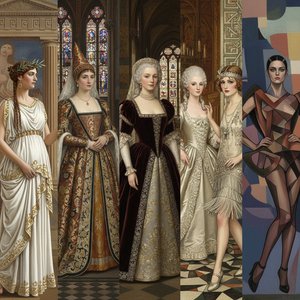
Style Through the Ages: Iconic Artworks That Defined the Evolution of Fashion Design
Explore the breathtaking intersection of fine art and high fashion. Discover how iconic masterpieces from Art Deco to Impressionism have shaped the world of luxury couture and timeless design in this curated visual journey.

Crimson Threads of Narrative: Exploring Symbolism & Representation in Artworks Featuring the Red Dress
Explore the rich symbolism of the red dress in art history! From ancient power displays to iconic portraits like Cézanne’s 'Madame Cezanne', discover the cultural and artistic significance behind this captivating color. Expert analysis & insights.

Draped Narratives: Fashion as Symbol & Subject in Historical Art
Explore the fascinating history of fashion as a symbol of power & status in art! Discover masterpieces from Gainsborough to Tissot and learn how clothing shaped societal narratives. Find museum-quality reproductions at TopImpressionists.