

 Pasidalinti
 Dalintis
 Išsamiau
 Vadovas

 Atsisiųsti
 Panašūs eksponatai
 Automatinė diorama
 Q&A
Q&A Statistika
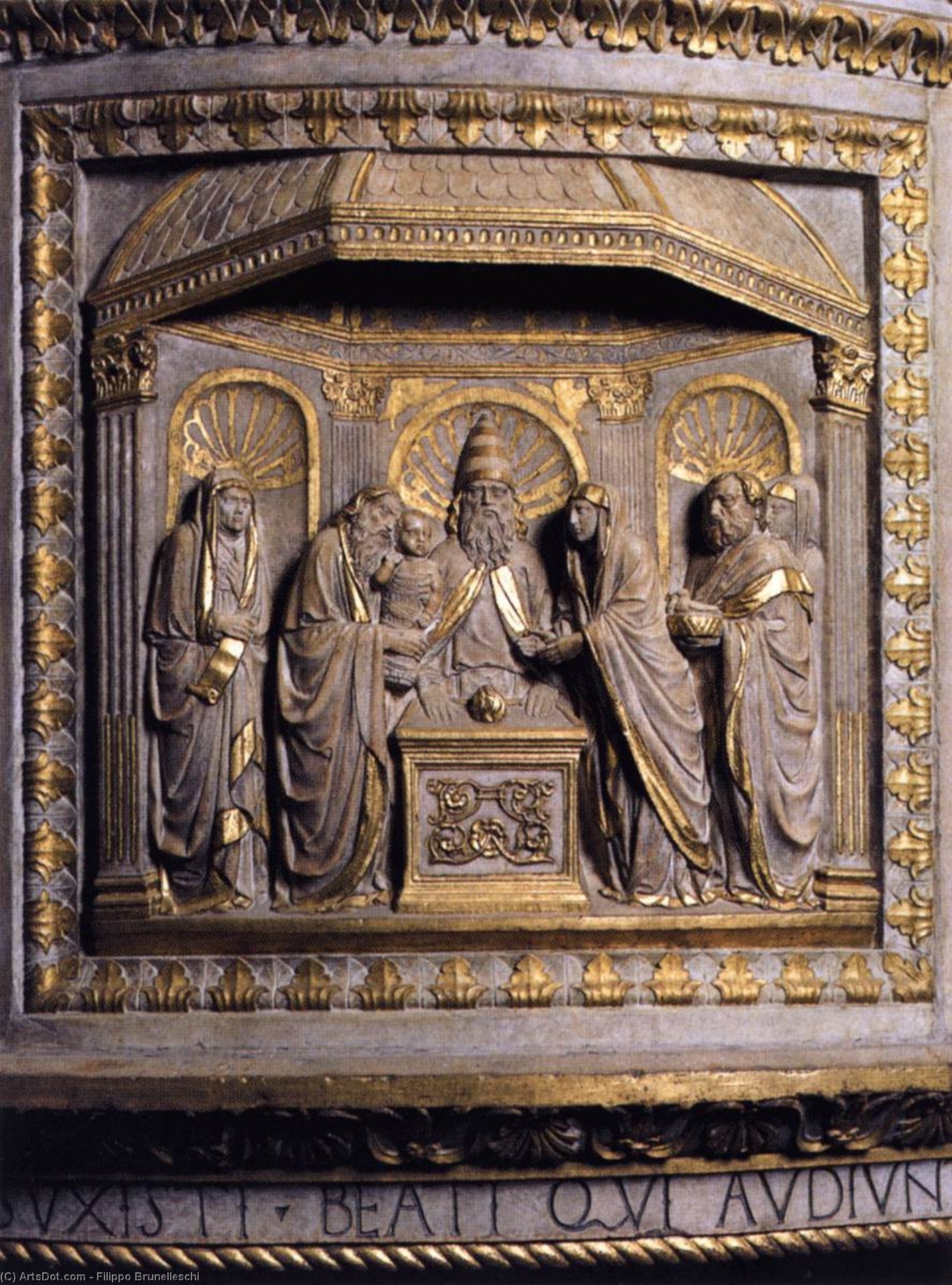
Pulpit (detail)


This detailed marble relief sculpture depicts religious figures within the ornate pulpit of Santa Maria Novella church, crafted by Filippo Brunelleschi in 1443. Recognized for his dome design at Florence Cathedral and groundbreaking use of linear perspective, Brunelleschi's 'Pulpit' exemplifies Gothic style and showcases exceptional craftsmanship.
 Skaityti daugiau
Filippo Brunelleschi (1377-1446): Renesanso architektas ir inžinierius, garsėjantis Florencijos katedros kupolu bei linijinės perspektyvos kūrimu. Tikras inovatorius, suformavęs Renesansą!
Rankų darbo aliejinės reprodukcijos
Rankiniu būdu tapytas aliejus ant droblio jūsų pageidaujamame dydį ir rėmuose – tai mūsų menininkų pagal užsakymą sukurtas darbas. ( Perjungti į spausdinamus版作品 Perejti prie skaitmeninių vaizdų)




































Standartinis dydis
pagal užsakymą
CM
INCH
Pasirinkite iš mūsų nustatytų dydžių, atitinkančių originalaus meno kūrinio proporcijas.
Loading sizes...

plotis
aukštis
Įveskite jums reikiamą plotį ir aukštį, kad paveikslas atitiktų jūsų rėmą ar sieną. Kadangi šis darbas yra rankinio darbo, siekiant išgauti kitokios formos dydį, paveikslas gali būti šiek tiek didesnis (nuo kraštų bus palikta daugiau erdvės) arba mažesnis – pasirinkite jums patogiausią variantą. Prieš pradedant tapyti, atsiųsime jums skaitmeninį maketą patvirtinimui. Šioje puslapio nuotraukoje matomas vaizdas nėra galutinis rezultatas – jį parodys tik sukurtas maketas.
Ką galima pakeisti (pavyzdžiai): Pakeisti veidą į kliento nuotrauką; Pridėti augintinį (pvz., pakeisti katę šunimi); Įtraukti paslėptą žinutę fone; Pakeisti fono kraštovaizdį ar elementus.
Gavus užsakymą, TopImpressionists.com komanda susisieks su klientu el. paštu dėl instrukcijų ir pateiks maketo pavyzdį
Gavus užsakymą, TopImpressionists.com komanda susisieks su klientu el. paštu dėl instrukcijų ir pateiks maketo pavyzdį
Pristatymas visame pasaulyje () per 3–4 savaites, o ne įprastai – per 5 savaites. (29 spalis). Kokybė lieka nepakeičiama.

Nemokamas greitasis pristatymas visame pasaulyje

Aukštos kokybės lininis drobė

Pilnas siuntimo draudimas

Muitinės mokesčių grąžinimo garantija

Tikro spalvų atitikimo garantija

100 dienų grąžinimo politika (tik esant įtaigoms)

100% pinigų grąžinimo garantija

Nuolaida dideliems užsakymams
 Stiklo variantas prieinamas tik pasirinkus dydį iki 110 cm

Pulpit (detail)
Reprodukcijos technika
Reprodukcijos matmenys
-


Bendroji kaina
€ 237
A Glimpse into Renaissance Devotion: The Pulpit Detail
To stand before this marble relief from the pulpit of Santa Maria Novella is to encounter a moment suspended in time—a tangible echo of 15th-century Florentine piety. Attributed to the masterful hand of Filippo Brunelleschi, this work, dating to 1443, transcends mere architectural decoration; it is a profound theological narrative carved into luminous stone. The very material, pristine white marble, seems imbued with the spiritual light of the Renaissance dawn. One cannot help but feel the weight of history pressing down, yet simultaneously lifted by the grace depicted within its intricate folds.
Mastery in Marble: Technique and Form
Brunelleschi’s technical prowess is breathtakingly evident here. The artist has achieved a remarkable illusionism, coaxing figures from solid stone as if they were emerging into life. Observe the drapery; the deep undercuts and varied textures capture the weight and flow of rich robes, suggesting both earthly materiality and heavenly transcendence. The composition itself is carefully orchestrated, framed by architectural elements—arches and columns—that lend a sense of monumental depth. This skillful handling of negative space against densely populated figures speaks to an understanding of form that was revolutionary for its time, bridging the lingering echoes of Gothic intricacy with the burgeoning clarity of Renaissance structure.
The Heart of the Scene: Symbolism and Narrative
At the core of the relief resides a scene rich with spiritual symbolism. A central figure, seated upon what appears to be an elevated throne, commands attention. This individual, holding a book—the very conduit of divine knowledge—is surrounded by supplicants, some standing in rapt attention, others kneeling in postures of humble devotion. The gathering suggests a moment of profound teaching or revelation. Every gesture, from the raised hand to the bowed head, is deliberate, guiding the viewer's eye through a carefully constructed hierarchy of spiritual importance. It speaks eloquently of the Church’s role as both teacher and sanctuary.
A Touch of Eternal Grandeur for Your Space
For those who seek to bring the gravitas and artistry of Italian Renaissance masters into their own homes or design spaces, this piece offers unparalleled depth. While the original possesses an undeniable aura of sacred grandeur, a high-quality reproduction allows you to incorporate its narrative power without altering your personal sanctuary. The interplay between the cool, smooth marble tones and the suggested warmth of the gold accents—visible in the ornate framework—creates an atmosphere of enduring elegance. It is not merely art; it is a conversation piece that whispers tales of genius, faith, and the dawn of modern artistic thought.
Klausimai ir atsakymai
Kaip galima panaudoti „Pulpit (detail)“ – Filipo Bruneleski namų interjero dekoracijai?
Rekomenduojamas naudojimas (Accent) ir erdvė (Living Room) – tai dvi rekomendacijos, nurodytos kūriniui „Pulpit (detail)“ – Filipo Bruneleski.
Kokia technika panaudota kūriniui „Pulpit (detail)"]?
„Pulpit (detail)“ – Filipo Bruneleski technika – Marble. Kopijos siekia atkartoti šios technikos vaizdą.
Koks kontrastas pasižymi kūrinys „Pulpit (detail)“ – Filipo Bruneleski?
Kūrinio „Pulpit (detail)“ – Filipo Bruneleski kontrasto lygis yra Statement.
Autoriaus biografija
Renesanso pionierius: Filippo Brunelleschi gyvenimas ir palikimas
Filippo Brunelleschi, gimęs Florencijoje 1377 metais, yra monumentali figūra, sujungusi viduramžemio pasaulį ir pradinę Renesanso epochą. Nors pradinai jam buvo numatyotas gyvenimas, siekiantis su tėvo teisinės profesijos sferomis, jaunasis Filippo meninės nuolinkės greitai iš 드러ė savo prigimtinę jėgą. Jis dirbo auksininko mokiniu – ši premeslė lavino itin kruopštų dėmesį detalėms ir meistriškumą dirbant su medžiagomis, kuris vėliau tapo neįkainojamas jo architektūrinėje veikloje. Šis ankstyvasis mokymasis nebuvo ribotas tik techniniu įgūdžiu; jis skatino suvokimą apie formą, proporcijas ir išraiškos potencialą, slypantį manipuliuojant fizinėmis medžiagomis. Jo dalyvavimas 1401 metais vyknomiose Florencijos krikštyklų durų konkursuose, nors ir nesėkmingas prieš Lorenzo Ghiberti, atskleidė augantį talentą ir drąsią meninę viziją. Ši patirtis, nors iš pradžių ir nusivylusi, tapo tvirtu pagrindu, nukreipiant jo energiją link architektūros – srities, kurioje jis negrįženai pakečia Vakarų meno ir inžinerijos kelią.Architektūrinės inovacijos ir klasikinio idealumo atgimimas
Brunelleschi architektūriniai pasiekimai yra nieko mazgta nei revoliūciniai. Jis nedirbo tiesiog statydamas konstrukcijas; jis sprendė neįtikėtinai sudėtingas problemas, plečiant ribas to, kas tuo metu buvo laikoma įmanoma. Jo didžiausias triumfas be jokios abejonės yra Florencijos katedros kupolas – pasiekimas, kuris dešimtmečius版 kietai kietino architektų mintis. Projektu mastai ir sudėtingumas reikalavo novatoriškų sprendimų, ir Brunelleschi juos pateikė su gausumu. Atmetęs tradicinius skambavimo metodus, jis sukurė savikeliantį dvigubą apvalkalą, panaudodamas ingeniškas kėlimo mechanizmus ir susipynčius plyčių dėsningus dėjimus svorio paskirstymui ir stabilumą užtikrinimui. Tai nebuvo tik inžinerinis stebuklas; tai buvo žmogaus išminties įrodymas ir Florencijos ambicijų simbolis. Be kupolo, Brunelleschi savo projektuose skatino grįžimą prie klasikos principų. Jis kruopščiai studijavo romėnų griuvles, įsisavinęs jų proporcijų, harmonijos ir erdvės organizacijos pojūtį. Šis įtampas aiškiai matomas tokiuose darbuose kaip San Lorenzo senoji sakristija, kur jis panaudojo simetriškus planus, suapvalintus arkas ir klasikinį ornamentą, kad sukurtų ramybe ir pusiausvyra atspindinčias erdvės. Kiti pastebiminti projektai – Spedale degli Innocenti, Palazzo Rucellai ir Basilica di San Lorenzo – visi neša jo išskirtinio stiliaus žymą: harmoningą klasikinę įkvėpimą ir inovatyvius struktūrinius sprendimus.Linearijos perspektyvos aušra
Brunelleschi įtaka išsiekia daug toli už architektūros ribų; jam priskiriamas linearijos perspektyvos principų atradimas ir formalizavimas – technika, kuri fundamentaliai pakeitė meno istorijos eigą. Prieš Brunelleschį erdvės vaizdymas neturėjo nuosekliaus sistemos gylio ir realizmo atvaizdavimui. Jo kruopščios tyrimai optikos ir geometrijos srityse paskatino jį išvystyti metodą, leidžiantį sukurti tr dimensionsinio erdvės iliuziją dvimensionalėje paviršių plokštėje. Tai apėmė tašką praimantį pranykimą – vieną tašką horizonto linijoje, į kurį visos lygiagrečios linijos susilieja – ir matematinę skaičiavimą, skirtą tiksliai atvaizduoti erdvinius santykius. Pasiūlyti pokyčiai buvo gili. Linearijos perspektyvos įrankis suteikė menininkams galimybę pasiekti didesnį realizmą ir emocinį poveikį savo darbuose, įkvepiant daugybę gavybų bei skulptorių kartų. Tai nebuvo tik techninis tikslumas; tai buvo naujo, įtraukiantys ir patikinti vizualinio patirties kūrimas žiūrėtojui.Įtampos ir ilgalaikė istorinė reikšmė
Brunelleschi genijus neatsirado vakuumo sąlygose. Jis įkvėpimą traukė iš įvairių šaltinių, sujungdamas juos į kažką visiškai naujo. Studijuota senoji romėnų architektūra suteikė klasikinio principų pagrindą, o susidavimas su gotikos struktūromis įdiegė supratimą apie konstrukcinę sudėtingumą ir inovatyvias statybos technikas. Svarbiausia, pradedantisjo Renesanso humanizmo judėjimas – su jo pabrėžimu žmogaus potencialui ir pasiekimams – giliai rezonavo su pačio Brunelleschi inovatyviuoju dvasia. Jis tikėjo proto, stebėjimo ir eksperimentavimo galia – savybėmis, kurios tapo jo revoliucinės veiklos pagrindu. Jo palikimas yra milžiniškas. Jis teisėtai laikomas vienu Renesanso kūrybos tėvų, gyvybiškai svarbiu veikėju, atvėręsiu naują meno ir intelektualinio žydėjimo erą. Jo inžineriniai išradimai ir šiandien informuoja šiuolaikines statybų praktikas, o jo sukurtas linearijos perspektyvos metodas išlieka vaizduojamojo meno pamatu. Tačiau, galbūt svarbiausia, Brunelleschi įkūnijo naują mąstymo būdą – tikėjimą žmogaus išmintimi, atsidavimą racionaliam tyrinėjimui ir natūralios pasaulio grožio bei tvarkos šventimą. Jis ne tik pakeitė Florencijos skylės liniją; jis pakeitė tai, kaip mes matome pasaulį.
Filipo Bruneleski
1377 - 1446 , इटalija
Trumpa informacija
- Artistic Movement Or Style: Renesanso ankstyvasis etapas
- Artists Or Movements Influenced By This Artist:
- Renesanso architektūra
- Linearinės perspektyvos menininkai
- Artists Who Influenced This Artist: ['Senovės Romos architektai']
- Date Of Birth: 1377
- Date Of Death: 1446
- Full Name: Filippo Brunelleschi
- Nationality: Italių
- Notable Artworks:
- Firencijos katedros kupolas
- San Lorenzo senoji sakristija
- Spedale degli Innocenti
- Palazzo Rucellai
- Place Of Birth: Firencija, Italija
Susiję straipsniai

Shadows & Splendor: A Journey Through the Soul of Gothic Art and Architectural Grandeur
Embark on a profound journey through the spiritual intensity of Gothic art. Explore the architectural marvels, luminous stained glass, and sacred sculptures that define this era of grandeur and human devotion.