


 Peržiūrėti realaus dydžio版
 Siųsti
 Dalintis
 Išsamiau
 Vadovas

 Atsisiųsti
 Panašūs eksponatai
 Rentgeno spindulių nuotrauka
 Diaporama
 Statistika
The Annunciation
 Tempera On Panel
- Renaissance
 1450
1450- Renaissance
 120.0 x 92.0 cm
A serene Renaissance courtyard comes to life in Fra Carnevale's The Annunciation, where vibrant architectural perspective meets divine grace, inviting you to explore this exquisite masterpiece of the Quattrocento.
 Rodyti daugiau
Fra Carnevale (apie 1420–1484) – paslaptingas Urbino Quattrocento pavešys, garsėjantis architektūra ir perspektyva. Lippi ir Piero della Francesca įtakos paveikė Bramante ir Raphael. Atraskite jo retus išlikusius kūrinius.
Giclée / Meno spausdinimas
Muziejų lygio „giclée“ arba drobos spausdinimas: greita gamyba ir lankstios apdailos parinktys. ( Pirkti rankomis tapytą reprodukciją Perejti prie skaitmeninių vaizdų)




P118B €10

P118H €10

P118W €10

P438Z €10

P508JH €12

P508YH €12

P805H €10

P805Z €10

P919BZ €10

P919G €10

P919XJ €10

P959ZH €10

P968JZ €12

W106C €8

W218G €10

W218JH €8

W218Y €10

W307PJ €10

W316G €10

W316PJ €8

W316Y €10

W398PJ €8

W4111J €10

W500HY €15

W500JH €15

W692G €12

W849H €8

W940BG €15

W953PJ €8




Standartinis
individualaus dydžio
CM
INCH
Pasirinkite iš mūsų nustatytų dydžių, atitinkančių originalaus meno kūrinio proporcijas.
Loading sizes...

plotis
aukštis
Įveskite jums reikiamą plotį ir aukštį, kad atvaizdas derėtų prie jūsų rėmo ar sienos. Spausdiną galima tik sumažinti, bet nepadidinti virš originalaus paveikslėlio dydžio, todėl keičiant proporcijas, dalis vaizdo prarandama. Prieš spausdinimą atsiųsime jums skaitmeninį maketą patvirtinimui. Šioje puslapio nuotraukoje matomas pjūvis nėra tikslus – jį rodo tik maketas.
Pristatymas visame pasaulyje () per 2 weeks, o ne įprastas 4/5 savaičių laikotarpis. (23 spalis)

Nemokamas greitasis pristatymas visame pasaulyje

Aukštos kokybės lininis drobė

Pilnas siuntimo draudimas

Muitinės mokesčių grąžinimo garantija

Tikro spalvų atitikimo garantija

100 dienų grąžinimo politika (tik esant įtaigoms)

100% pinigų grąžinimo garantija

Nuolaida dideliems užsakymams
 Stiklo variantas prieinamas tik pasirinkus dydį iki 110 cm

The Annunciation
Giclée / Meno spausdinimas
Reprodukcijos dydis
-


Visų pasirinktų variantų kaina
€ 61
A Celestial Encounter in Stone and Light
In the quietude of a tiled Renaissance courtyard, a profound moment of divine intersection unfolds within Fra Carnevale’s The Annunciation. This masterpiece, dating to approximately 1450, captures the precise second where the earthly and the heavenly collide. The scene is set amidst an architectural marvel of arches and columns, where the meticulous use of perspective draws the eye through a series of receding portals toward a distant, misty forest. At the heart of this sacred geometry, the Angel Gabriel kneels in reverence, his wings a breathtaking tapestry of aquamarine blue and fawn brown, accented by delicate gold filigree. Opposite him stands Mary, her presence marked by a serene dignity, draped in a lapis-blue robe that anchors the composition with its deep, regal hue. The atmosphere is one of breathless stillness, as if the very air is suspended in anticipation of the divine word.
The technical brilliance of Carnevale is most evident in his command over light and texture. Every element, from the marble-patterned floor tiles in shades of rust, charcoal, and sky blue to the soft, fog-gray walls of the surrounding structures, contributes to a sense of tangible reality. The artist employs a sophisticated palette that balances the vibrant scarlet of the angel’s cloak with the delicate pinks and whites of the roses held in a stone-white urn. This interplay of color is not merely decorative; it serves to guide the viewer's gaze through the complex spatial arrangement. The descent of a white dove, accompanied by golden beams of light piercing through scattered clouds, acts as a visual crescendo, symbolizing the Holy Spirit and illuminating the face of Mary with a celestial glow.
Symbolism and the Renaissance Soul
Beyond its breathtaking aesthetic, The Annunciation is a profound meditation on purity and destiny. The white lily held by the angel, with its budding blooms, serves as an enduring emblem of Mary’s virginity and the unfolding promise of salvation. Even the surrounding flora—the pink and white roses nestled in the central urn—whisper of grace and the beauty of the divine presence within the natural world. Carnevale, an artist deeply influenced by the architectural precision of his era, uses the structured courtyard to represent the order of the cosmos, while the wilder, hilly forest visible through the distant archway hints at the mysteries of the unknown. This juxtaposition between the controlled, man-made space and the untamed landscape mirrors the theological tension between the known scripture and the unfolding miracle.
For the discerning collector or interior designer, this painting offers more than just a window into the Quattrocento; it provides a focal point of profound emotional resonance. The work’s ability to evoke peace, contemplation, and awe makes it an extraordinary addition to any curated space. Whether placed in a sunlit gallery or a sophisticated study, a high-quality reproduction of this piece brings with it the weight of history and the luminous beauty of the Italian Renaissance. It is a painting that does not merely decorate a room but transforms its very atmosphere, inviting all who behold it to pause and reflect on the quiet miracles that exist within the folds of time.
问答 (or more naturally for a website heading): Klausimai ir atsakymai
Kaip galima panaudoti „The Annunciation“, autorius – Fra Carnevale namų interjere?
„The Annunciation“ siūloma naudoti Mood, o rekomenduojama erdvė – Living Room.
Kokie yra originalaus „The Annunciation“, autorius – Fra Carnevale matmenys?
Įrašyti kūrinio „The Annunciation“, autorius – Fra Carnevale matmenys yra 120 x 92 cm. Kopijas galima užsisakyti kitais dydžiais, išlaikant tą pačius proporcijas.
Kokia yra „The Annunciation“, autorius – Fra Carnevale švytėjimo intensyvumas?
„The Annunciation“ spalvos pasižymi Gentle Luminance šviesos intensyvumu.
Autoriaus biografija
Paslaptingasis Urbino Renesanso architektas
Quattrocento šešėliuotuose koridoruose nedaug figūrų pasižymi tokia intriguojančia pratminti, kokią turi Fra Carnevale. Vardas, kuris šnabždėjamas su pagarba ir paslapčiu, Bartolomeo di Giovanni Corradino – istorijai žinomas savo klasininkiniu pavadinimu – išlieka vienu elusive mostriškiausių Italijos Renesanso meistrų. Gimęs Urbino apie 1420 m., jo gyvenimas buvo subtilus audinys, supintotas iš dvasinės atsidavimo ir gilaus meninio inovatyvumo plytų. Kaip dominikanų ordino narys, Carnevale užėmė unikalią vietą, kur kontempliatyvus vienuolio tylumo susitiko su augančiu humanizmo intelektualumu. Nors šiandien jo rankai galima tikrinai priskirti tik devynis kūrinius, kiekviena išlikusi dalis tarnauja kaip langas į protą, kuris siekė suderinti dieviškumą su fizinės pasaulio matematiniu tikslumu.
Carnevale meninio kelio trajektorija buvo formuojama didžiosiomis jo eras meninėmis krosnimis. Formavimo metai Urbino po Jacopo Veneto vadovavimu į jo sielą įsisodino ankstyvas fascinasija perspektyva – įgudžiu, kuris tapo jo brandaus stiliaus žymimuoju ženklu. Tačiau būtent kelionė į Firenciją apie 1445 m. tikrai uždegė jo kūrybinę dvasią. Pasikraustęs į gyvybingą florencetinę atmosferą, jis studijavo pas įtakingąjį Antonio Alberti ir įstojo į prestižinę Filippo Lippi dirbtuvę. Ši mokymų etapas buvo transformatyvus; iš Lippi Carnevale paveldėjo meistrišką spalvų valdymą ir subtilų kompozicijos požiūrį, išmokdamas į šviesos ir tonų pokyčius įkvėpti figūroms gyvybės bei emocinio gylio.
Erdvės ir Šventųjų naratyvo meistriškumas
Tai, kas išskiria Fra Carnevale kūrybą nuo jo samtvorių, yra nepanašus gebėjimas integruoti sudėtingas architektūrines aplinkybes į šventuosius naratyvus. Jis ne tiesiog tapė fone; jis kūrė pasaulius. Jo plėnaluose dažnai matomos iškilmingos, klasikinio stiliaus struktūjos, kurios atspindi to laikotarpio humanistinį idealą, primindamos Urbino kunigaikščio rūmus ir Leon Battista Alberti teorinius traktatus. Kūrynoms, tokioms kaip Dievo Motinos gimimas, būdingas kvapą užgaunantis vidui abadžių detalės ir Renesanso erdvės logikos sudvienijimas. Šiame paveikslėlyje pasiektas architektūrinis gylis rodo gilią geometrinį supratimą, kurioje stiebiama scena sukuriamas ten, kur stebuklas atrodo įtvirtintas į tapatią, matomą realybę.
Jo techninis repertuaras buvo toks pat įvairiapusis kaip ir jo įnašai, svyruojant nuo šviesaus temperos skaidrumo iki turtingų aliejinės tapybos tekstūrų. Kūrynoms, tokioms kaip Šv. Petras, jis panaudojo šviesą ir šešėlį, kad sukurtų solemnybės ir dieviškos pratai jausmą, o jo Alegorinė scena demonstruoja drąsų nuogių figūrų naudojimą klasikinėse aplinkose, atspindinčias to laikotarpio susižvalgėjimą atradusiais Graikų ir Romos idealais. Gebėjimas naviguoti tarp pietingos dominicano pašaukimo reikalavimų ir išrafinuotų estetinės klientų, tokių kaip Federico Montefeltro, poreikių leido jam kurti meną, kuris buvo vienu metu tiek atsidavimo, tiek intelektualiai skatinantis.
Palikimas ir istorinis rezonansas
Nors išlikusio jo kūrybos trūkumas dažnai priverčia mokslininkus debatuoti dėl tam tikrų darbų autentiškumo, Fra Carnevale istorinės reikšmės neįvertinti neįmanoma. Jis veikė kaip gyvybiškas tiltas tarp XV amžiaus ankstyvųjų eksperimentų ir aukštojo Renesanso tobulumo, pasiektų tokių meistrų kaip Bramante ir Raphael. Jo susitelkimas į architektūrinę perspektyvą ir klasikinio motyvų integraciją suteikė pagrindinį planą kitai Italijos menininkų kartai. Studijuoti Carnevale yra liudyti tą pačią akimirką, kai Viduramžiams būdinga dvasinė intensyvumas pradėjo susijungti su struktūruota, žmogui orientuota Renesanso vizija.
Šiandien šio paslaptingo vienulio palikimas gyvena per retas, brangias jo vizijos fragmentus, kurie išliko. Jis stovi kaip įrodymas „architektūrinio paveikslėjo“ galimybių – meno meistro, kuris matė dieviškumą ne tik šventųjų veiduose, bet ir pačiame erdvės proporcijų savybėje, kurioje jie gyveno. Jo gyvenimas, nors ir apgaubtas istorinio neapibrėžtumo, toliau kelia susižvalgėjimą, primindamas mums, kad net ir labiausiai paslaptingos figūros gali palikti neištriniamą žymą meno istorijos sieloje.

Fra Carnevale
1420 - 1484 , इटalinija
Trumpa informacija apie kūrėją
- Artistic Movement Or Style: Kvotrocento
- Artists Or Movements Influenced By This Artist:
- Filippo Lippi
- Piero della Francesca
- Artists Who Influenced This Artist:
- Antonio Alberti
- Dominico Veneziano
- Date Of Birth: apie 1420 m.
- Date Of Death: 1484 m.
- Full Name: Bartolomeo di Giovanni Corradini
- Nationality: Italų
- Notable Artworks:
- Pranasžiuotinas
- Vyro portretas
- Place Of Birth: Urbino, Italija
Susiję straipsniai

Fra Angelico Šedevrai: Top 25 Kūrinių Elegancija Jūsų Interjere
Atraskite 25 įspūdingiausius Fra Angelico šedevrus! Renesanso meno grožis, religinė tapyba ir angelų paveikslai. Meno istorija, interjero dizaino idėjos bei aukštos kokybės reprodukcijos TopImpressionists.com. Explore the full collection online!

Divine Messengers: A Curated Guide to the Iconography of Angel Gabriel in Art History
Explore the profound beauty of Angel Gabriel in art history. From Renaissance masterpieces to Baroque splendor, our expert guide delves into the sacred iconography and timeless techniques of these divine messengers for the discerning art enthusiast.
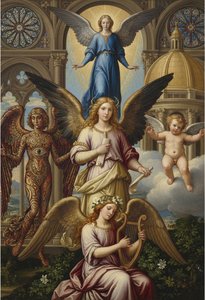
Divine Beauty: A Curated Guide to the Celestial Majesty of Angelic Figures in Art History
Explore the profound beauty of angelic figures in art history. From Renaissance masterpieces to celestial symbolism, our expert guide offers a sophisticated journey through the divine imagery of the Old Masters for discerning collectors and art enthusiasts.

Celestial Messengers: A Comprehensive Exploration of Angelic Representation in Art History
Explore the captivating history of angels in art! Discover symbolism, iconic Renaissance masterpieces & renowned artists. Expert insights for art lovers & collectors at TopImpressionists.

Celestial Messengers: Angels in Painting – A Historical & Artistic Exploration
Explore the captivating history of angels in painting! Discover symbolism, iconic Renaissance & Byzantine masterpieces, and renowned artists. Expert insights for art lovers & collectors at TopImpressionists.
Tyrinėkite meno kūrinius, suskirstytus pagal temas, stilius ir savybes.

