

 Peržiūrėti realaus dydžio版
 Pasidalinti
 Dalintis
 Išsamiau
 Vadovas

 Atsisiųsti
 Panašūs eksponatai
 Rentgeno spindulių nuotrauka
 Automatinė diorama
 问答
问答 Statistika
Vila de Ipojuca


Discover 'Vila de Ipojuca' by frans post (1640), a serene Brazilian landscape painting in the Romantic style. Oil on canvas, atmospheric & evocative of colonial beauty.
 Skaityti daugiau
Frans Post (1612-1680): Brazilijos peizažų tapybos pionierius! Atraskite gyvus vaizdus, kuriuose olandų Aukso amžiaus realismas susilieja su koloninio žavesio ir egzotiško grožio dvasia.
Giclée / Meno spausdinimas
Muziejų lygio „giclée“ arba drobos spausdinimas: greita gamyba ir lankstios apdailos parinktys. ( Pirkti rankų darbo tapybą Perejti prie skaitmeninių vaizdų)




P118B €10

P118H €10

P118W €10

P438Z €10

P508JH €12

P508YH €12

P805H €10

P805Z €10

P919BZ €10

P919G €10

P919XJ €10

P959ZH €10

P968JZ €12

W106C €8

W218G €10

W218JH €8

W218Y €10

W307PJ €10

W316G €10

W316PJ €8

W316Y €10

W398PJ €8

W4111J €10

W500HY €15

W500JH €15

W692G €12

W849H €8

W940BG €15

W953PJ €8




Standartinis dydis
pagal užsakymą
CM
INCH
Pasirinkite iš mūsų nustatytų dydžių, atitinkančių originalaus meno kūrinio proporcijas.
Loading sizes...

plotis
aukštis
Įveskite jums reikiamą plotį ir aukštį, kad atvaizdas derėtų prie jūsų rėmo ar sienos. Spausdiną galima tik sumažinti, bet nepadidinti virš originalaus paveikslėlio dydžio, todėl keičiant proporcijas, dalis vaizdo prarandama. Prieš spausdinimą atsiųsime jums skaitmeninį maketą patvirtinimui. Šioje puslapio nuotraukoje matomas pjūvis nėra tikslus – jį rodo tik maketas.
Pristatymas visame pasaulyje () per 2 weeks, o ne įprastas 4/5 savaičių laikotarpis. (4 lapkritis)

Nemokamas greitasis pristatymas visame pasaulyje

Aukštos kokybės lininis drobė

Pilnas siuntimo draudimas

Muitinės mokesčių grąžinimo garantija

Tikro spalvų atitikimo garantija

100 dienų grąžinimo politika (tik esant įtaigoms)

100% pinigų grąžinimo garantija

Nuolaida dideliems užsakymams
 Stiklo variantas prieinamas tik pasirinkus dydį iki 110 cm

Vila de Ipojuca
Giclée / Meno spausdinimas
Reprodukcijos matmenys
-


Bendroji kaina
€ 62
A Window into a Tropical Paradise
In the vast tapestry of the Dutch Golden Age, few threads are as vibrant and exotic as those woven by Frans Post. His masterpiece, Vila de Ipojuca, serves as a breathtaking portal to a bygone era, capturing a serene tropical vista that feels both intimately observed and beautifully idealized. The painting presents a lush, sun-drenched landscape where a colonial villa rests upon a gentle elevation, overlooking a world of verdant growth. A prominent palm tree stands as a majestic vertical anchor on the right, its silhouette guiding the eye through a composition that masterfully balances the wildness of nature with the quiet presence of human habitation. As figures stroll leisurely along a winding path toward the villa, the scene invites the viewer to step into a moment of profound tranquility, far removed from the bustling streets of Haarlem.
The atmosphere of the work is defined by a soft, almost ethereal haze that permeates the entire canvas. This technique, rooted in the tonal landscape traditions Post learned under masters like Pieter de Molijn, creates a sense of immense depth and atmospheric perspective. The distant horizon line dissolves into a gentle blur of blues and muted greens, suggesting an endless expanse of land and sky that stretches toward the unknown. This hazy quality does more than just simulate distance; it imbues the painting with a melancholic beauty, a nostalgic longing for a pristine wilderness captured at the dawn of colonial encounter. The lighting is diffused and gentle, casting a soft glow across the terrain that softens edges and blends shapes into a harmonious, organic whole.
Technique and the Painterly Touch
Upon closer inspection, the technical prowess of Post becomes even more apparent. Executed in oil on canvas, the painting reveals a texture that is both loose and remarkably deliberate. The artist employs varying thicknesses of paint to suggest the diverse textures of the Brazilian landscape—from the rugged bark of tropical flora to the smooth, sun-warmed surfaces of the villa's architecture. His palette is a sophisticated arrangement of muted earth tones, deep forest greens, and soft cerulean blues, which work in concert to establish a serene and contemplative mood. There are no harsh or jarring lines here; instead, every element is connected through soft, blended transitions that mirror the natural flow of a tropical breeze.
For the discerning collector or interior designer, Vila de Ipojuca offers much more than mere decoration. It is an evocative piece of history that brings a sense of worldly sophistication and calm to any space. The painting’s ability to evoke emotional responses—ranging from peace and wonder to a quiet, reflective nostalgia—makes it a powerful focal point for a curated room. Whether placed in a sunlit study or a grand living area, this reproduction captures the essence of a pioneer's vision, offering a timeless window into the breathtaking beauty of the Americas as seen through the eyes of a Dutch master.
Klausimai ir atsakymai
Ar galiu naudoti papildytojąjį realybės technologiją, kad pamatytumėte „Vila de Ipojuca“ – Franas Postas savo kambaryje?
„Vila de Ipojuca“ – Franas Postas puslapio Peržiūra papildintajai realybei funkcija naudoja papildytojąjį realybės technologiją, kad suderinamame įrenginyje parodytų kūrinį jūsų erdvėje.
Kur galiu atsisiųsti „Vila de Ipojuca“ – Franas Postas?
Kūrinį „Vila de Ipojuca“ galima atsisiųsti: jo Atsisiųsti skaitmeninį vaizdą puslapyje siūloma aukštos raiškos skaitmeninio vaizdo atsisiuntimas.
Kaip „Vila de Ipojuca“ spalvos dera vienas su kitu?
„Vila de Ipojuca“ spalvų harmonija yra apibūdinama kaip Discordant Palette.
Autoriaus biografija
Amerikos kraštlandžių pionierius: Frans Posto gyvenimas ir kūryba
Fransas Janszoonas Postas – vardas, galbūt ne tokio akimirksniu atpažįstamas kaip jo Nyderlandų Aukso amžiaus bendrakimtės, tokie kaip Rembrandtas ar Vermeeris – pretenduoja į unikalią ir gyvybiškai svarbią vietą meno istorijoje. 1612 metais Harelmhe gimęs į meninei tradicijomis prisipildytą šeimą – jo tėvas buvo stiklo dažytojas, o brolis – iškilmingas architektas – Postas tapo pirmuoju Europos paveikslautoju, pasižengusiu vaizduoti Amerikos kraštlandžius, ypaats, Nyderlandų Braziliją. Jo kelionė nebuvo tik geografinė; tai buvo pionieriškas žodis, sujungęs du pasaulius ir Europos žmonėms suteikęs pirmąjį ilgalaikį regėjimo patirtį apie Naujojo Pasaulio egzotišką grožį ir sudėtingą kolonijų realybę. Nors iš pradžių jis buvo prislėgtas kitų savo laikų meistrų, Posto kūryba šiandien yra tyrinėjama dėl jos istorinės reikšmės, meninės inovacijų bei nuostabaus stebėjimo ir vaizduotės derinio.Pirminis mokymasis ir Brazilijos kvietimas
Posto formacijos metai vyko gyvybingoje Harelmio meno aplinkoje, mieste, pilname talento. Tikėtina, kad pirmąsias pamokas jis gavo nuo savo tėvo ir brolio, įsisavinęs jų įgūdžius spalvų bei dizaino ir architektūros principuose. Nors oficialių gildujų įrašų trūksta, plačiai vertinama nuomonė, jog jo mokytoju buvo Pieteris de Molijnas, suteikęs pagrindus peizažų tapybai, kurie vėliau tapo esminės Posto veiklos dalimi. Jis gyveno tame pačiame ratu kaip Fransas Halsas ir bendravo su kitais Harelmio peizažininkais, tokiais kaip Jacobas ir Salomonas van Ruysdaeliai, Adriaenas ir Isaacas van Ostadė, bei pats Pieteris de Molijnas. Nors epideminė marlinė liga Harelmio mieste galėjo tapti jo išvykos katalizatorium, būtent kvietimas iš Johan Martso van Nassau-Siegeno, Nyderlandų Brazilijos generalinis guvernorius, tikrai pakeitė jo meninės gyvenimo kryptį. 1637 metais Postas išvyko į transformatyvią kelionę į šiaurės rytų Pietų Ameriką, su savimi nešdamas ne tik šepučius ir dažus, bet ir didelį lūkesčių svorį – vizualiai užfiksuoti šią naujai įgijtą kolonijų teritoriją Europos auditorijai.Naujo pasaulio dokumentavimas: Brazilijos laikotarpis (1637–1644)
Septynios metai, praleistos Brazilijoje, buvo lemtingi.ت Įkomandavęs nuo Frederick Henry, Oranjų princas, Postas kruopščiai užfiksavo Nyderlandų Brazilijos kraštlandžius, gyvenvietes ir kasdienį gyvenimą per eskizus, etnus ir maždaug šešias baigtas paveikslus. Šie ankstyvieji braziliečių darbai išsiskiria nyderlandiečių meninės konvencijų deriniu su naujais temų motyvais. Wolfgang Stechow garsiai apibūdino Posto stilių kaip „seną taurę, pripildytą nauju vynu“, tiksliai įtrapindamas šį sintezės momentą. Jis vaizdavo atpažintamas vietas, vietinę topografiją ir augančią kolonijų infrastruktūrą, viską pateikdamas su itin kruopščiu dėmesiui detalėms. Brazilijos flora – palmių medžiai, cukraus laukai – bei retas gyvūnų pėdsakas, galbūt įkvėstas ekspediciją lydėjusio gamtos mokytojo Georgio Marggrafo, suteikė jo kompozicijoms egzotišką žavesį. Būdingas šių paveikslų bruožas – dažnai dominuojantis pilkas dangus – suteikia prigimtinę tamsią, atmosferinę nuotaiką, galbūt atspindinčią inherentinį kolonijų gyvenimo sudėtingumą ir neapibrėžtumą. Tai nebūvo tiesiog vaizdingos jįžios; tai buvo triumfo, darbo ir kultūrinių mainų įrašai.Grįžimas į Harelmį ir meninė transformacija
Grįžęs į Nyderlandus 1644 metais, Postas įsilieto į Harelmio meno bendruomenę, prisijungė prie Šv. Logo gildo ir užėmė jame vadovaučiamas roles. Tačiau patirtys Brazilijoje giliai pakeitė jo meninę viziją. Jei ankstesni darbai prioritetą teikė realizmui ir detaliam stebėjimui, vėlesni paveikčių stilius priėmė labiau vaizduotį ir idealizuotą požiūrį. Peizažai tapo išsięstresni ir turtingesni, prisipildyti gausos ir triumfo jausmu. Ryškios spalvos pakeitė tamsius tonus jo braziliečių laikotarpio, o egzotiški elementai buvo įtraukti, kad sustiprintų Naujojo Pasaulio žavesį. Jis pabrėžė gylį ir perspektyvą, kurdamas vešlius, žalius peizažus, pilnus gyvos floros ir faunos. Giliai mėlynų atspalvių naudojimas, galbūt rezultatas laiko ente pigmento degradacijos, sukūrė ryškius kontrastus ir dar labiau padidino dramingos spektaklio pojūtį. Per visą savo gyvenimą Postas sukūrė apie 140 paveikslų, iš kurių pusė yra datuota, todėl meno istorikams galima tiksliai sekti jo stiliaus evoliuciją.Palikimas ir istorinė reikšmė
Franso Posto palikimas išsiekia daug toli už jo meninės meistriškės ribas. Jo kūryba yra neįvertojamas vizualinis dokumentas apie Nyderlandų kolonijų Braziliją, suteikiantis įžvalgą į jos kraštlandžius, gyvenvietes, ekonomiką ir socialinę dinamiką. Nors vėlesnieji metai buvo pažymėti asmeninėmis sunkumus – įskaitant galimą alkoholizmo priklausomybę – jis išlieka unikali figūra meno istorijoje: pionierius Europos paveikslautojas, kuris pristatė Amerikos kraštlandžius Europai, amžinai pakeičdamas Naujojo Pasaulio suvokimą. Jo paveikslai nebuvo tik estetiniai kūriniai; jie buvo kolonijų diskurso įrankiai, formavę Europos supratimą apie Braziliją ir jos galimybes. Šiandien jo darbai vertinami ne tik dėl meninės vertės, bet ir dėl jų istorinės reikšmės, atverdami langą esminiam pasaulinės istorijos momentui – tyrinėjimų, kolonizacijos ir kultūrinių mainų laikui, kuris ir šiandien kelia gilius emocinius potvarkius.
Franas Postas
1612 - 1680 , Nyderlandai
Trumpa informacija
- Artistic Movement Or Style: Olandų aukso amžiaus tapybą
- Artists Or Movements Influenced By This Artist: ['Brazilijos peizažų menas']
- Artists Who Influenced This Artist:
- Pieter de Molijn
- Frans Hals
- Date Of Birth: 1612
- Date Of Death: 1680
- Full Name: Frans Janszoon Post
- Nationality: Olandas
- Notable Artworks:
- 'Labradorio' namai
- UNE HABITATION DE PLANTEURS
- Itamarakos vaizdas
- Place Of Birth: Haarlemas, Nyderlandai
Susiję straipsniai

Beyond the Light: Capturing Raw Emotion and Subjective Vision in Post-Impressionist Landscapes
Explore the profound emotional depth of Post-Impressionist landscapes. Discover how masters like Van Gogh moved beyond light to capture raw human feeling through vibrant color and expressive texture in this expert art history retrospective.

Capturing the Soul: The Most Emotionally Moving Impressionist and Post-Impressionist Masterpieces
Discover the profound emotional depth of Impressionist and Post-Impressionist masterpieces. Explore how legends like Monet, Van Gogh, and Gauguin captured light and soul through evocative landscapes and vibrant brushwork for a timeless connection to art history.
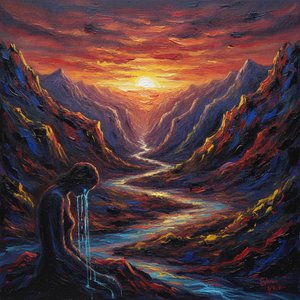
Capturing Emotion: A Journey Through the Soul of Expressionist Landscapes
Explore the profound emotional depth of Expressionist landscapes. Discover how Post-Impressionist masters moved beyond light to capture the soul through vibrant color and form. A curated journey for true art lovers seeking the beauty of expressive mastery.