


 Peržiūrėti realaus dydžio版
 Siųsti
 Dalintis
 Išsamiau
 Vadovas

 Atsisiųsti
 Panašūs eksponatai
 Rentgeno spindulių nuotrauka
 Diaporama
 Statistika
Two Comanche Girls
 Oil On Canvas
- WallArt
- American Romanticism
 1834
1834- 19th Century
 74.0 x 61.0 cm
Capture the proud spirit of Two Comanche Girls with this evocative 1834 portrait by George Catlin; discover this historic American masterpiece today.
 Rodyti daugiau
Atraskite George Catlino (1796–1872) menių lobyną! Šis amerikiečių dailininkas garsus savo išsamiais vaizdais, kuriuose užfiksuota vergų indėnų gyvenimo ir kultūros esmė. Jo paveikslai – vertingas istorijos liudijimas apie Amerikos Vakarus.
Giclée / Meno spausdinimas
Muziejų lygio „giclée“ arba drobos spausdinimas: greita gamyba ir lankstios apdailos parinktys. ( Pirkti rankomis tapytą reprodukciją Perejti prie skaitmeninių vaizdų)




P118B €10

P118H €10

P118W €10

P438Z €10

P508JH €12

P508YH €12

P805H €10

P805Z €10

P919BZ €10

P919G €10

P919XJ €10

P959ZH €10

P968JZ €12

W106C €8

W218G €10

W218JH €8

W218Y €10

W307PJ €10

W316G €10

W316PJ €8

W316Y €10

W398PJ €8

W4111J €10

W500HY €15

W500JH €15

W692G €12

W849H €8

W940BG €15

W953PJ €8




Standartinis
individualaus dydžio
CM
INCH
Pasirinkite iš mūsų nustatytų dydžių, atitinkančių originalaus meno kūrinio proporcijas.
Loading sizes...

plotis
aukštis
Įveskite jums reikiamą plotį ir aukštį, kad atvaizdas derėtų prie jūsų rėmo ar sienos. Spausdiną galima tik sumažinti, bet nepadidinti virš originalaus paveikslėlio dydžio, todėl keičiant proporcijas, dalis vaizdo prarandama. Prieš spausdinimą atsiųsime jums skaitmeninį maketą patvirtinimui. Šioje puslapio nuotraukoje matomas pjūvis nėra tikslus – jį rodo tik maketas.
Pristatymas visame pasaulyje () per 2 weeks, o ne įprastas 4/5 savaičių laikotarpis. (25 spalis)

Nemokamas greitasis pristatymas visame pasaulyje

Aukštos kokybės lininis drobė

Pilnas siuntimo draudimas

Muitinės mokesčių grąžinimo garantija

Tikro spalvų atitikimo garantija

100 dienų grąžinimo politika (tik esant įtaigoms)

100% pinigų grąžinimo garantija

Nuolaida dideliems užsakymams
 Stiklo variantas prieinamas tik pasirinkus dydį iki 110 cm

Two Comanche Girls
Giclée / Meno spausdinimas
Reprodukcijos dydis
-


Visų pasirinktų variantų kaina
€ 61
A Glimpse into Vanishing Worlds: The Spirit of Two Comanche Girls
To stand before George Catlin's depiction of "Two Comanche Girls" is not merely to observe a painting; it is to step across the threshold of time, into a moment suspended between vibrant cultural life and inevitable change. Painted in 1834, this work transcends simple portraiture. It is a profound ethnographic document imbued with the dignity and resilience of a people whose way of life was rapidly transforming under the relentless march of history. The composition centers on two magnificent Comanche women, their presence commanding attention. Their gaze, directed outward toward the viewer, is not passive; it carries the weight of tradition, a palpable sense of pride, perhaps even defiance, that resonates across the centuries.
The Artistry and Technique of Catlin
George Catlin, an artist whose career spanned the volatile intersection of American expansion and indigenous cultures, employed a masterful technique to capture this scene. While the details suggest meticulous observation—the drape of the traditional garments reaching gracefully to their ankles, the careful rendering of every facial nuance—the overall effect is one of immediacy. His skill allowed him to document not just figures, but an entire ecosystem of culture. The inclusion of surrounding elements—a watchful child near the teepee, another figure on the periphery, and a loyal dog resting nearby—grounds the portrait in reality. These secondary subjects enrich the narrative, suggesting the rhythm of daily life around the central, powerful tableau.
Historical Resonance and Cultural Depth
The year 1834 places this painting at a critical juncture for Native American tribes. Catlin’s dedication to recording these cultures was both an artistic endeavor and, perhaps, a poignant act of preservation. The scene evokes the richness of life before overwhelming external pressures reshaped the landscape. Viewing it today allows us a privileged, if filtered, window into Comanche society—a world rich with ceremony, community, and deep connection to the land. It compels us to consider what we risk losing when history moves too quickly.
Symbolism and Emotional Echoes for the Modern Collector
For the contemporary collector or designer seeking art that speaks volumes without uttering a word, this piece offers immense emotional depth. The symbolism here is potent: it speaks of enduring spirit, maternal strength, and cultural continuity. When considering a high-quality reproduction of "Two Comanche Girls," one acquires more than just wall decor; one acquires a conversation starter, an object imbued with narrative weight. It serves as a powerful reminder to pause, to look closely, and to appreciate the beauty found in steadfast tradition.
问答 (or more naturally for a website heading): Klausimai ir atsakymai
Kur galiu atsisiųsti „Two Comanche Girls“, autorius – Džordžas Katlynas?
Galimybę atsisiųsti „Two Comanche Girls“ galima rasti šio kūrinio Atsisiųsti puslapį, kuriame siūloma aukštos raiškos skaitmeninio vaizdo atsisiuntimas.
Kokią temą ir atmosferą sujungia „Two Comanche Girls“, autorius – Džordžas Katlynas?
„Two Comanche Girls“, autorius – Džordžas Katlynas vaizdelioje atspindžiami native american, portraiture, teepee, cultural life, frontier scene, indigenous people, sukurti Nostalgic nuotaika. Tematika ir atmosfera kartu apibūdina šį kūrinį.
Atsižvelgiant į kūrinio datą, prie kokios Džordžas Katlynas karjeros etapos galima priskirti „Two Comanche Girls“?
„Two Comanche Girls“, sukurta 1834 m., priklauso Džordžas Katlynas kūrybinio karjeros laikotarpio Early Career.
Autoriaus biografija
George Catlin: Amerikos Vakarų Indėnų Kultūros Vaizdų Išlikimo Siekis
George Catlin, gimęs 1796 m. Wilkesbarre, Pensilvanijoje, buvo neeilinis žmogus – teisininkas, tapytojas, rašytojas ir keliautojas, kurio gyvenimas pasišventė Šiaurės Amerikos indėnų kultūros įamžinimui. Jo motina, Polly Sutton, patyrusi indėnų apiplėšimą dar vaikystėje, perdavė sūnui aistrą Vakarų kraštams ir jų gyventojams. Nors iš pradžių mokytas teisės, Catlin atrado savo tikrąją pašaukimą ne teismo salėje, o ant drobės – bandydamas sugauti greitai nykančio gyvenimo esmę. Apleidęs advokato karjerą, jis imėsi ambicingo projekto: sukelti „Indėnų galeriją“, daugiau kaip 500 paveikslų rinkinį, skirtą indėnų gyvenimui ir kultūrai atvaizduoti. Šis sprendimas nebuvo tik estetinis susidomėjimas; tai buvo skubus siekis išsaugoti tradicijas, kurioms grėsė sunaikinimas dėl Vakarų ekspansijos. Ankstyvieji jo darbai, pavyzdžiui, gravūrai, vaizduojantys Erio kanalą, parodė techninį meistriškumą ir detalesnį požiūrį – savybes, kurios vėliau tapo jo didžiausių projektų požymiais.Kelionės ir „Indėnų Galerija“: Kultūros Dokumentavimas
Catlinas penkis kartus keliavo į Amerikos Vakarus, plaukiant Misurio upe ir užsukant į tokių genčių kaip Mandanai, Siuksiai, Blackfeet ir Choctaw teritorijas. Jis nebuvo tik stebėtojas; Catlinas pasinėrė į šias bendruomenes, dalyvavo apeigose, stebėjo kasdienį gyvenimą ir užmezgė ryšius su genčių lyderiais. Jo paveikslai išsiskiria realizmu ir sodriomis spalvomis, ne tik atvaizduodami fizinius panašumus, bet ir perteikdami orumą bei indėnų papročių sudėtingumą. Pavyzdžiui, Šokio su erdvėmis, Choctaw – dinamiškas tradicinio žaidimo vaizdas, kuriame parodoma sportiškumas ir bendruomenės dvasia. Panašiai jo portretas Mó-sho-la-túb-bee, Jis Kas Išmeta Ir Nukaldo, Gentyje Vyriausiasis atskleidžia stiprų lyderį su nepralaidžiu žvilgsniu, perteikdamą autoritetą ir išmintį. Catlinas siekė pavaizduoti indėnus ne kaip barbarus, bet kaip individus turinčius turtingas kultūrines tradicijas ir sudėtingas socialines struktūras, paneigdamas tuo metu vyravusius įsitikinimus.Iššūkiai ir Pripažinimas: Gyvenimas Skirtas Išsaugojimui
Nepaisant „Indėnų galerijos“ meninės vertės ir istorinio reikšmingumo, Catlinas susidūrė su dideliais iššūkiais siekdamas pripažinimo ir finansinės paramos savo darbams. Jis svajojo perduoti kolekciją JAV vyriausybei, tikėdamasis, kad ji bus išsaugota kaip nacionalinis lobis, tačiau jo pradiniai pasiūlymai buvo atsisakyta. Nesustojęs, jis surengė parodas didžiausiose Amerikos ir Europos šalyse – Londone, Paryžiuje ir Briuselyje. Šios parodos sulaukė didelio dėmesio, pristatydamos pasauliui pasaulį, kurį anksčiau žinojo tik iš antrarankės informacijos. Catlinas taip pat paskelbė kelias knygas, kuriose aprašė savo keliones ir stebėjimus, įskaitant Manners, Customs, and Condition of the North American Indians (1841) ir Last Rambles Amongst the Indians of the Rocky Mountains and the Andes (1868), dar labiau patvirtindamas savo reputaciją kaip pirmaujantis ekspertas indėnų kultūros klausimais. Tačiau finansinės sunkumai vis apėmė jį per visą gyvenimą.Palikimas ir Istorinė Reikšmė
George Catlinas mirė 1872 m., palikęs palikimą, kuris iki šiol skamba aktualiai. Nors jo darbai nebuvo visiškai įvertinti jo gyvavimo metu, jie dabar pripažįstami kaip nepriežastingas istorinis indėnų gyvenimo prieš Vakarų ekspansiją dokumentas. Jo paveikslai leidžia pažvelgti į kultūras, kurios dažnai buvo klaidingai pavaizduotos arba pamirštos pagrindiniuose naratyvuose. Manojo pievos degimas su dramatišku vaizdu valdomo deginimo ir jame vykstančių raitelių užfiksuoja ne tik kraštovaizdį, bet ir glaudžius ryšius tarp indėnų ir jų aplinkos. Pipestone Quarry, Coteau Des Prairies iliustruoja šventosios vietos dvasinę reikšmę daugeliui genčių. Catlino kruopštus dokumentavimas suteikia įžvalgų apie genčių papročius, socialines struktūras, religinius tikėjimus ir menines tradicijas – informaciją, kuri būtų prarasta istorijoje be jo atsidavimo pastangų. Jo darbai yra galingas priminimas apie kultūros išsaugojimo svarbą ir poreikį keisti įsitikinimus dėl indėnų tautų. Jis nebuvo tik dailininkas; jis buvo kronistas, liudijęs žmogus ir aistringas gynėjas greitai nykančio gyvenimo būdo – palikimas, kuris ir toliau įkvepia ir formuoja mūsų supratimą apie Amerikos istoriją ir kultūrą.Pagrindiniai Darbai
- Sham Fight, Mandan Boys (1832-1833): Gyvas jaunų Mandanų karių imitacinio mūšio vaizdas.
- Mrs. George Catlin (Clara Bartlett Gregory) (1850): Portretas, kuriame pavaizduota dailininko žmona, suteikiantis įžvalgos apie jo asmeninį gyvenimą.
- Pipestone Quarry, Coteau Des Prairies (1848): Iliustruoja šventąją vietę daugeliui genčių ir jų dvasinį ryšį su žeme.
- Medicine Buffalo of the Sioux (1839): Stiprus Siuksų lyderio portretas, simbolizuojantis jėgą ir atsigavimą.
- Prairie Meadows Burning (1832): Vaizduoja dramatišką valdomo deginimo sceną, pabrėžiantį ryšį tarp indėnų ir jų aplinkos.
- Dubuque's Grave, Upper Mississippi (1836): Kraštovaizdžio tapybos kūrinys, kuriame užfiksuota Aukštutinės Misisipės regiono ramybė su impresionistiniu teptelių darbu.
- Eagle Dance, Choctaw (1837): Ryškus tradicinio Choctaw apeigės vaizdas, kuriame parodyta jų turtinga kultūros paveldo.
- Little Wolf, A Famos Warrior (1844): Stiprus indėnų kario portretas, simbolizuojantis stiprybę ir atsigavimą.

Džordžas Katlynas
1796 - 1872 , Jungtinės Amerikos Valstijos
Trumpa informacija apie kūrėją
- Artistic Movement Or Style: Frontierio tapybos
- Date Of Birth: 1796 m. liepos 26 d.
- Date Of Death: 1872 m. gruodžio 23 d.
- Full Name: Džordžas Katlinas
- Nationality: Amerikietis
- Notable Artworks:
- „Šamo kova, Mandanų bernukai“
- „Prairio pievos degimas“
- „Pipestone Quarry, Coteau Des Prairies“
- „Siuksų medicina Buffalo“
- „Erelio šokis, Čohtavų“
- Place Of Birth: Wilkesbarre, JAV
Susiję straipsniai

Georges Seurat: 25 Šedevrai, Apšviečiantys Modernaus Meno Takus | TopImpressionists
Atraskite 25 Georges Seurat šedevrus! Išsami analizė, istorijos ir įkvėpimas interjero dizainui. Pointilizmo meistras, impresionizmas ir chromoluminarizmas – viskas TopImpressionists.com. Explore the full collection online!

American Realism's Defining Works: 10 Masterpieces for Your Home
Explore 10 defining American Realism masterpieces – Hopper, Homer & more. Discover the stories behind these iconic paintings and bring timeless art to your home with TopImpressionists's museum-quality reproductions. Explore the full collection online.

John George Brown: Capturing American Life & Sentiment in 19th-Century Genre Painting
Explore the captivating genre paintings of John George Brown, celebrated for his realistic depictions of 19th-century American life. Discover his legacy & find museum-quality reproductions at TopImpressionists.
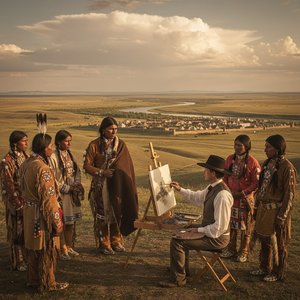
George Catlin: Witnessing & Representing Indigenous Life on the American Frontier
Explore the captivating art of George Catlin, renowned for his vivid portraits & landscapes documenting Native American life on the frontier. Discover a vanishing world through stunning paintings and historical context.

Georges Braque: 25 Šedevrai, Keičiantys Jūsų Interjerą | TopImpressionists
Atraskite 25 Georges Braque šedevrus! Kubizmo meistro paveikslai, interjero dekoras ir meno istorija. Meno reprodukcijos aukščiausia kokybe – TopImpressionists.com. Išsamesnės informacijos rasite internetu.