


 Peržiūrėti realaus dydžio版
 Siųsti
 Dalintis
 Išsamiau
 Gidas
Gidas

 Atsisiųsti
 Panašūs eksponatai
 Rentgeno spindulių nuotrauka
 Diaporama
 Statistika
Wi-jún-jon, Pigeon
 Oil On Canvas
- WallArt
- Romantic Landscape Painting
 1831
1831- 19th Century
 73.0 x 60.0 cm
 Smithsonian American Art Museum
Wi jún jon, Pigeon's Egg Head (The Light), a Distinguished Young Warrior
 Rodyti daugiau
Atraskite George Catlino (1796–1872) menių lobyną! Šis amerikiečių dailininkas garsus savo išsamiais vaizdais, kuriuose užfiksuota vergų indėnų gyvenimo ir kultūros esmė. Jo paveikslai – vertingas istorijos liudijimas apie Amerikos Vakarus.
Giclée / Meno spausdinimas
Muziejų lygio „giclée“ arba drobos spausdinimas: greita gamyba ir lankstios apdailos parinktys. ( Pirkti rankomis tapytą reprodukciją Perejti prie skaitmeninių vaizdų)




P118B $10

P118H $10

P118W $10

P438Z $10

P508JH $12

P508YH $12

P805H $10

P805Z $10

P919BZ $10

P919G $10

P919XJ $10

P959ZH $10

P968JZ $12

W106C $8

W218G $10

W218JH $8

W218Y $10

W307PJ $10

W316G $10

W316PJ $8

W316Y $10

W398PJ $8

W4111J $10

W500HY $15

W500JH $15

W692G $12

W849H $8

W940BG $15

W953PJ $8




Standartinis
individualaus dydžio
CM
INCH
Pasirinkite iš mūsų nustatytų dydžių, atitinkančių originalaus meno kūrinio proporcijas.
Loading sizes...

plotis
aukštis
Galite nurodyti savo matmenis, kad vaizdas atitiktų konkretų rėmą ar erdvę. Jei pasirinktas dydis nesutaps su originalaus paveikslėlio proporcijomis, mes arba apkirpsime kūrinį, arba išplėsime vaizdą naudojant veideliu atspindėtą arba vientisą šoną. Skaitmeninis maketas bus išsiųstas jums patvirtinti prieš pradedant gamybą.
Atkreipkite dėmesį, kad ekrane matomas vaizdinys neatspindi tikrojo apkirpimo ar išplėtimo. Tik maketas tiksliai parodytų galutinę kompoziciją.
Nors galima rinktis ir individualius dydžius, rekomenduojame pasirinkti vieną iš išanksti nustatytų matmenų, kad būtų išlaikytos originalios proporcijos.
Pristatymas visame pasaulyje () per 2 weeks, o ne įprastas 4/5 savaičių laikotarpis. (25 rugsėjis)

Nemokamas greitasis pristatymas visame pasaulyje

Aukštos kokybės lininis drobė

Pilnas siuntimo draudimas

Muitinės mokesčių grąžinimo garantija

Tikro spalvų atitikimo garantija

100 dienų grąžinimo politika (tik esant įtaigoms)

100% pinigų grąžinimo garantija

Nuolaida dideliems užsakymams
 Stiklo variantas prieinamas tik pasirinkus dydį iki 110 cm

Wi-jún-jon, Pigeon
Giclée / Meno spausdinimas
Reprodukcijos dydis
-


Visų pasirinktų variantų kaina
$ 69
A Window into the Soul of the Great Plains
In the vast, sweeping expanse of the American frontier, few images possess the haunting resonance of George Catlin’s 1831 masterpiece, Wi-jún-jon, Pigeon. This is not merely a portrait; it is a profound encounter with a vanishing world. Through his meticulous brushwork, Catlin captures the essence of an Assiniboine leader, a man whose very presence commands the canvas. The subject, known also as "The Light," gazes toward a distant horizon with a solemnity that transcends time, inviting the viewer to contemplate the strength and dignity of a culture standing at the precipage of monumental change. For the discerning collector or designer, this piece offers more than aesthetic beauty; it provides a temporal anchor, a window into a moment of historical gravity that remains as palpable today as it was nearly two centuries ago.
The composition is anchored by the commanding figure of the warrior, whose vibrant red shirt serves as a striking focal point against the naturalistic backdrop. This splash of color is not merely decorative but deeply symbolic, representing vitality, courage, and the lifeblood of his people. Catlin’s attention to detail is nothing short of extraordinary, from the intricate arrangement of feathers in the headdress—each one a testament to honor and ancestral wisdom—to the delicate textures of the necklace adorning his neck. The artist employs a technique that marries Romantic idealization with ethnographic precision, using thick impasto strokes to breathe life into the fabric and skin, creating a tactile depth that makes the subject feel almost present in the room.
The Art of Visual Preservation
To understand this painting is to understand the mission of George Catlin himself. Driven by an urgent, almost frantic desire to document the traditions of Native American tribes before they were irrevocably altered by westward expansion, Catlin acted as both artist and visual historian. In Wi-jún-jon, we see the culmination of this devotion. The painting captures a duality of existence: the rugged, untamed spirit of the Great Plains landscape juxtaposed with the profound, quiet dignity of an individual leader. The background, though subtle, suggests a living, breathing ecosystem, hinting at the presence of others and the natural world that sustained the Assiniboine people.
For those looking to integrate such a powerful narrative into a curated space, this reproduction offers an unparalleled opportunity. Whether placed in a sophisticated study, a grand gallery, or as a centerpiece in a contemporary living area, the painting’s emotional weight is undeniable. It evokes a sense of reverence and storytelling, making it an ideal choice for interior designers seeking to add layers of history, texture, and soul to a room. Owning a piece of this caliber is an invitation to participate in the act of preservation, ensuring that the legacy of "The Light" and the artistry of Catlin continue to inspire generations to come.
Autoriaus biografija
George Catlin: Amerikos Vakarų Indėnų Kultūros Vaizdų Išlikimo Siekis
George Catlin, gimęs 1796 m. Wilkesbarre, Pensilvanijoje, buvo neeilinis žmogus – teisininkas, tapytojas, rašytojas ir keliautojas, kurio gyvenimas pasišventė Šiaurės Amerikos indėnų kultūros įamžinimui. Jo motina, Polly Sutton, patyrusi indėnų apiplėšimą dar vaikystėje, perdavė sūnui aistrą Vakarų kraštams ir jų gyventojams. Nors iš pradžių mokytas teisės, Catlin atrado savo tikrąją pašaukimą ne teismo salėje, o ant drobės – bandydamas sugauti greitai nykančio gyvenimo esmę. Apleidęs advokato karjerą, jis imėsi ambicingo projekto: sukelti „Indėnų galeriją“, daugiau kaip 500 paveikslų rinkinį, skirtą indėnų gyvenimui ir kultūrai atvaizduoti. Šis sprendimas nebuvo tik estetinis susidomėjimas; tai buvo skubus siekis išsaugoti tradicijas, kurioms grėsė sunaikinimas dėl Vakarų ekspansijos. Ankstyvieji jo darbai, pavyzdžiui, gravūrai, vaizduojantys Erio kanalą, parodė techninį meistriškumą ir detalesnį požiūrį – savybes, kurios vėliau tapo jo didžiausių projektų požymiais.Kelionės ir „Indėnų Galerija“: Kultūros Dokumentavimas
Catlinas penkis kartus keliavo į Amerikos Vakarus, plaukiant Misurio upe ir užsukant į tokių genčių kaip Mandanai, Siuksiai, Blackfeet ir Choctaw teritorijas. Jis nebuvo tik stebėtojas; Catlinas pasinėrė į šias bendruomenes, dalyvavo apeigose, stebėjo kasdienį gyvenimą ir užmezgė ryšius su genčių lyderiais. Jo paveikslai išsiskiria realizmu ir sodriomis spalvomis, ne tik atvaizduodami fizinius panašumus, bet ir perteikdami orumą bei indėnų papročių sudėtingumą. Pavyzdžiui, Šokio su erdvėmis, Choctaw – dinamiškas tradicinio žaidimo vaizdas, kuriame parodoma sportiškumas ir bendruomenės dvasia. Panašiai jo portretas Mó-sho-la-túb-bee, Jis Kas Išmeta Ir Nukaldo, Gentyje Vyriausiasis atskleidžia stiprų lyderį su nepralaidžiu žvilgsniu, perteikdamą autoritetą ir išmintį. Catlinas siekė pavaizduoti indėnus ne kaip barbarus, bet kaip individus turinčius turtingas kultūrines tradicijas ir sudėtingas socialines struktūras, paneigdamas tuo metu vyravusius įsitikinimus.Iššūkiai ir Pripažinimas: Gyvenimas Skirtas Išsaugojimui
Nepaisant „Indėnų galerijos“ meninės vertės ir istorinio reikšmingumo, Catlinas susidūrė su dideliais iššūkiais siekdamas pripažinimo ir finansinės paramos savo darbams. Jis svajojo perduoti kolekciją JAV vyriausybei, tikėdamasis, kad ji bus išsaugota kaip nacionalinis lobis, tačiau jo pradiniai pasiūlymai buvo atsisakyta. Nesustojęs, jis surengė parodas didžiausiose Amerikos ir Europos šalyse – Londone, Paryžiuje ir Briuselyje. Šios parodos sulaukė didelio dėmesio, pristatydamos pasauliui pasaulį, kurį anksčiau žinojo tik iš antrarankės informacijos. Catlinas taip pat paskelbė kelias knygas, kuriose aprašė savo keliones ir stebėjimus, įskaitant Manners, Customs, and Condition of the North American Indians (1841) ir Last Rambles Amongst the Indians of the Rocky Mountains and the Andes (1868), dar labiau patvirtindamas savo reputaciją kaip pirmaujantis ekspertas indėnų kultūros klausimais. Tačiau finansinės sunkumai vis apėmė jį per visą gyvenimą.Palikimas ir Istorinė Reikšmė
George Catlinas mirė 1872 m., palikęs palikimą, kuris iki šiol skamba aktualiai. Nors jo darbai nebuvo visiškai įvertinti jo gyvavimo metu, jie dabar pripažįstami kaip nepriežastingas istorinis indėnų gyvenimo prieš Vakarų ekspansiją dokumentas. Jo paveikslai leidžia pažvelgti į kultūras, kurios dažnai buvo klaidingai pavaizduotos arba pamirštos pagrindiniuose naratyvuose. Manojo pievos degimas su dramatišku vaizdu valdomo deginimo ir jame vykstančių raitelių užfiksuoja ne tik kraštovaizdį, bet ir glaudžius ryšius tarp indėnų ir jų aplinkos. Pipestone Quarry, Coteau Des Prairies iliustruoja šventosios vietos dvasinę reikšmę daugeliui genčių. Catlino kruopštus dokumentavimas suteikia įžvalgų apie genčių papročius, socialines struktūras, religinius tikėjimus ir menines tradicijas – informaciją, kuri būtų prarasta istorijoje be jo atsidavimo pastangų. Jo darbai yra galingas priminimas apie kultūros išsaugojimo svarbą ir poreikį keisti įsitikinimus dėl indėnų tautų. Jis nebuvo tik dailininkas; jis buvo kronistas, liudijęs žmogus ir aistringas gynėjas greitai nykančio gyvenimo būdo – palikimas, kuris ir toliau įkvepia ir formuoja mūsų supratimą apie Amerikos istoriją ir kultūrą.Pagrindiniai Darbai
- Sham Fight, Mandan Boys (1832-1833): Gyvas jaunų Mandanų karių imitacinio mūšio vaizdas.
- Mrs. George Catlin (Clara Bartlett Gregory) (1850): Portretas, kuriame pavaizduota dailininko žmona, suteikiantis įžvalgos apie jo asmeninį gyvenimą.
- Pipestone Quarry, Coteau Des Prairies (1848): Iliustruoja šventąją vietę daugeliui genčių ir jų dvasinį ryšį su žeme.
- Medicine Buffalo of the Sioux (1839): Stiprus Siuksų lyderio portretas, simbolizuojantis jėgą ir atsigavimą.
- Prairie Meadows Burning (1832): Vaizduoja dramatišką valdomo deginimo sceną, pabrėžiantį ryšį tarp indėnų ir jų aplinkos.
- Dubuque's Grave, Upper Mississippi (1836): Kraštovaizdžio tapybos kūrinys, kuriame užfiksuota Aukštutinės Misisipės regiono ramybė su impresionistiniu teptelių darbu.
- Eagle Dance, Choctaw (1837): Ryškus tradicinio Choctaw apeigės vaizdas, kuriame parodyta jų turtinga kultūros paveldo.
- Little Wolf, A Famos Warrior (1844): Stiprus indėnų kario portretas, simbolizuojantis stiprybę ir atsigavimą.

Džordžas Katlynas
1796 - 1872 , Jungtinės Amerikos Valstijos
Trumpa informacija apie kūrėją
- Artistic Movement Or Style: Frontierio tapybos
- Date Of Birth: 1796 m. liepos 26 d.
- Date Of Death: 1872 m. gruodžio 23 d.
- Full Name: Džordžas Katlinas
- Nationality: Amerikietis
- Notable Artworks:
- „Šamo kova, Mandanų bernukai“
- „Prairio pievos degimas“
- „Pipestone Quarry, Coteau Des Prairies“
- „Siuksų medicina Buffalo“
- „Erelio šokis, Čohtavų“
- Place Of Birth: Wilkesbarre, JAV
Susiję straipsniai

Georges Braque: 25 Šedevrai, Keičiantys Jūsų Interjerą | TopImpressionists
Atraskite 25 Georges Braque šedevrus! Kubizmo meistro paveikslai, interjero dekoras ir meno istorija. Meno reprodukcijos aukščiausia kokybe – TopImpressionists.com. Išsamesnės informacijos rasite internetu.

John George Brown: Capturing American Life & Sentiment in 19th-Century Genre Painting
Explore the captivating genre paintings of John George Brown, celebrated for his realistic depictions of 19th-century American life. Discover his legacy & find museum-quality reproductions at TopImpressionists.
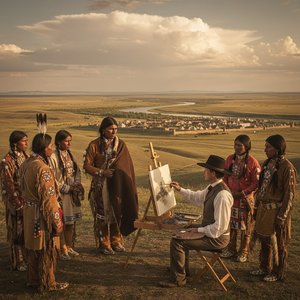
George Catlin: Witnessing & Representing Indigenous Life on the American Frontier
Explore the captivating art of George Catlin, renowned for his vivid portraits & landscapes documenting Native American life on the frontier. Discover a vanishing world through stunning paintings and historical context.

James Otto Lewis: Navigating American Modernism Through Regional Identity & Stylistic Innovation
Explore the captivating portraits of James Otto Lewis, a pivotal figure bridging 19th-century realism & American Modernism. Discover his groundbreaking work documenting Native American culture and regional identity.

Georges Seurat: 25 Šedevrai, Apšviečiantys Modernaus Meno Takus | TopImpressionists
Atraskite 25 Georges Seurat šedevrus! Išsami analizė, istorijos ir įkvėpimas interjero dizainui. Pointilizmo meistras, impresionizmas ir chromoluminarizmas – viskas TopImpressionists.com. Explore the full collection online!