

 Peržiūrėti realaus dydžio版
 Pasidalinti
 Dalintis
 Išsamiau
 Vadovas

 Atsisiųsti
 Panašūs eksponatai
 Rentgeno spindulių nuotrauka
 Automatinė diorama
 Q&A
Q&A Statistika
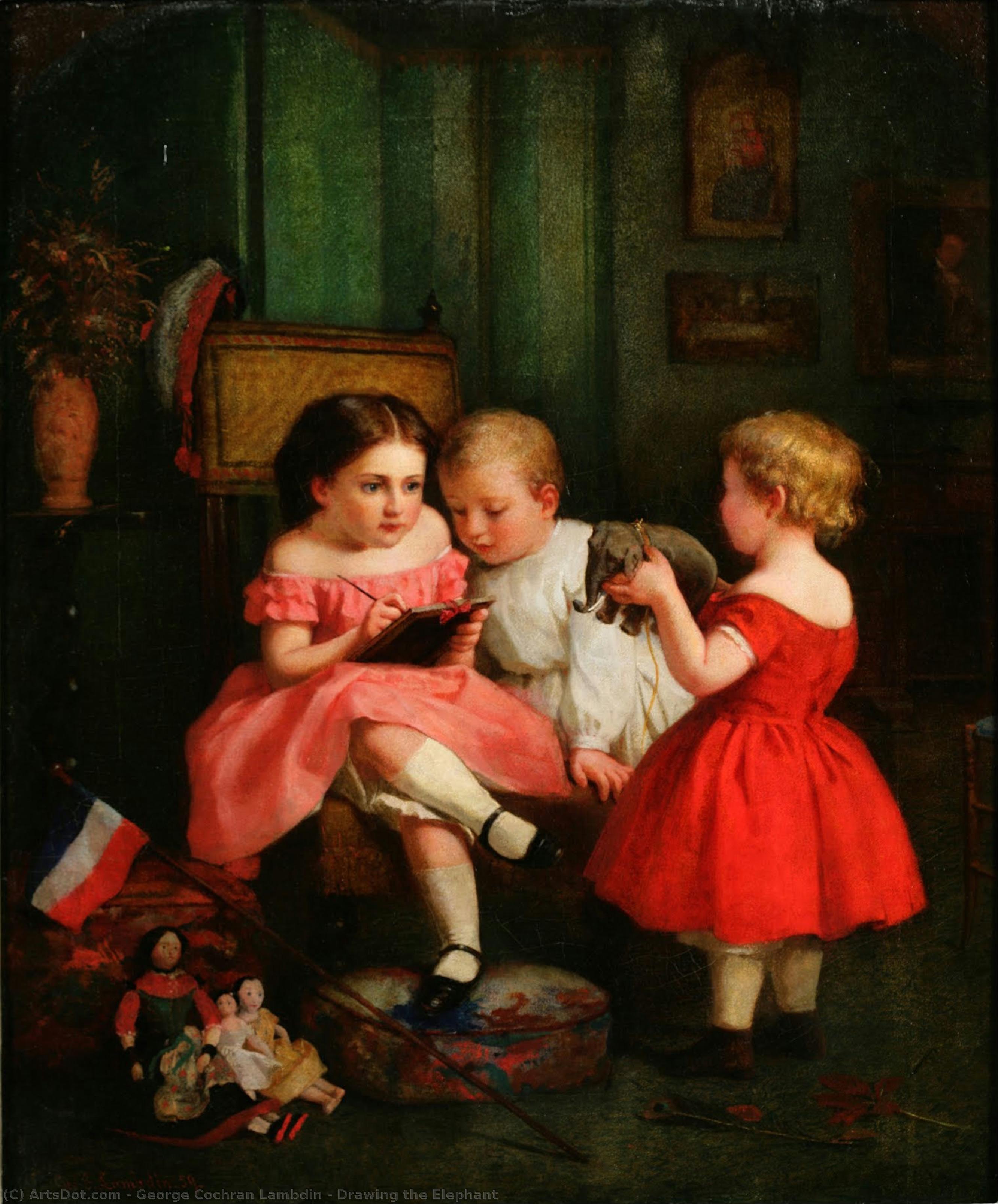
Drawing the Elephant

 Skaityti daugiau
George Cochran Lambdin (1830-1896) was an American Victorian artist renowned for his flower paintings, especially roses. He also created Civil War genre scenes & domestic life depictions. His work was widely reproduced as chromolithographs.
Gaukite spausdinimui paruoštą failą, kurio kokybė gerokai viršija internetinę peržiūrą. Kiekvienas mūsų parduodamas skaitmeninis vaizdas yra ištrauktas iš aukštos raiškos pagrindinio failo mūsų duomenų bazėje — paprastai jis siekia nuo 5 000 iki 15 000 pikselių plotio — todėl galite drąsiai spausdinti didelius formatus, apkirpti vaizdą ar reprodukcija užtikrins visas smulkias detales.
Mūsų studijoje nė viena kopija nelieka neapdorota. Skaitmeninio vaizdo ekspertas, lygiu su originaliu paveikslu, patikrina spalvas ir, jei reikia, jas koreguoja, o tada profesionaliais retušavimo įrankiais padidina aiškumą bei detales — visada išlaikydamas ištikimybę autoriaus teptuko traukoms ir stiliui. Rezultatas – vaizdas, kuris atrodo kaip tikras paveikslas, o ne kaip su filtrais apdorotas skenavimas.
Patvirtinate prieš užsakymo pabaigą: mūsų ekspertas per 72 valandas el. laišku atsiųsta vaizdą jūsų peržiūrai. Nepasitenkinate rezultatu? Paprašykite patobulinimų ar pataisymų arba prašykite pinigų grąžinimo, jei kokybė neatitinka jūsų lūkesčių.
Ši kokybė yra patikima leidybos įstaigoms, dizaino studijoms, galerijoms ir spaudos įmonėms.
Skaitmeninis vaizdas
Atsisiųskite didelės raiškos failą asmeniniam naudojimui, spausdinimui ir kūrybiniams projektams. ( Perjungti į spausdinamus版作品 Pirkti rankų darbo tapybą)
Kiekvieną skaitinio vaizdo užsakymą papildė
Profesionalus skaitmeninis vaizdų pristatymas, garantuotas
Pasirinkę TopImpressionists.com, jūs ne tik gaunate paveikslėlį – jūs gaunate profesionaliai patobudintą skaitmeninį kūrinį, sukurtą itin tikniai ir užtikrinantį pasitenkinimą. Štai viską, kas automatiškai pritékia jūsų užsakymui:

Greitas pristatymas el. paštu
Jūsų aukštos raiškos skaitmeninis vaizdo failas bus išsiųstas el. paštu per 72 valandas nuo užsakymo – jis bus paruoštas naudoti be jokių papildomų veiksmų.

Dirbtiniu intelektu tobulintas skaitmeninis failas
Jūsų meno kūrinys profesionaliai optimizuojamas naudojant pažangius dirbtinio intelekto įrankius ir rankinį redagavimą, užtikrinant maksimalią detalę, aiškumą ir spalvų tikslumą.

Nemokamas visam laikui pakartotinis siuntimas
Atsitiktinai ištrytikote ar praradote savo failą? Nebijokite – bet kuriuo metu atsiųsime jį jums vėl nemokamai.

Jokio importo mokesčio – niekada
Mėgaukitės savo meno kūrynu be jokių muitinės mokesčių, įkainų ar pristatymo išlaidų – skaitiniai failai visada yra neapmokestinami.

Spalvų tikslumo garantija
Naudodami profesionalią įrangą ir spalvų valdymo sistemas, užtikriname, kad jūsų skaitmeninis vaizdas kuo tiksliau atspindėtų originalias spalvas.

100 dienų patikimumo garantija
Jei nebuvosite patenkinti įsigyto skaitmeninio vaizdo, mes jį tališkai koreguosime arba grąžinsime 100% sumą per 100 dienų – be jokių klausimų.

100% pinigų grąžinimo garantija
Nesitenkinate? Gaukite visą sumokėtą sumą per 100 dienų nuo skaitmeninio failo gavimo – be jokių papildomų klausimų.

Nuolaidos dideliems užsakymams
Pirkti 3 nuotraukas – 10% nuolaida – Pirkti 5 – 15% nuolaida – Pirkti 10 ir daugiau – 20% nuolaida. Puikiai tinka kūrybiniams projektams, galerijoms bei agentūroms.
From 1855-1857, Lambdin studied art in Paris and Munich. Upon returning to Philadelphia he specialized in painting scenes of childhood life.
Klausimai ir atsakymai
Kokia yra „Drawing the Elephant“ – George Cochran Lambdin kūrybos data?
„Drawing the Elephant“ sukurta 1859 m. Ši data leidžia įvardyti kūrinį George Cochran Lambdin kūrybinėje karjeroje bei jo epochoje.
Koks kontrastas pasižymi kūrinys „Drawing the Elephant“ – George Cochran Lambdin?
Kūrinio „Drawing the Elephant“ – George Cochran Lambdin kontrasto lygis yra Balanced.
Kur galiu peržiūrėti „Drawing the Elephant“ išsamiai?
„Drawing the Elephant“ – George Cochran Lambdin peržiūra galima kūrinio Peržiūra interjere puslapyje.
Autoriaus biografija
A Florist's Vision of Victorian America
George Cochran Lambdin (1830-1896) stands as a singular figure in American art history—a painter who dedicated his artistic life to capturing the exquisite beauty of flowers, specifically roses, during the Victorian era. Born in Pittsburgh, Pennsylvania, Lambdin’s artistic journey began under the tutelage of his father, James Reid Lambdin, a celebrated portraitist whose influence undoubtedly shaped George's early sensibilities towards meticulous observation and skillful representation. Studying at the Pennsylvania Academy of Fine Arts in Philadelphia solidified his technical foundation, allowing him to hone his craft amidst a burgeoning artistic community. His early years were marked by a transition from the shadows of his father's prestigious legacy into a distinct voice that would eventually find its most profound expression in the delicate petals of botanical subjects.
Lambdin’s career unfolded against the backdrop of the American Civil War, a period that introduced a more somber and humanistic dimension to his repertoire. Recognizing the need for morale-boosting imagery amongst Union soldiers, he volunteered with the United Sentary Commission and skillfully documented camp life—scenes rendered with remarkable detail and sensitivity—often featuring depictions of soldiers interacting with their surroundings. These works weren't merely aesthetically pleasing; they served as tangible reminders of home and offered solace to those serving on the front lines. His artistic output during this era reflected a profound empathy for the human condition, mirroring the broader Victorian preoccupation with moral responsibility and social reform, as he moved between capturing grander genre scenes of women and children and the gritty realities of wartime domesticity.
The Mastery of Botanical Elegance
Despite facing health challenges in his later years, Lambdin persevered in his passion for floral painting, establishing himself in Germantown, Philadelphia. This period witnessed an astonishing transformation—Lambdin transitioned from capturing grand portraits and genre scenes to immersing himself in the subtle nuances of botanical art. He meticulously studied flower specimens, employing techniques honed by generations of artists before him, yet injecting them with a distinctly Victorian aesthetic. The resulting paintings are characterized by luminous color palettes and textured surfaces that breathe life into every bloom.
His later works, particularly his celebrated studies of roses, represent the pinnacle of his technical achievement. In these compositions, Lambdin achieved a sense of trompe l'oeil realism, where the velvety texture of a petal or the dewdrop clinging to a stem feels almost tactile. This dedication to the botanical world was likely inspired by Philadelphia itself, which at the time was affectionately known as the "City of Flowers." Through his brush, the ephemeral beauty of nature was granted a sense of permanence, turning simple floral arrangements into profound meditations on life, fragility, and the enduring grace of the natural world.
Legacy and Artistic Significance
The historical significance of George Cochran Lambdin lies in his ability to bridge the gap between the formal traditions of 19th-century portraiture and the intimate, decorative beauty of botanical still life. His work was not only celebrated in prestigious institutions like the National Academy of Design but also reached a much wider audience through reproduction. His paintings were widely reproduced as chromolithographs, allowing his vibrant floral visions to enter the homes of many, becoming part of the very fabric of Victorian domestic decor.
Today, Lambdin is remembered not just as a skilled technician, but as an artist who captured the soul of an era. His contributions can be summarized through several key artistic milestones:
- Technical Foundation: Mastery of light and texture developed through early training under his father and studies in Europe, including Munich.
- Versatility of Subject: A unique progression from Civil War genre scenes and portraiture to highly specialized botanical excellence.
- Cultural Impact: The widespread dissemination of his floral imagery via chromolithography, influencing American aesthetic tastes.
- Historical Documentation: His sensitive portrayal of camp life and domesticity during the American Civil War.
In the annals of American art, Lambdin remains a master of the delicate and the profound, leaving behind a legacy of luminous color and a timeless appreciation for the quiet splendor of the natural world.

George Cochran Lambdin
1830 - 1896 , United States of America
Trumpa informacija
- Artistic Movement Or Style: Victorian; Botanical and Genre painting
- Artists Who Influenced This Artist: ['James Reid Lambdin']
- Full Name: George Cochran Lambdin
- Nationality: American
- Place Of Birth: Pittsburgh, United States of America
- Date Of Birth: 1830
- Date Of Death: 1896