


 Peržiūrėti realaus dydžio版
 Siųsti
 Dalintis
 Išsamiau
 Vadovas

 Atsisiųsti
 Panašūs eksponatai
 Rentgeno spindulių nuotrauka
 Diaporama
 Statistika
The Minotaur
 Acrylic On Canvas
- WallArt
- Symbolist Movement
 1885
1885 94.0 x 118.0 cm
 Tate muziejus
George Frederic Watts’ haunting ‘The Minotaur’ captures the myth's brutality & despair. Inspired by child prostitution, it depicts the creature’s longing, a powerful symbol of primal instincts and suffering.
 Rodyti daugiau
Atraskite George Frederic Watts (1817–1904) simbolizmo meną. Žinomas dėl alegorinių paveikslų kaip „Viltis“ ir freskų, Watts sujungė klasikinę tematiką su viktorienės estetika. Atraskite jo šedevrus TopImpressionists.com.
Giclée / Meno spausdinimas
Muziejų lygio „giclée“ arba drobos spausdinimas: greita gamyba ir lankstios apdailos parinktys. ( Pirkti rankomis tapytą reprodukciją Perejti prie skaitmeninių vaizdų)




P118B $10

P118H $10

P118W $10

P438Z $10

P508JH $12

P508YH $12

P805H $10

P805Z $10

P919BZ $10

P919G $10

P919XJ $10

P959ZH $10

P968JZ $12

W106C $8

W218G $10

W218JH $8

W218Y $10

W307PJ $10

W316G $10

W316PJ $8

W316Y $10

W398PJ $8

W4111J $10

W500HY $15

W500JH $15

W692G $12

W849H $8

W940BG $15

W953PJ $8




Standartinis
individualaus dydžio
CM
INCH
Pasirinkite iš mūsų nustatytų dydžių, atitinkančių originalaus meno kūrinio proporcijas.
Loading sizes...

plotis
aukštis
Galite nurodyti savo matmenis, kad vaizdas atitiktų konkretų rėmą ar erdvę. Jei pasirinktas dydis nesutaps su originalaus paveikslėlio proporcijomis, mes arba apkirpsime kūrinį, arba išplėsime vaizdą naudojant veideliu atspindėtą arba vientisą šoną. Skaitmeninis maketas bus išsiųstas jums patvirtinti prieš pradedant gamybą.
Atkreipkite dėmesį, kad ekrane matomas vaizdinys neatspindi tikrojo apkirpimo ar išplėtimo. Tik maketas tiksliai parodytų galutinę kompoziciją.
Nors galima rinktis ir individualius dydžius, rekomenduojame pasirinkti vieną iš išanksti nustatytų matmenų, kad būtų išlaikytos originalios proporcijos.
Pristatymas visame pasaulyje () per 2 weeks, o ne įprastas 4/5 savaičių laikotarpis. (25 rugsėjis)

Nemokamas greitasis pristatymas visame pasaulyje

Aukštos kokybės lininis drobė

Pilnas siuntimo draudimas

Muitinės mokesčių grąžinimo garantija

Tikro spalvų atitikimo garantija

100 dienų grąžinimo politika (tik esant įtaigoms)

100% pinigų grąžinimo garantija

Nuolaida dideliems užsakymams
 Stiklo variantas prieinamas tik pasirinkus dydį iki 110 cm

The Minotaur
Giclée / Meno spausdinimas
Reprodukcijos dydis
-


Visų pasirinktų variantų kaina
$ 69
The Haunting Echoes of Myth: George Frederic Watts’ “The Minotaur”
George Frederic Watts' "The Minotaur," painted in 1885, isn’t merely a depiction of a monstrous figure from Greek mythology; it’s a profound meditation on primal instincts, the burden of violence, and the tragic consequences of unchecked desire. This oil-on-canvas masterpiece transcends its mythological roots to become a powerfully emotive exploration of the human condition, resonating with viewers even today.
Watts, a prominent figure in the Symbolist movement, rejected the academic conventions of his time, prioritizing emotional intensity and symbolic representation over realistic portrayal. He sought to capture not just what he saw, but what he *felt*, drawing heavily on classical literature – particularly Homer’s *Iliad* – as well as contemporary social anxieties. “The Minotaur” emerged during a period of intense moral debate surrounding the exploitation of women and children, fueled by investigative journalism exposing the horrors of prostitution in Victorian London. This context is crucial to understanding the painting's unsettling power.
A Study in Contrasts: Form and Emotion
The composition immediately commands attention. The Minotaur dominates the foreground, his massive form rendered with a deliberate roughness – not polished or idealized, but imbued with a palpable sense of brute strength and suppressed rage. His head, a grotesque fusion of human and bull, is turned away from the viewer, creating an unsettling sense of detachment and isolation. The artist masterfully employs *profil perdu*, a technique where only part of the figure’s face is visible, intensifying the creature's enigmatic nature.
Notice the stark contrast between the Minotaur’s powerful physicality and the delicate detail lavished upon the small bird crushed beneath his fist. This seemingly insignificant element serves as a potent symbol – representing innocence, vulnerability, and ultimately, destruction. The bird, likely intended to evoke the image of a young maiden, is brutally silenced by the Minotaur's overwhelming force, highlighting the devastating consequences of unchecked aggression.
The Labyrinth of Interpretation: Symbolism and Context
Watts’ choice to depict the Minotaur gazing out towards the sea is particularly evocative. The vast expanse of water suggests a longing for escape, perhaps even a yearning for redemption – an impossible desire given the creature's monstrous nature. The reference to the Athenian tribute—the ritual sacrifice of young people—directly connects the painting to Stead’s exposé and the broader social anxieties of the era. It’s a chilling reminder of the dark undercurrents beneath Victorian society, where beauty and innocence were often corrupted by greed and exploitation.
The myth itself offers layers of interpretation. The Minotaur represents not just brute force, but also the primal instincts that lie dormant within all humanity – the capacity for violence, jealousy, and self-destruction. Watts doesn’t shy away from these darker aspects of human nature, presenting them with unflinching honesty.
A Timeless Masterpiece: Technique and Legacy
Technically, “The Minotaur” is a remarkable achievement. Watts employed a loose, expressive brushstroke, creating a sense of movement and dynamism within the composition. The colors are rich and saturated, contributing to the painting’s dramatic intensity. He deliberately avoided smooth surfaces, opting for a textured effect that emphasizes the physicality of the subject.
Despite its unsettling subject matter, “The Minotaur” remains one of Watts' most celebrated works, admired for its emotional depth, symbolic complexity, and masterful execution. It continues to provoke thought and discussion, serving as a powerful reminder of the enduring relevance of myth and the complexities of human nature. Reproductions of this haunting image offer a captivating glimpse into the Victorian era’s anxieties and Watts’ profound artistic vision.
Autoriaus biografija
ankstyvasis gyvenimas ir išsilavinimas
George Frederic Watts, viena ryškiausia simbolizmo judėjimo figūra, gimė 1817 m. vasario 23 d. Londono Marylebone sostinėje. Jo ankstyvasis gyvenimas buvo palydimas dėl silpnos sveikatos ir ankstyvos motinos praradimo. Watts narys, pianinų meistras, suteikė jam konservatyvų krikščionišką išsilavinimą ir supažindino su klasika, įskaitant „Iliadą“. Šis klasikinės literatūros įtampas vėliau tapo pagrindiniu jo meninio stiliaus akmeniu.karjera
Watts savo meninę kelionę pradėjo vos 10 metų amžiuje, mokydamasis skulptūros pas William Behnes. Vėliau, būdamas 1erdame, įstojo į Karališkosios akademijos mokyklas. Jo pirmioji paroda akademijoje 1837 m. pažymėjo gausios kūrybos pradžią.- „Caractacus“ – piešukas, pateiktas konkursui suprojektuoti muralus naujam parlamento rūmai – 1843 m. Wattsui atnešė pirmąją prizą.
- Vėlesni jo keliai į Italiją (1843–1847 m.) ir ryšys su britų ambasadoriumi Henry Fox buvo įtakos jo stiliui, kaip matoma jo portrete Lady Holland, pristatytame 1848 m.
- Watts grįžimas į Britaniją atnesė užsakymą sukurti freską parlamentui, kurią jis užbaigė tarp 1848 ir 1853 metų.
simbolizmo šedevrai
garsiausiųjų Watts kūrybos darbu galima pavirtinti:- „Viltis“ ir „Meilė ir gyvenimas“, skirti tapti epiniu simboliniu ciklu pavadinamu „Gyvenimo namai“.
- „Raudro kryžmininko triumfas (iš „Faerie Queene“)“, sukurtas 1852–53 m., demonstruoja jo meistriškumą alegoriškomis temos.
- Jo portretas Ellen Terry, parašytas 1864 m., yra puikus pavyzdys jo gebėjimui įamžinti savo paveikslavimo objektų esmę.
palikimas
Watts įtampis menų pasaulyje yra neabejingas. Jo ryšys su simbolizmo judėjimu bei inovatyvus spalvų ir formų naudojimas padarė jį mylima figūra britų meno istorijoje. peržiūrėti George Frederic Watts kūrybos darbus TopImpressionists.commuziejai, eksponuojantys Watts kūrybą
- Lincoln's Inn, kuriame eksponuojama jo freska „Teisumas, teisėjų pusdalyris“.
- Watts Gallery – Artists' Village Guildford, Jungtinėje Karalistėje, skirta saugoti Watts ir kitų menininkų darbus.

George Frederic Watts
1817 - 1904 , Jungtinė Karalystė
Trumpa informacija apie kūrėją
- Artistic Movement Or Style: Simbolizmas
- Artists Or Movements Influenced By This Artist:
- Romantizmas
- Prerafaelitai
- Artists Who Influenced This Artist:
- William Behnes
- Henry Fox
- Date Of Birth: 1817 m. vasario 23 d.
- Date Of Death: 1904 m. liepos 1 d.
- Full Name: George Frederic Watts
- Nationality: Britų
- Notable Artworks:
- Viltis
- Meilė ir gyvenimas
- Raudro kryžmininko triumfas
- Place Of Birth: Marylebone, Jungtinė Karalystė
Susiję straipsniai

George Frederic Watts: Symbolism, Spirituality & Victorian Ideal Beauty
Explore the captivating Symbolist art of George Frederic Watts. Discover his allegorical masterpieces, classical influences & spiritual themes. Learn about his legacy and find high-quality reproductions at TopImpressionists.
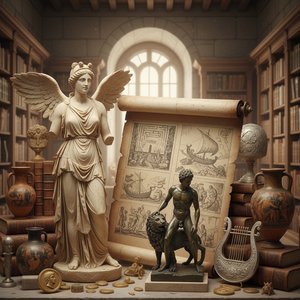
Timeless Legends: A Curated Guide to the Eternal Allure of Mythological Masterpieces
Embark on a sophisticated journey through the eternal allure of mythological art. Discover how master painters breathe life into ancient legends, from Greek deities to Baroque masterpieces, and learn to curate these timeless narratives within your own exquisite art collection.

Georges Braque: 25 Šedevrai, Keičiantys Jūsų Interjerą | TopImpressionists
Atraskite 25 Georges Braque šedevrus! Kubizmo meistro paveikslai, interjero dekoras ir meno istorija. Meno reprodukcijos aukščiausia kokybe – TopImpressionists.com. Išsamesnės informacijos rasite internetu.

Georges Seurat: 25 Šedevrai, Apšviečiantys Modernaus Meno Takus | TopImpressionists
Atraskite 25 Georges Seurat šedevrus! Išsami analizė, istorijos ir įkvėpimas interjero dizainui. Pointilizmo meistras, impresionizmas ir chromoluminarizmas – viskas TopImpressionists.com. Explore the full collection online!

The Enduring Legacy of Oil on Canvas: Technique, History & Aesthetic Impact
Explore the rich history & techniques of oil painting – from Renaissance masters to Impressionism. Discover pigments, layering methods, and why this timeless medium endures. Expert insights for artists & art enthusiasts.